



Dream Night at Hanayashiki: A Playground for Children with Severe Disabilities
Celebrating Inclusion: Dream Night at Hanayashiki
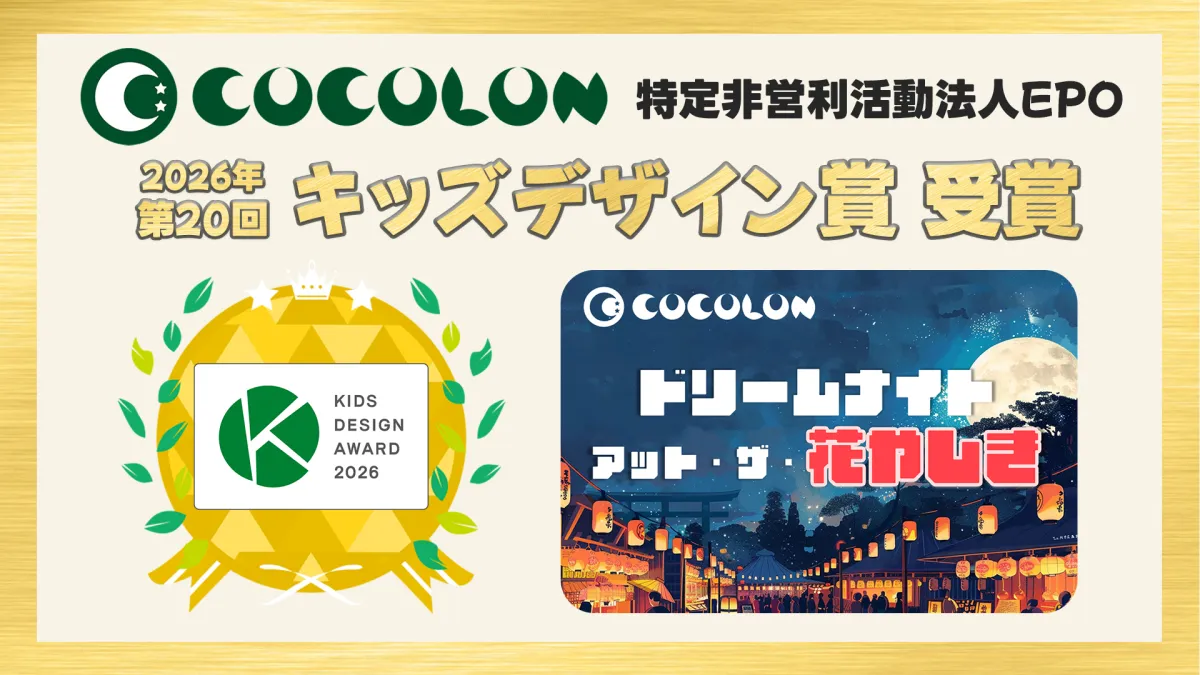
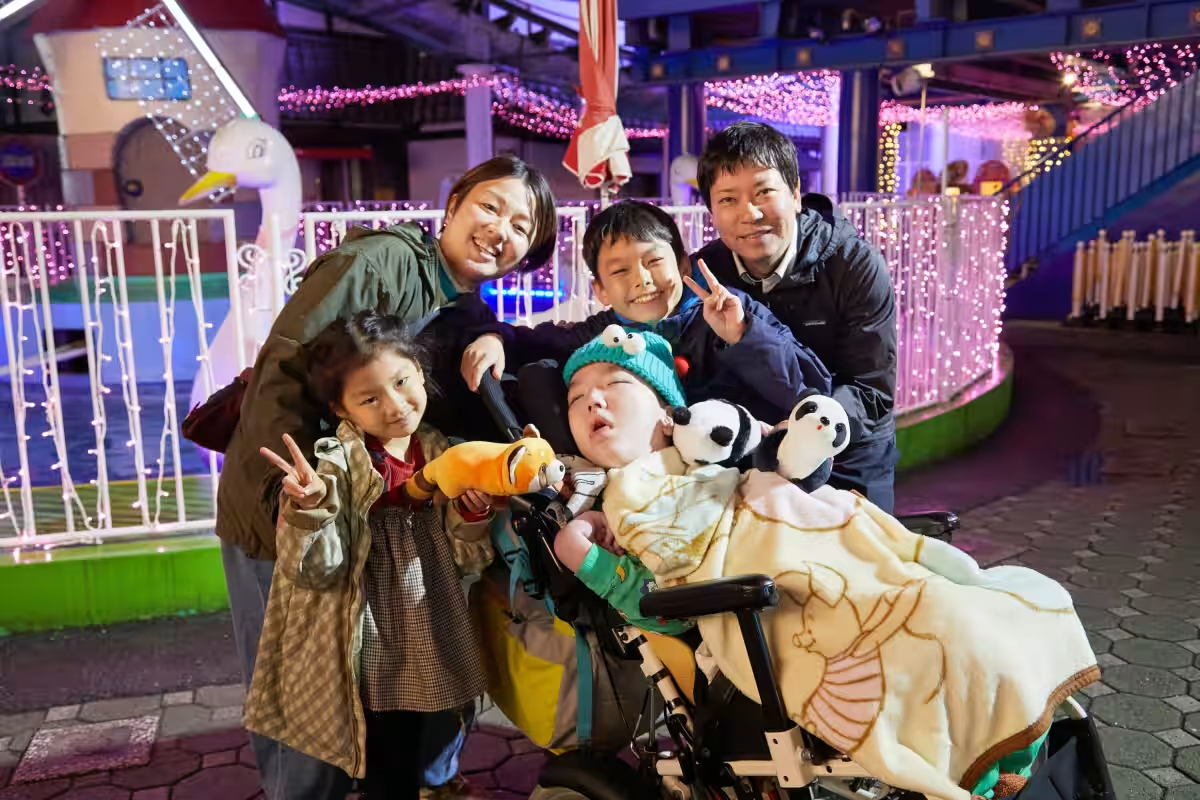
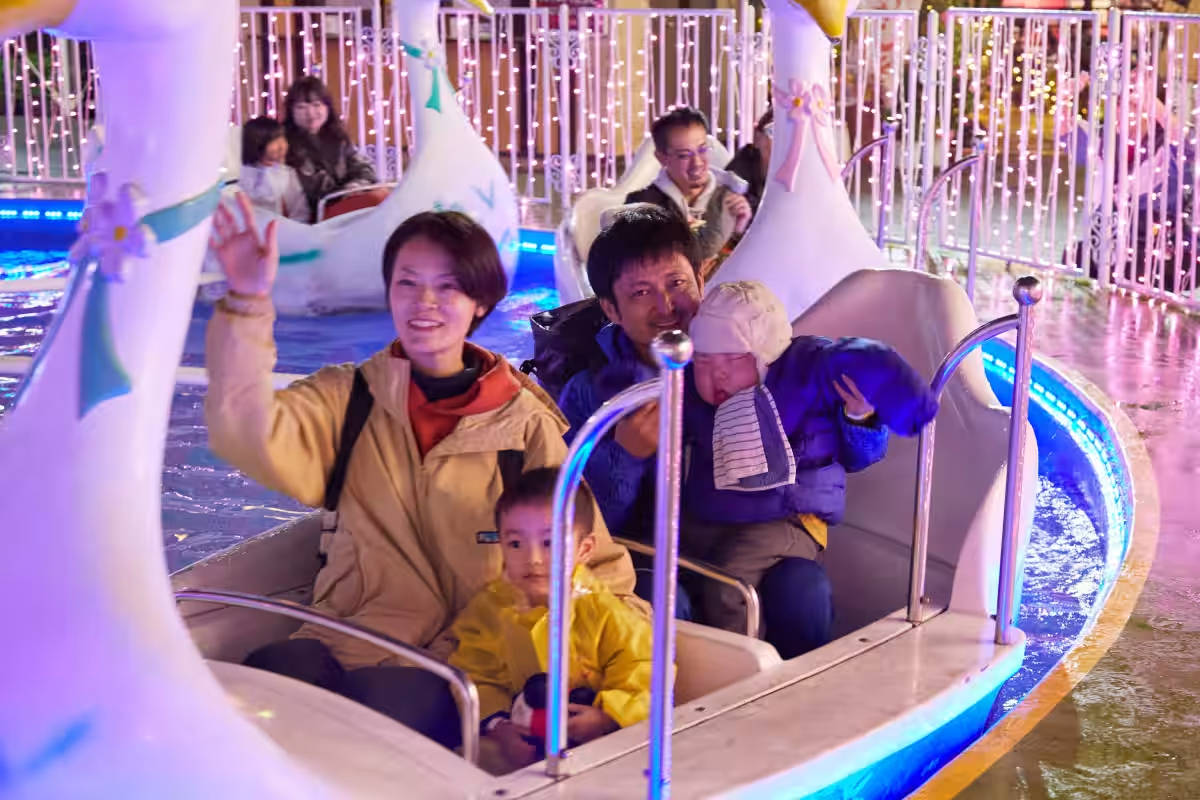
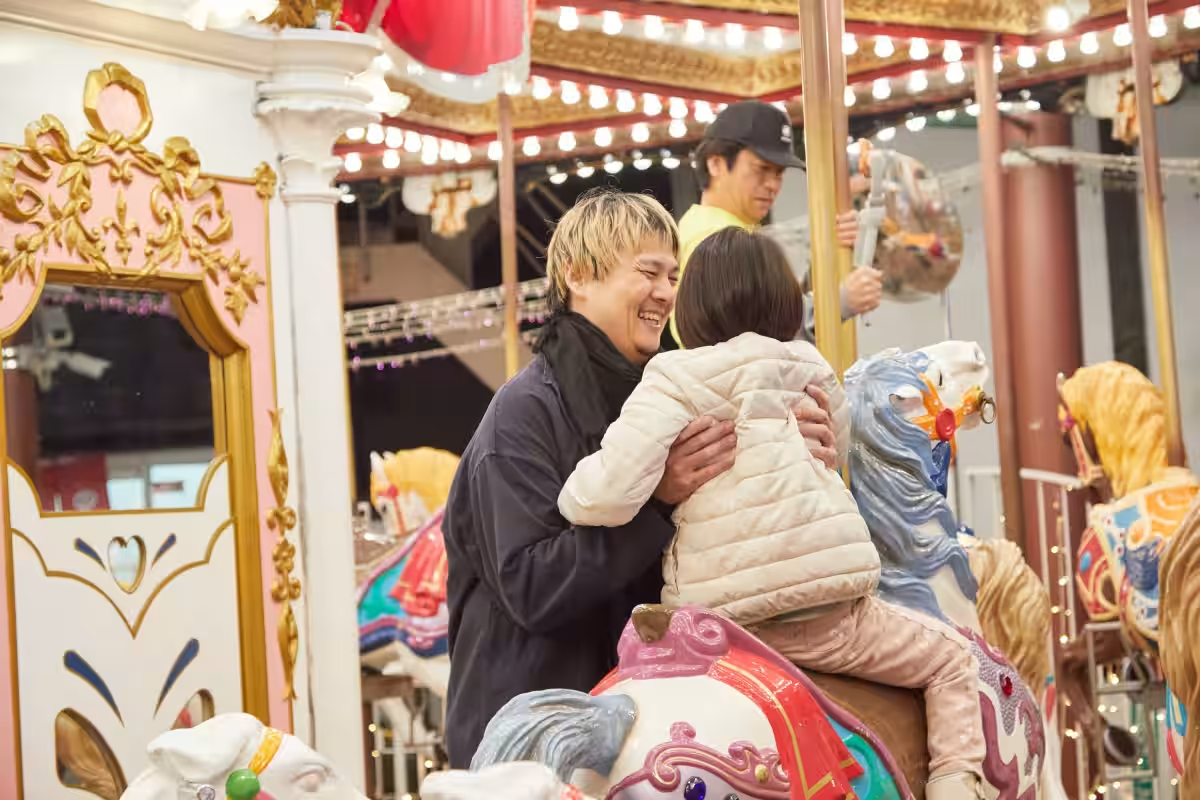
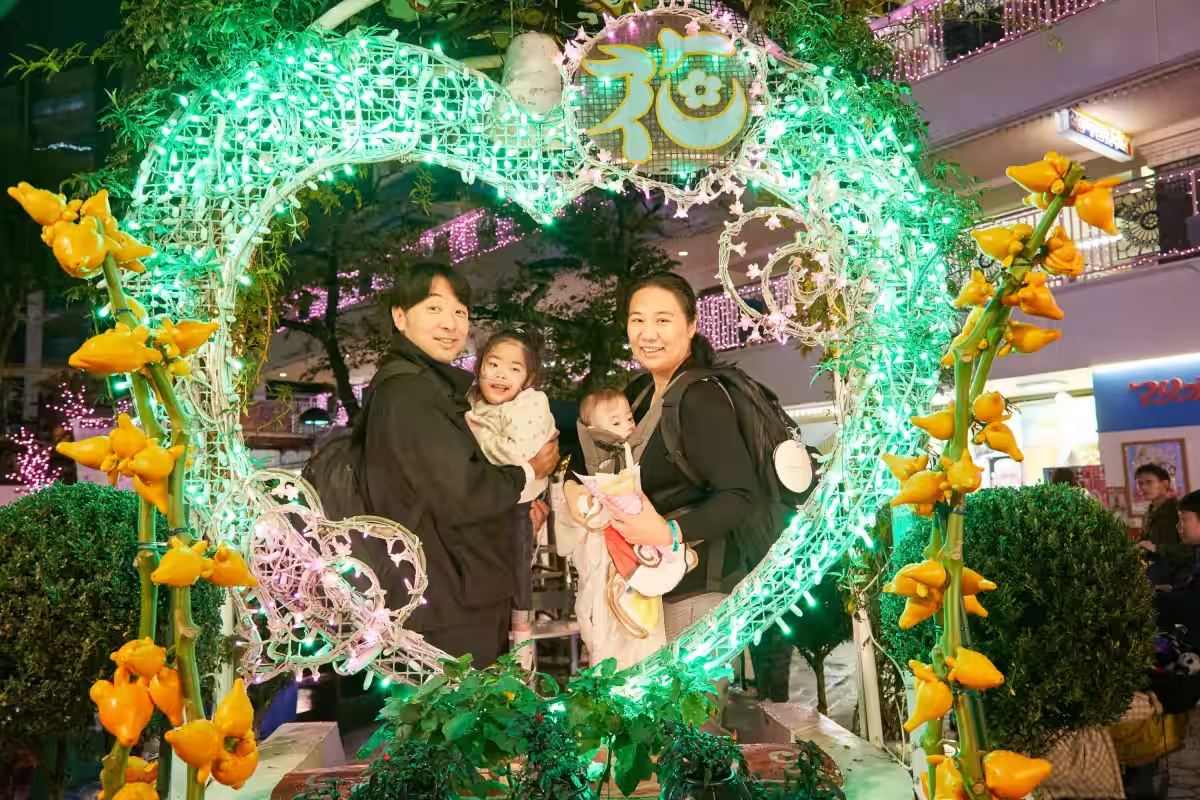
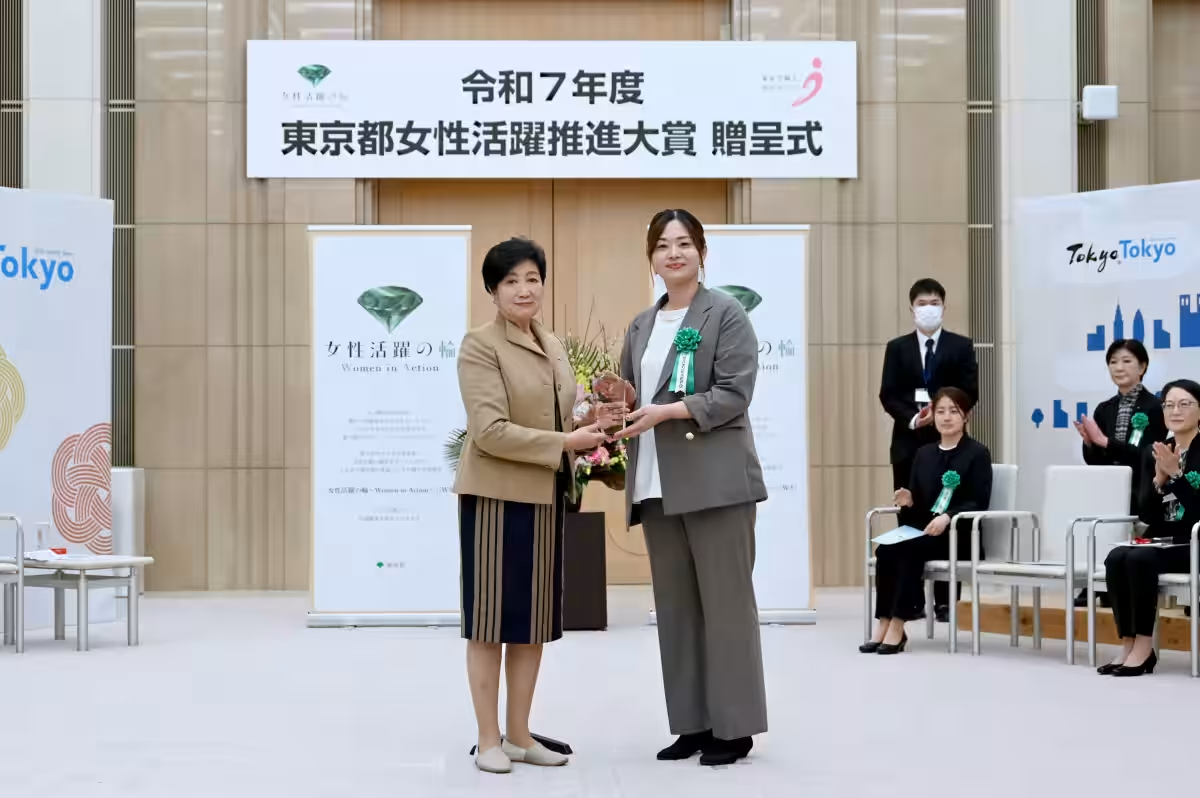
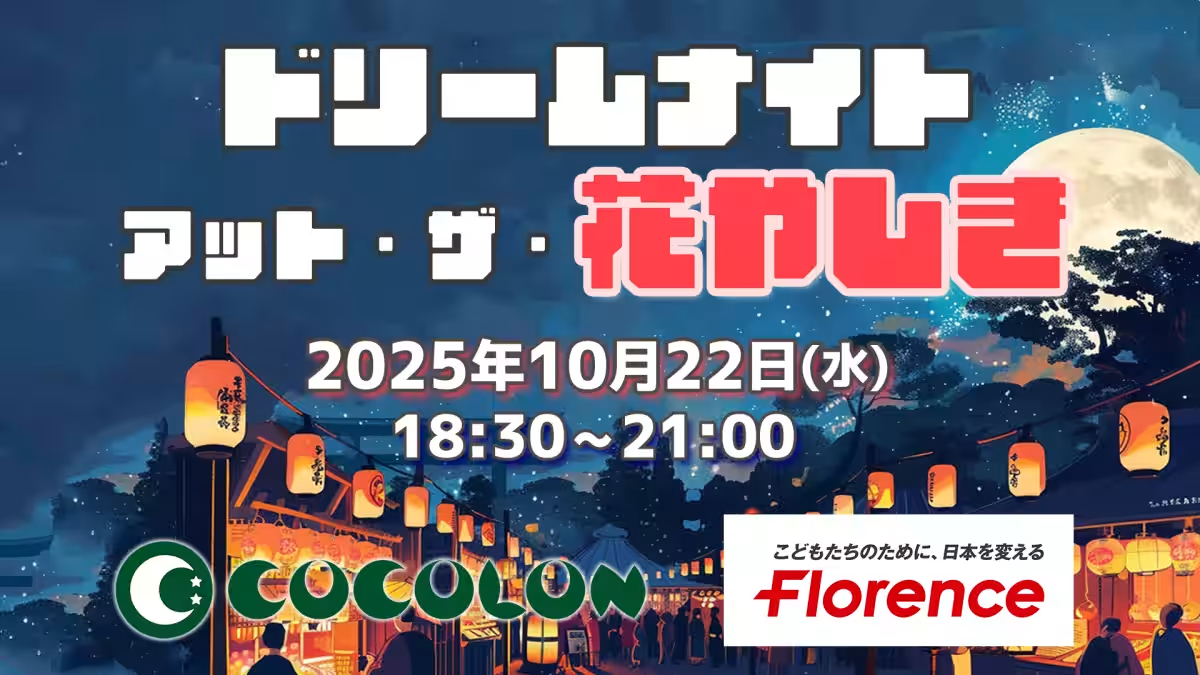
The much-acclaimed event, Dream Night at Hanayashiki, organized by NPO EPO and community COCOLON in collaboration with Florence, made history by winning the 20th Kids Design Award. This event, aimed specifically at families with children who have severe physical and mental disabilities, seeks to create unforgettable amusement park experiences at Asakusa Hanayashiki, Japan's oldest amusement park.
Creating Joyful Experiences
The concept of the event revolves around creating an inclusive atmosphere where families can enjoy a day out together in a chosen venue that, while not fully barrier-free, invites participants to explore creative solutions. The organizers focused on identifying accessible attractions and adapting support services instead of completely altering the venue. Through innovative thinking, they have given families the chance to share joyous moments amidst challenges.
Families often face hurdles when it comes to outings due to the specific needs of children with severe disabilities. Challenges like navigating with a wheelchair, accommodating medical care, or having access to changing facilities can deter families from visiting amusement parks. However, through meticulous staff guidance and strategic use of assistive devices, these barriers can be effectively managed.
The event not only aims for participation but also to reframe the approach toward such experiences. Feedback from families revealed sentiments like, "I realized we could go out at night, and it was surprisingly enjoyable!" Events like this showcase the potential for families to take steps they never imagined possible.
Building on Success
Following the significant success of the first Dream Night at Hanayashiki, the organizers are set to expand the project. The next event is scheduled for October 9, 2026, promising an even better experience by incorporating participant feedback and enhancing the variety of attractions available. The aim is to ensure that children with severe disabilities experience the fun and excitement of a night out, breaking the stigma that often accompanies such activities.
The impact of the event goes beyond just entertainment; it represents an opportunity for community engagement and increased awareness regarding disability inclusion. With families feeling inspired and empowered to try what once seemed impossible, the event promotes a shift in perception toward disability in public spaces.
Kids Design Award Overview
The Kids Design Award was established in 2007 with objectives centered around child participation, safety, and the nurturing of creativity. It seeks to recognize outstanding products, services, and activities designed with child welfare in mind. From initiatives that promote child safety to spaces where children can thrive creatively, the award seeks to identify the best practices contributing to a better society for children.
The recent recognition for Dream Night at Hanayashiki underscores the importance of community initiatives that prioritize child inclusion. The initiative has already received accolades in the previous year, demonstrating a commitment to continuous improvement and adaptation.
The Vision of COCOLON
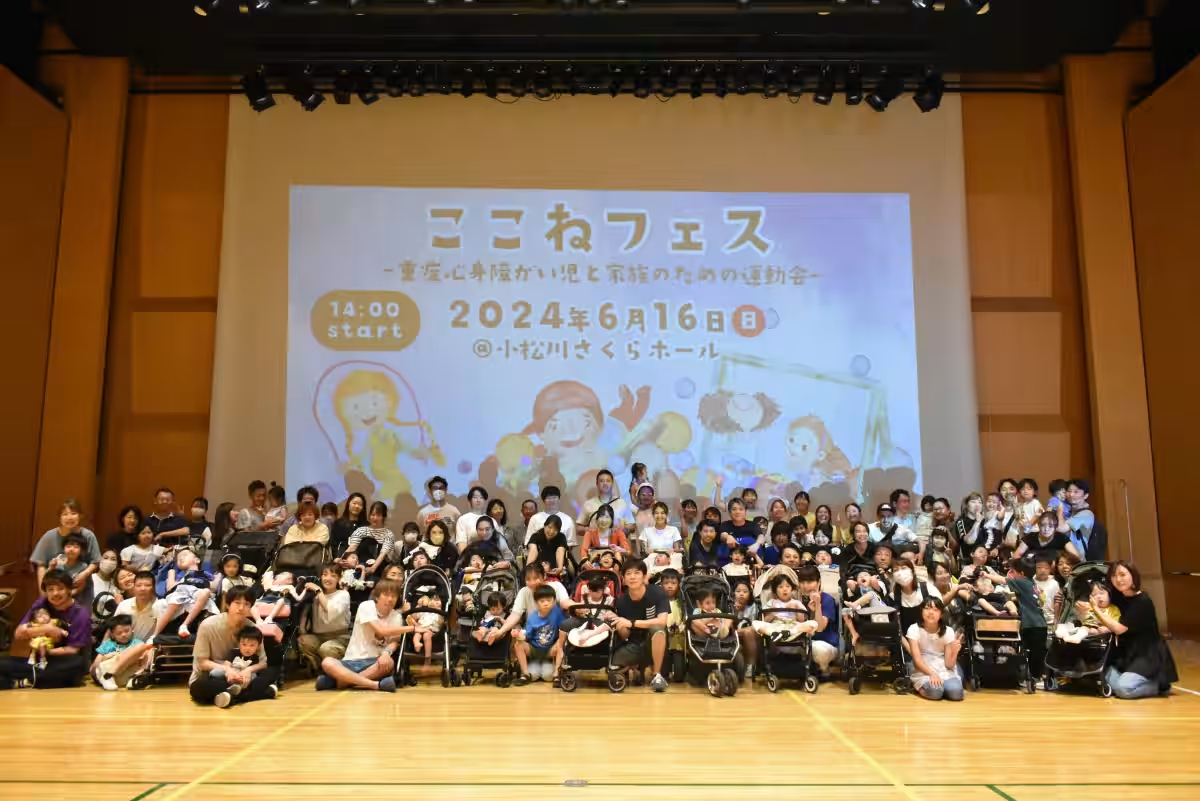
COCOLON, the community behind this initiative, positions itself as a hub for learning, playing, and connecting for families involved with children facing severe disabilities. By offering diverse programs and events, COCOLON not only fosters community but also promotes significant exchanges of information and support among caregivers and families.
With the backing of the NPO EPO and its ongoing quest to give children with disabilities a platform to discover their capabilities, the goal remains clear: to establish a society where every child can engage in new experiences, regardless of their challenges.
As this project gains momentum, both organizers and participants are hopeful that more inclusive events like the Dream Night at Hanayashiki will pave the way for a brighter, more accessible future. The ongoing determination from COCOLON not only enriches families' lives but also inspires communities to recognize the importance of inclusivity in creating memorable experiences for everyone.
Conclusion
The success of Dream Night at Hanayashiki is not just a recognition of a well-executed event, but a testament to the resilience and creativity of a community committed to transformation. With upcoming events, the collective efforts will undoubtedly expand opportunities and encourage a culture of inclusion that champions all families, regardless of the challenges they face.



Topics People & Culture)
【About Using Articles】
You can freely use the title and article content by linking to the page where the article is posted.
※ Images cannot be used.
【About Links】
Links are free to use.