



Winter Woes: Over 72% Suffer from Hyperhidrosis Despite Treatment Awareness Issues
Winter Woes: A Deep Dive into Hyperhidrosis
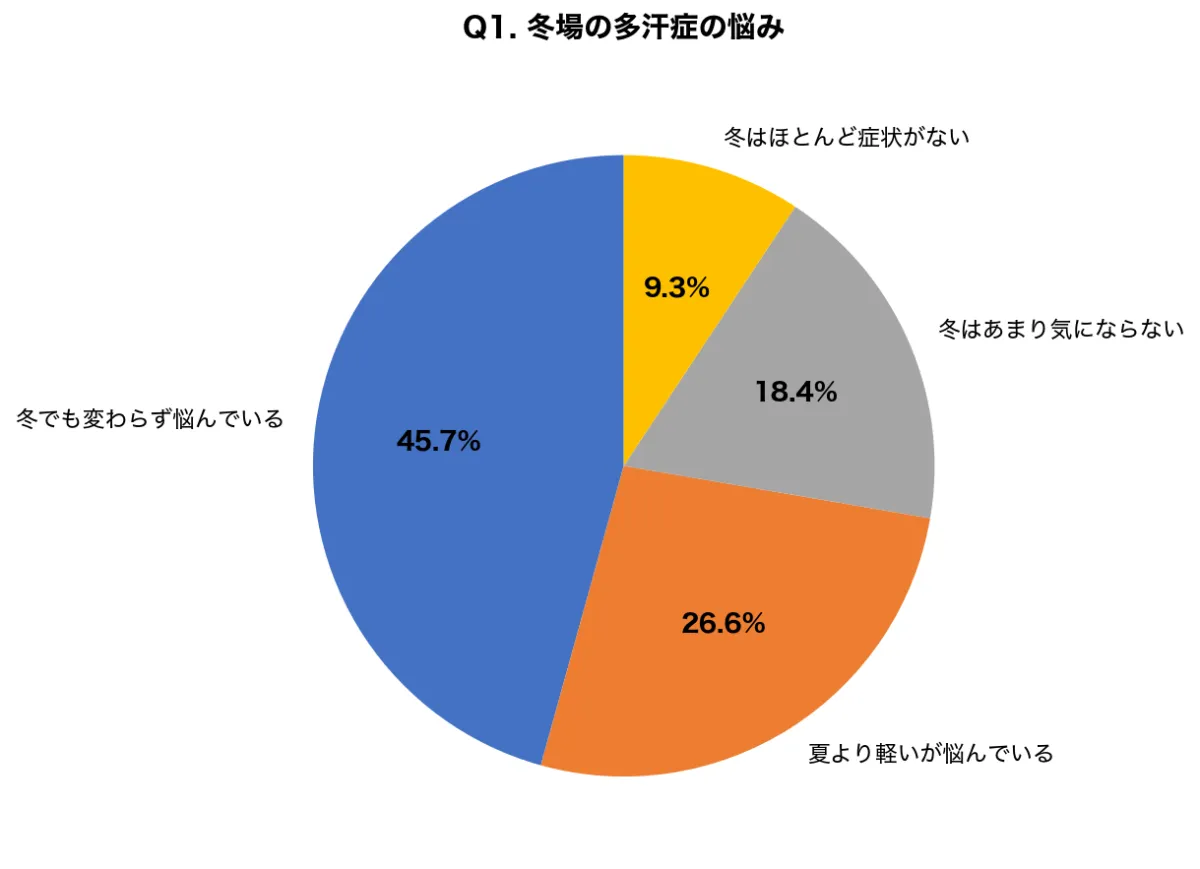
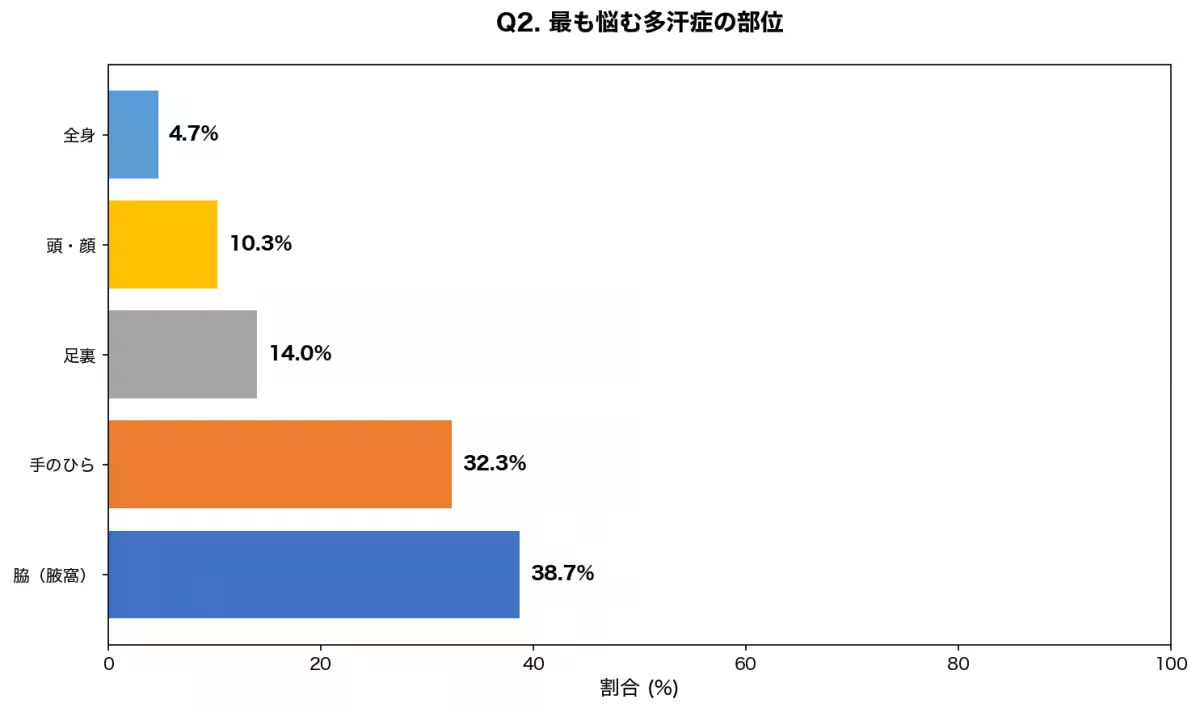
A recent study conducted by the IC Clinic, targeting individuals suffering from hyperhidrosis in their 20s to 50s across Japan, reveals alarming statistics regarding this condition. Despite winter's chill, a staggering 72.3% of respondents report continued struggles with excessive sweating, specifically focusing on the hands and armpits. This blog aims to delve into the ongoing challenges faced by those struggling with hyperhidrosis and underscore the importance of increasing awareness regarding effective treatment options.
The Prevalence of Hyperhidrosis
Hyperhidrosis, characterized by excessive sweating beyond what is necessary for temperature regulation, affects about 5–7% of the Japanese population. The study indicates that many individuals mistakenly believe hyperhidrosis is an unchangeable aspect of their physiology. The survey took place from January 6 to January 15, 2026, gathering insights from 300 respondents who currently experience issues with sweating.
Key Findings from the Survey
Among the crucial findings:
- - 72.3% of participants indicated continued sweating issues during winter.
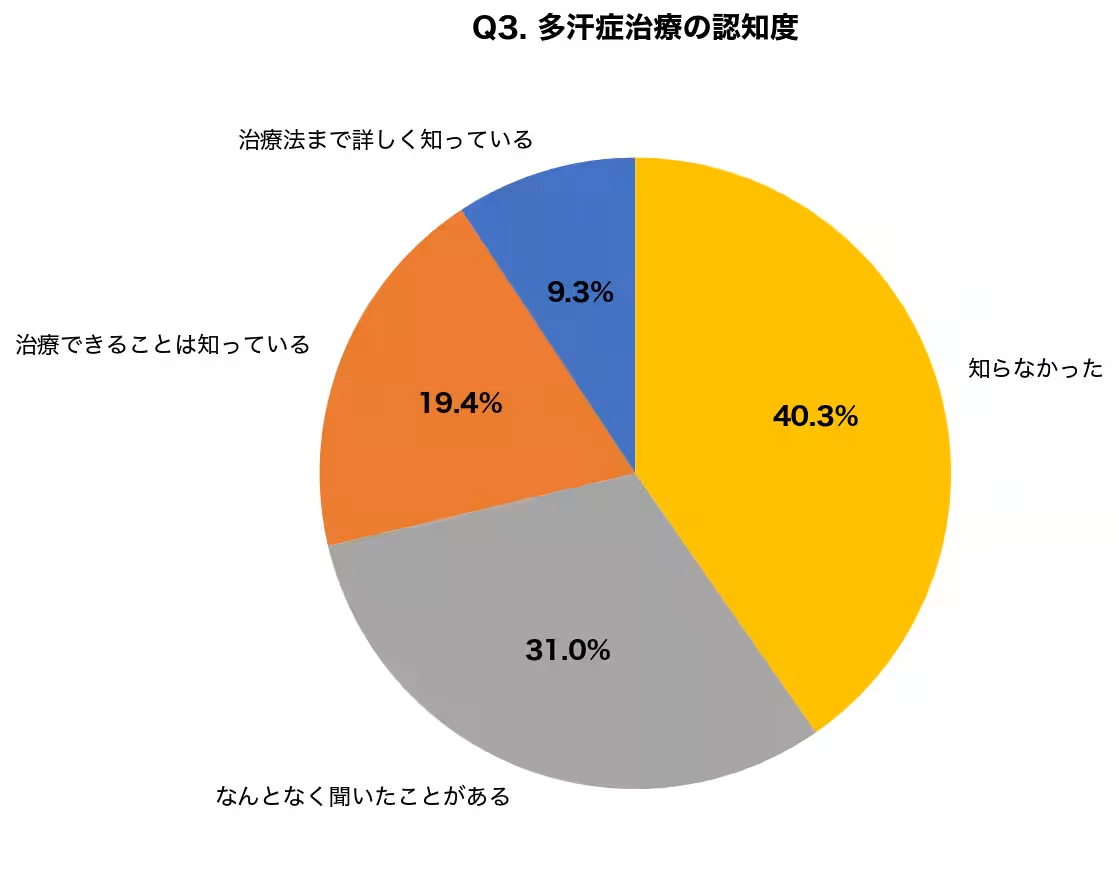
- - Only 28.7% acknowledged that hyperhidrosis is a treatable condition.
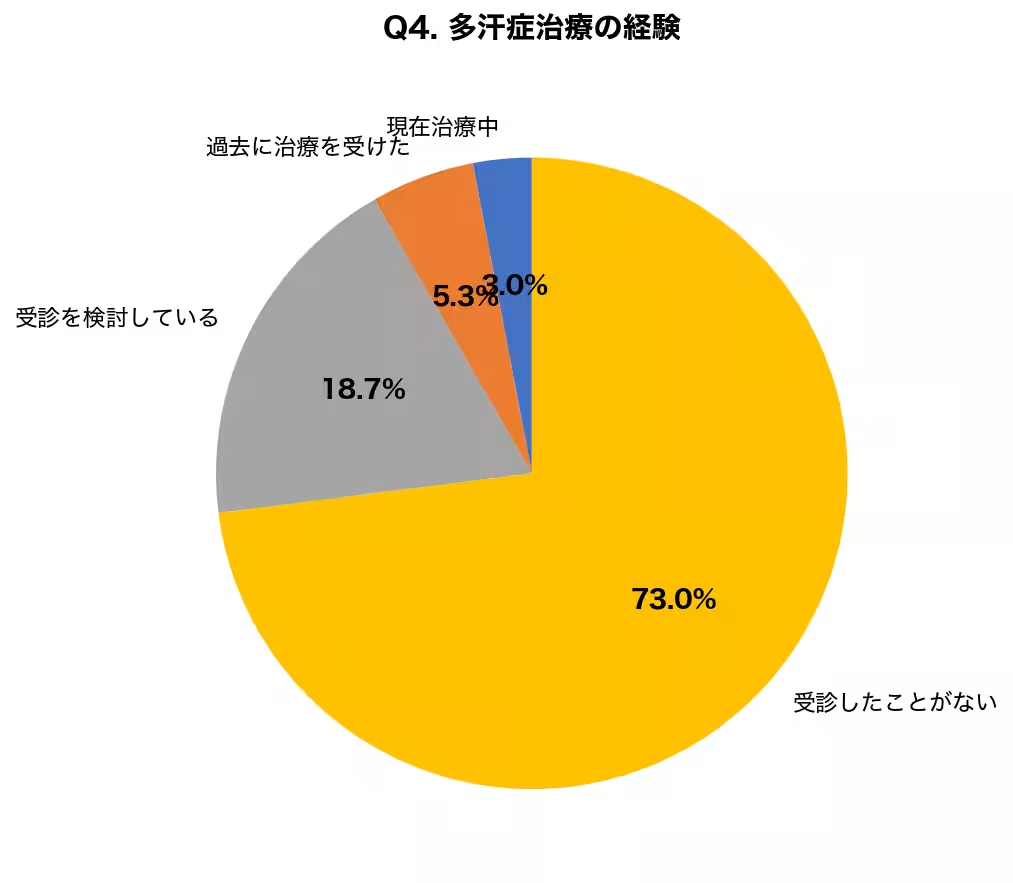
- - A mere 8.3% have sought medical help for their sweating problems, while a significant 91.7% remain untreated.
These figures reveal a profound ignorance regarding both the severity of the condition and available solutions.
Understanding Hyperhidrosis
To clarify, hyperhidrosis can be classified into two main types: primary and secondary.
- - Primary Hyperhidrosis presents itself symmetrically across the body, particularly affecting areas such as the palms, soles, armpits, and face.
- - Secondary Hyperhidrosis, on the other hand, is often caused by underlying medical conditions or medications.
The study highlighted the emotional and social ramifications of living with this condition. Individuals express feelings of distress and social isolation, fearing judgment or misunderstanding from others, particularly in winter when sweating can feel particularly out of place.
Treatment Options Available
The survey results point to a pressing need for greater education about treatment options:
- - MiraDry: A revolutionary treatment that destroys sweat glands using microwave technology, offering a reduction in sweating by 70-80% after a single session. Patients don't require any skin incisions, thus minimizing downtime significantly.
- - Botox Injections: This method temporarily blocks signals from nerves to sweat glands, proving effective for severe underarm sweating, with a duration of effects ranging from 4 to 9 months. It is also a covered procedure under health insurance if deemed necessary.
- - Surgery (Excision): For patients suffering from severe symptoms that interfere with their daily lives, surgical excision may be a viable option, although it usually necessitates multiple visits for effectiveness.
Treatment Comparison Factors
| Treatment Type | Effect Duration | Downtime | Scarring | Cost Estimate | Insurance Applicability |
|---|---|---|---|---|---|
| ----- | ---- | -- | --- | --- | ----- |
| Botox | 4-9 months | Almost none | Injection marks only | $300 - $800 per session | Severe cases only |
| MiraDry | Permanent | 2-3 days | None | $3,000 - $4,000 | Not covered |
| Surgical Excision | Permanent | 1-2 weeks | 3-4 cm scar | $400 - $500 (3rd party) | Possible for some cases |
Note: These figures are based on over 2,000 treatment cases handled by clinic-registered specialists, and results may vary by individual.
Barriers to Treatment
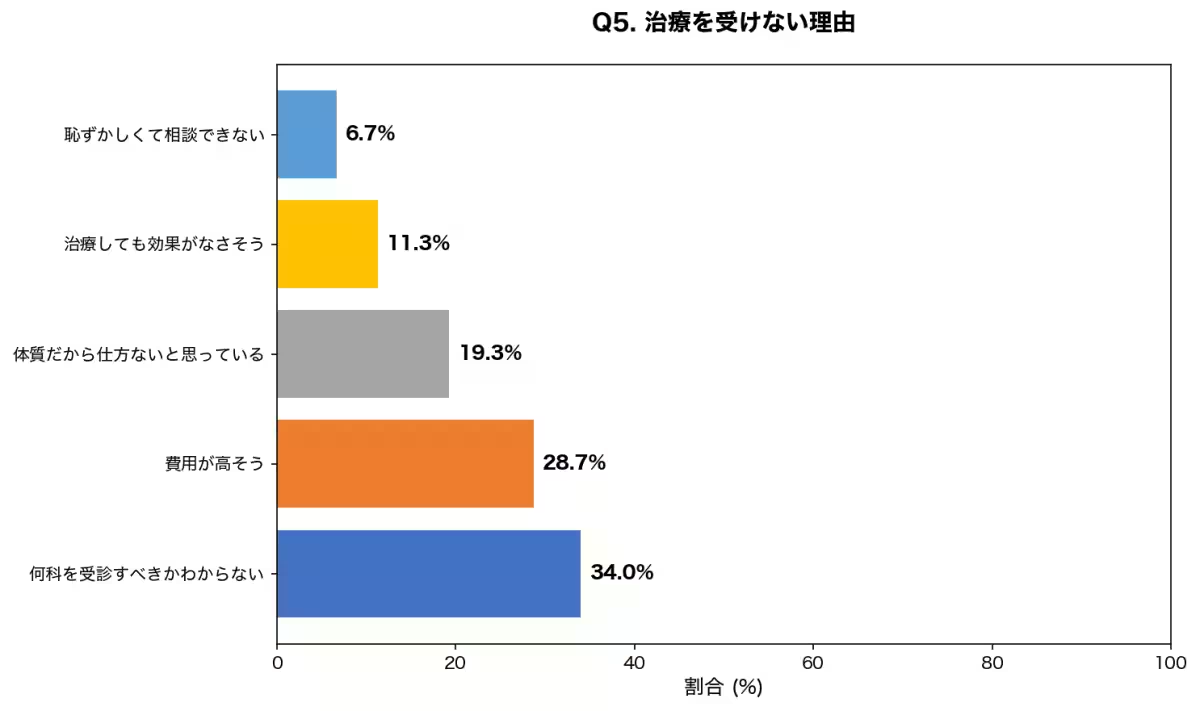
Despite the effectiveness of available treatments, the findings illuminate key barriers to seeking help. The most common reason respondents gave for not pursuing treatment was simply not knowing which medical specialty to consult, as 34% expressed uncertainty. This highlights a significant gap in public knowledge about hyperhidrosis and its treatment options.
Physician Insights
Dr. Kota Takakawa from IC Clinic commented on the study, emphasizing that hyperhidrosis is not just a condition to accept but one that requires appropriate diagnosis and treatment. He noted the importance of raising awareness, particularly in recognizing that dermatology or plastic surgery can provide effective solutions for symptoms that hinder everyday life.
He also suggested individuals suffering from hyperhidrosis should not hesitate to seek professional advice, as early treatment can vastly improve quality of life.
Conclusion
In conclusion, this survey reveals a critical need for increased awareness about the prevalence and treatment of hyperhidrosis. With over 72% of respondents reporting continued problems even during winter months and more than 70% unaware of their treatment options, efforts must be ramped up to educate the public. Hyperhidrosis can be effectively treated; it is crucial that those affected know they have options available to enhance their quality of life. Those who find day-to-day activities significantly impacted by sweating should consult a healthcare provider to explore appropriate treatment methods and regain control over their lives.
Topics Health)

【About Using Articles】
You can freely use the title and article content by linking to the page where the article is posted.
※ Images cannot be used.
【About Links】
Links are free to use.