



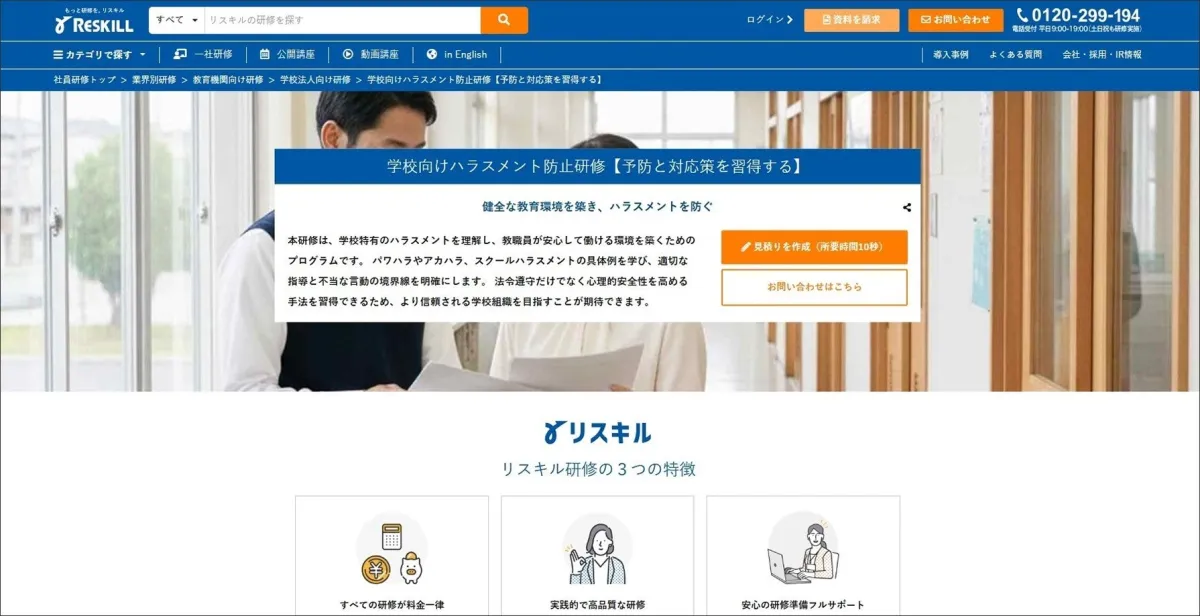
Enhancing Psychological Safety: Anti-Harassment Training for Schools
Enhancing Psychological Safety in Educational Settings
In recent years, educational institutions have faced increasing scrutiny regarding harassment. To address various forms of harassment, such as power harassment and academic or school harassment, risk management and prevention are of utmost importance. To help foster a secure environment where educators can concentrate on their teaching without fear, Riskil has launched specialized anti-harassment training tailored for schools.
Background of the Anti-Harassment Training
The necessity of such training arises from societal pressure on educational organizations to adhere to stricter anti-harassment standards. It is crucial for educational staff, including teachers and administrators, to distinguish between enthusiastic instruction and inappropriate behavior. This training aims to equip educators with a comprehensive understanding of harassment and the tools necessary for prevention and intervention.
Objectives and Structure of the Training
The anti-harassment training program is designed to impart both theoretical and practical knowledge about harassment in schools. It targets all personnel within educational institutions, ensuring that understanding and adherence to anti-harassment protocols are universal.
Key Outcomes of the Training
Participants will be able to:
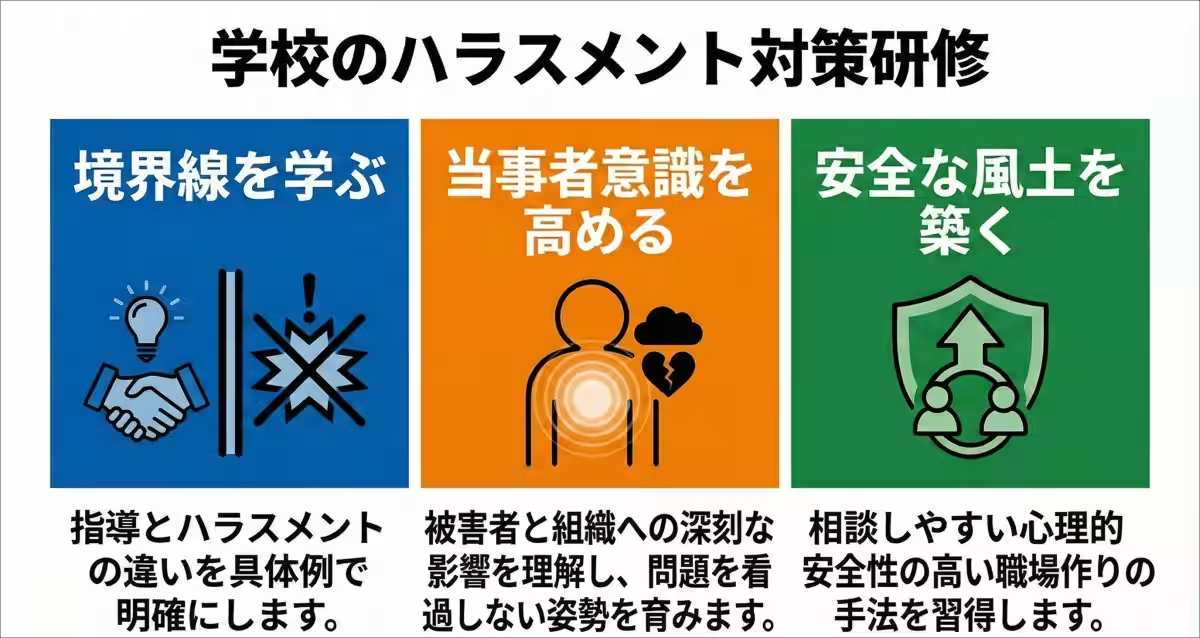
- - Comprehend the definitions of various forms of harassment, clarifying boundaries concerning inappropriate behavior.
- - Enhance psychological safety within their organizational structure, fostering an environment conducive to open discussion and reporting of incidents.
- - Recognize the grave repercussions harassment can have on victims and the organization as a whole, developing a stronger sense of accountability.
Specialized Focus on Unique School Harassments
The training systematically identifies forms of harassment specific to educational settings, such as academic harassment and school-related harassment. By doing so, participants learn to distinguish clearly between genuine pedagogical authority and harassment.
Implementation of Actions to Increase Psychological Safety
Training includes practical actions educators can take to avoid being bystanders and create environments where students and staff feel free to discuss issues openly. This aspect emphasizes the role of managerial staff and the behaviors that can foster such an environment.
Case Study and Practical Approaches
Using recent examples from the field, participants engage in case studies and workshops that illuminate real-life situations, preparing them to prevent any similar issues by fostering personal responsibility and proactive approaches.
Training Curriculum Overview
The training is divided into three chapters, each addressing crucial elements of harassment prevention:
Chapter 1: Basics of Harassment in Schools
- - Defining harassment and understanding the importance of prevention
- - Exploring common types of harassment that may occur in educational settings
- - Investigating the impact on victims, offenders, and the organization at large
Chapter 2: Specific Content and Attention on Harassment
- - Dissecting the six types of power harassment and examples found in education
- - Distinguishing between proper guidance and harassment in school contexts
- - Using judgment exercises to solidify understanding
Chapter 3: Actions for Preventing Harassment
- - Encouraging individual staff to recognize daily communication guidelines
- - Creating environments that support psychological safety
- - Outlining actionable steps for leadership on managing this aspect effectively
About Riskil Company
Riskil Company provides uniform pricing for business training services, including specialized anti-harassment programs tailored to various organizational needs. With no extra costs for customization or online delivery, they offer flexible training solutions that adapt to the unique challenges each school may face.
By engaging in this training, schools can build stronger, more supportive communities that prioritize the well-being of both students and staff, ultimately fostering a safe and productive learning environment.
Topics Other)
【About Using Articles】
You can freely use the title and article content by linking to the page where the article is posted.
※ Images cannot be used.
【About Links】
Links are free to use.