



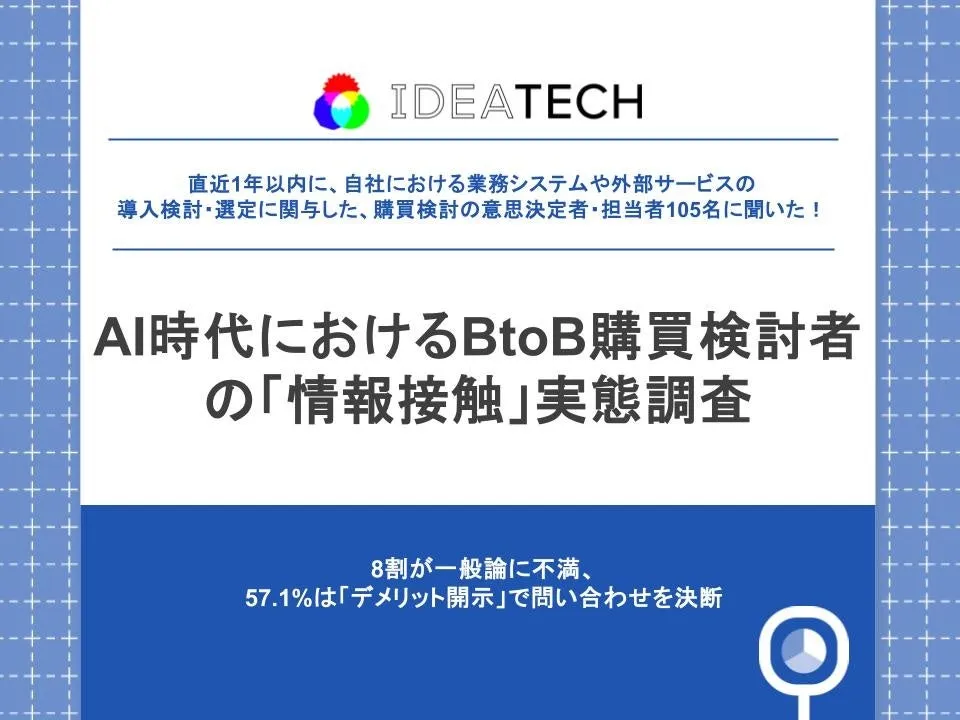
Uncovering B2B Purchasing Behavior in the Age of AI: Insights and Strategies
Uncovering B2B Purchasing Behavior in the Age of AI
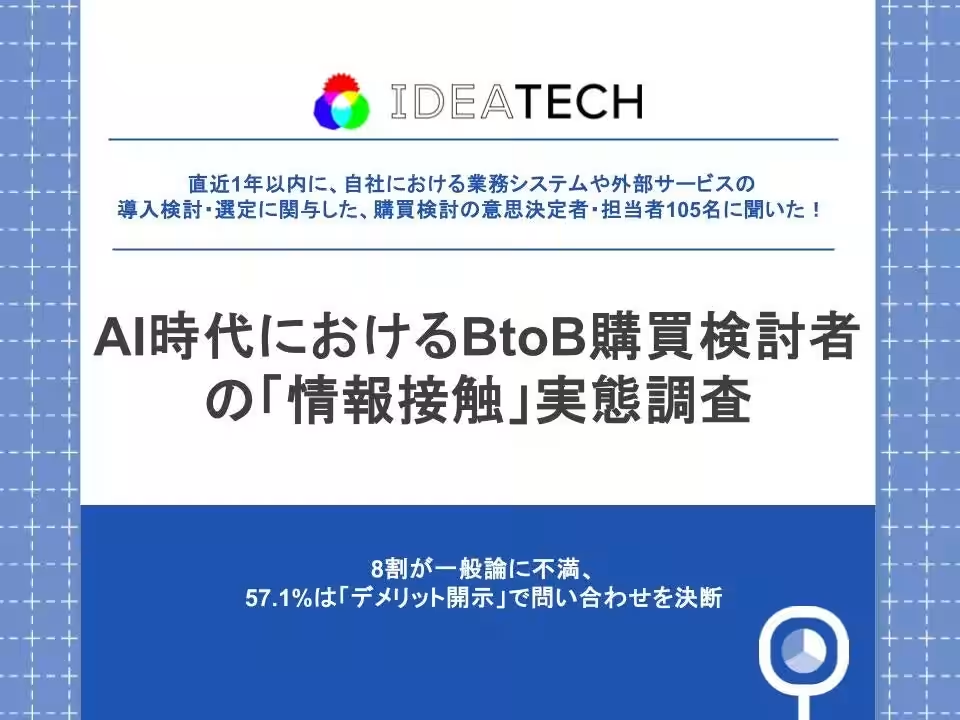
A recent study conducted by IDEATECH has shed light on the real dynamics behind B2B purchasing decisions in this age of AI. The survey targeted 105 decision-makers involved in evaluating and selecting business systems and external services within the past year. The findings reveal compelling insights that can help businesses refine their strategies in engaging potential clients.
Key Findings
The General Sentiment
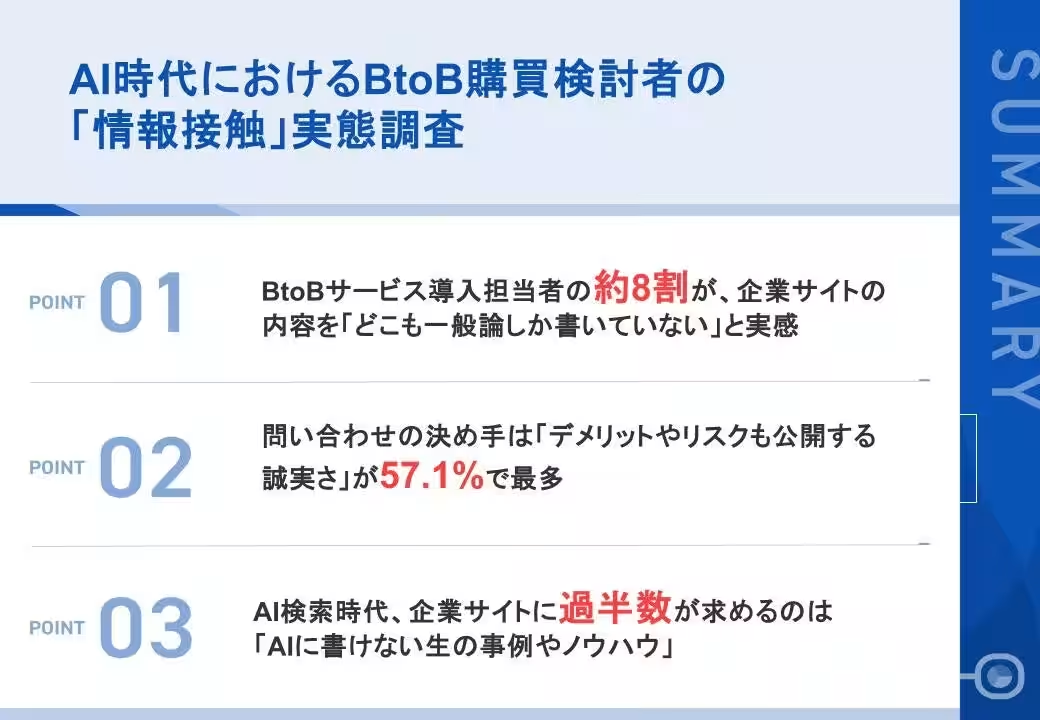
Approximately 80% of respondents expressed that the content on company websites is often generic and uninformative. They feel that most sites only present broad statements rather than practical insights. This is significant because it indicates a strong demand for more detailed and specific content.
The Importance of Transparency
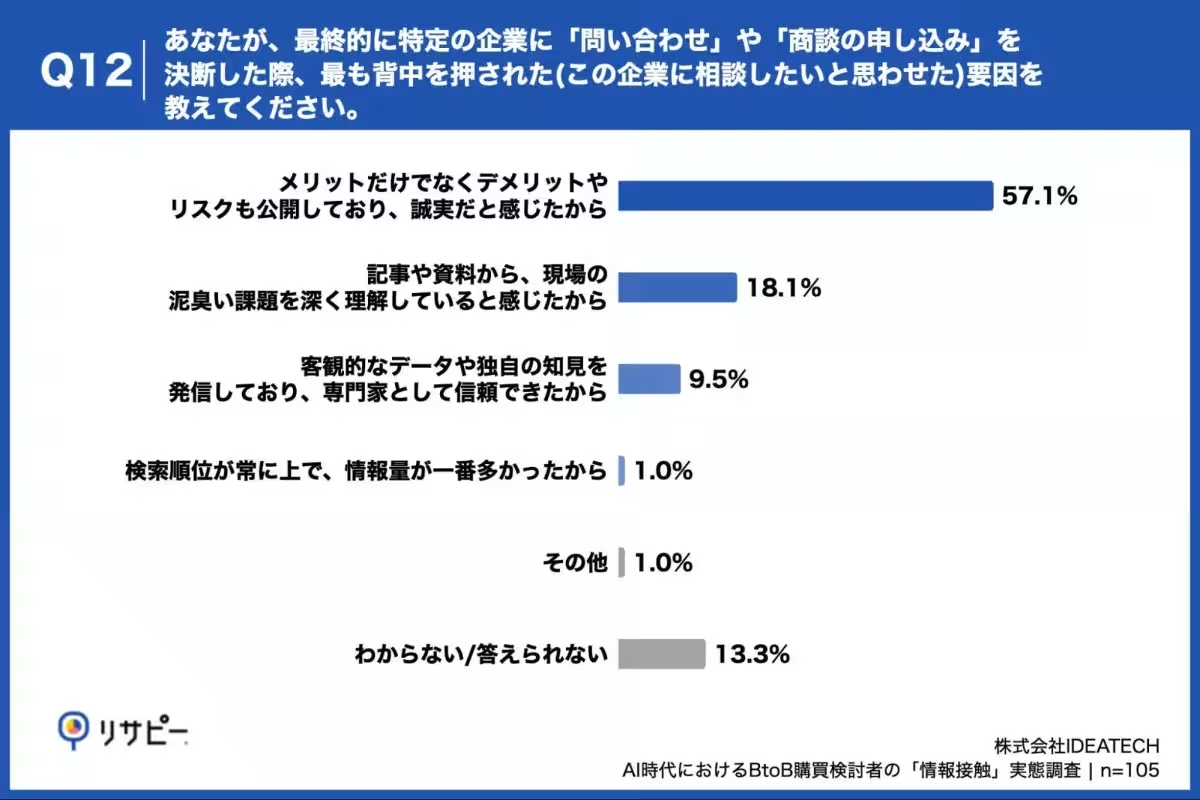
The survey also revealed that 57.1% of participants prioritize transparency when making inquiries. This group seeks openness about potential downsides and risks associated with products or services. They are inclined to connect with businesses that demonstrate honesty by discussing both benefits and limitations.
Value of Real-World Examples
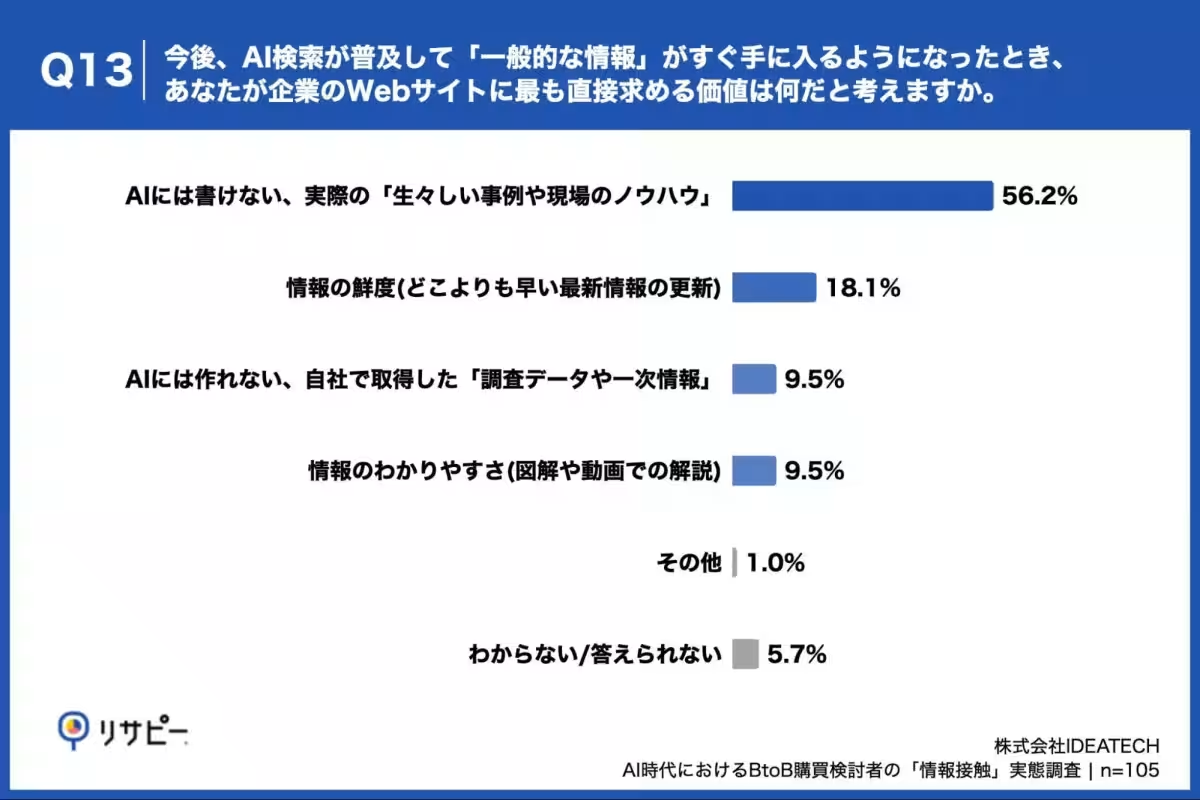
In this AI-driven era, the expectation from corporate websites has changed drastically. Over 56% of respondents indicated that they prefer to see vivid real-world examples and practical knowledge that AI cannot generate. This suggests that just providing standard information isn't enough anymore. Companies are encouraged to share genuine case studies of their services in action.
Detailed Survey Insights
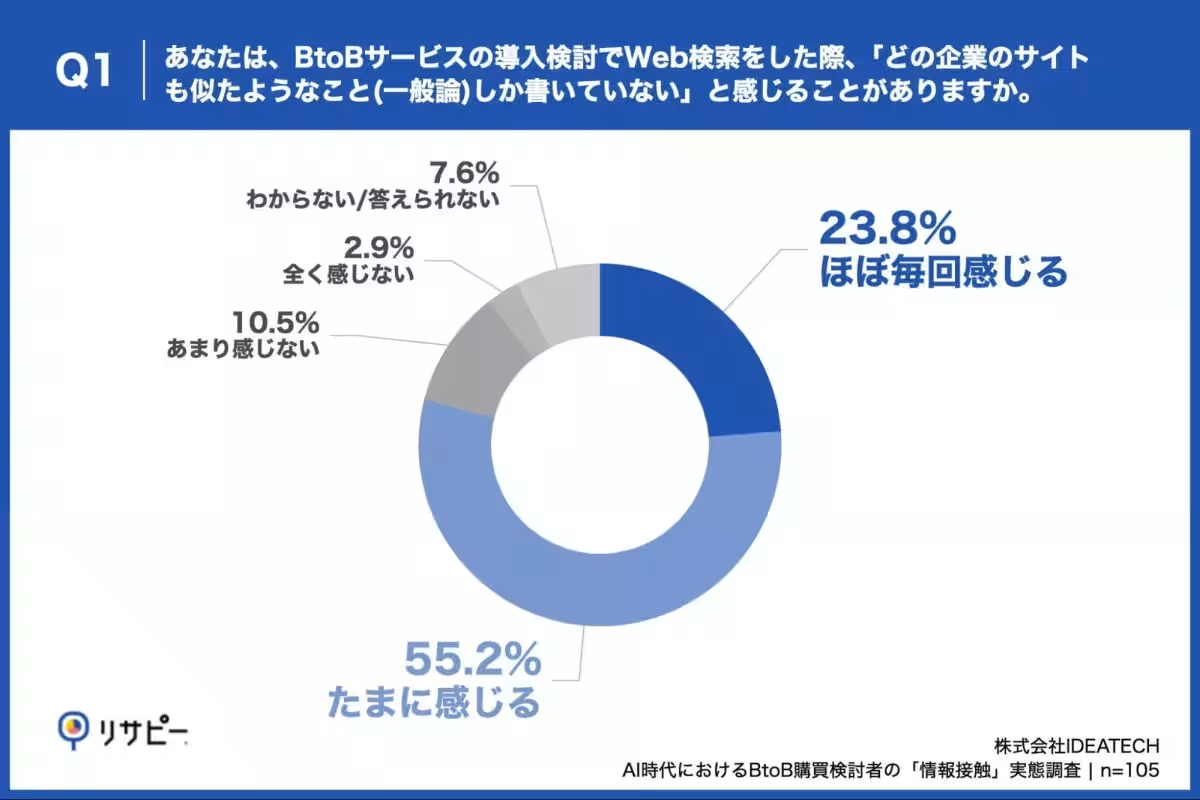
1. Generic Content Issue: When asked about their experience with company websites, 23.8% reported feeling that generic content is a constant issue, while 55.2% said they feel this occasionally. This calls for a shift in content strategies to meet the needs of potential customers seeking more substantive information.
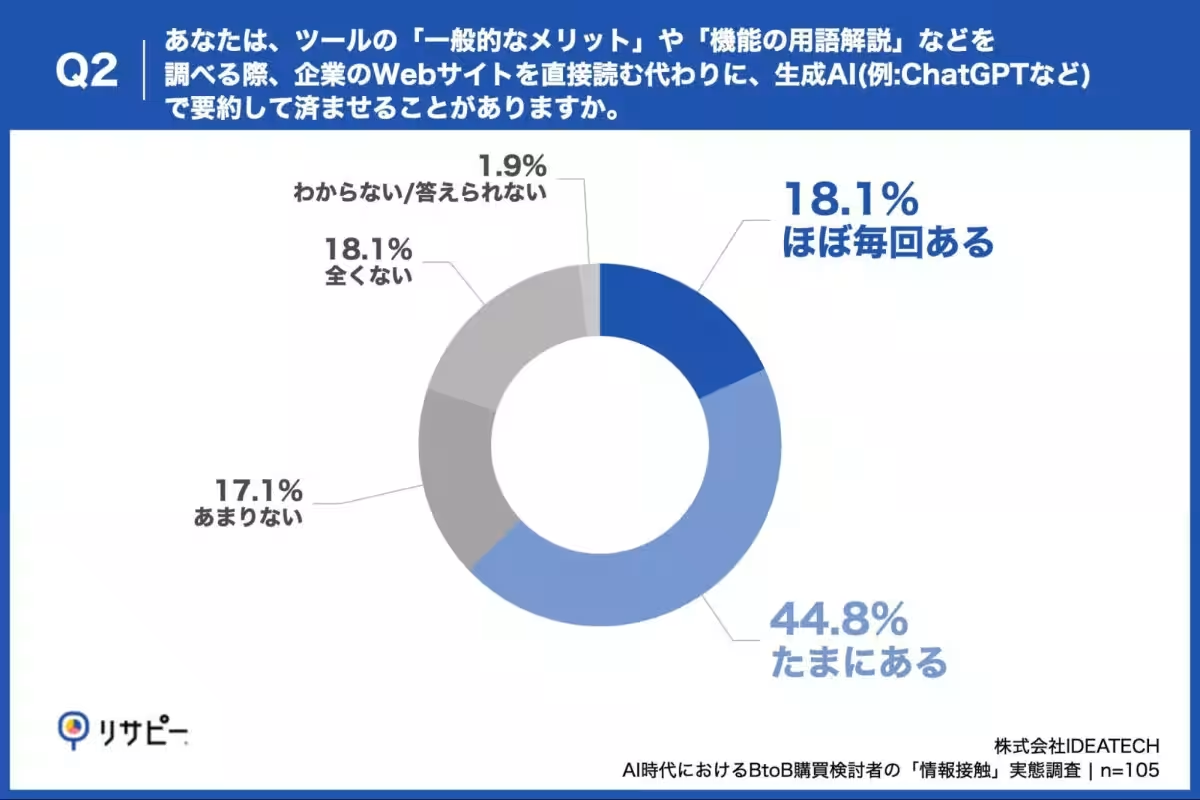
2. Use of AI in Research: With the advent of AI tools, 62.9% of the respondents admitted to using AI to summarize general benefits and explanations rather than consulting company websites directly. This shows a clear trend towards reliance on AI for initial information gathering.
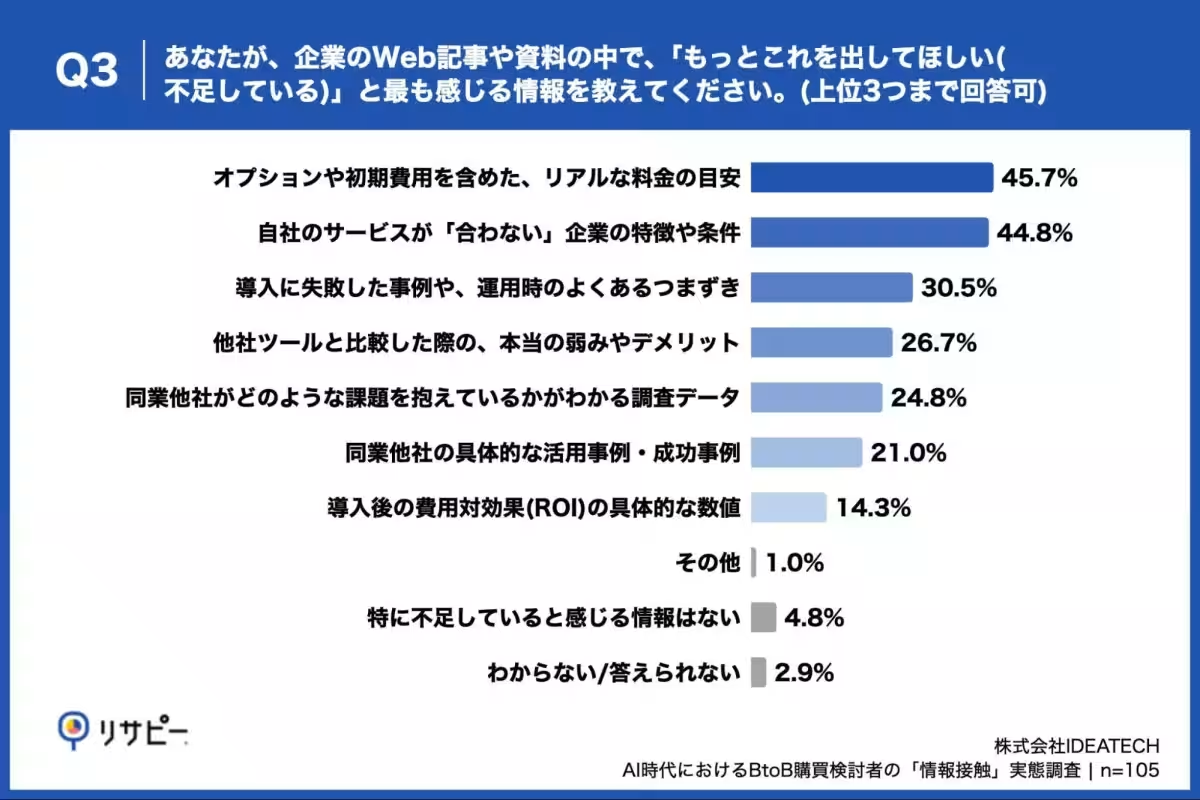
3. Desired Information: Respondents highlighted important information they feel is missing from corporate communications: 45.7% are looking for realistic pricing guidelines, and 44.8% want to understand the characteristics of industries that may not fit well with the offered services. This indicates a desire for a more tailored approach in communication.
4. Expectations from Content: Alongside an emphasis on transparency, buyers are looking for case studies that illustrate both successful and unsuccessful implementations of services, with 30.5% indicating this is vital information they expect.
Building Trust through Realistic Insights
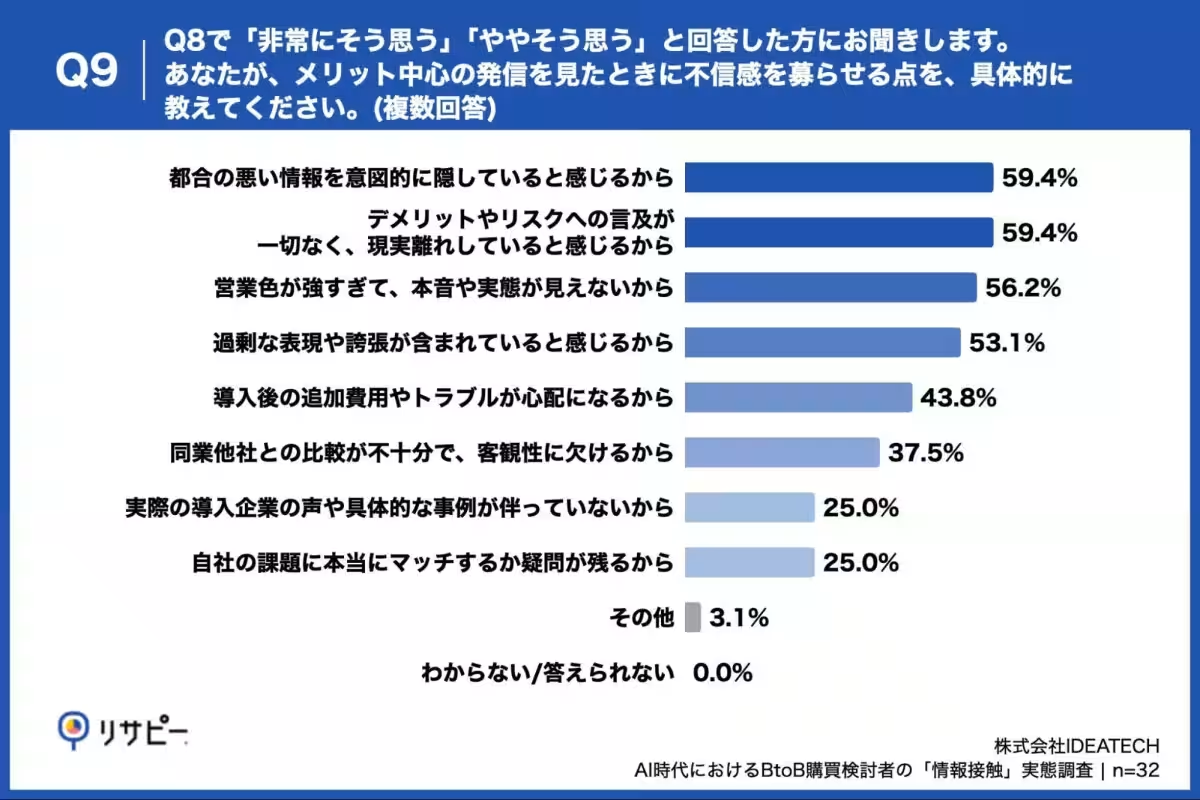
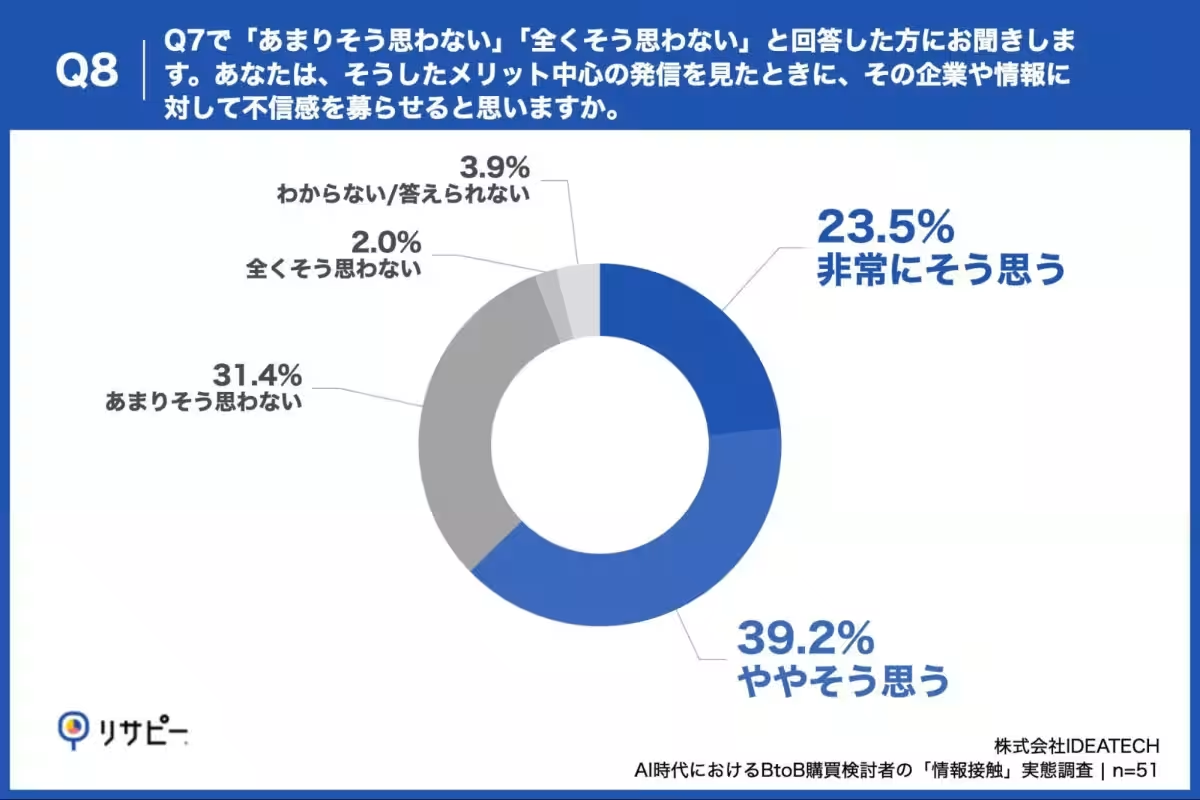
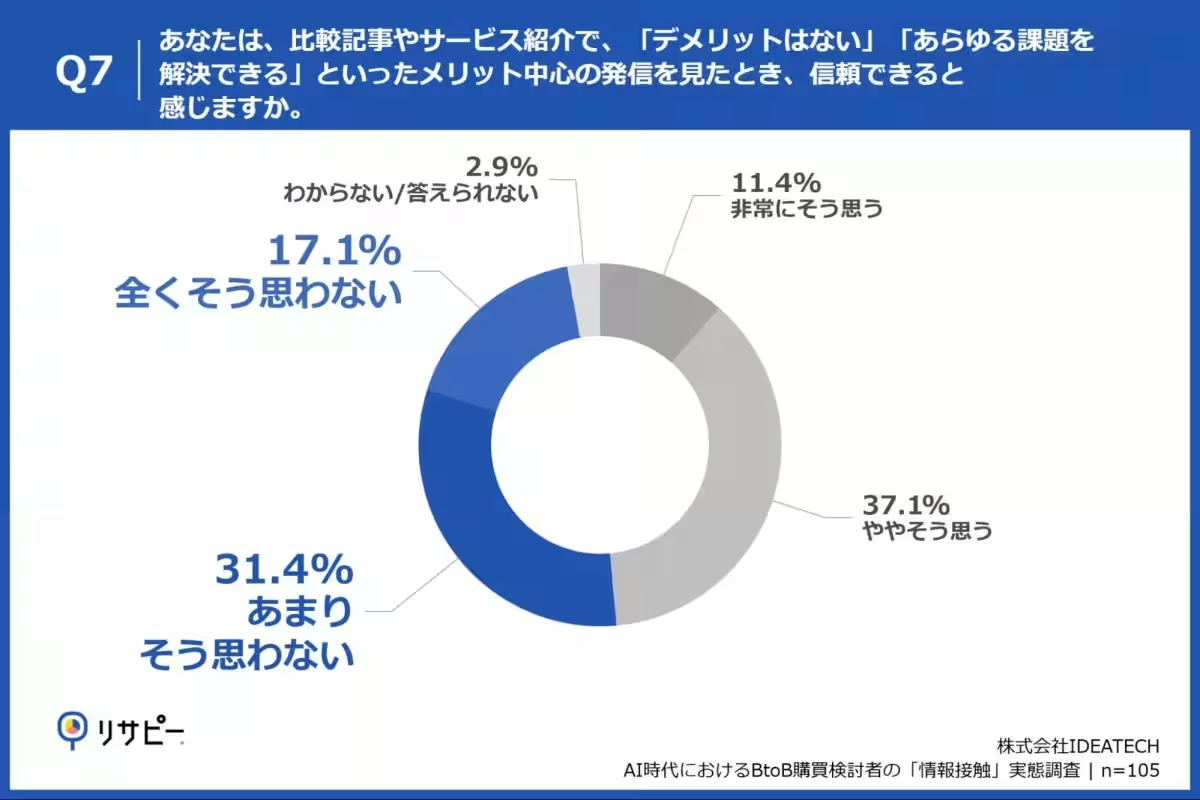
The results reveal a need for B2B companies to establish trust through genuine insights and a deeper understanding of their clients’ challenges. A staggering 48.5% of decision-makers expressed distrust toward solely positive claims regarding services, which creates an opportunity for businesses to differentiate themselves by sharing more nuanced perspectives on their offerings.
The Shift Toward Transparency
Companies can improve their outreach strategies by focusing on areas that build credibility. The desire for explicit disclosures about risks indicates a shift in buyer behavior. Businesses that cultivate trust through honesty about their offerings and potential risks may find themselves favored in purchasing choices.
Conclusion
The study illustrates the pressing need for B2B businesses to adapt to the changing landscape created by AI and evolving customer expectations. Companies should pivot from merely showcasing benefits to offering comprehensive, transparent information that addresses both strengths and limitations. This approach will not only enhance customer trust but also establish stronger connections with potential business partners. As AI tools continue to reshape information discovery, sharing unique insights and methodologies will become crucial in differentiating a company from competitors.
The demand for authentic, detailed information illustrates a significant opportunity for companies willing to break away from traditional marketing narratives. By embracing transparency and providing rich, illustrative examples, businesses can position themselves as credible partners in a highly competitive marketplace.
For more insights, download the full survey report here.
Topics Business Technology)
【About Using Articles】
You can freely use the title and article content by linking to the page where the article is posted.
※ Images cannot be used.
【About Links】
Links are free to use.