



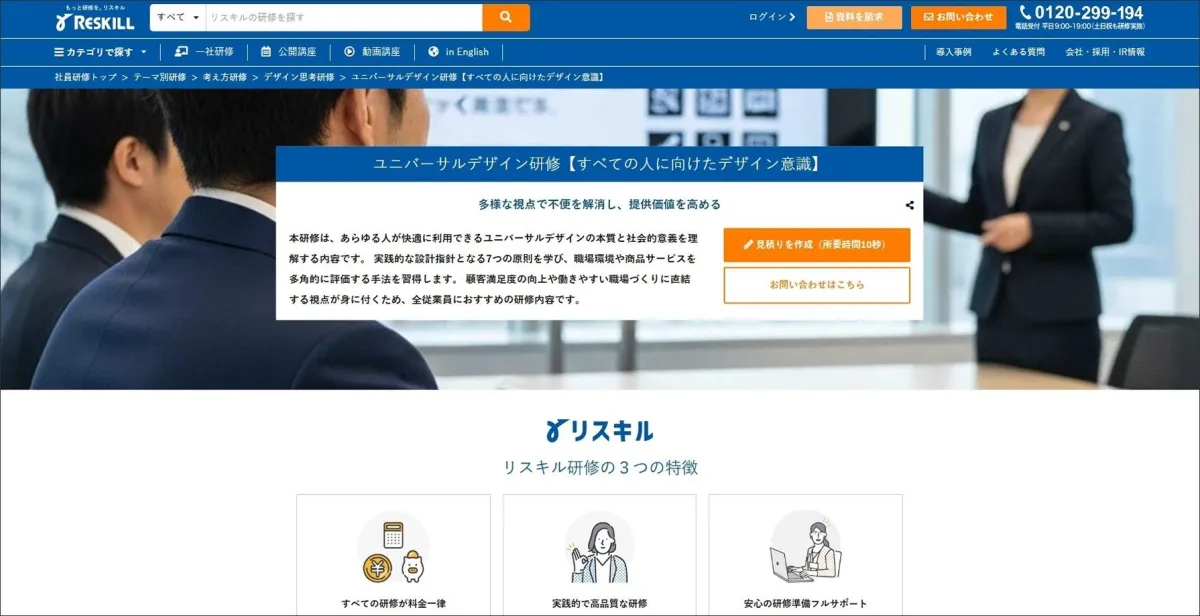
Universal Design Training: Making Workplaces Accessible for All
Universal Design Training: A Pathway to Inclusivity
In today’s increasingly diverse world, organizations are recognizing the necessity of creating environments that are accessible to everyone, regardless of age, gender, or disability. One of the emerging trends facilitating this shift is the implementation of Universal Design Training. Offered by Riskill Inc., this training program equips employees with the essential skills to design products and services that cater to a wide array of individuals.
Understanding Universal Design Principles
The foundation of the Universal Design Training lies in fostering an understanding of seven key principles that promote inclusive design. These principles emphasize fairness, intuitive use, safety, and the elimination of barriers in communication and physical spaces. By applying these guidelines, companies can not only enhance customer satisfaction but also create workplaces where diverse talents can thrive.
Training Highlights
The training is tailored for all levels of employees—from new hires to management—and focuses on the practical application of universal design within the workplace. Participants will engage in activities where they can identify challenges in their current environments and develop actionable improvement strategies. Key features of the training include:
1. Defining Universal Design
- Deep exploration of the societal significance of universal design and understanding its impact from the perspectives of both users and providers.
- Case studies of successful applications of universal design to solidify learning.
2. Learning the Seven Principles
- An in-depth study of each principle, which guides equitable and user-friendly design.
- Practical work sessions where participants evaluate everyday products using the seven principles to enhance their understanding.
3. Application to Business and Services
- Strategies for applying universal design concepts to improve office environments and shared spaces.
- Workshops that address the accessibility of information and communication processes within the organization.
Enhancing Workplace Environment
Implementing universal design concepts is crucial not just for customer-facing products but also for improving the overall workplace environment. Responding to the needs of a diverse workforce and minimizing physical and informational barriers can significantly boost organizational productivity. As businesses strive for a fair and intuitive operational approach, the demand for design thinking rooted in universal principles becomes increasingly essential.
Riskill Inc.: Your Partner in Training
As a leading provider of diverse business training, Riskill Inc. has designed its universal design training to maximize educational opportunities through a transparent and straightforward pricing strategy. They offer full support from curriculum preparation to delivery, providing flexible training formats including in-person, online, and hybrid options to meet the unique needs of companies across Japan.
This commitment to accessibility in training reflects the broader trend of prioritizing diversity and inclusion in today’s corporate culture. By equipping employees with universal design skills, organizations are not only adhering to modern ethical standards but also setting themselves up for sustainable success.
Conclusion
The push for universal design is not merely a trend; it represents a profound shift in how we think about design and usability in the workplace. Organizations participating in this training can expect to see enhanced collaboration, increased innovation, and a robust workplace culture that values every individual’s contribution. In a world where diversity is the norm, ensuring everyone has a seat at the table is more important than ever.

Topics People & Culture)

【About Using Articles】
You can freely use the title and article content by linking to the page where the article is posted.
※ Images cannot be used.
【About Links】
Links are free to use.