



Survey Reveals Today's College Students Desire in Office Work Environment
Understanding College Student Work Preferences in 2026
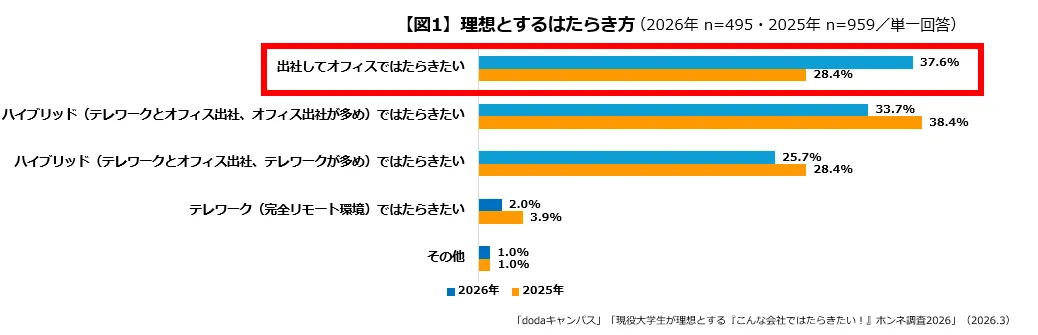
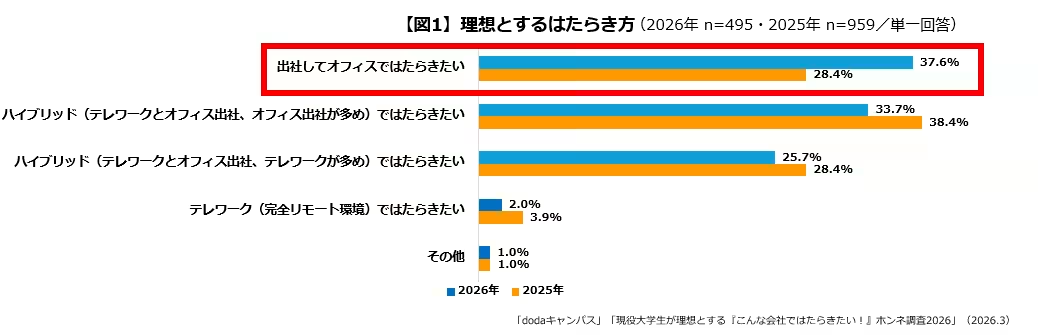
In an enlightening survey conducted by Benesse i-Career, a collaboration between Benesse Holdings and Persol Career, insights into the preferences of college students regarding their ideal work environments emerged. Targeting students in their second and third years of college, the survey revealed that a significant proportion—approximately 37.6%—expressed a strong preference for working in an office setting. This figure represents a notable increase of 9.2 percentage points from the previous year.
The survey results highlight the importance of direct communication and interpersonal interactions. Many students voiced that face-to-face engagement leads to smoother discussions, immediate learning from superiors, and building stronger relationships with colleagues. Furthermore, students noted that working in an office helps them separate their professional and personal lives, indicating a desire for a balanced work-life dynamic.
Insights on Overtime and Relocation
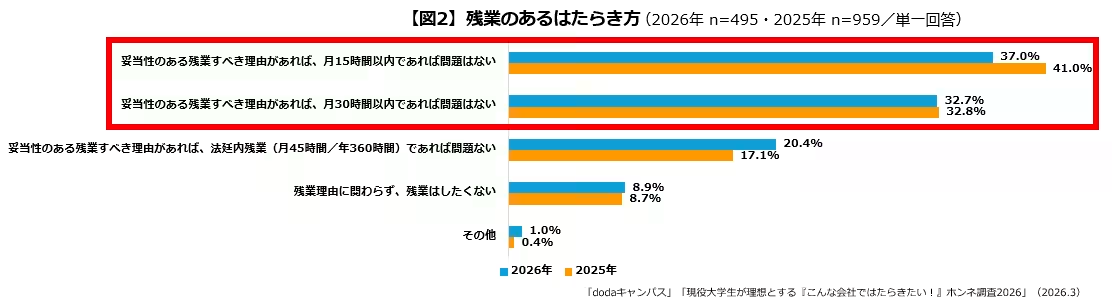
When it comes to overtime, 37% of students indicated they would accept up to 15 hours of overtime per month if justified. Simultaneously, 32.7% were amenable to overtime of up to 30 hours under similar conditions. However, about 8.9% of respondents expressed a firm desire to avoid overtime altogether, emphasizing the need for a reasonable workload.
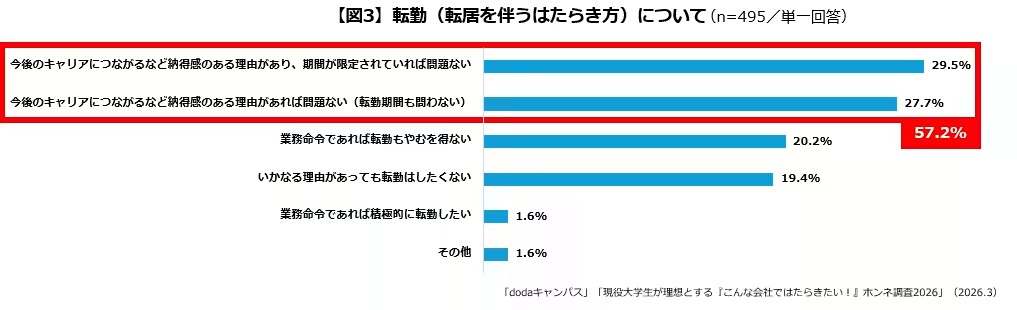
Relocation for work was another topic touched upon in the survey. In total, 57.2% of students stated they’d be open to moving if the reasoning aligned with career advancement, provided that the duration was clearly defined or justified. Conversely, around 19.4% firmly opposed any form of relocation regardless of the circumstances, pointing to a significant portion of the student body that regards job stability highly.
To avoid unwanted relocation, more than half (55.8%) of the respondents indicated a preference for negotiation with their employers rather than opting for resignation, suggesting a greater inclination toward open dialogue rather than immediate job changes.
Early Career Transition Considerations
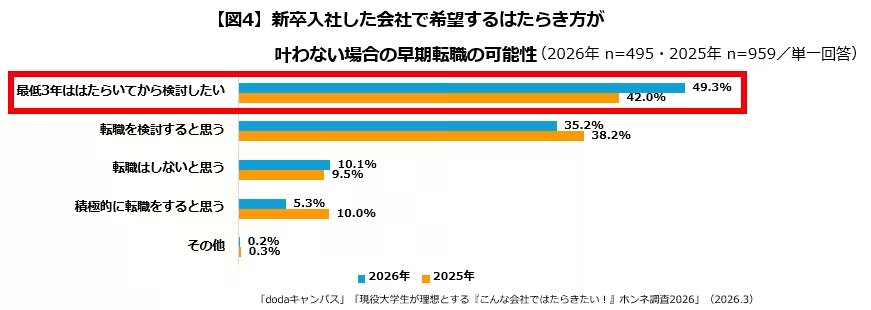
Regarding the potential for early job changes if their work preferences go unmet, nearly half (49.3%) declared they would prefer to work for at least three years before considering a switch. This reflects a careful and strategic approach toward career development. Despite some thinking they could become actively engaged in job searching (35.2%), the consensus appears to lean toward gaining solid experience before making major transitions.
Workplace Communication Preferences
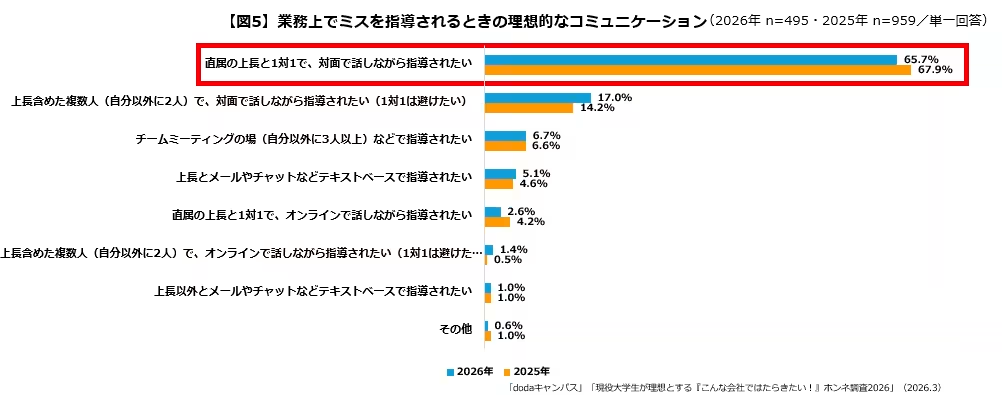
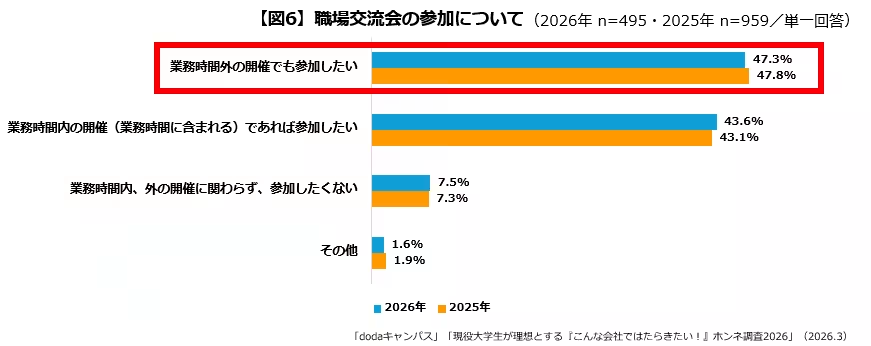
Interestingly, the survey results also delved into preferred communication styles in workplace settings. A substantial 65.7% of students expressed a desire for direct, face-to-face communication with supervisors, particularly when receiving constructive feedback for mistakes. Additionally, nearly half (47.3%) were willing to participate in workplace social events even if held outside of work hours, showcasing a preference for community building and networking among peers.
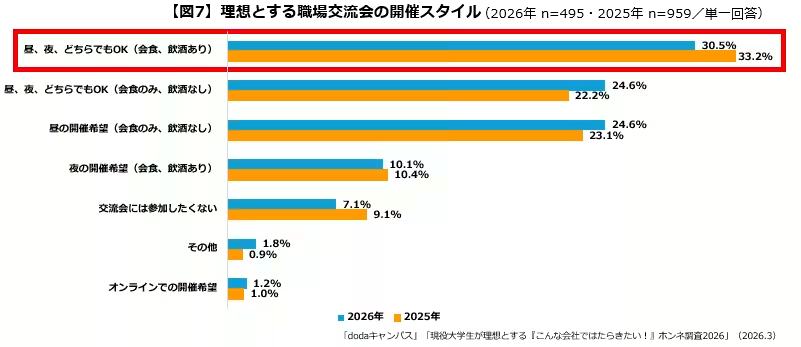
Students favor flexible options for workplace gatherings, with many expressing openness to events scheduled at any time of day, including meals and drinks. The data underscores an evolving sentiment among college students aiming to cultivate meaningful dialogue and understand their roles better as they transition to professional life.
Implications for Employers
As the landscape of work preferences among college students continues to diversify, it becomes increasingly important for employers to foster an environment that supports effective communication and collaboration. Companies should consider implementing strategies to enhance interaction and ensure that students feel valued within the workplace. Additionally, as students step into professional roles, encouraging a sense of ownership over their career paths—what is now referred to as “career ownership”—will become a critical factor in attracting and retaining top talent.
The findings from the doda Campus survey illustrate a blend of ambitions and expectations among the next generation of workers. As organizations adapt to these insights, they will play a vital role in shaping a workplace that resonates with the values and aspirations of today’s students. By doing so, they can help enhance the overall employability and satisfaction of future employees, contributing to a healthier, more productive workforce.

Topics People & Culture)
【About Using Articles】
You can freely use the title and article content by linking to the page where the article is posted.
※ Images cannot be used.
【About Links】
Links are free to use.