




Is the Desire for Management Positions Declining Among Young Workers in Japan?
The Changing Landscape of Management Aspirations in Japan
In a recent report published by Frog Co., Ltd., a Tokyo-based company specializing in job market analytics, alarming trends have been identified regarding the ambitions of the younger workforce in Japan. According to a survey orchestrated by the Japan Management Association Management Center, an astounding 77.3% of regular employees expressed that they do not wish to ascend to management positions. This finding calls into question the traditional aspirations towards leadership that many might assume to be inherent to the career-seeking youth.
Understanding the Reluctance
It appears that several factors contribute to this hesitance. Many young employees feel that the compensation offered for management roles does not justify the increased responsibilities that come with such positions. Additionally, some individuals believe that they may not be suited to handle higher management duties effectively. This perception is reshaping notions of professional success and what it means to be a leader in today’s corporate environment.
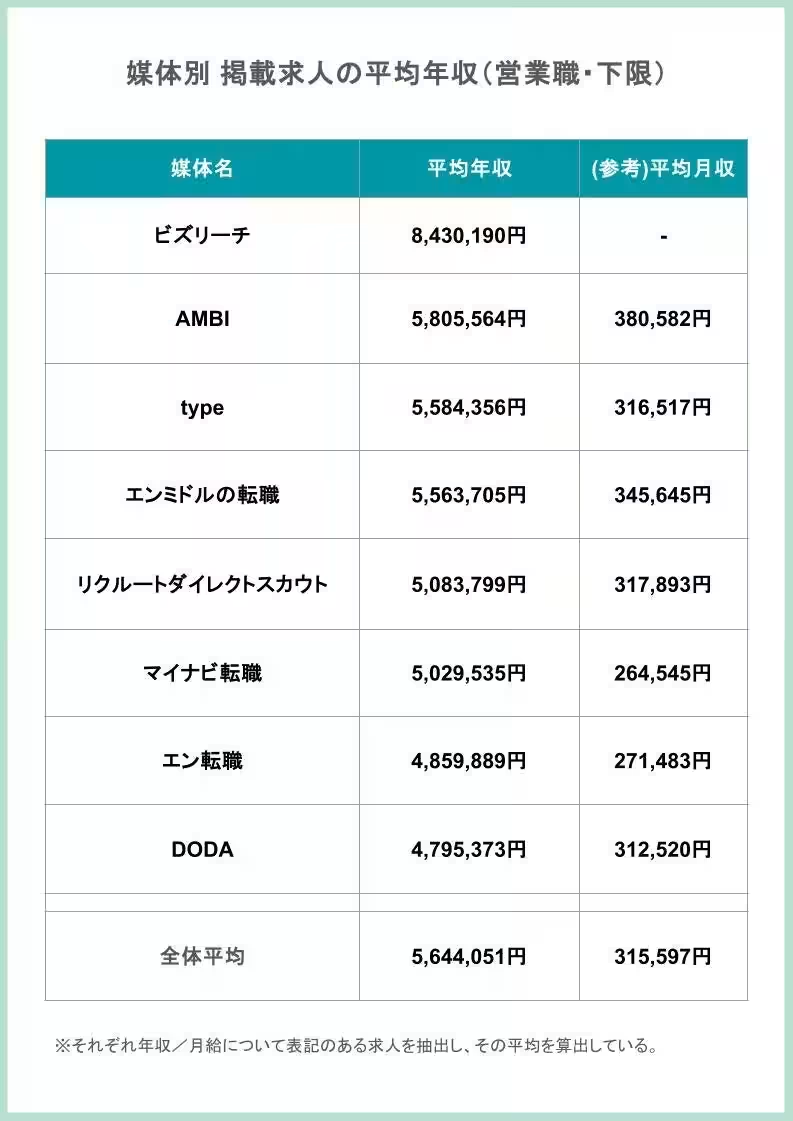
On the flip side, among those who do aspire to climb the corporate ladder, financial gain seems to be the primary motivator. Yet, how much can one expect to earn upon achieving a management position? Our analysis, derived from the extensive job market data maintained by Frog, particularly focusing on sales roles, seeks to shed light on the comparative management salaries across different levels.
Insights into Management Salaries
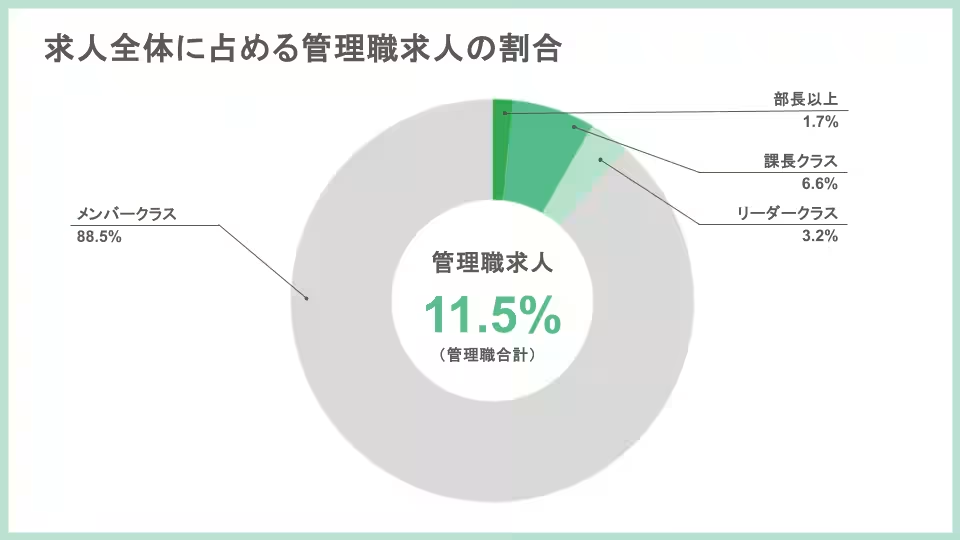
The report indicates that only about 11.5% of job postings in the sales sector are for management roles (specifically those at the leader level or higher), with the percentage dwindling even further to approximately 1.7% for senior positions such as department heads. Clearly, the inclination towards hiring operational staff rather than managerial personnel has intensified across various industries.
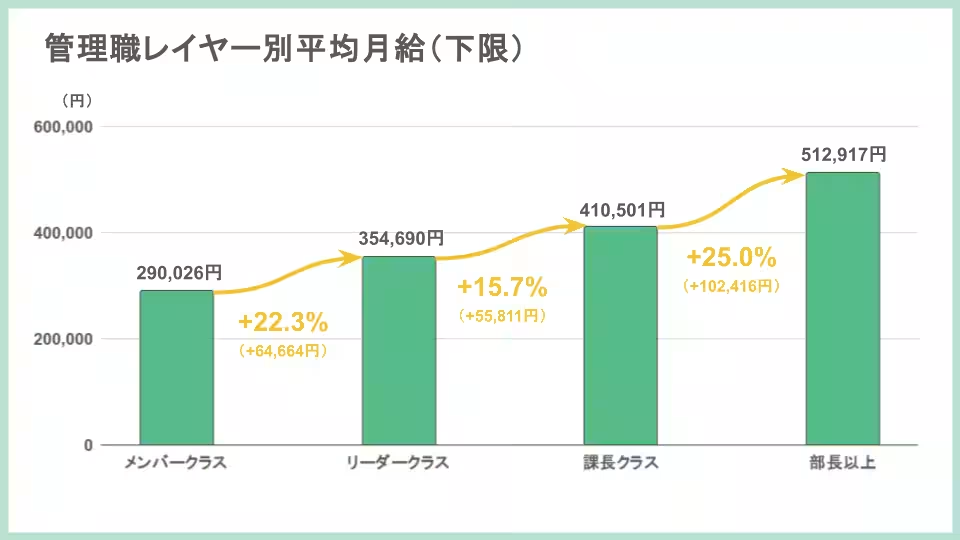
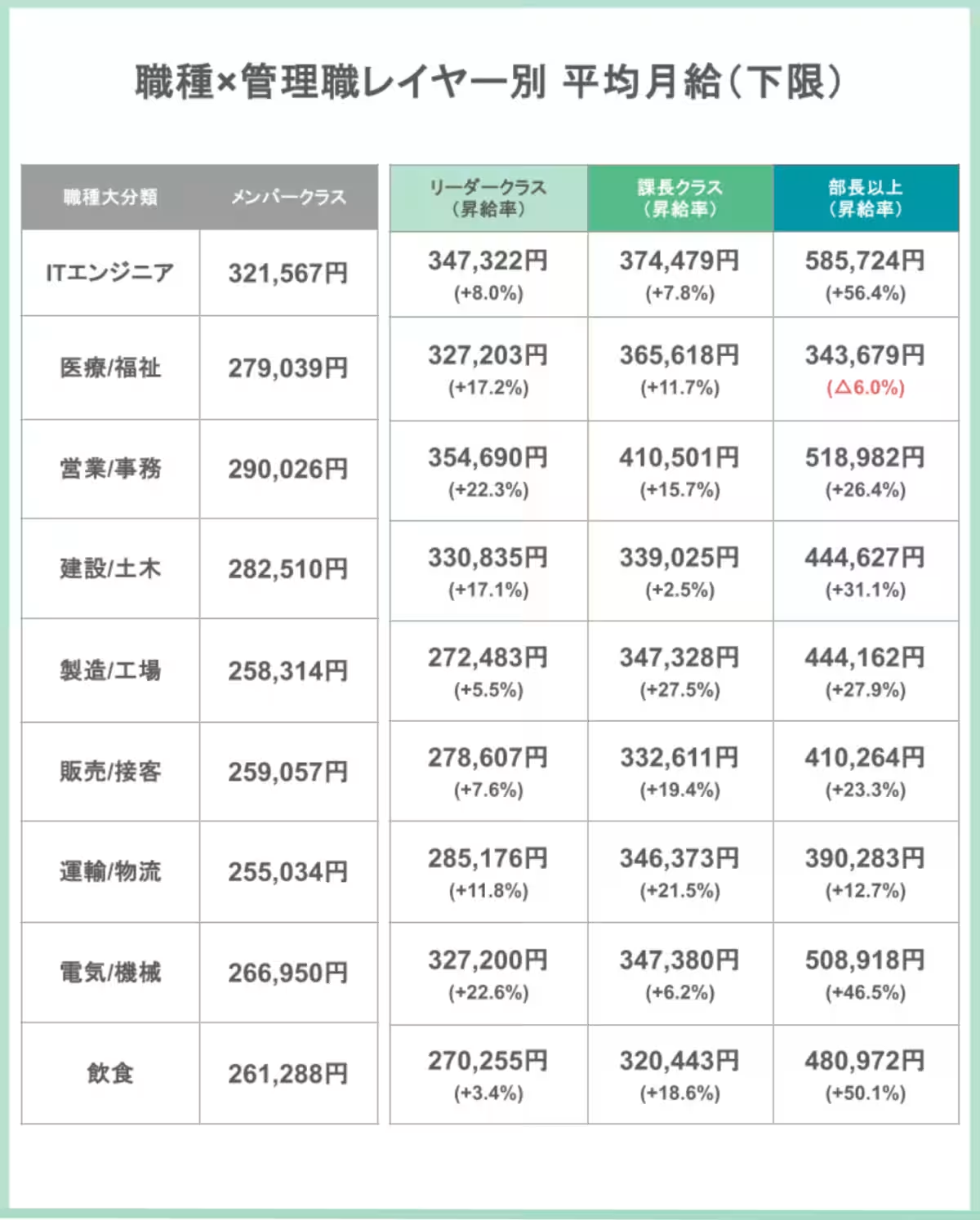
When examining salaries, we observe the following averages: for the leader level, the average monthly salary stands at 355,000 yen, while it is 411,000 yen for the section chief level, and soaring to 513,000 yen for those in director positions. Analyzing these figures reveals a consistent upward trend in compensation with ascending roles. However, it's worth noting that the increments in salary do not proportionally reflect the levels of responsibility taken on at each grade. For example, when one transitions from a leader to a section chief, the pay increment is just 15.7%—a figure considered lukewarm compared to the increased duties expected of them.
Additionally, for middle management positions within the IT sector, the salary increase when moving to the director level jumps dramatically, landing at 56.4%, highlighting a steep wage disparity between various sectors and roles.
Where Do the Numbers Stand?
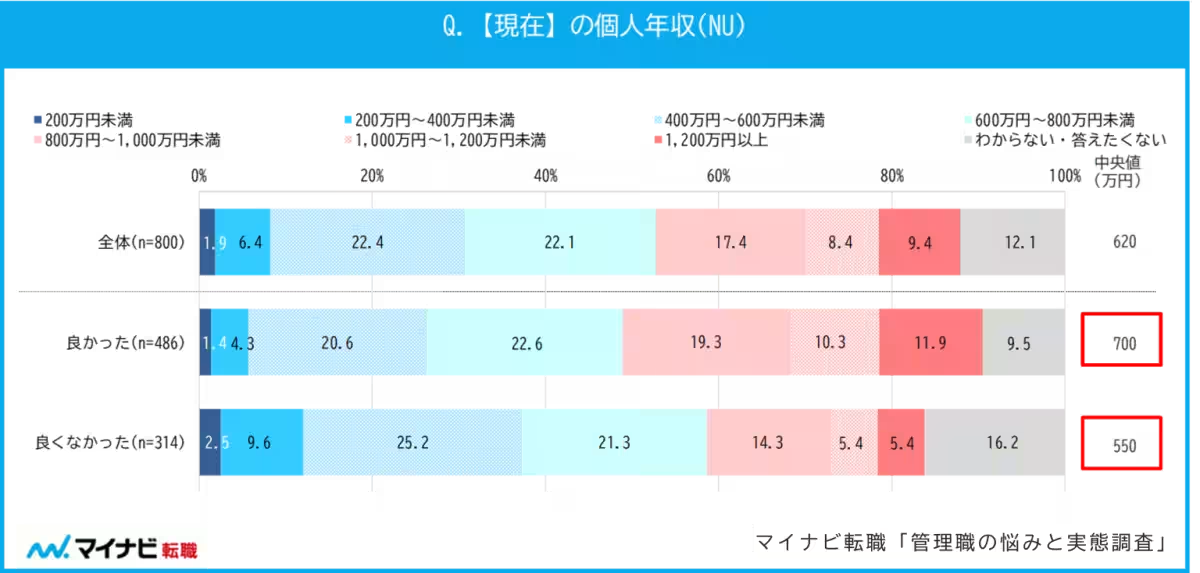
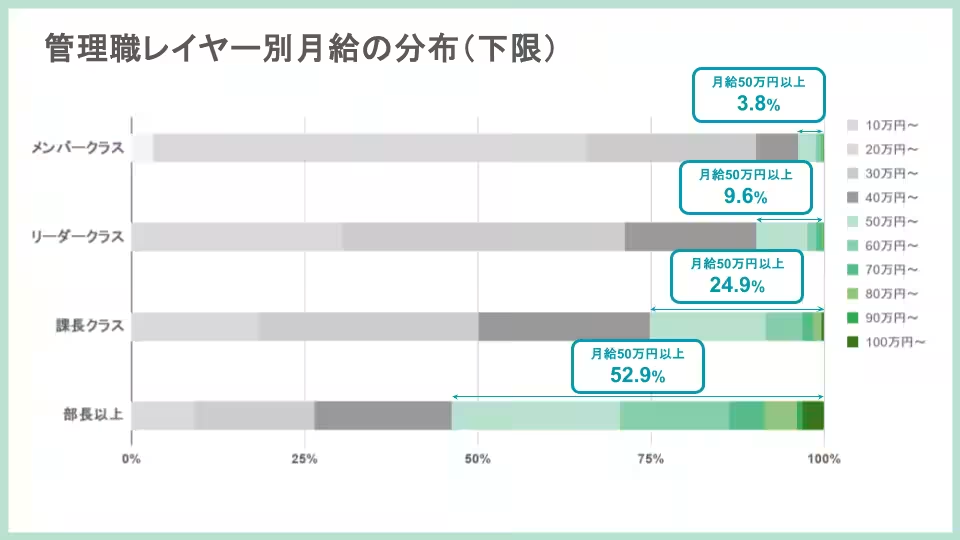
Drilling down into the specifics of salaries within these roles, it has become evident that achieving an annual income of 7 million yen is largely restricted at the section head level, where only about 24.9% of roles reach this threshold. The director level, however, showcases a more promising figure with 52.9% of job listings offering salaries of this caliber.
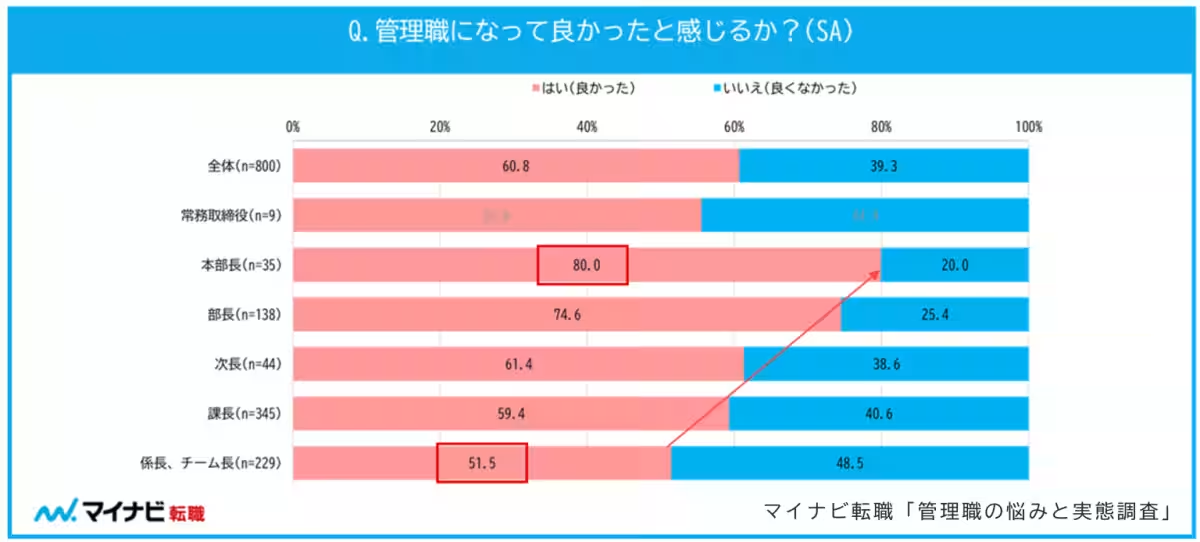
The dissatisfaction among leaders and section chiefs regarding their salary often stems from the burgeoning workloads and responsibilities without commensurate financial recognition. Notably, half of the respondents in a survey by Mynavi regarding job satisfaction among leaders indicated that they questioned the value of becoming managers, while more than 70% of managers at the director level reported satisfaction with their decision to pursue management.
This discrepancy underlines a crucial turning point; not only must companies cultivate environments that underscore the benefits of pursuing managerial paths, but they must also evaluate their compensation structures to align with the increasing demands placed on management roles.
Future Considerations
In an evolving job landscape, companies that wish to attract and retain management candidates must devise strategies that create a resonant narrative around the value of management roles. Enhancing the compensation and support systems for junior managerial positions could very much be the key to revitalizing interest among the younger workforce. Moreover, organizations should critically assess the staffing strategy that prioritizes managerial roles to reflect current market trends more accurately.
As we analyze trends, it appears that the distinction in satisfaction based on role elevation can be stark—a reality anything but lost on today’s workforce. The evolution of work demands an equally evolving approach to management compensation, satisfactions, and lifestyle. It's evident that the future of management may require innovative adaptations to meet the ever-changing needs of the workforce.


Topics Business Technology)
【About Using Articles】
You can freely use the title and article content by linking to the page where the article is posted.
※ Images cannot be used.
【About Links】
Links are free to use.