



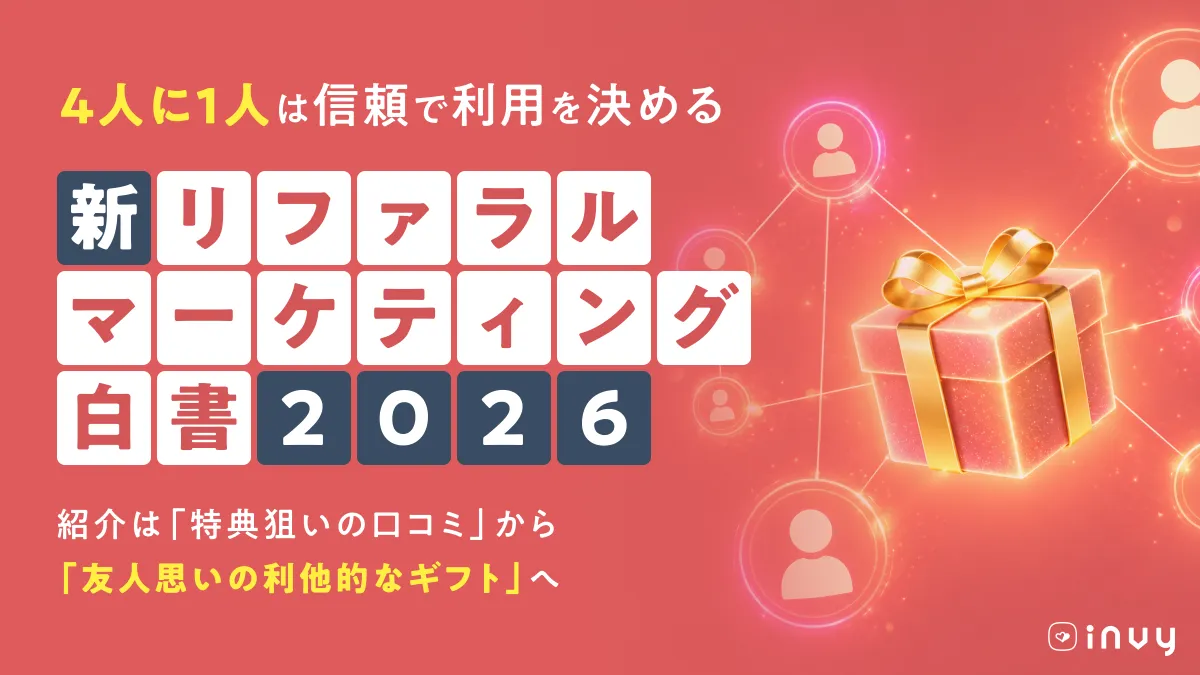
The Evolution of Referral Marketing Strategies in 2026: Insights from invy's Latest White Paper
The Evolution of Referral Marketing Strategies in 2026
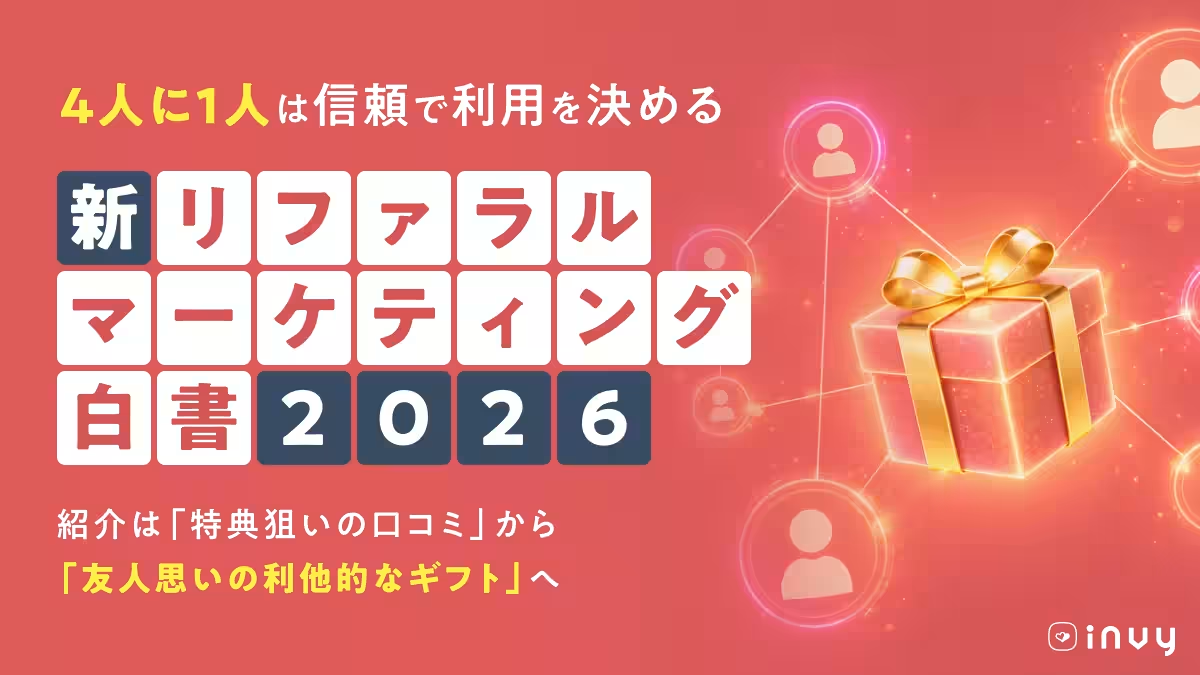
As the marketing landscape continues to shift, the way consumers make referrals is evolving dramatically. Invy, a referral marketing cloud service provided by Creative Hope Co., Ltd., has published a white paper titled "Referral Marketing White Paper 2026". This document summarizes the findings of a survey conducted on the referral behaviors of 360 males and females aged 20 to 60 across Japan, offering valuable insights into the current trends and strategies in referral marketing.
Overview of the New Referral Marketing Era
The rise of cookie regulation and skyrocketing advertising costs are major challenges that companies face today, impeding business growth. To navigate these concerns, there's a pressing need for businesses to shift from traditional referral marketing campaigns targeting new customer acquisition to a data-driven strategy focused on building trusting relationships with existing customers through Customer Relationship Management (CRM).
The white paper presents data-driven insights into the changing nature of referrals, revealing that the mindset has transitioned from mass distribution of information to prioritizing the relevance and matching of referrals. This nuanced understanding of consumer behavior can provide businesses with a competitive edge as they adapt their referral strategies.
Key Survey Findings
The Decline in General Referral Experiences
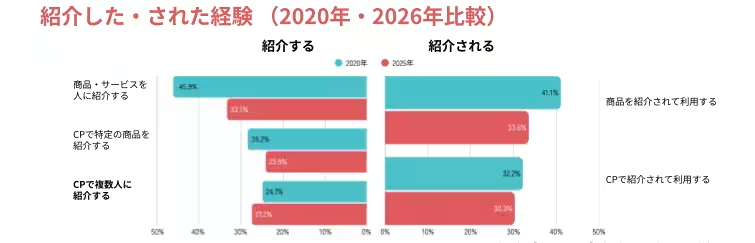
Between 2020 and 2026, the general experience of recommending products and services has decreased from 45.9% to 33.1%. Conversely, there has been a slight rise among enthusiastic individuals who utilize campaigns to refer multiple people, increasing to 27.2%. This trend indicates that today’s digitally savvy consumers are more focused on delivering tailored information rather than broadcasting indiscriminately.
Trust Over Incentives
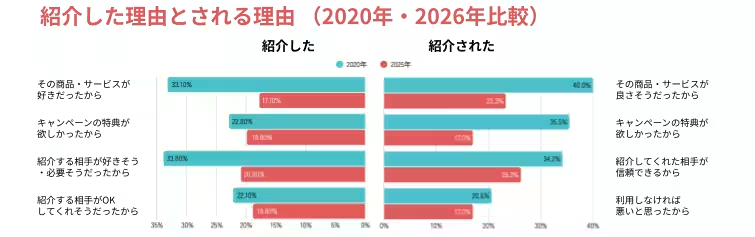
The survey revealed that the most significant motivator for trying out a referred service is the trustworthiness of the referrer, with 26.2% of respondents citing this as their primary reason. In a world overflowing with information from social media and influencers, personal trust outweighs merely enticing offers or product specifications. This critical insight suggests that businesses must foster genuine trust in their referral systems to succeed.
The Psychological Barriers to Referrals
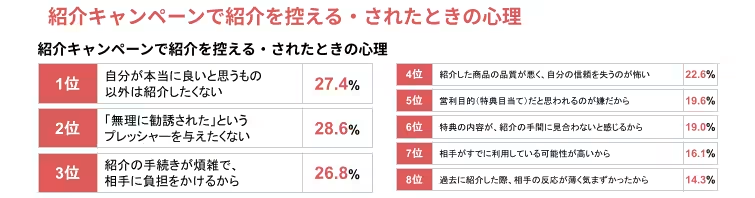
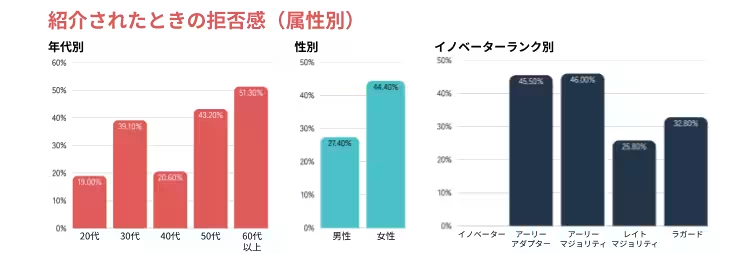
One of the major hurdles in referring is the fear of damaging one’s own credibility. A significant 27.4% of respondents expressed reluctance, stating they would only recommend services they genuinely believe in. Furthermore, highly informed groups showed a 100% concern regarding the risk of associating with low-quality products that could tarnish their trust. Additionally, older adults often hesitate to refer services due to the fear of inconveniencing others through complex referral processes, indicating a need for businesses to create frictionless referral experiences.
Innovators on the Rise
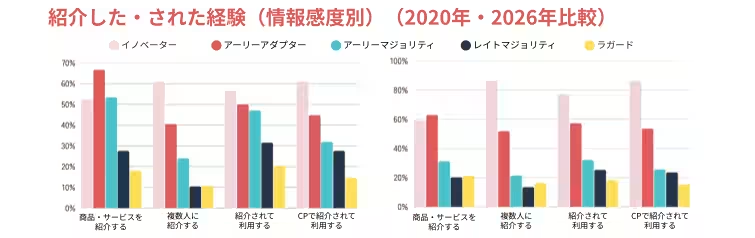
The study classified consumers using the "Innovator Theory", measuring the behaviors of early adopters. Notably, 86.4% of the Innovators reported having referred multiple people simultaneously, marking a significant increase of 25.5 points since 2020. These innovators see referrals not just as economically beneficial notifications, but as altruistic gifts that solve others' problems. Brands can leverage this to cultivate a base of high-value customers who contribute more than just sales, but serve as hidden assets.
Targeting Referral Preferences
Interestingly, the data also showed that female and senior demographics express a potent aversion to campaigns that transparently serve the referrer’s interests. A substantial 44.4% of women reported discomfort with the perception of being used for another’s gain. This underscores the necessity for businesses to design nuanced campaigns that balance altruistic and self-serving incentives, thus catering to the preferences of varying consumer segments.
Crafting the Future of Referral Marketing
As evident from the research outcomes, the success of modern referrals hinges on overcoming the psychological barriers of trust loss and the apprehension of burdening peers. To effectively implement referral marketing, companies must move away from a one-size-fits-all incentive plan, focusing instead on empathetic designs that prioritize the customer’s experience above all else.
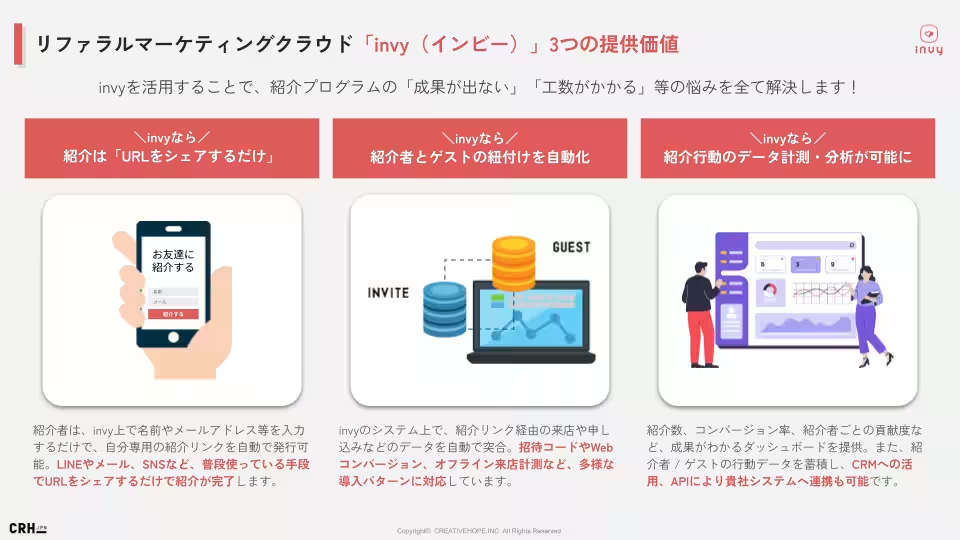
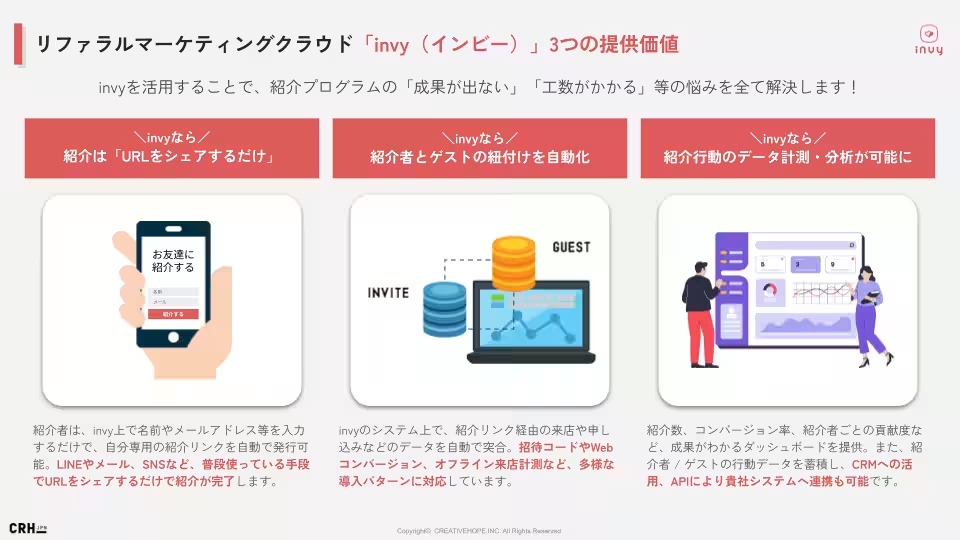
Invy’s referral marketing system incorporates these insights to offer seamless referral experiences while minimizing any operational burdens for users. This enables a smoother introduction of friends and fosters trust—essential components for a successful referral ecosystem. By continuously gathering and analyzing referral behavior data, invy empowers businesses to recognize loyal customers who contribute significantly to revenue but may otherwise remain undetected.
Conclusion
As the marketing realm progresses, so too must the strategies employed by brands. The latest findings from invy’s referral marketing studies signal a transforming landscape where connections built on trust and genuine support are the new currency of growth. By aligning with these insights, brands can not only enhance their referral strategies but also contribute to sustainable business growth in an increasingly competitive market.
For more insights and to download the "Referral Marketing White Paper 2026", visit: invy White Paper
Survey Details
- - Survey Method: Online questionnaire via Surveroid
- - Date Conducted: December 2025
- - Participants: 360 individuals aged 20 to 60 in Japan
For further inquiries or to book an online demo of invy, visit: Request Demo
Topics Business Technology)
【About Using Articles】
You can freely use the title and article content by linking to the page where the article is posted.
※ Images cannot be used.
【About Links】
Links are free to use.