



Understanding Pet Disaster Preparedness: Owner Survey Highlights Urgent Concerns
Understanding Pet Disaster Preparedness
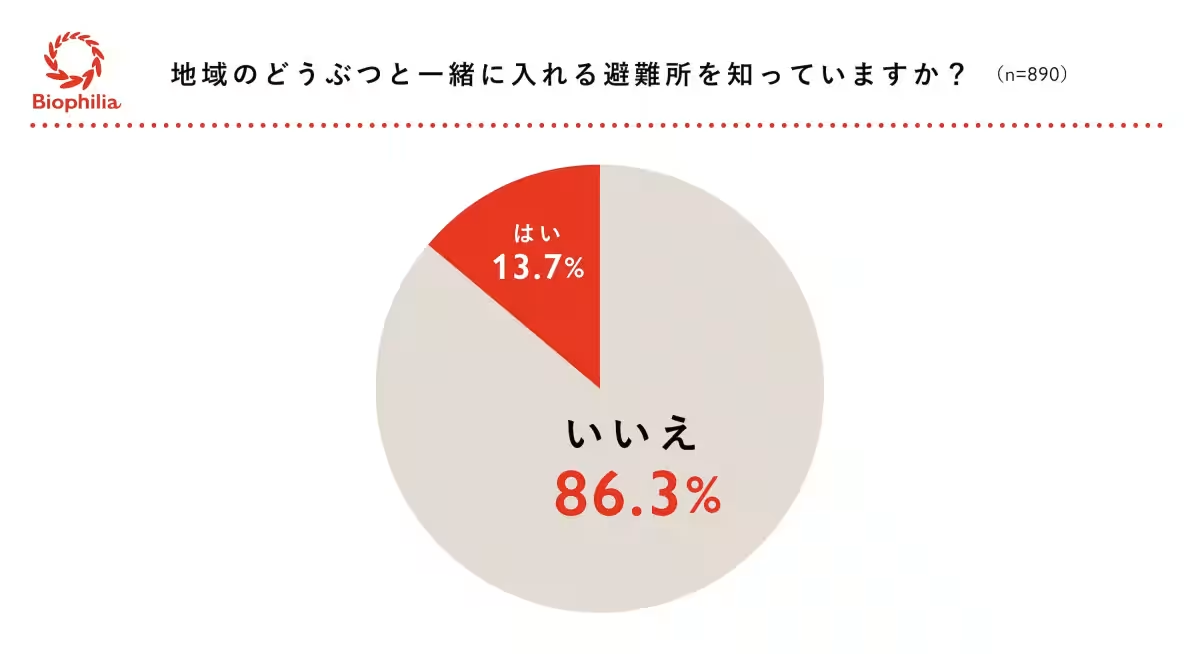
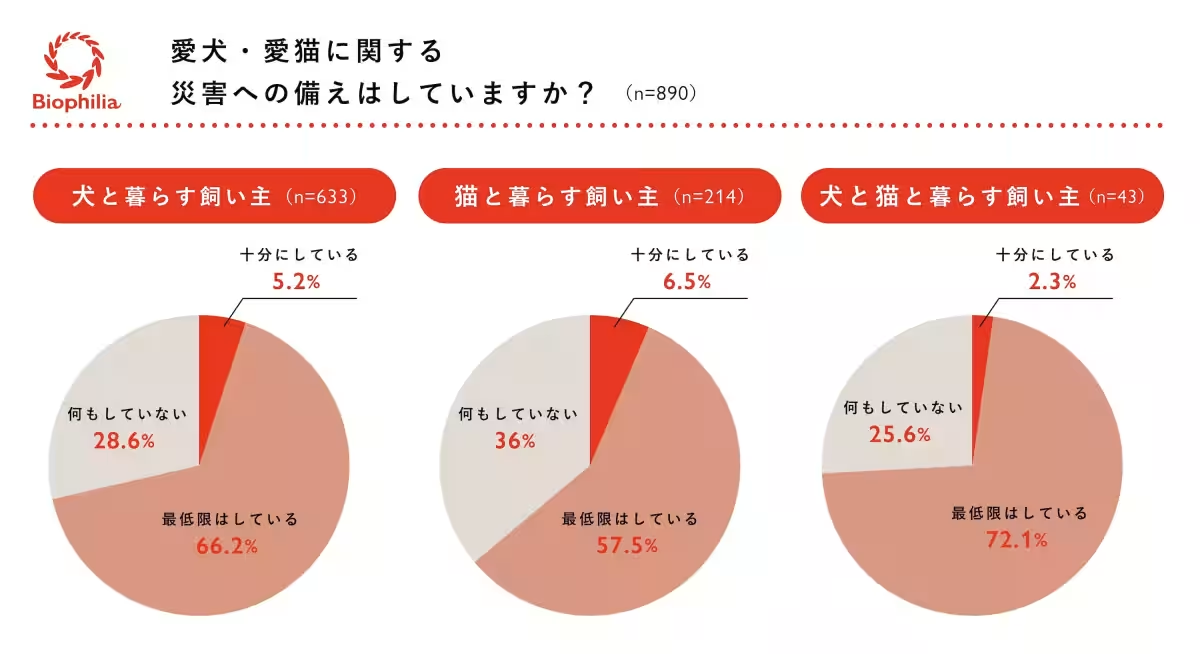
In a recent survey conducted by Biofilia, a company dedicated to pet welfare, alarming statistics about pet disaster preparedness have come to light. The survey, which involved 890 pet owners across Japan, aimed to understand their readiness for disasters and the options available for evacuating with their pets. According to the survey, only 13.7% of respondents are aware of local evacuation centers that permit pets, highlighting a significant knowledge gap that could pose risks during emergencies.
Key Findings
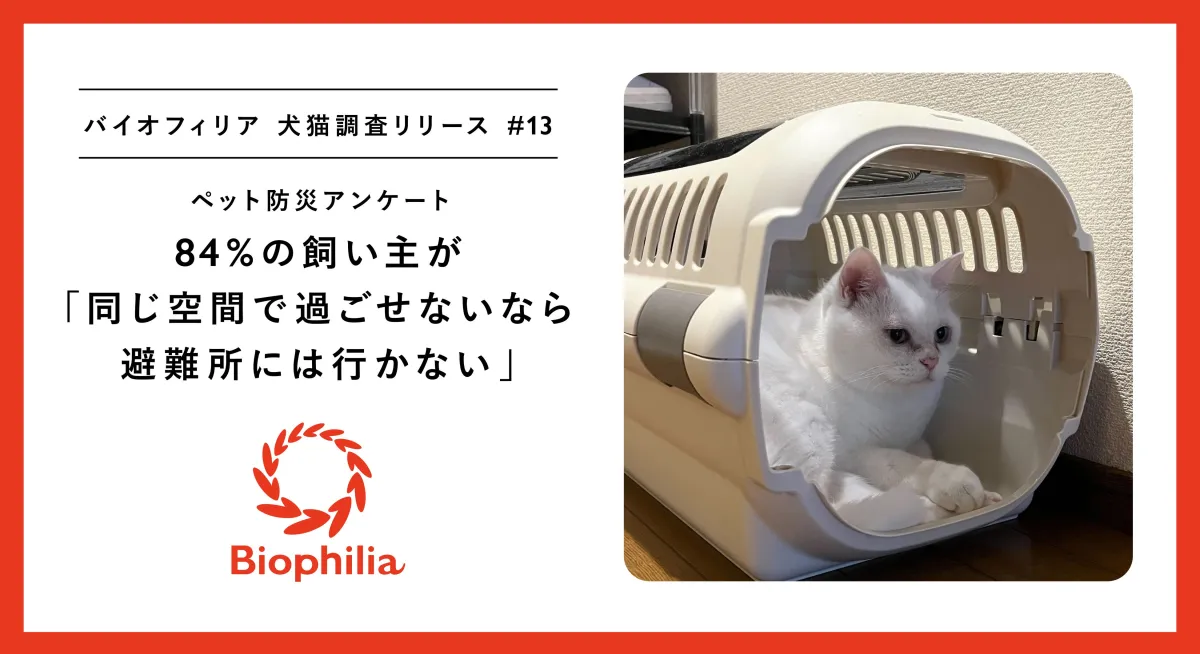
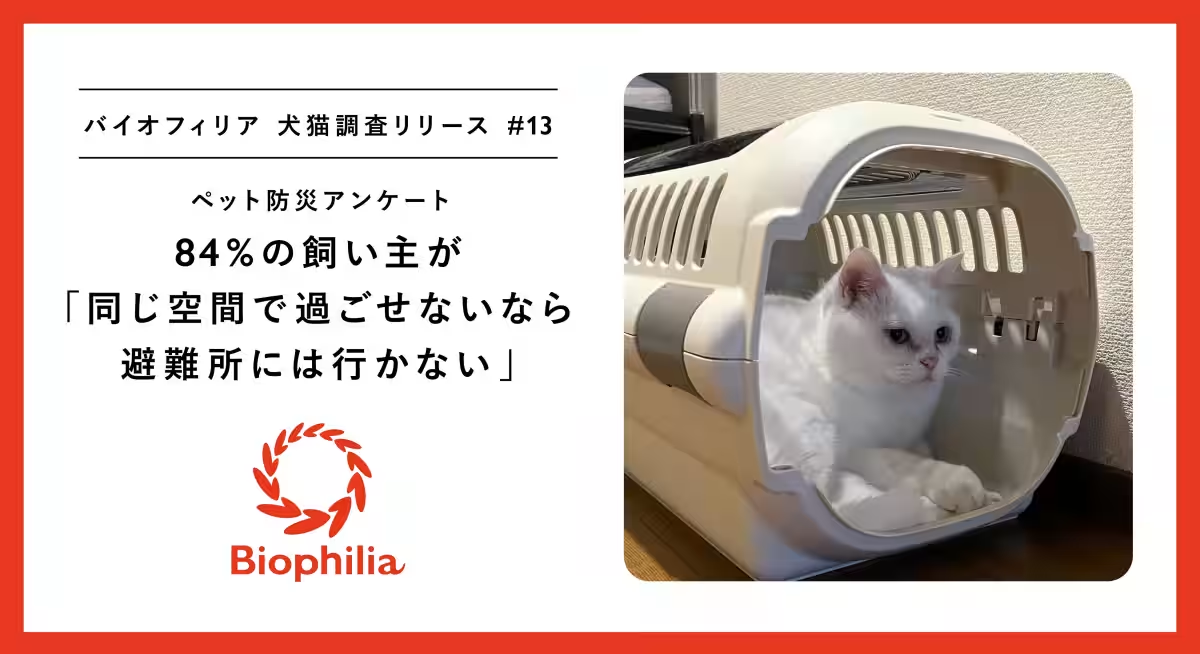
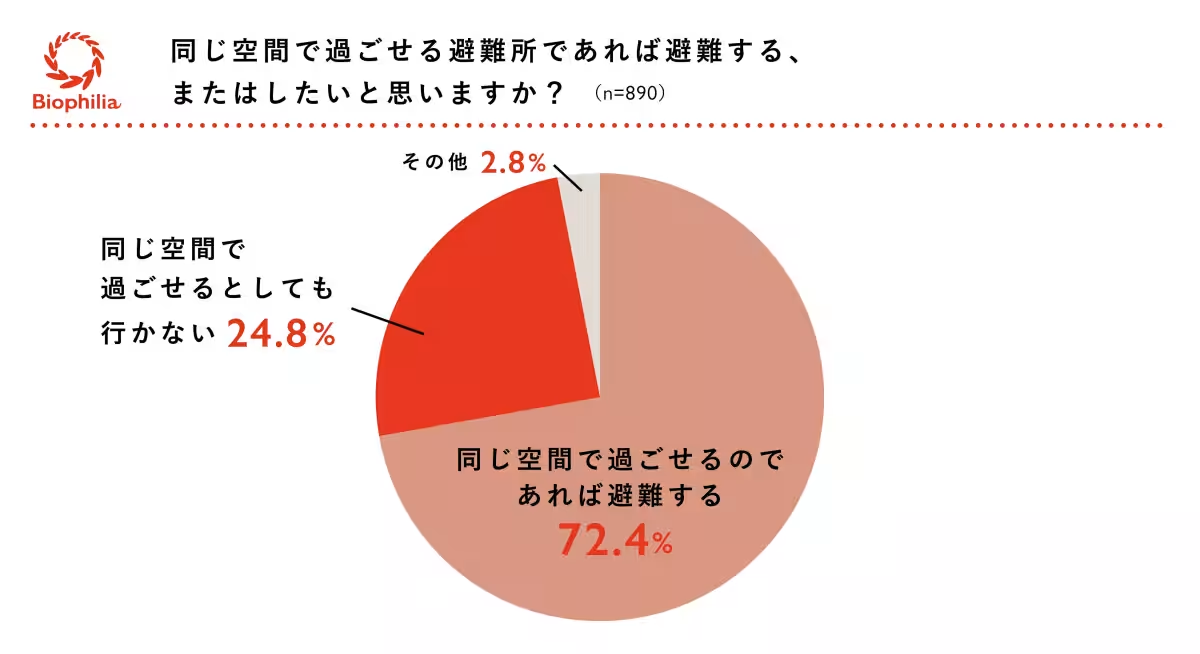
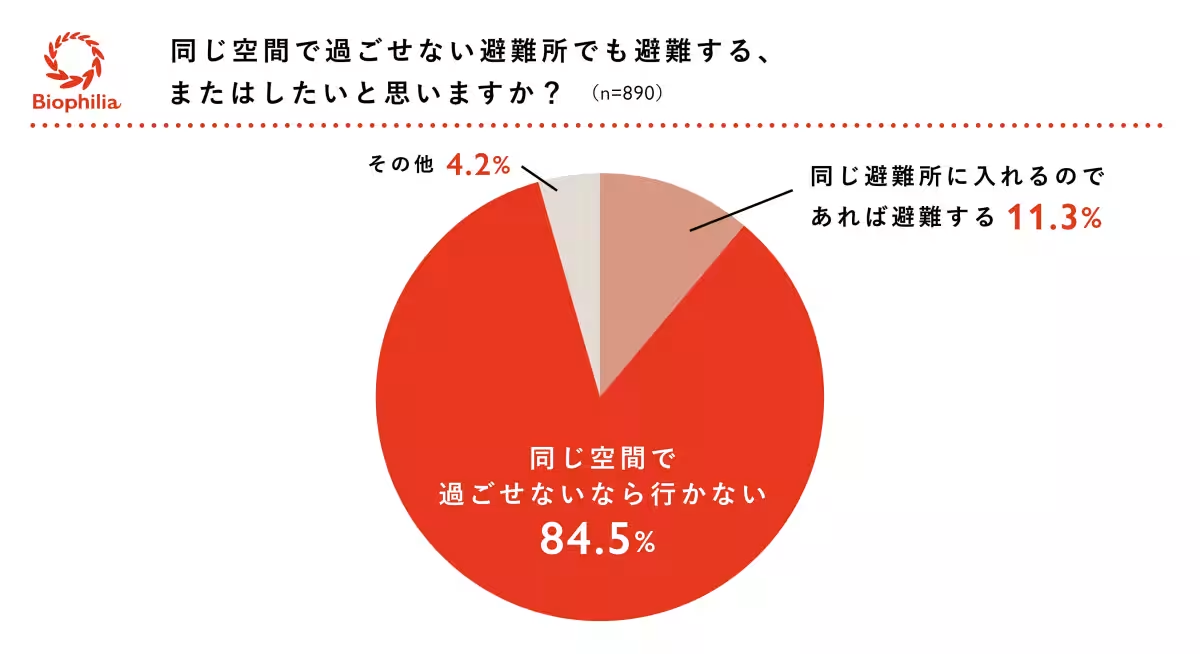
One of the most concerning statistics is that 84% of pet owners reported they would not go to an evacuation center if they cannot stay in the same space as their pets. This emphasizes the psychological bond pet owners have with their animals, showing that their willingness to evacuate is heavily contingent on being able to remain together. Moreover, 72.4% of respondents indicated they would evacuate if they could stay in the same space as their pets, reinforcing the need for pet-inclusive disaster plans.
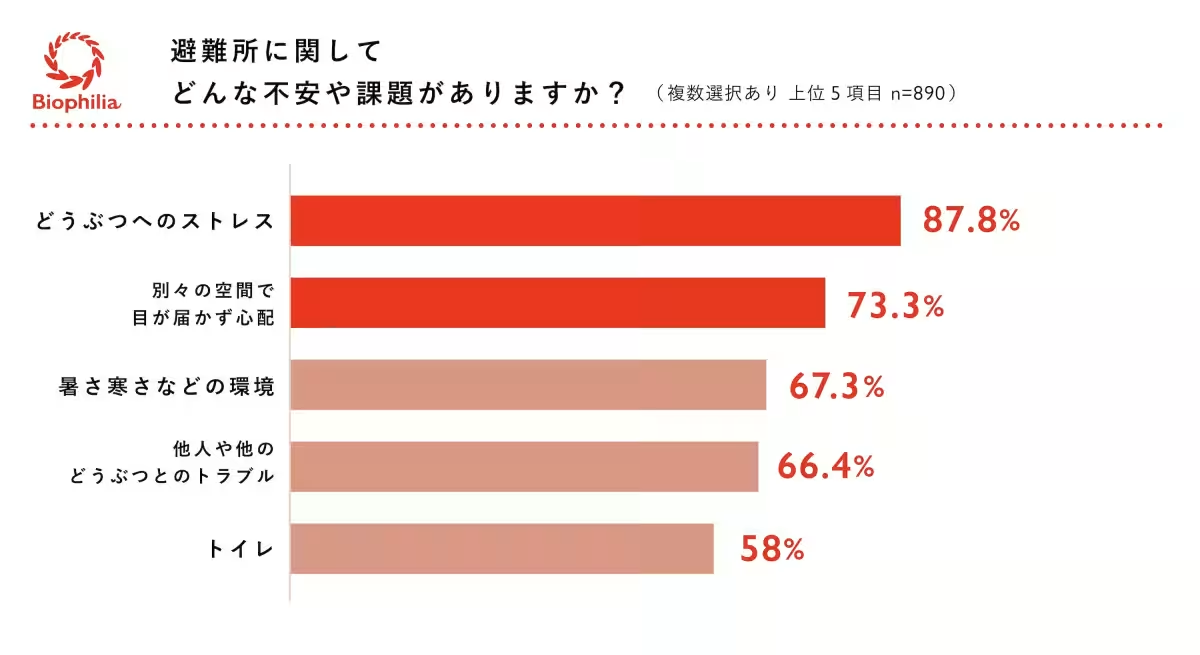
The survey revealed that other critical issues arise when considering evacuation centers. The primary concerns include stress for the animals, lack of visibility when pets are in separate areas, and environmental conditions such as temperature extremes and potential conflicts with other animals and people.
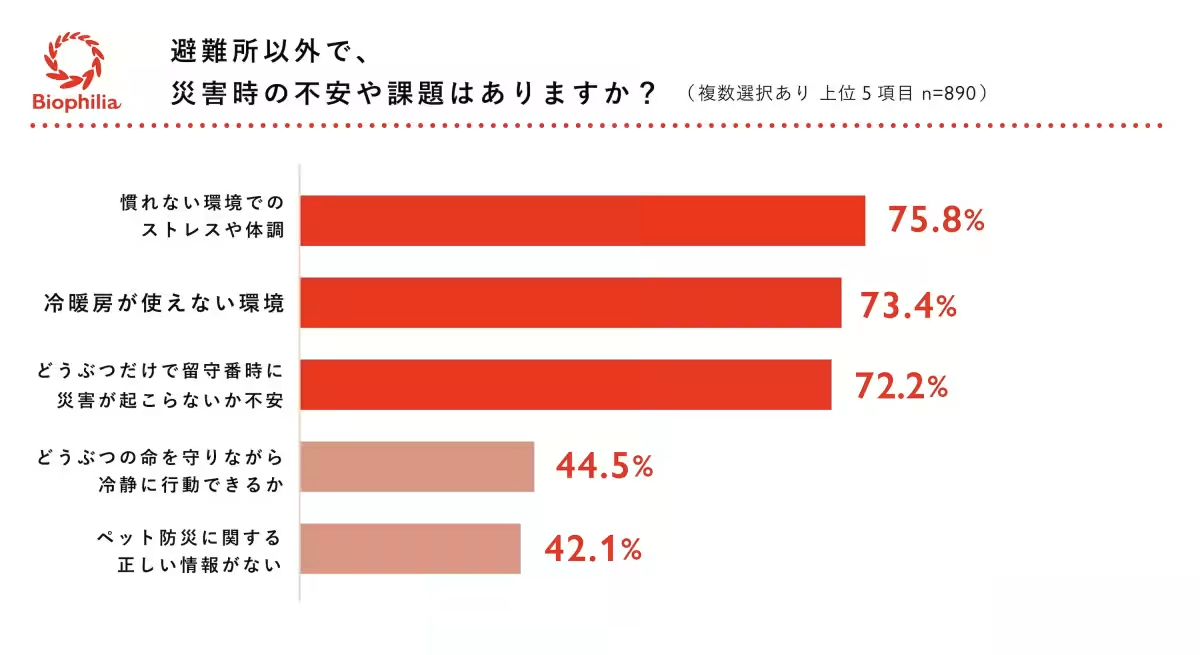
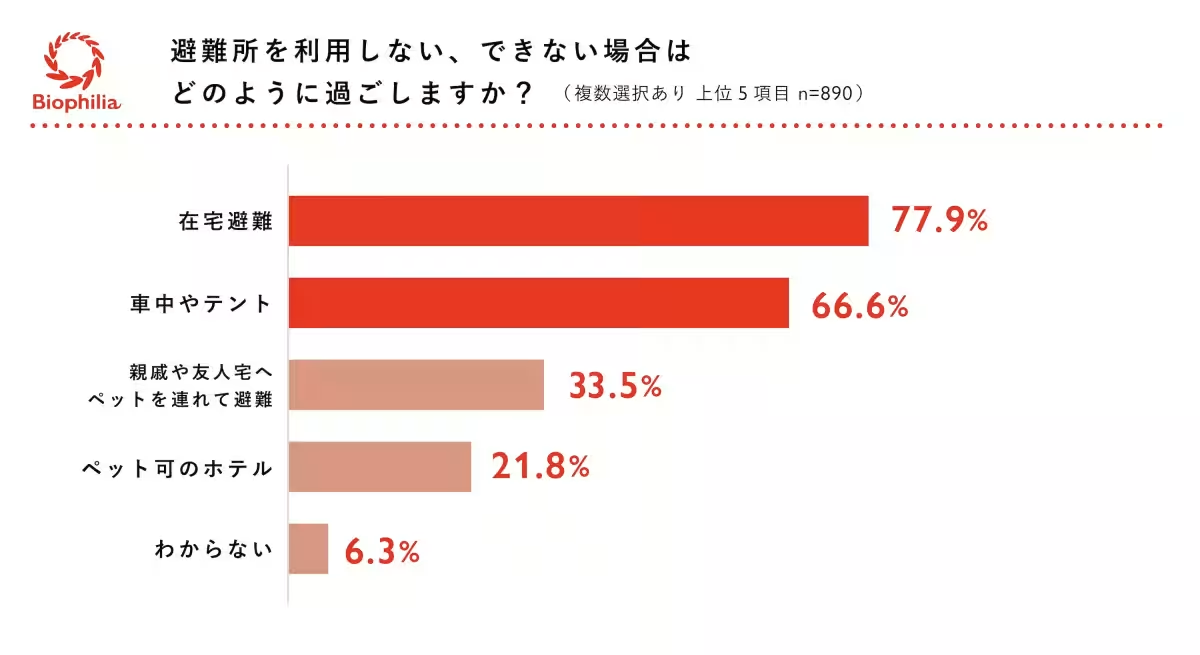
In terms of alternative evacuation strategies, 77.9% of pet owners indicated that their most likely contingency plan would be to shelter in place at home, while 66.6% would consider using their vehicles or temporary accommodations like tents.
Recommendations for Pet Owners
In light of these findings, it is clear that pet owners need to take action to better prepare for potential disaster situations. Here are some recommended strategies:
1. Identify Safe Evacuation Locations: It is crucial to research and discuss potential evacuation sites with family members in advance. These locations can include pet-friendly hotels, the homes of friends or relatives, and designated evacuation shelters.
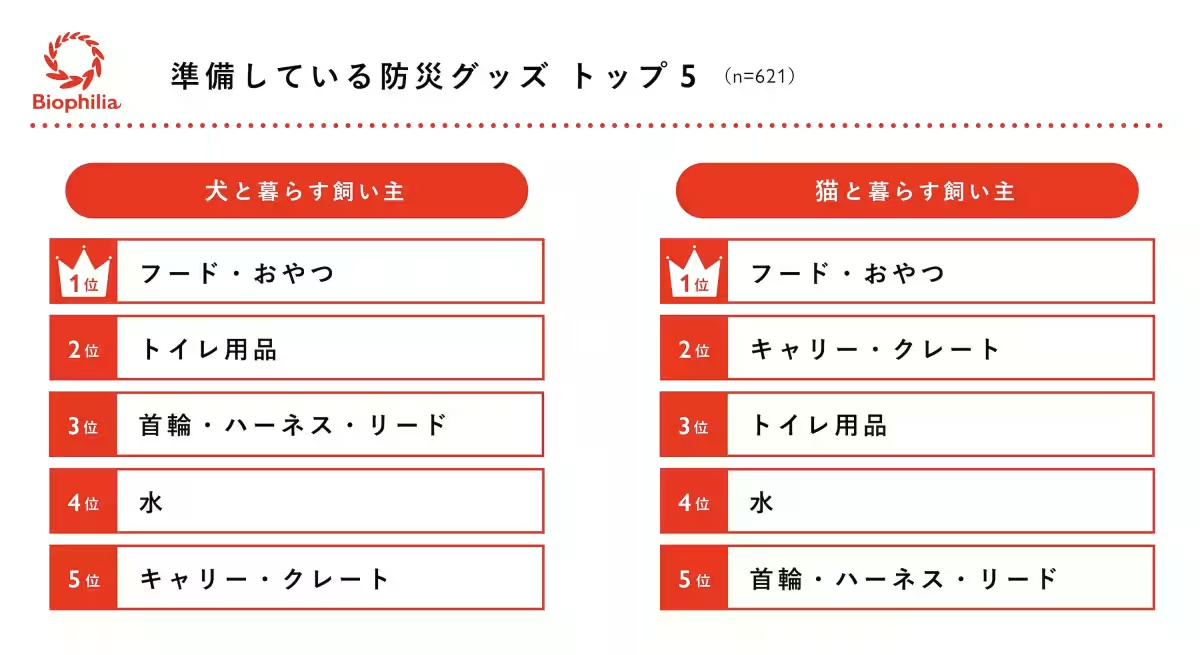
2. Prepare Emergency Supplies: Pet supplies can be even more limited than human emergency supplies. Owners should aim to have at least seven days' worth of food, water, and any necessary medications ready for their pets. It’s advisable to keep a comfortable and secure carrier or crate for transport.
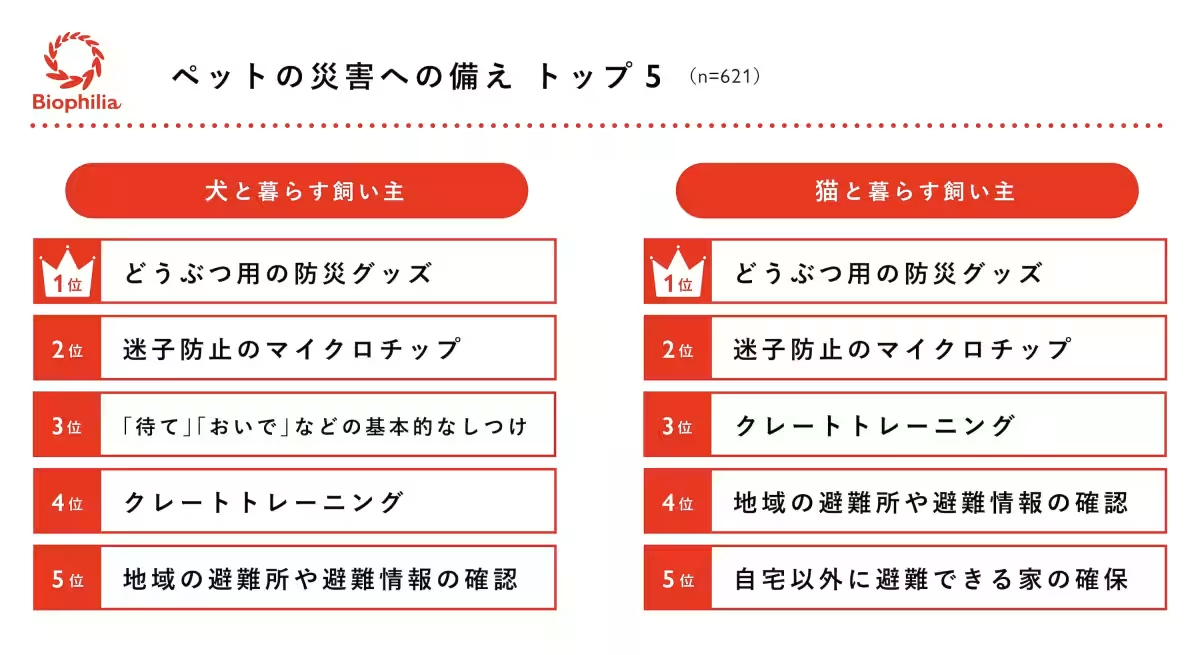
3. Practice Stress Reduction Techniques: Experts recommend maintaining a calm demeanor during emergencies, as animals can sense their owners' stress. Regular desensitization to different environments and incorporating training for entering carriers can help pets adjust during real emergencies. Also, ensuring regular, nutritious meals and exercise can support pets' mental well-being.
4. Training and Family Bonding: Regular practice sessions can help both pets and owners become familiar with safe evacuation routines. Building a bond through daily activities can also enhance mutual trust, making emergency situations less daunting.
Amidst these preparations, owners should closely observe their pets for signs of stress or anxiety during a disaster. Changes in behavior or physical health can indicate increased stress levels, necessitating a responsive approach to their needs.
Conclusion
The survey conducted by Biofilia emphasizes the vital need for pet owners to educate themselves and prepare for disasters proactively. By enhancing awareness of local evacuation plans, preparing emergency supplies, and ensuring consistent training and bonding with pets, owners can significantly improve the chances of a safe and successful evacuation should an emergency arise. Investing time in understanding disaster preparedness not only protects pets but also ensures peace of mind for owners during potentially harrowing times.


Topics Other)
【About Using Articles】
You can freely use the title and article content by linking to the page where the article is posted.
※ Images cannot be used.
【About Links】
Links are free to use.