



Rediscovery of Two Unique Fusuma Paintings After 150 Years: A Special Exhibition
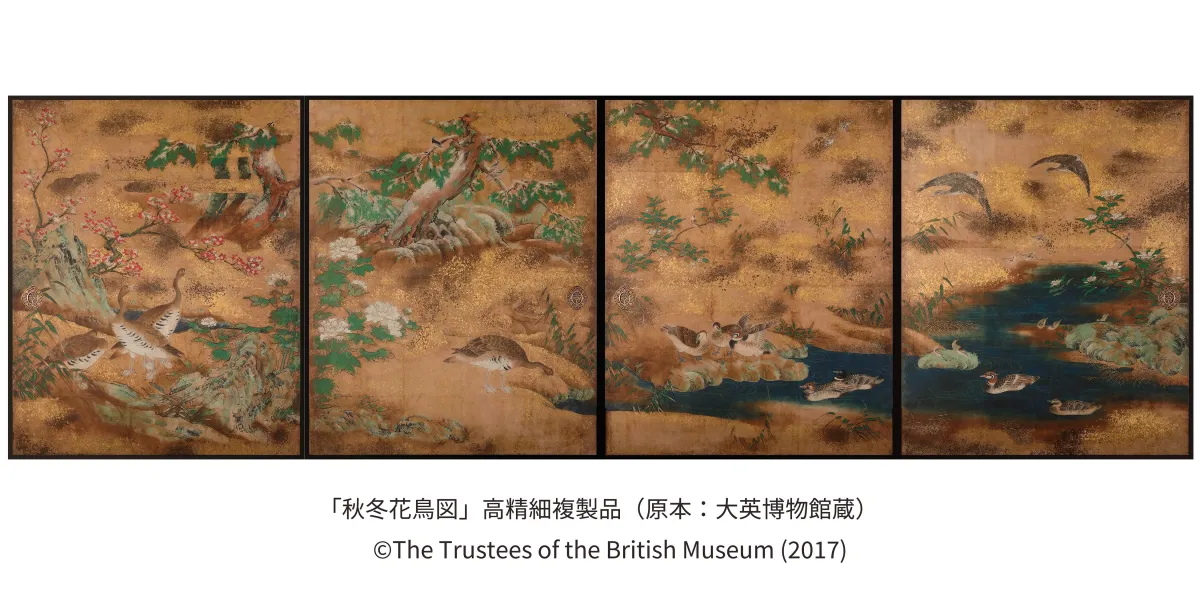
In a remarkable cultural event set in Nakadomari, Aomori, two historically significant fusuma paintings, 'Spring and Bird Scene' and 'Autumn and Winter Bird Scene,' are finally reunited after a staggering 150 years. This extraordinary reunion is part of the Tsuzuri Project, a collaborative initiative by Canon and the Kyoto Cultural Association aimed at preserving Japan's cultural heritage.
The 'Spring and Bird Scene,' owned by the Miyakoshi family, and the high-fidelity reproduction of 'Autumn and Winter Bird Scene' created through the Tsuzuri Project, will be displayed together in a special exhibition at the Miyakoshi residence, allowing art enthusiasts to appreciate their historical significance up close. The Miyakoshi family, under the stewardship of the ninth generation head Masaharu Miyakoshi, has preserved valuable artworks collected during the Taisho to early Showa periods.
It was revealed by former Kyoto National Museum chief researcher Yoshinori Yamashita that these two fusuma paintings originally formed part of a single series, once housed at the Tanzan Shrine in Nara. Following the upheavals after the Meiji Restoration, the two paintings took divergent paths. The 'Spring and Bird Scene' was acquired by Masaharu Miyakoshi in 1922, while the 'Autumn and Winter Bird Scene' found its way to the British Museum, where it has been held since 1937.
The Tsuzuri Project relates to the production of a high-definition reproduction of the 'Autumn and Winter Bird Scene,' which was offered back to the original owner, the Tanzan Shrine, in 2018. The unique journey of these artworks not only sheds light on their cultural significance but also highlights the importance of their preservation as they continue to inspire ongoing research within the art community.
This compelling exhibition, set in the picturesque Shimu-an, the Miyakoshi family's garden pavilion, promises a rare opportunity to view these masterpieces without glass barriers. Visitors can immerse themselves in the artistic beauty from approximately 400 years ago, which has captivated audiences in both Japan and the UK.
For more information, please visit the Nakadomari Cultural and Tourism Exchange Association's official website.
Through the Tsuzuri Project, this reproduction has been revitalized to foster greater appreciation for these national treasures. The supervised exhibition of both works marks a critical collaboration between Nakadomari Town and the Miyakoshi family, contributing to the growing recognition of Japan's cherished artistic heritage.
Established in 2007, the Tsuzuri Project by Canon and the Kyoto Cultural Association aims to support and promote the preservation of Japan's priceless cultural relics. Many of these artworks have limited opportunities for public viewing due to their historical significance, which often leads to them being kept in private collections or museums worldwide. By blending Canon's advanced imaging technology with traditional Kyoto craftsmanship, the project replicates cultural assets with utmost fidelity, offering public access to these invaluable works again through donations to temples, municipalities, and educational institutions. Over 60 high-definition reproductions have been produced, showcasing works from artists like Katsushika Hokusai and Ogata Korin, dispersing their profound cultural impact widely.
For more information about the Tsuzuri Project, visit Tsuzuri Project Website.
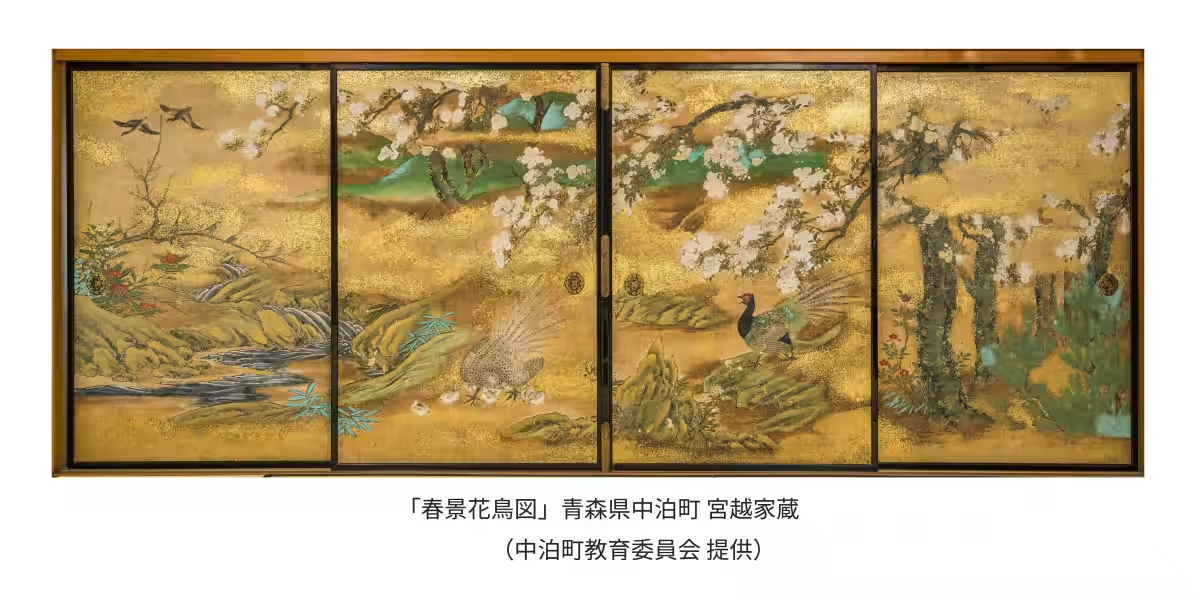
The 'Spring and Bird Scene,' owned by the Miyakoshi family, and the high-fidelity reproduction of 'Autumn and Winter Bird Scene' created through the Tsuzuri Project, will be displayed together in a special exhibition at the Miyakoshi residence, allowing art enthusiasts to appreciate their historical significance up close. The Miyakoshi family, under the stewardship of the ninth generation head Masaharu Miyakoshi, has preserved valuable artworks collected during the Taisho to early Showa periods.
It was revealed by former Kyoto National Museum chief researcher Yoshinori Yamashita that these two fusuma paintings originally formed part of a single series, once housed at the Tanzan Shrine in Nara. Following the upheavals after the Meiji Restoration, the two paintings took divergent paths. The 'Spring and Bird Scene' was acquired by Masaharu Miyakoshi in 1922, while the 'Autumn and Winter Bird Scene' found its way to the British Museum, where it has been held since 1937.
The Tsuzuri Project relates to the production of a high-definition reproduction of the 'Autumn and Winter Bird Scene,' which was offered back to the original owner, the Tanzan Shrine, in 2018. The unique journey of these artworks not only sheds light on their cultural significance but also highlights the importance of their preservation as they continue to inspire ongoing research within the art community.
This compelling exhibition, set in the picturesque Shimu-an, the Miyakoshi family's garden pavilion, promises a rare opportunity to view these masterpieces without glass barriers. Visitors can immerse themselves in the artistic beauty from approximately 400 years ago, which has captivated audiences in both Japan and the UK.
Special Exhibition Details
- - Venue: Shimu-an, Miyakoshi Family Garden (Aomori Prefecture, Nakadomari) Address is kept confidential for privacy reasons.
- - Access is exclusively via a shuttle bus from designated points in Nakadomari.
- - Exhibition Dates: Spring 2025: May 23 (Fri) – June 29 (Sun), Autumn 2025: September 26 (Fri) – November 2 (Sun)
- - Closed on: Mondays
- - Admission Method: Reservation required (maximum 80 visitors per day)
- - Ticket Sales Start: Spring 2025: May 7 (Wed), Autumn 2025: September 9 (Tue)
- - Entry Fee: 2,500 yen
- - Organizers: Nakadomari Town, Aomori Prefecture
- - Special Collaborators: Canon Inc, Kyoto Cultural Association
- - Supervision: Yoshinori Yamashita, Art Historian, former chief researcher of Kyoto National Museum.
For more information, please visit the Nakadomari Cultural and Tourism Exchange Association's official website.
Featured Artwork
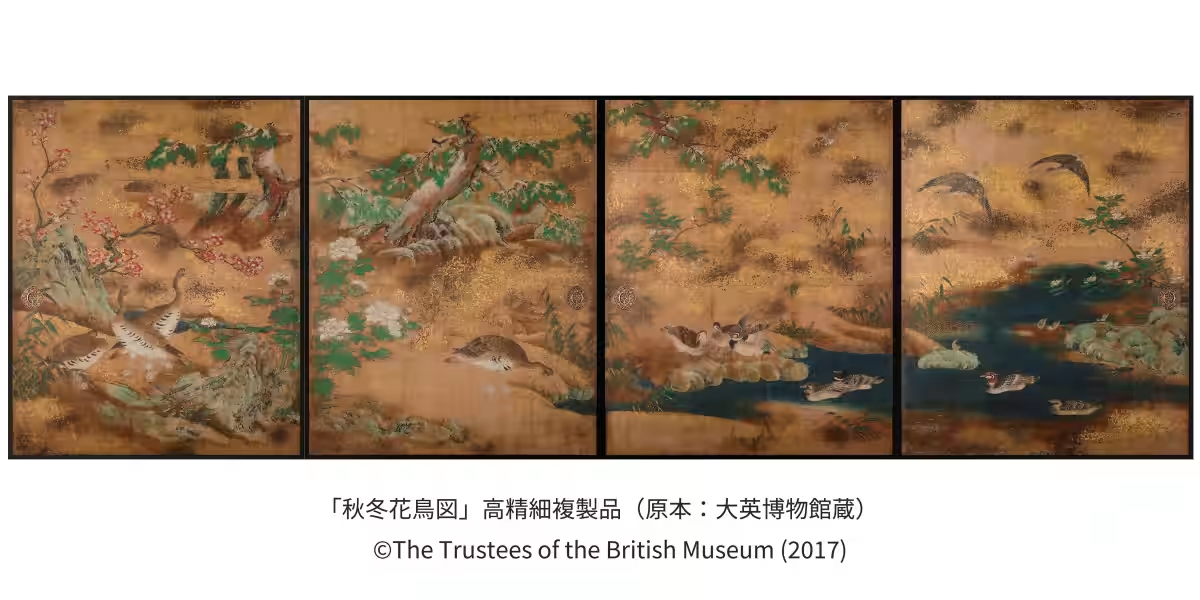
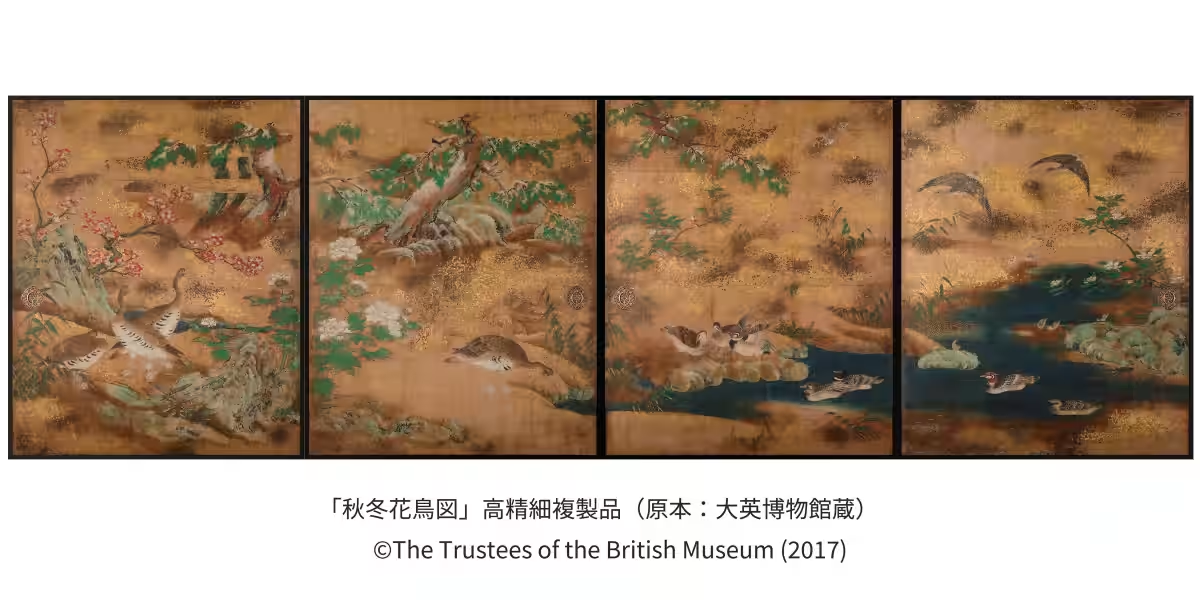
- - 'Autumn and Winter Bird Scene' High-Definition Reproduction
Through the Tsuzuri Project, this reproduction has been revitalized to foster greater appreciation for these national treasures. The supervised exhibition of both works marks a critical collaboration between Nakadomari Town and the Miyakoshi family, contributing to the growing recognition of Japan's cherished artistic heritage.
About the Tsuzuri Project
Established in 2007, the Tsuzuri Project by Canon and the Kyoto Cultural Association aims to support and promote the preservation of Japan's priceless cultural relics. Many of these artworks have limited opportunities for public viewing due to their historical significance, which often leads to them being kept in private collections or museums worldwide. By blending Canon's advanced imaging technology with traditional Kyoto craftsmanship, the project replicates cultural assets with utmost fidelity, offering public access to these invaluable works again through donations to temples, municipalities, and educational institutions. Over 60 high-definition reproductions have been produced, showcasing works from artists like Katsushika Hokusai and Ogata Korin, dispersing their profound cultural impact widely.
For more information about the Tsuzuri Project, visit Tsuzuri Project Website.
Topics Entertainment & Media)
【About Using Articles】
You can freely use the title and article content by linking to the page where the article is posted.
※ Images cannot be used.
【About Links】
Links are free to use.