



National Ainu Museum and Kama City Hall Win Special Awards in Public Architecture
Celebrating Excellence in Public Architecture: Award Winners of the 19th Public Architecture Awards
The 19th Public Architecture Awards have recognized outstanding contributions to public structures, with two notable projects securing special awards—The National Ainu Museum and Kama City Hall. This biannual event highlights exemplary public architecture designed to enhance community and cultural values, bringing forth recognition and appreciation for innovative designs tailored to societal needs.
The National Ainu Museum: A Cultural Revival
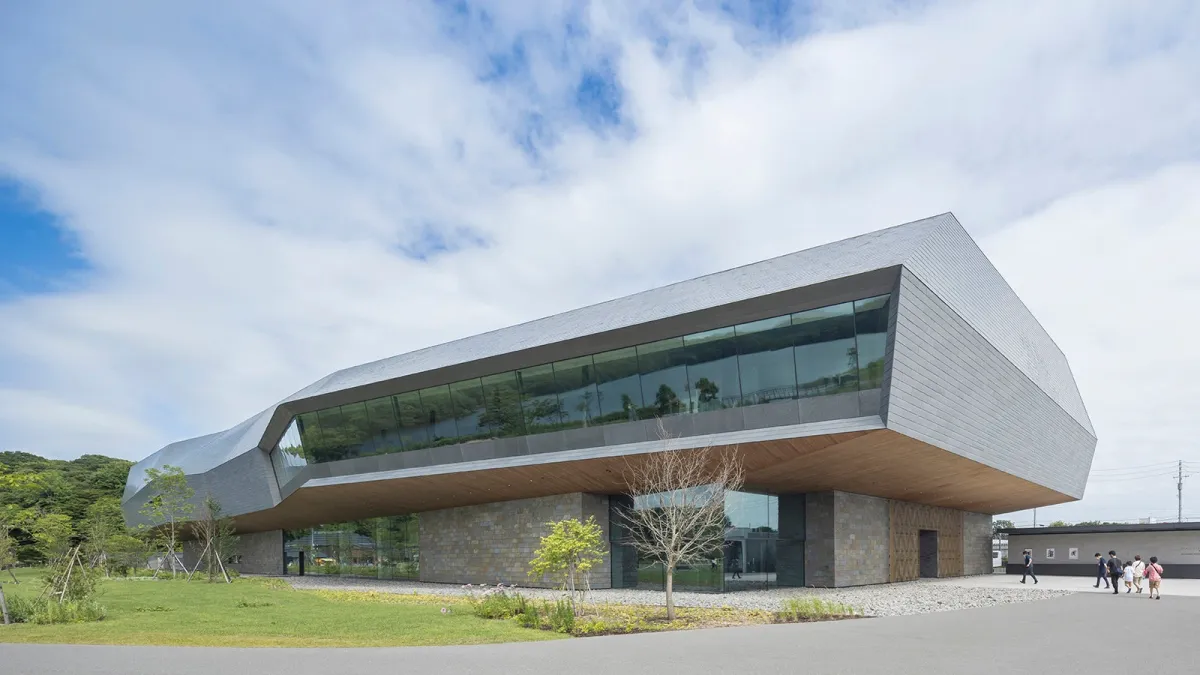
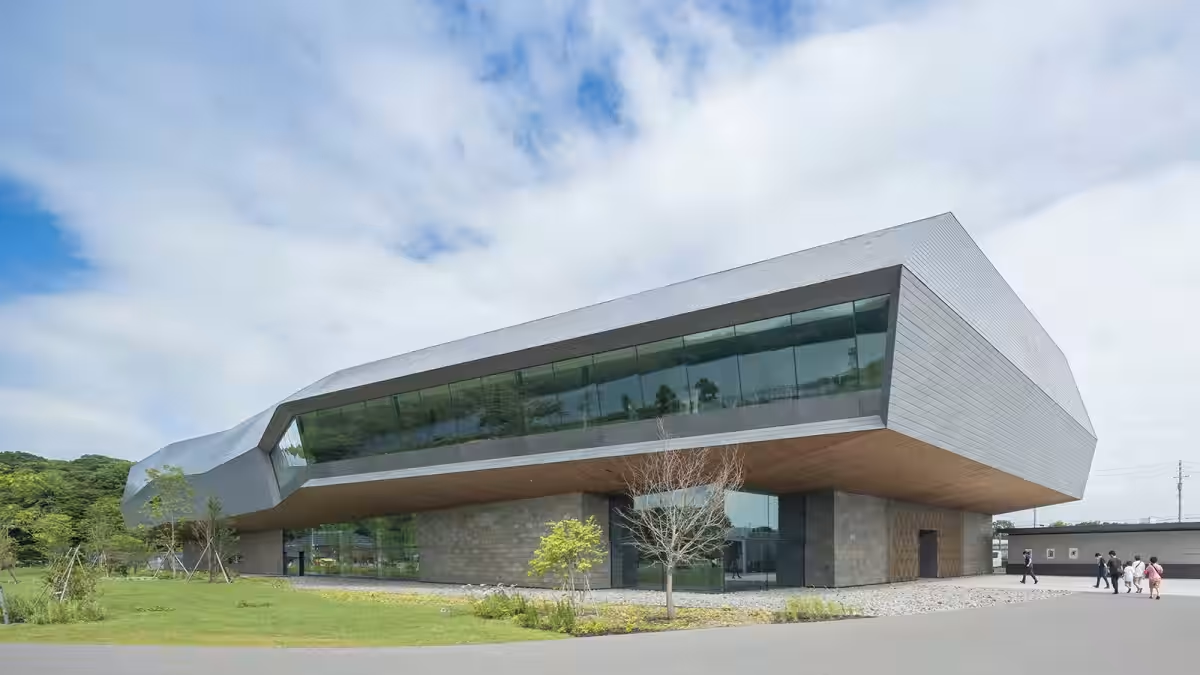
Located in Shiraoi, Hokkaido, the National Ainu Museum stands as a testament to Japan's cherished Ainu culture. This museum serves as the centerpiece of the “Upopoy” project, which focuses on the revitalization and celebration of the Ainu heritage, aiming to foster a vibrant society rooted in diversity and devoid of discrimination. The museum, completed in December 2019, is recognized for its architectural balance, harmonizing modern design with the rich history of the Ainu people.
Architectural Overview
- - Name: National Ainu Museum
- - Location: 2-3-1 Wakakusa-cho, Shiraoi-gun, Hokkaido
- - Client: Hokkaido Development Bureau, Ministry of Land, Infrastructure, Transport and Tourism
- - Design by: Kume Design
- - Construction by: Takenaka Corporation and Tanaka-gumi Joint Venture
- - Total Floor Area: 8,618 sqm
- - Floors: 3
- - Structure: S/SRC
- - Completion: December 2019
The design concept of the National Ainu Museum emphasizes the revival and enhanced appreciation of Ainu culture through a structure that resonates with its natural surroundings. It integrates the landscape with a shape that mimics the natural lines of the local forests, while a panoramic lobby facing Lake Poroto enables visitors to connect closely with the museum's symbolic role in cultural education. Furthermore, the second floor houses exhibits in a high-storage facility, reinforcing the building's function in a cold climate through innovative structural design.
Vision and Hope
The lead architect comments on their pride in winning the award, stating that the design mission is to inspire future generations. This architectural achievement reflects a commitment among all stakeholders to ensure the museum's continued relevance and cultural significance.
Kama City Hall: Community-Centered Design
In Kyushu, Kama City Hall was also awarded for its outstanding public service facilities. The design responds to the aftermath of the Kumamoto earthquake in 2016, prioritizing safety and community assurance, while actively involving local citizens throughout the planning and construction processes.
Architectural Overview
- - Name: Kama City Hall
- - Location: 1180-1 Iwasaki, Kama-shi, Fukuoka
- - Client: Kama City, Fukuoka
- - Design by: Kume Design
- - Construction by: Asanuma Corporation
- - Total Floor Area: 9,652 sqm
- - Floors: 6
- - Structure: RC/Partial S
- - Completion: March 2020
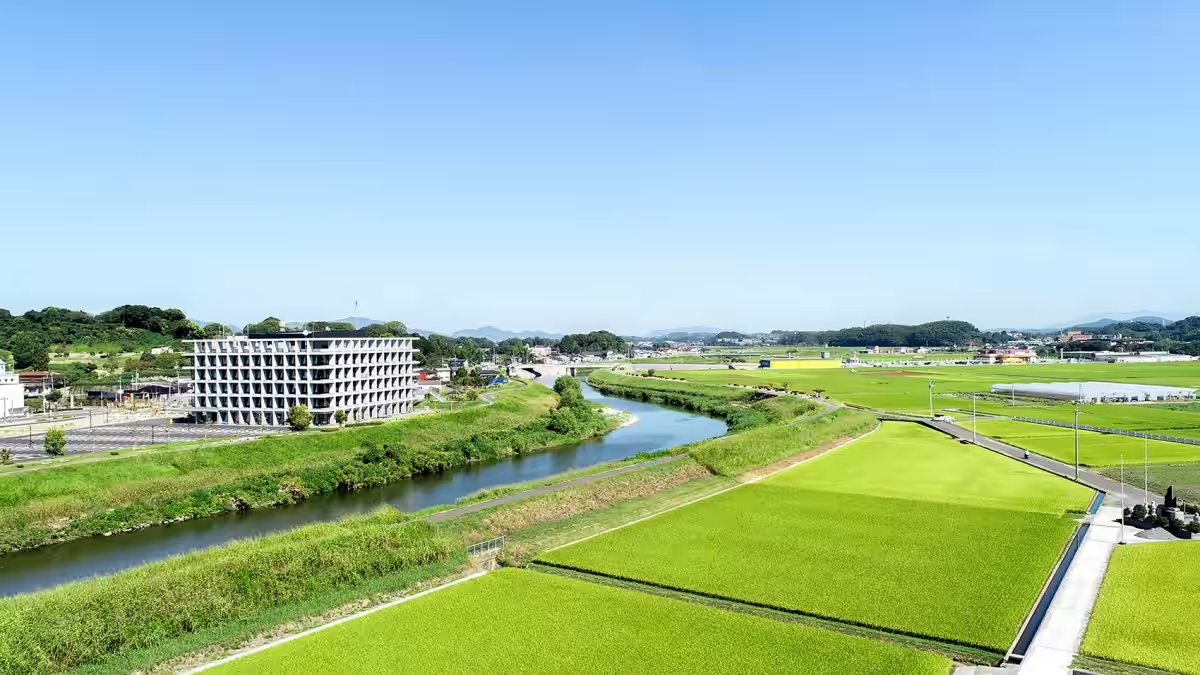
The city hall’s design emphasizes its rectangular form, positioned strategically along the banks of the Onkagawa River, celebrating the region’s rich agricultural and industrial history. This building not only represents a safe haven for citizens but is a product of extensive public participation and environmental responsiveness. The design prioritizes safety and aims to reduce initial costs while maintaining aesthetic and functional integrity.
Commitment to Community
The project's lead architect expressed gratitude for receiving the Public Architecture Award, noting that the collaborative efforts with the community have resulted in a beloved landmark for citizens. The responsiveness to both natural and social variables during the design phase has created a facility expected to benefit the local population for generations.
Conclusion
The 19th Public Architecture Awards illustrate the profound impact that thoughtful design can have on community welfare and cultural identity. The National Ainu Museum and Kama City Hall stand out as exceptional examples of how public architecture can serve not only functional roles but also embody the values and aspirations of the communities they represent. As the focus on public spaces continues to grow, these projects remind us of the importance of integrating culture, safety, and community involvement into our built environment.
Topics Other)
【About Using Articles】
You can freely use the title and article content by linking to the page where the article is posted.
※ Images cannot be used.
【About Links】
Links are free to use.