



Exploring Expectations and Concerns About Space Travel: A Survey Insight
Space Travel Expectation Insights
On September 12, deemed Space Day in Japan, NSS Smart Consulting Co., Ltd. conducted a survey exploring the hopes and fears related to space travel, targeting individuals aged 20 to 60. The survey highlights the growing interest in space exploration, especially in light of recent technological advancements in the private aerospace sector.
As of June 2025, the private space development company ispace's lunar landing mission "HAKUTO-R Mission 2" experienced communication loss just before landing and ultimately did not achieve its goal. Nevertheless, partial successes in previous missions mark significant steps forward in space technology. The recent successful implementation of Honda's reusable rocket also shakes off the notion that space ventures are mere fantasies.
Survey Period and Methodology:
- - Duration: August 27-28, 2025
- - Method: Internet research by PRIZMA
- - Participants: 1,008 individuals, aged 20 to 60
- - Conducted by: NSS Smart Consulting Co., Ltd.
- - Research Provider: PRIZMA Research
Interest in Space Travel: A Mixed Bag
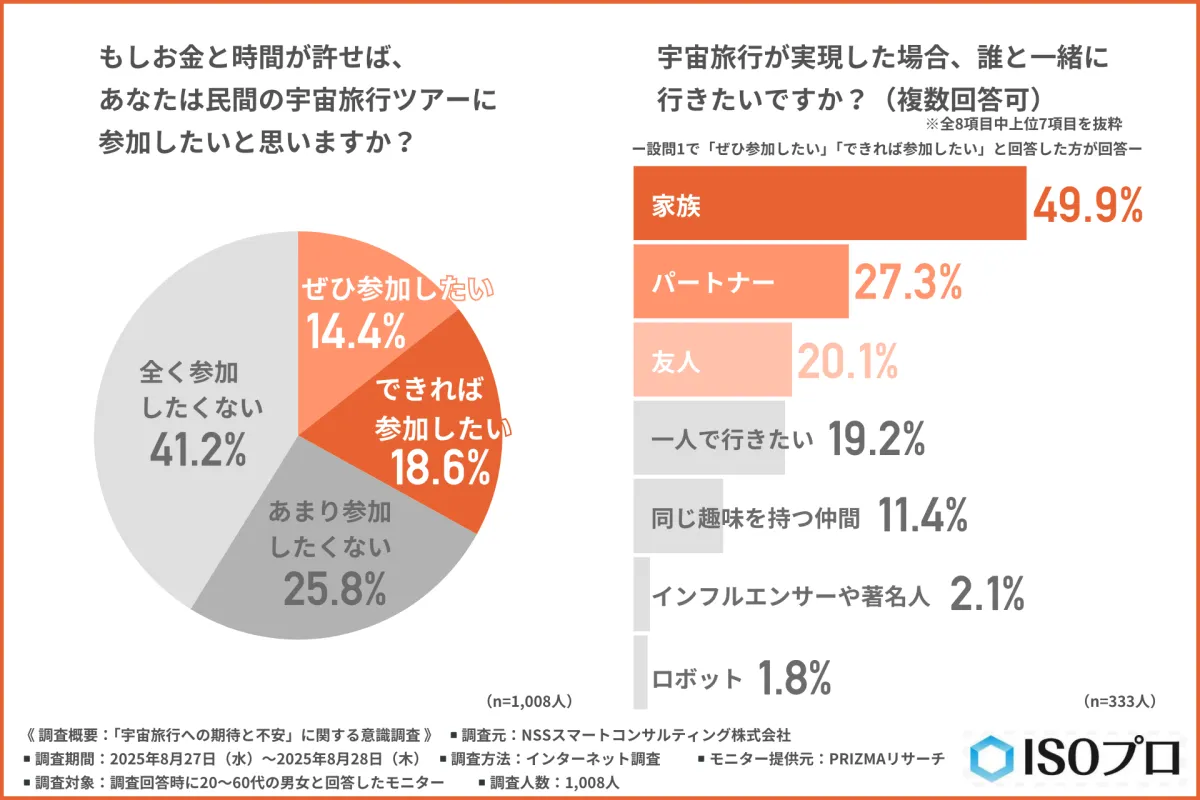
despite the advancements, the survey results indicate that only about 30% of respondents express a desire to participate in commercial space travel, as shown below:
- - Definitely want to participate: 14.4%
- - Would like to participate if possible: 18.6%
- - Not particularly interested: 25.8%
- - Definitely do not want to participate: 41.2%
The results suggest that, while there exists a fascination with space, many have yet to establish a sense of certainty surrounding it, and apprehension about safety is widespread.
Reasons to Join or Avoid Space Travel
the reasons for wanting to or not wanting to join space travel include:
Reasons for Wanting to Join:
- - "I want to see Earth from space" (30s, Female, Saitama)
- - "It seems exciting" (40s, Female, Yamagata)
- - "I want to explore the unknown" (50s, Female, Iwate)
- - "It would change my perspective" (50s, Male, Miyagi)
Reasons for Not Wanting to Join:
- - "I am very concerned about safety" (30s, Female, Gunma)
- - "Concerns over preparation and safety" (40s, Female, Tokyo)
- - "It seems there is a real risk of accidents" (50s, Male, Saitama)
- - "I don't know about safety standards" (60s, Male, Kyoto)
While the desire to join space travel stems from a yearning to see Earth from afar or satisfy curiosity about the cosmos, safety remains a significant concern, presenting a considerable psychological barrier for potential participants.
Ideal Companions for Space Journeys
Among those who expressed interest, the survey revealed that nearly half of respondents would prefer to experience space travel with their family (49.9%), followed by partners (27.3%) and friends (20.1%), emphasizing the shared nature of adventurous experiences in the context of space travel.
Desired Space Experiences
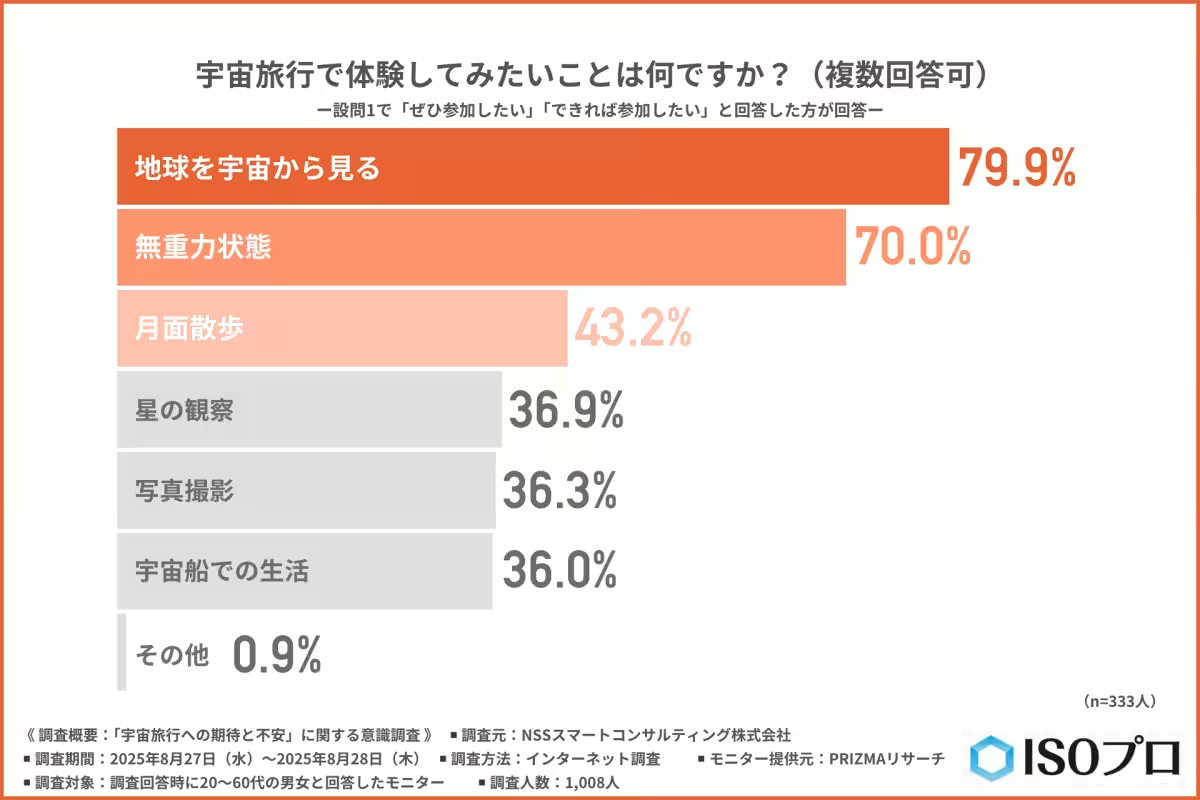
When asked what experiences they would like to have during space journeys, respondents indicated a strong desire to:
- - See Earth from space (79.9%)
- - Experience microgravity (70.0%)
- - Walk on the moon (43.2%)
Such overwhelming enthusiasm for observing Earth from space reflects curiosity about our planet's unique position in the cosmos. Additionally, the desire to engage in microgravity experiences illustrates the appeal of extraordinary, non-routine activities.
Concerns About Safety and Costs
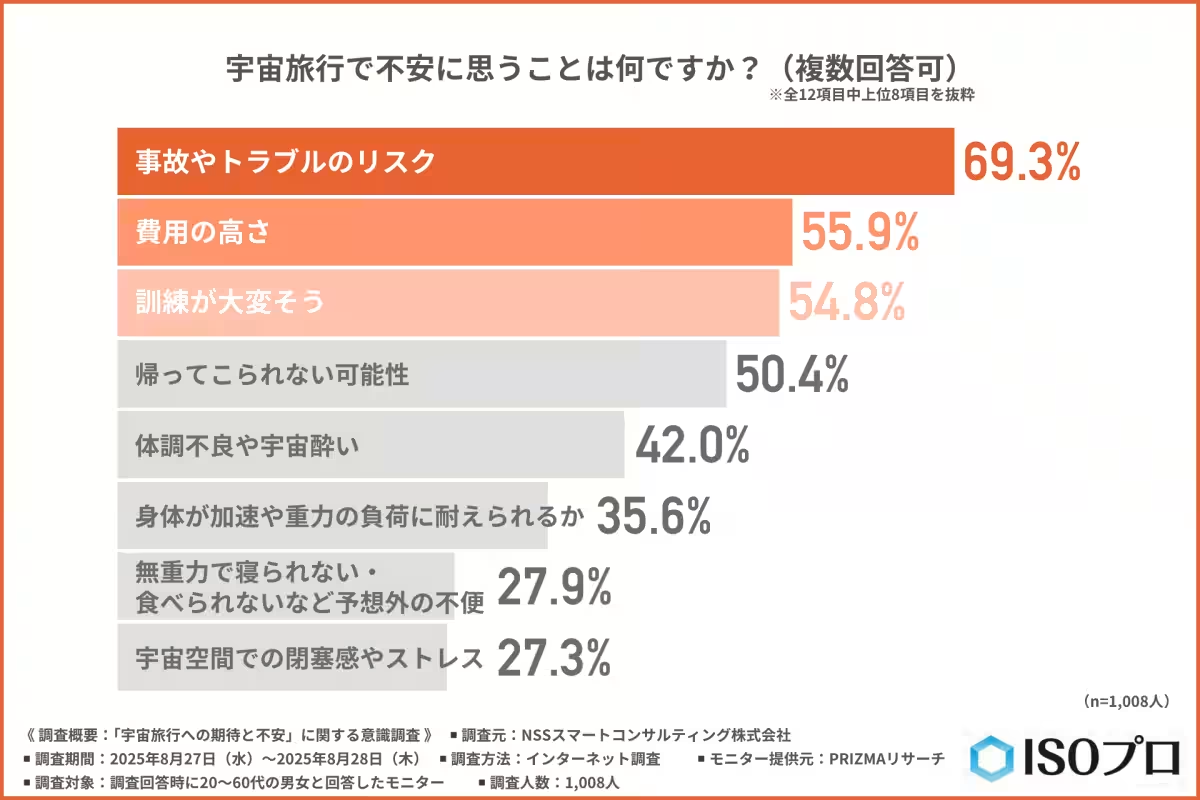
Despite excitement about space travel, significant concerns arise, especially regarding:
- - Risk of accidents and mishaps (69.3%)
- - High costs (55.9%)
- - Challenge of training (54.8%)
The primary concern surrounding safety reinforces the barrier to participation in space ventures. Financial constraints and the intricacies of preparation contribute to the feeling of disparity between the dream of space travel and the reality of its accessibility.
Financial Feasibility for Space Travel
When asked about acceptable prices for space travel, the majority indicated:
- - Under 1 million yen (28.2%)
- - 1-5 million yen (12.0%)
- - 5-10 million yen (4.2%)
- - 10-50 million yen (1.8%)
- - More than 100 million yen (0.4%)
- - Regardless of price, I don't want to go (52.7%)
Around 50% of respondents remain unwilling to participate in space travel irrespective of price, highlighting deeper emotional and safety-related barriers that outweigh cost considerations. Conversely, nearly 30% may reconsider if the cost falls below 1 million yen, indicating potential for interest within a more affordable range.
Validating Space Travel through Trustworthiness
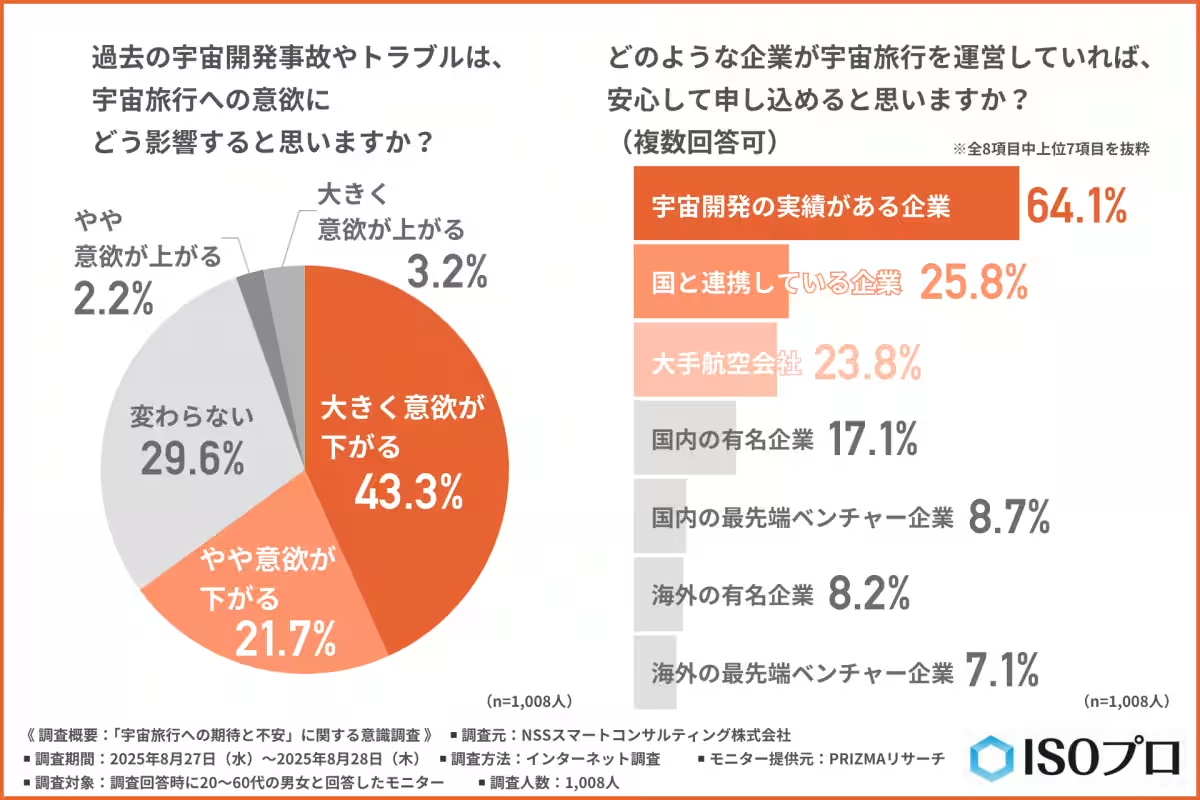
To foster confidence in space travel, the survey illuminated the importance of companies with proven track records in aerospace development. Approximately 64.1% of respondents stated that space travel operations should be run by companies with established expertise in the field, with an additional focus on those collaborating with governmental agencies (25.8%) or major airlines (23.8%). The results suggest that a solid reputation, technological competency, and consistent safety measures are influential factors in easing consumer fears.
Conclusion
the survey reaffirms a fascinating dynamic surrounding space travel: while interest is evident, significant hurdles exist, particularly regarding safety, financial feasibility, and the overarching sense of reliability in the unseen domain of space exploration. As aspirations for reaching the stars continue to grow within our minds, the realities must also evolve through transparency and accountability in safety standards and infrastructural supports. With this push towards safe and economic alignment, the dream of venturing into the cosmos might one day become a shared experience for countless explorers.
For those interested in ISO certification and support, NSS Smart Consulting offers services through their website, ensuring systems adhere to quality management standards, especially relevant in the fields of aerospace and defense.

Topics Other)
【About Using Articles】
You can freely use the title and article content by linking to the page where the article is posted.
※ Images cannot be used.
【About Links】
Links are free to use.