



Insights from recent survey on middle-aged women's return home during Obon season in 2026
Recent Insights into Middle-Aged Women's Return Home during Obon Season 2026
A recent survey conducted by HALMEK up, a web media targeting middle-aged women, in collaboration with the HALMEK Lifestyle Research Institute, has provided valuable insights into the perspectives and practices surrounding the return home during the Obon season, specifically among women aged 40 to 65. The survey, carried out from June 19 to June 23, 2026, included responses from 573 female members of HALMEK up, a significant sample size that reflects a substantial segment of middle-aged women in Japan.
Key Findings from the Survey
Intent to Return Home
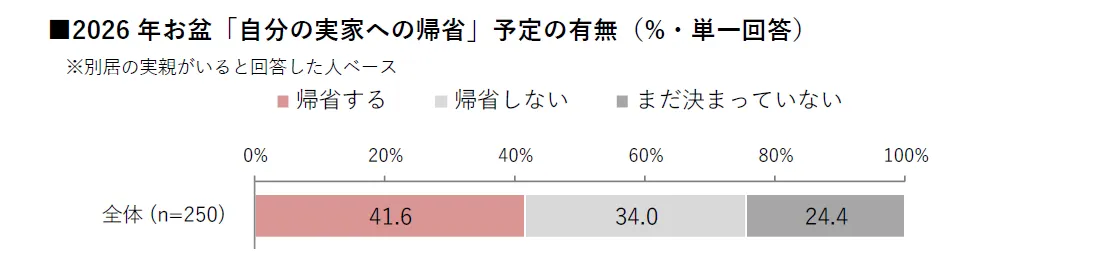
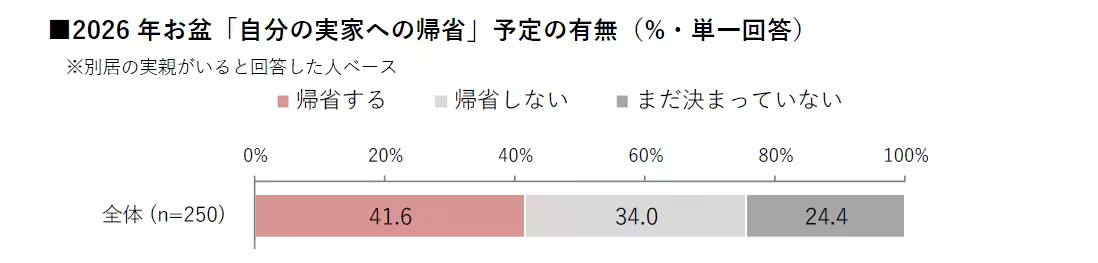
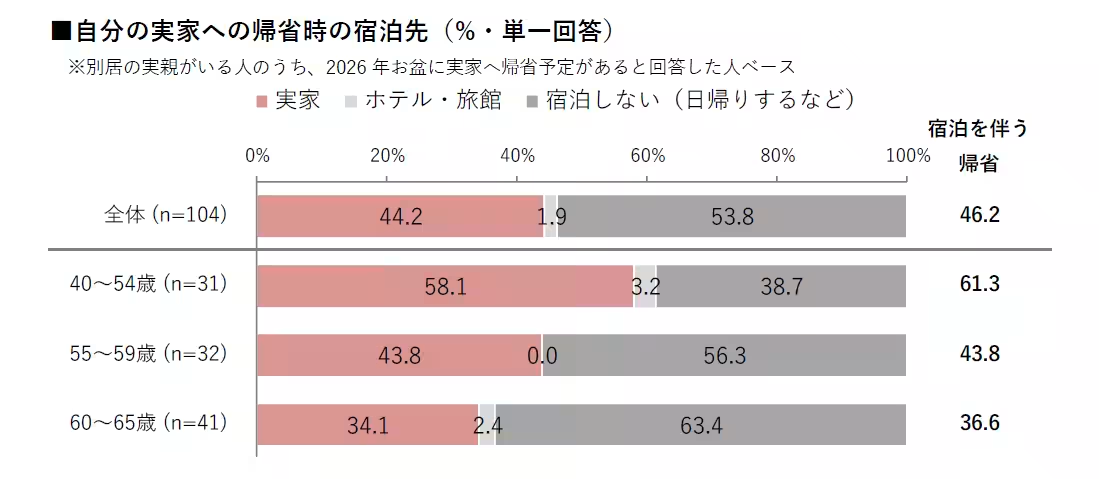
According to the survey results, 41.6% of women with parents living separately plan to return home for the Obon season in 2026. Interestingly, the likelihood of returning home varies significantly across age groups. Among those aged 40 to 54, 61.3% indicated they would stay overnight during their visit, while only 36.6% of respondents aged 60 to 65 plan to do the same. This data illustrates a generational gap in returning styles, with younger women more likely to stay longer than their older counterparts.
Financial Implications of Returning Home
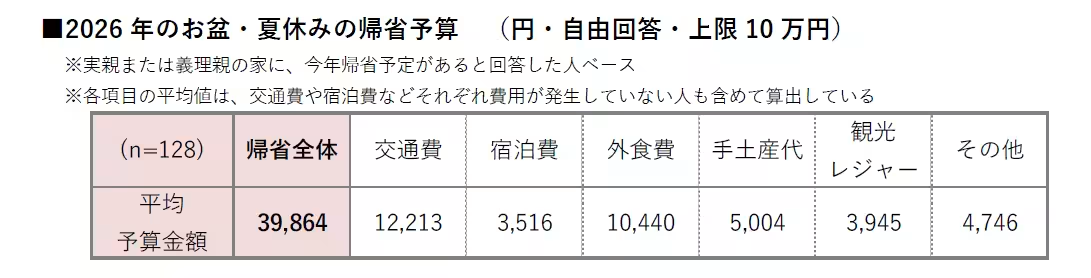
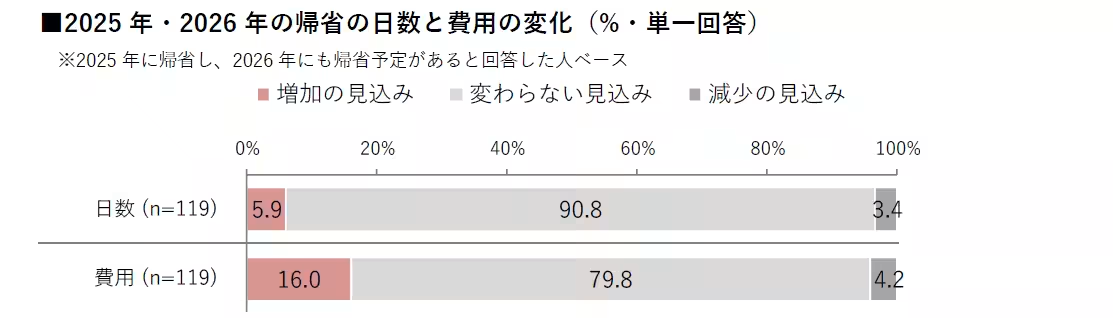
The survey revealed that the average cost associated with returning home during the Obon season is estimated to be 39,864 yen. Most respondents expect their days spent and costs incurred for the return journey to remain unchanged compared to the previous year, despite the rising prices affecting travel expenses, such as transportation and accommodation. Notably, 16% of participants anticipated an increase in costs mainly due to inflation affecting travel expenses, underscoring the economic pressures felt by many.
Experiencing Parent's Aging
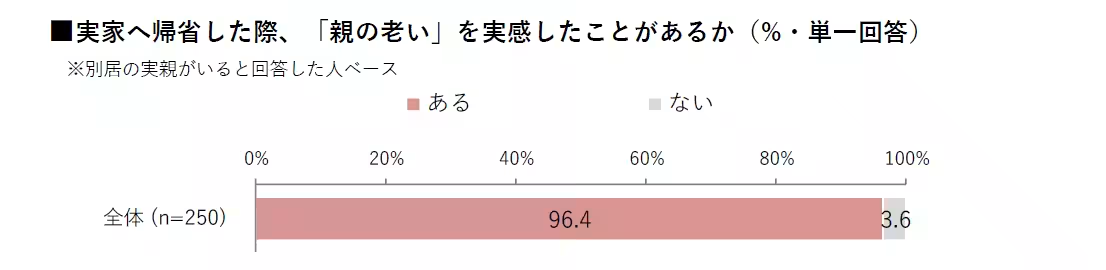
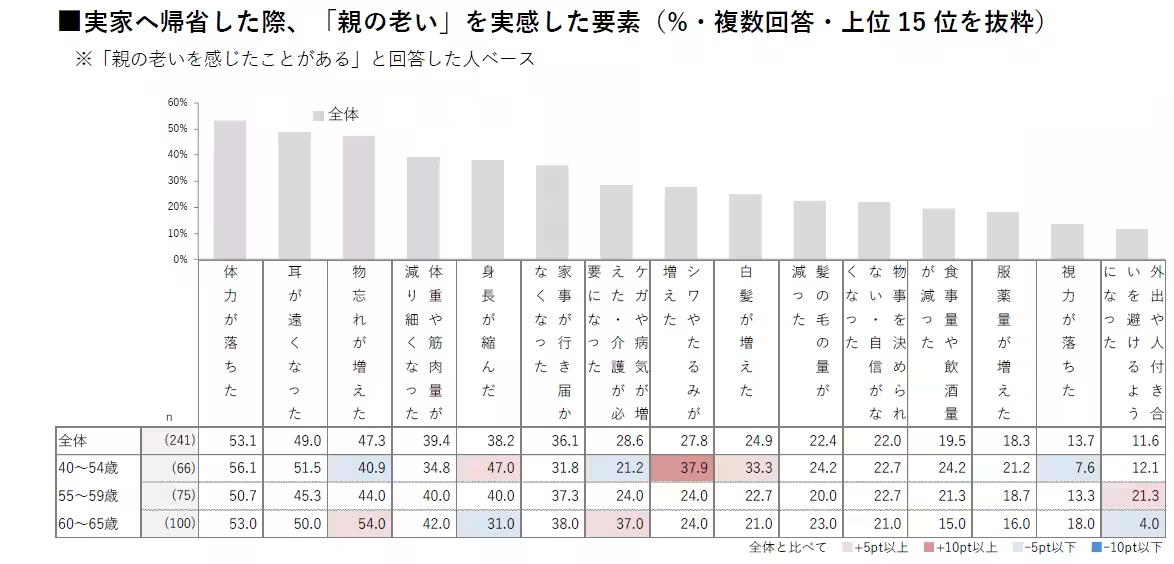
An overwhelming 96.4% of participants reported feeling the tangible effects of aging in their parents during their visits. The most frequently cited indicators of aging included decline in physical fitness (53.1%), hearing loss (49.0%), and increased forgetfulness (47.3%). Furthermore, responses indicate a generational divide in how aging is perceived: older respondents (60-65) were more likely to recognize cognitive declines and healthcare needs, while younger participants (40-54) were more likely to notice visible physical signs of aging.
Reflection on Family and Future Responsibilities
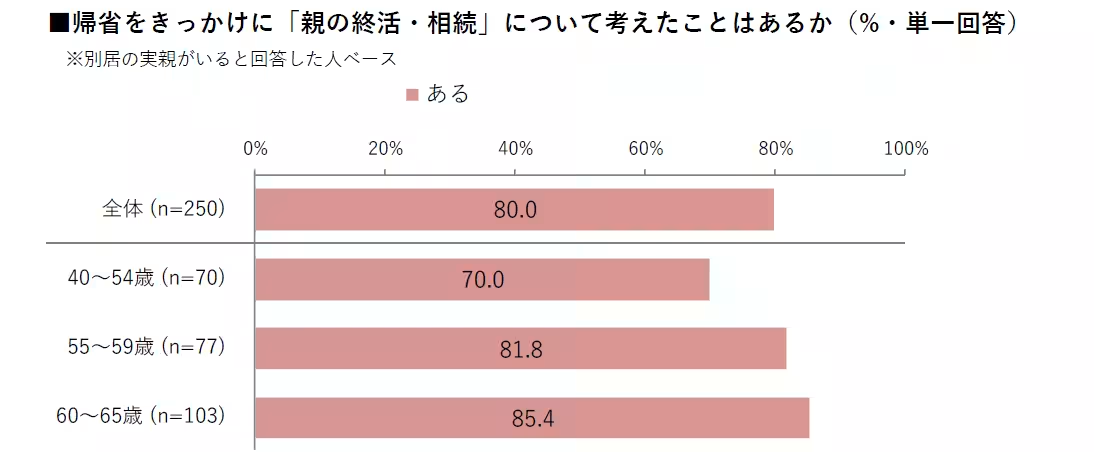
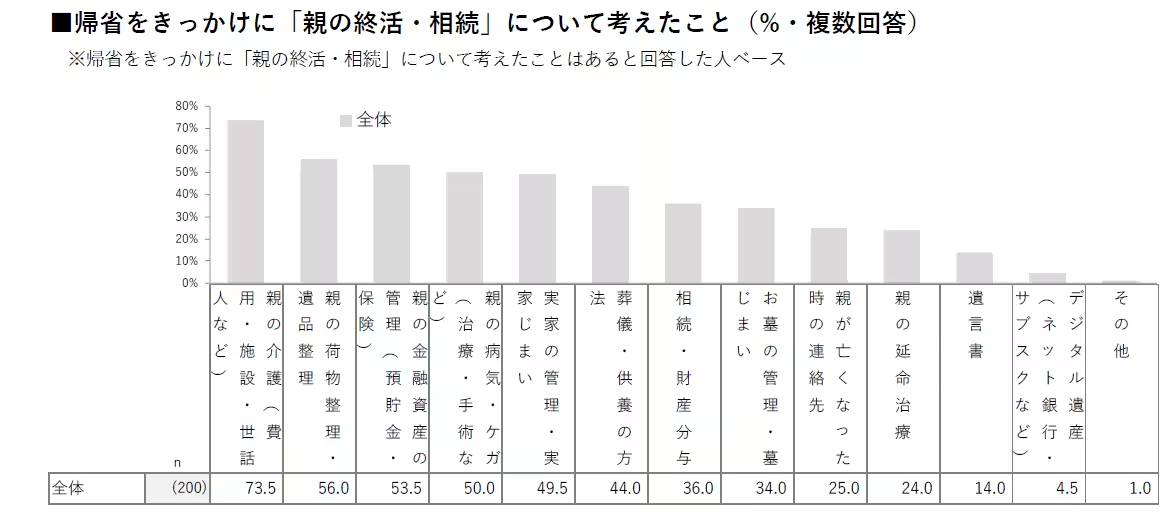
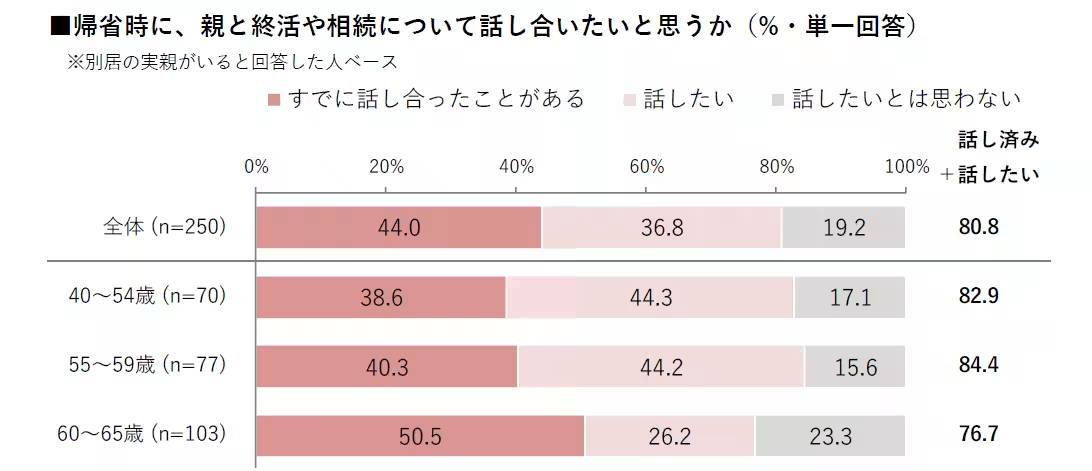
A striking 80% of respondents have considered their parents' end-of-life planning and inheritance, with 50.5% of women aged 60 to 65 noting that they have already discussed these issues with their parents. This conversation reflects a growing awareness among families about the importance of planning for the future. Various issues discussed included elder care and financial management, reinforcing the need for open dialogues about family responsibilities as parents age.
Broader Implications
The survey reveals that for middle-aged women, returning home during the Obon season is not merely a family tradition but a pivotal event for reflecting on the dynamics of aging and family roles. As noted by Misaki Shiraishi, a marketing researcher from HALMEK up, these homecomings are integral moments that lead women to recognize changes in their parents while contemplating their future roles within the family. The ongoing challenges of rising living costs also underscore the importance of staying connected with family during these visits.
Conclusion
The findings from this survey highlight significant trends related to middle-aged women’s return home during the Obon season in 2026. They underscore the blending of family obligation with shifting perspectives on aging, responsibility, and economic conditions. As society continues to evolve, so too does the format and meaning of such family gatherings, making these insights essential for understanding the changing landscape of familial relationships among middle-aged women in Japan. The HALMEK up initiative aims to provide relevant information and support to help navigate these transitions, fostering better understanding and communication within families.

Topics People & Culture)

【About Using Articles】
You can freely use the title and article content by linking to the page where the article is posted.
※ Images cannot be used.
【About Links】
Links are free to use.