



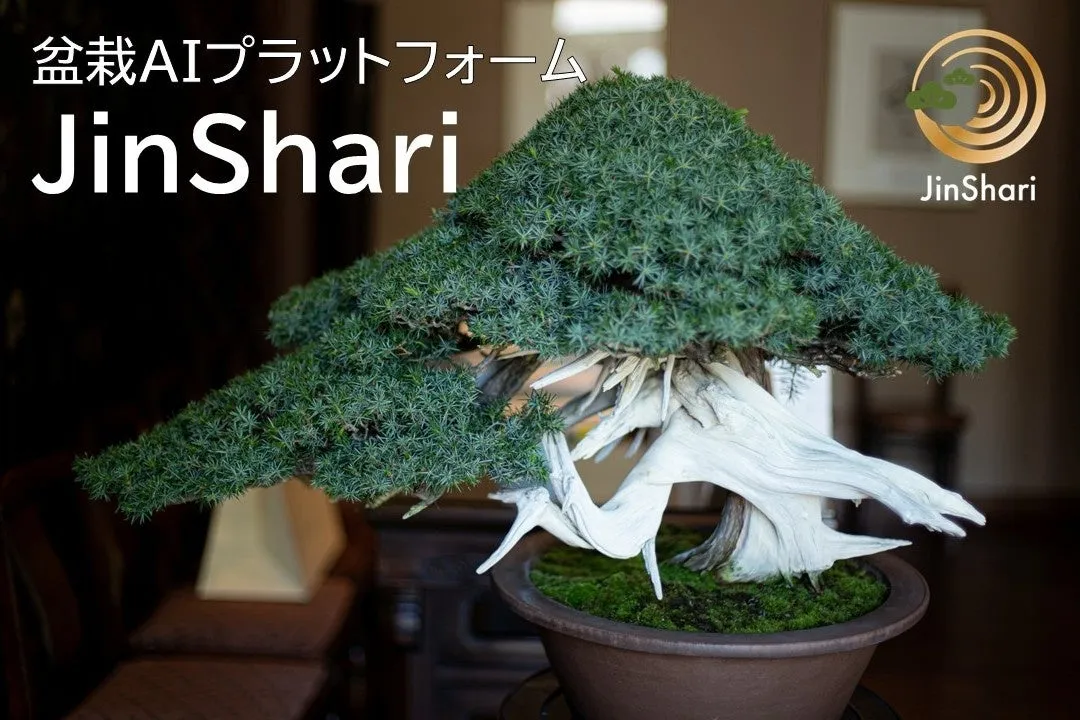
Introduction of JinShari: The Bonsai AI Platform at the World Bonsai Convention 2026
JinShari: Unveiling the Bonsai AI Platform
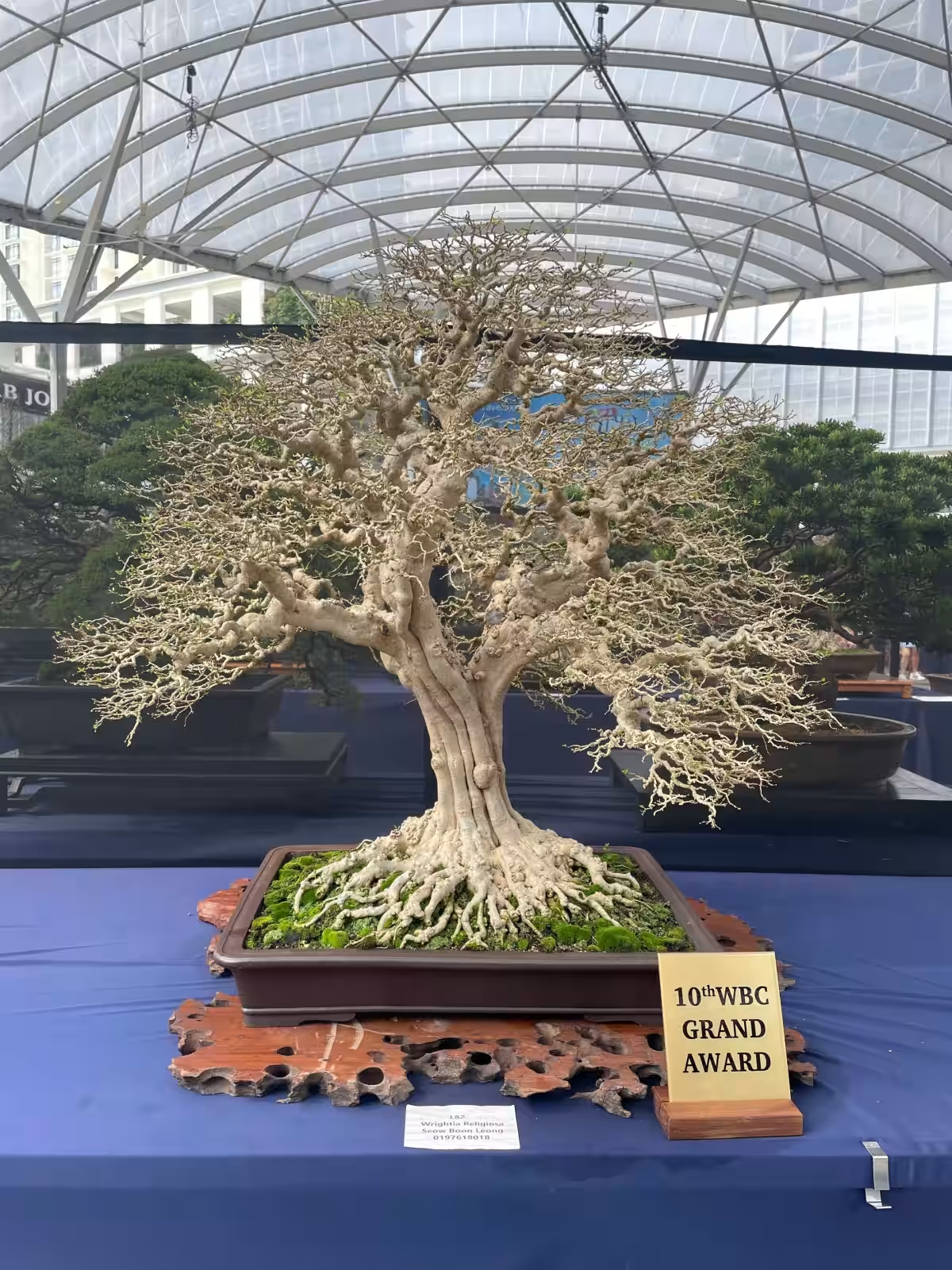
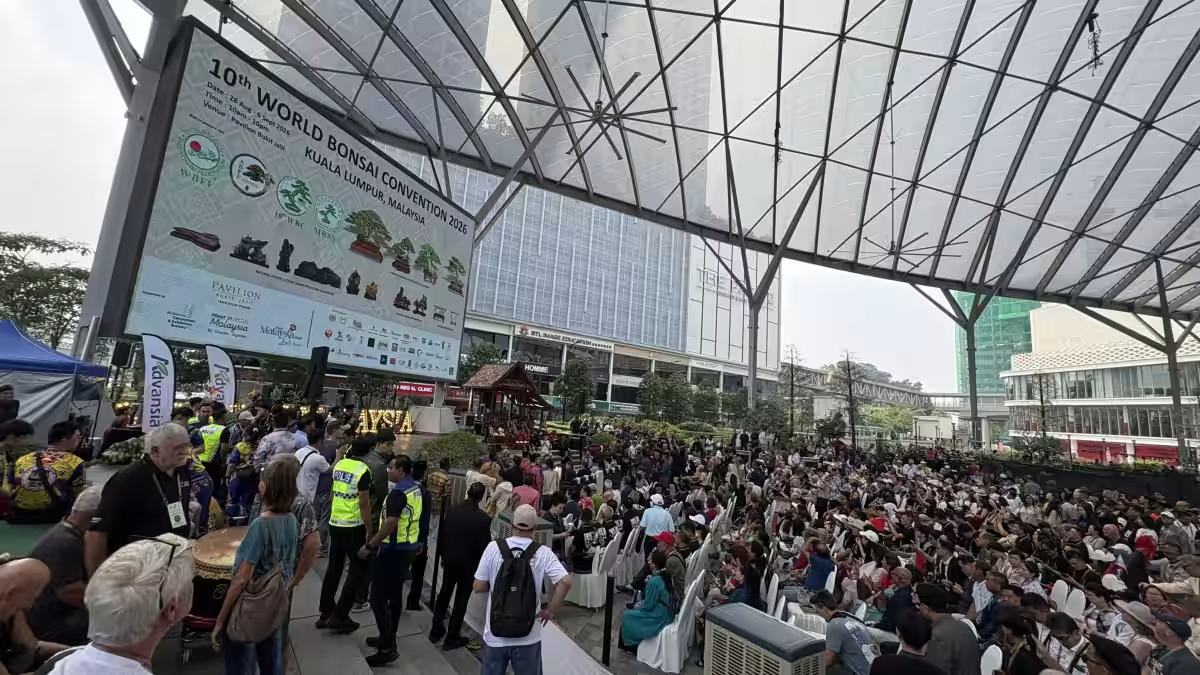
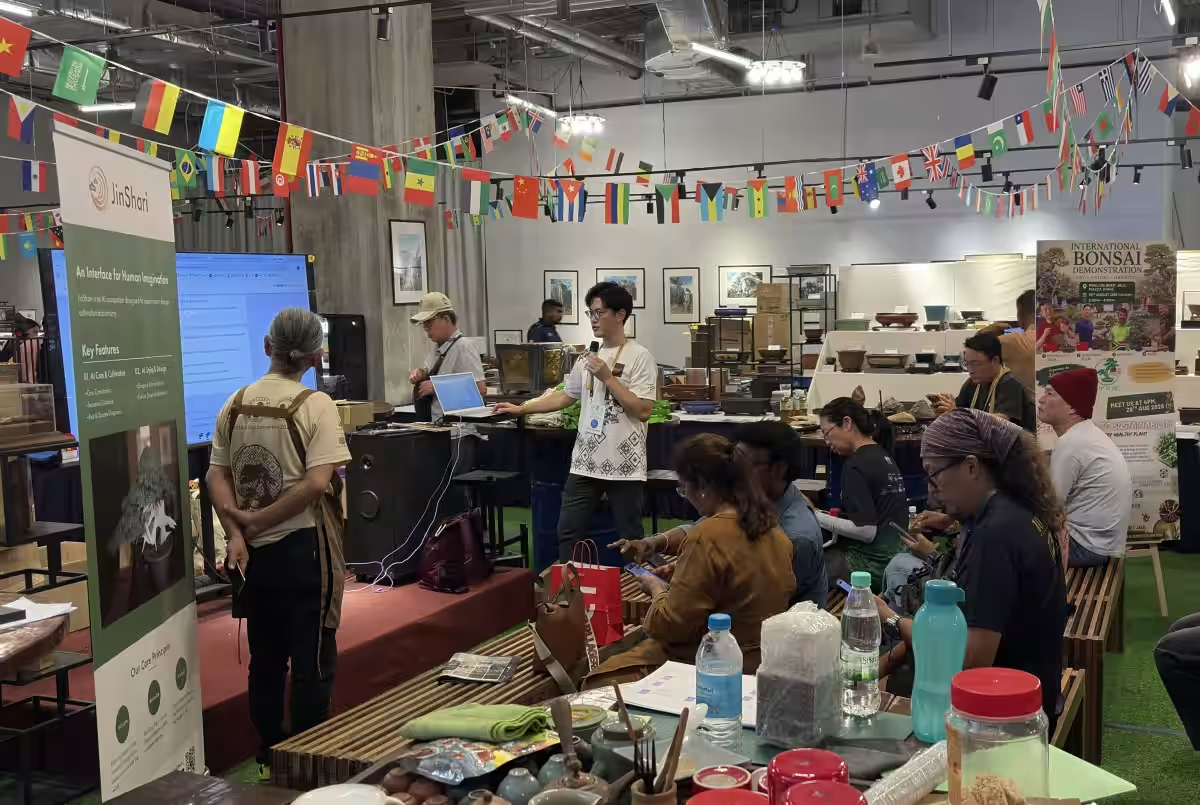
In a remarkable event that brought together bonsai enthusiasts from around the world, the JinShari bonsai AI platform was officially launched during the 10th World Bonsai Convention, which took place in Kuala Lumpur, Malaysia, from August 28 to 31, 2026. This prestigious gathering saw participation from approximately 40 countries, celebrating the intricate art and culture of bonsai.
What is JinShari?
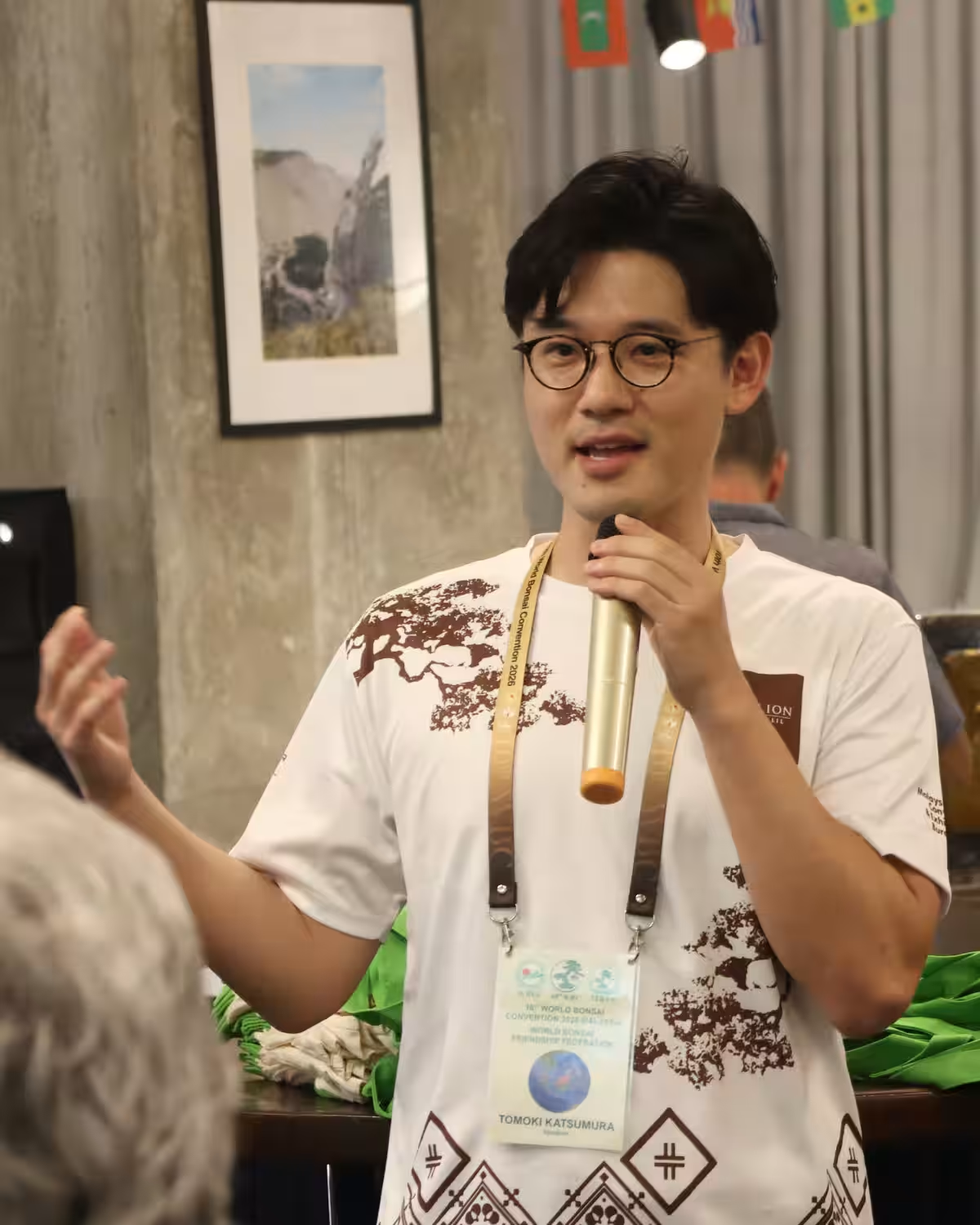
The name JinShari derives from the traditional bonsai terminology, where the dead wood is referred to as "Jin" and the trunk as "Shari." This naming underscores the unique aesthetics of bonsai that intertwine life and death. The project is led by a research team from the Graduate School of Agricultural and Life Sciences at the University of Tokyo, headed by Tomoki Katsumura, who is pursuing a doctoral degree.
The primary goal of JinShari is to articulate the beauty of bonsai into a language that can be understood and utilized by AI systems. To fund this ambitious venture, the team has launched a crowdfunding campaign on the academic crowdfunding platform, academist.
Crowdfunding Project Details
The project titled "Delivering the Charm of Bonsai Worldwide" invites supporters to contribute from September 1, 2026, to October 29, 2026. By participating in this initiative, backers can help in the research and development of an AI platform that will assist bonsai enthusiasts in their cultivation efforts.
- - Project Page: academist
- - Funding Period: September 1 – October 29, 2026
- - Key Members: Tomoki Katsumura and Atsushi Yokoyama, both doctoral candidates at the University of Tokyo.
World Bonsai Convention 2026
The World Bonsai Convention is a significant event held every four years, showcasing the global bonsai community's passion. The theme for the 2026 convention was "Unity in Diversity," illustrating how the art of bonsai transcends cultural and climatic boundaries, uniting people from various backgrounds.
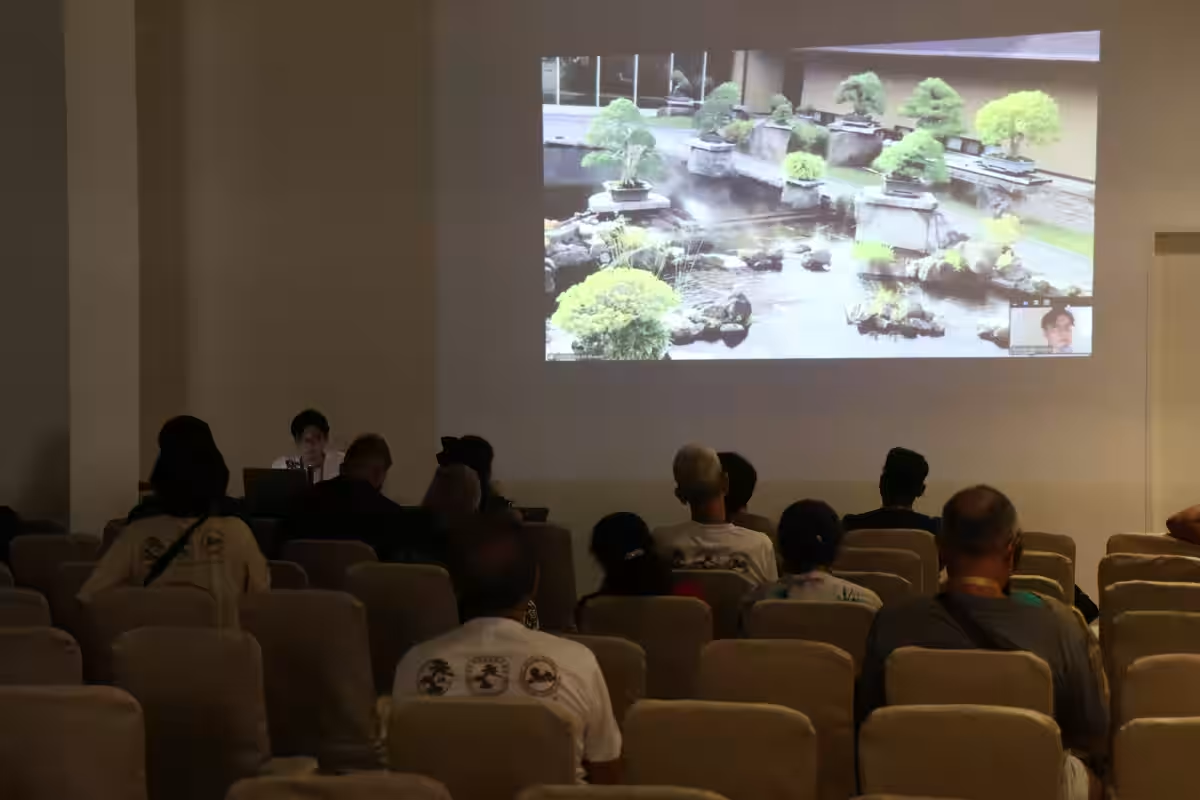
At this event, attendees experienced demonstrations by world-class bonsai artists, highlighting the international appeal and fervor for this art form. A notable feature of this convention was the partnership with the Omiya Bonsai Art Museum in Japan, which facilitated an online session connecting local and international audiences. This session included a virtual tour and discussions on the cultural significance of bonsai, encompassing topics like metaphor in bonsai arrangements.
JinShari AI Platform Features
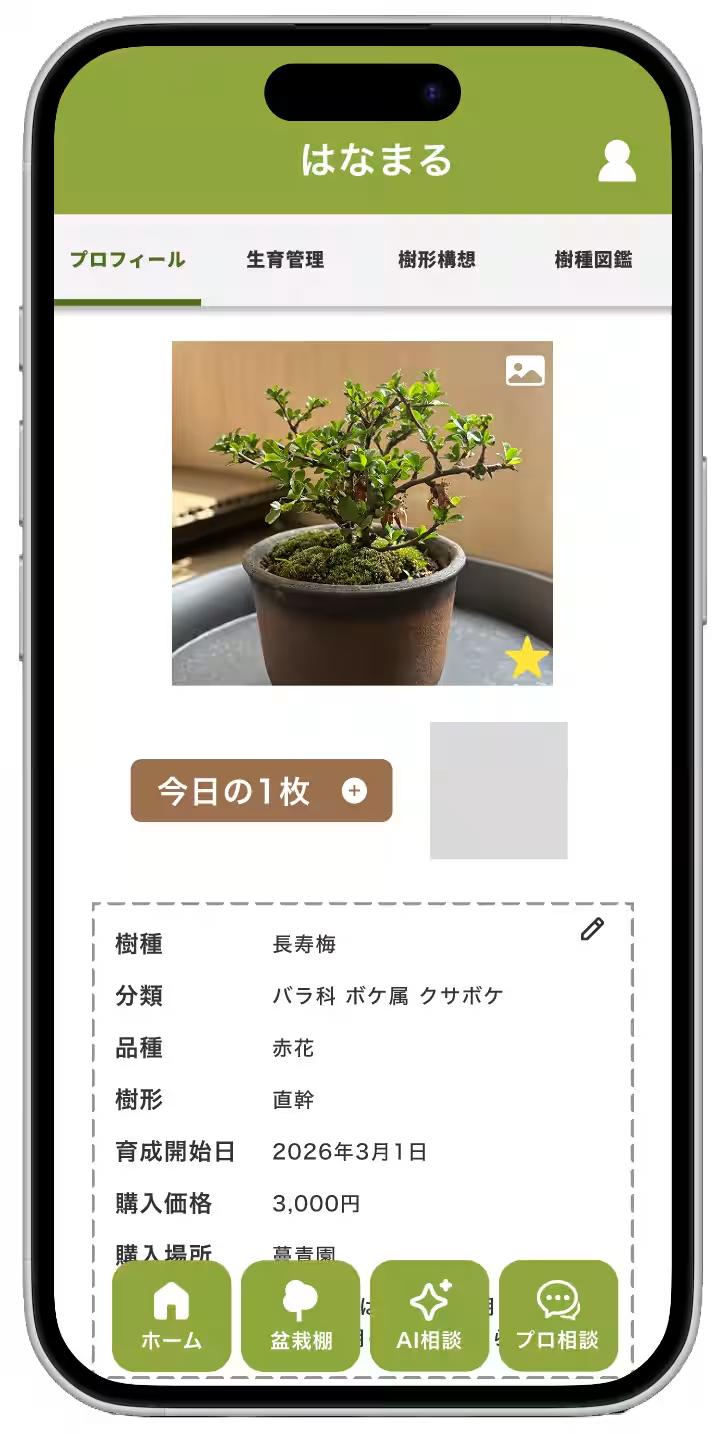
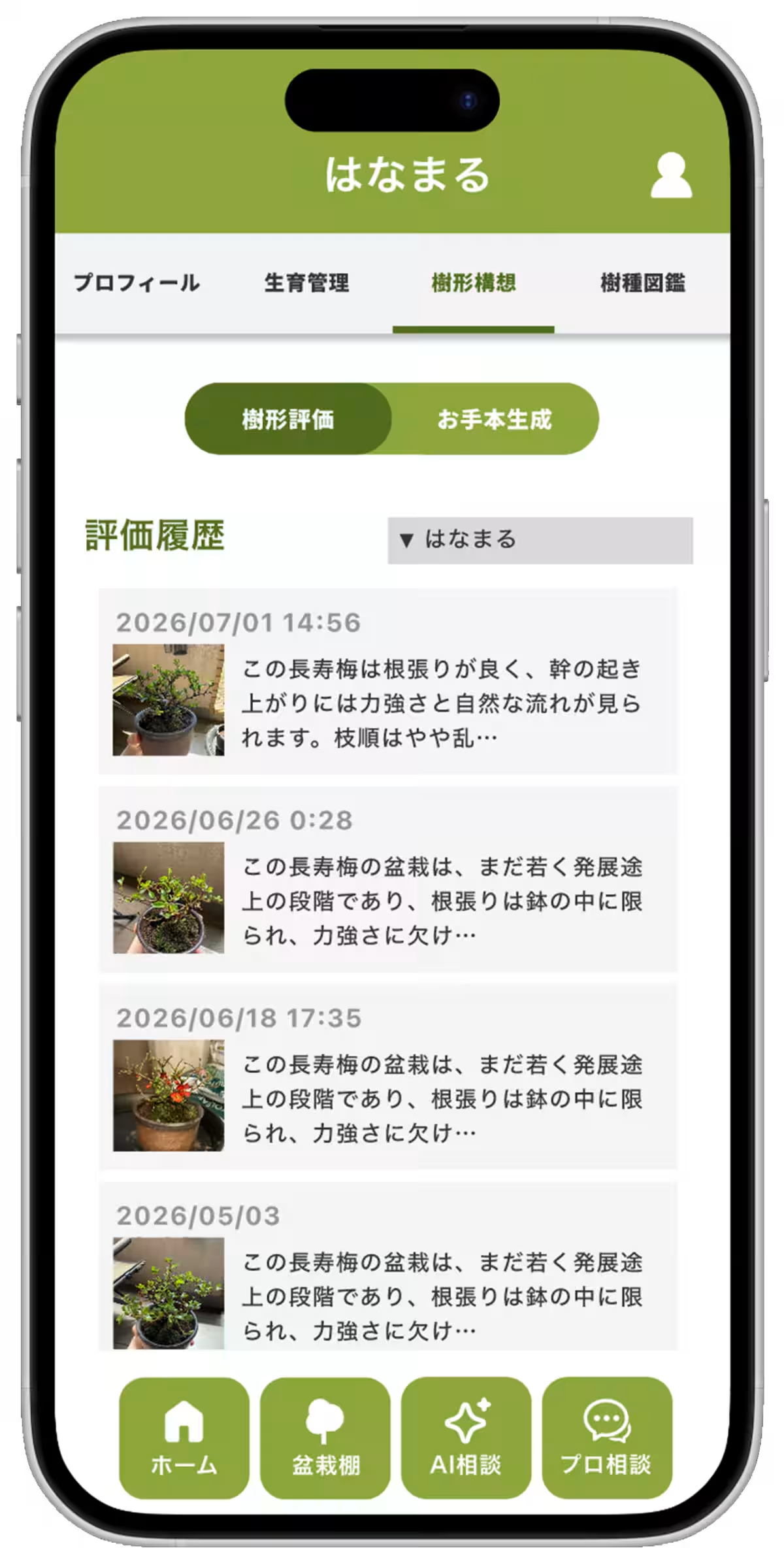
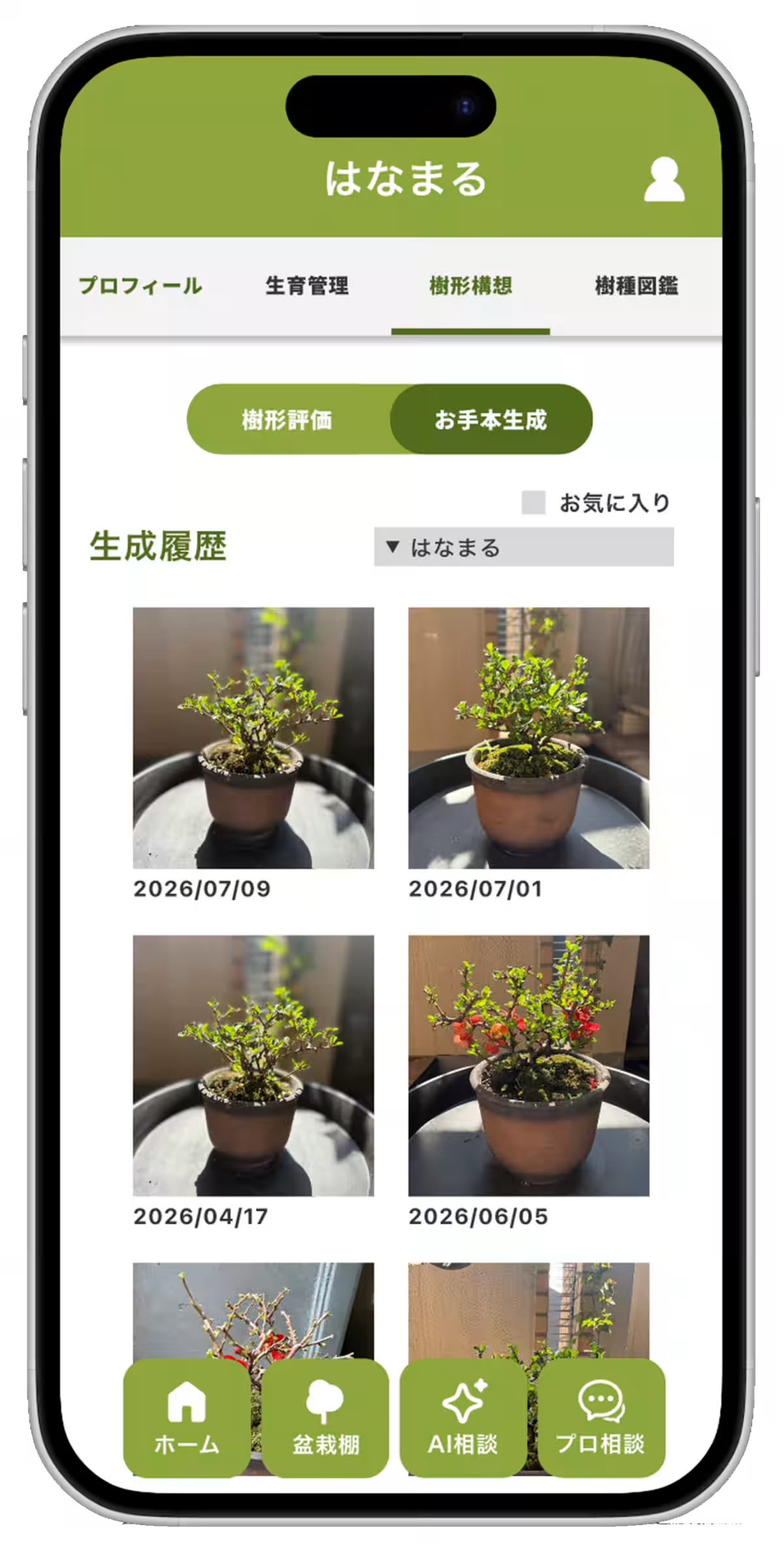
During the convention, JinShari's core features were showcased, focusing on advanced functionalities such as AI-assisted cultivation management and simulation of ideal bonsai shapes based on species and location. Attendees could engage with a prototype of the AI platform that visualized the highlights of a bonsai just by taking a photo with their smartphones.
The introduction of JinShari sparked discussions on the varying standards of bonsai evaluation across different cultures, emphasizing the need to understand diverse aesthetic perceptions rather than strictly adhering to Japanese norms. The interaction between the bonsai and its caretaker is profoundly personal, often occurring during daily maintenance such as watering and pruning, moments where the bond deepens.
Cultural and Academic Approach
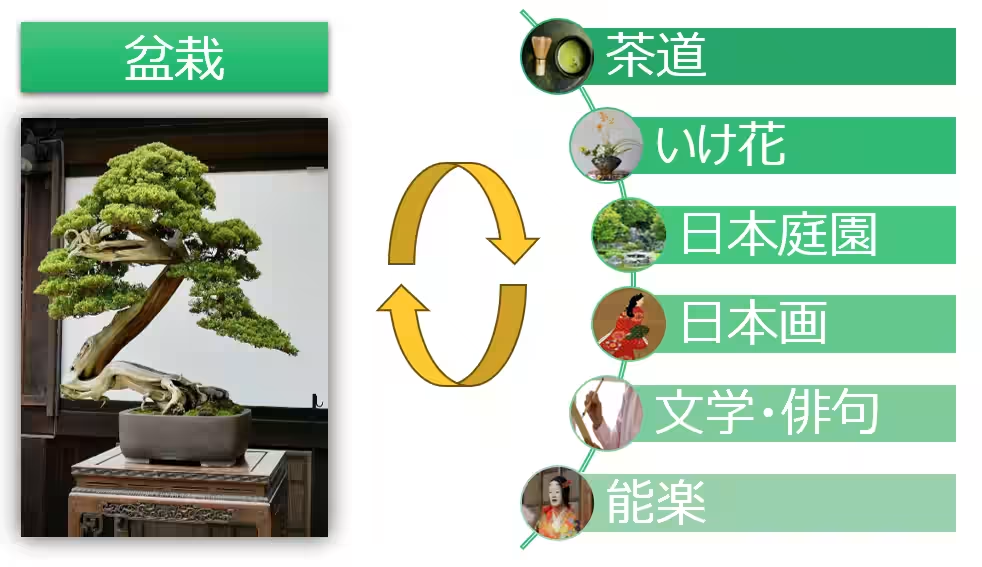
The JinShari project seeks to build a bridge between bonsai beauty and wider Japanese cultural contexts. By employing digital humanities techniques, the project aims to transform the often intuitive understanding of bonsai aesthetics into an objective lexicon. This systematic approach will not only lay the groundwork for cultural database integration but will also enhance the global exchange of ideas about bonsai art.
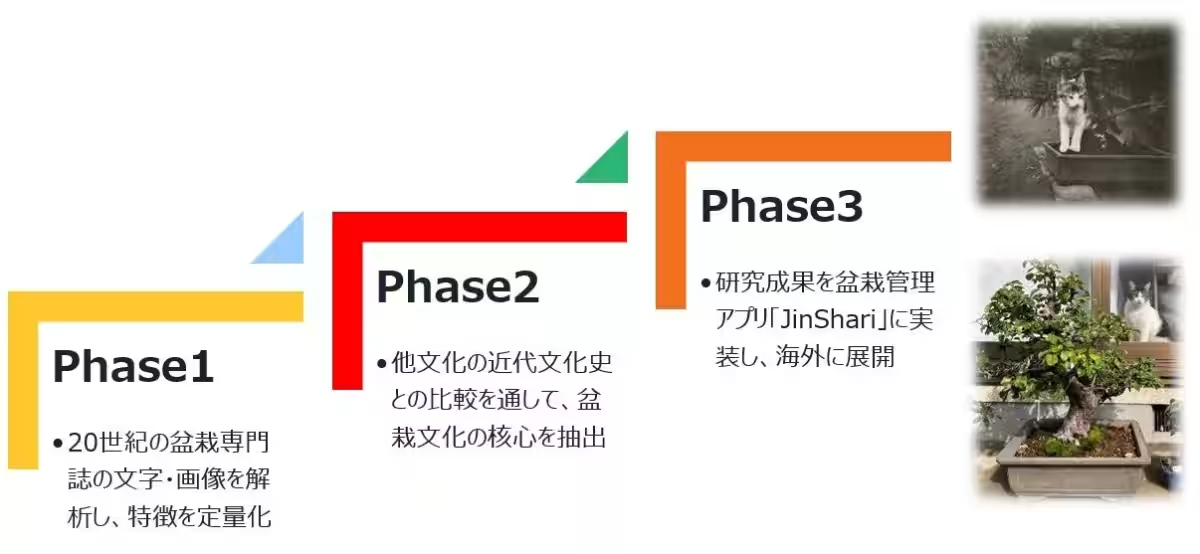
The project's multi-phase framework includes:
1. Articulating Aesthetics: Diligently analyzing historical discourses to delineate concepts such as "Ma" (negative space) and "Wabi-Sabi" within bonsai art.
2. Comparative Studies: Investigating aesthetics across other Japanese cultural domains including tea ceremonies and ikebana, establishing connections and differences.
3. Integration with AI: Creating a cultural database through AI to support everyday bonsai care, linking philosophical backgrounds to practical maintenance tasks.
Future Directions and Impact
The ultimate aspiration of JinShari is to serve as a gateway to understanding Japanese culture globally while recognizing and appreciating diverse representations of bonsai across various regions. The platform aims to foster intercultural dialogues, drawing connections between bonsai creation and broader Japanese artistic practices.
As stated by Tomoki Katsumura during the event, it is imperative to articulate the beauty inherent in bonsai in a form that is comprehensible to a global audience. This not only honors the tradition of bonsai art but also enables a deeper understanding and respect for diverse aesthetic values worldwide. The support and cooperation received from local institutions like the Saitama City Office and the Omiya Bonsai Art Museum have been invaluable in sparking this rich dialogue and collaboration.
By harnessing AI technologies and cultural insights, JinShari aspires to revolutionize the bonsai experience, enriching the practice while fostering a global community of enthusiasts who appreciate the shared values of beauty, patience, and the delicate balance of nature.
Topics People & Culture)
【About Using Articles】
You can freely use the title and article content by linking to the page where the article is posted.
※ Images cannot be used.
【About Links】
Links are free to use.