



Trend of 'Shifting Stations': A Solution Amidst Rising Rent Costs
The Rising Trend of 'Shifting Stations' in Japan: A Practical Solution to Soaring Rent Costs
As Japan faces an upward trend in rent prices, a novel solution is emerging for residents aiming to reduce their living expenses: the concept of 'Shifting Stations.' This term describes train stations that are slightly further away from busy terminal stations, enabling residents to benefit from lower rent while maintaining reasonable access to key urban areas.
Understanding the 'Shifting Stations' Concept
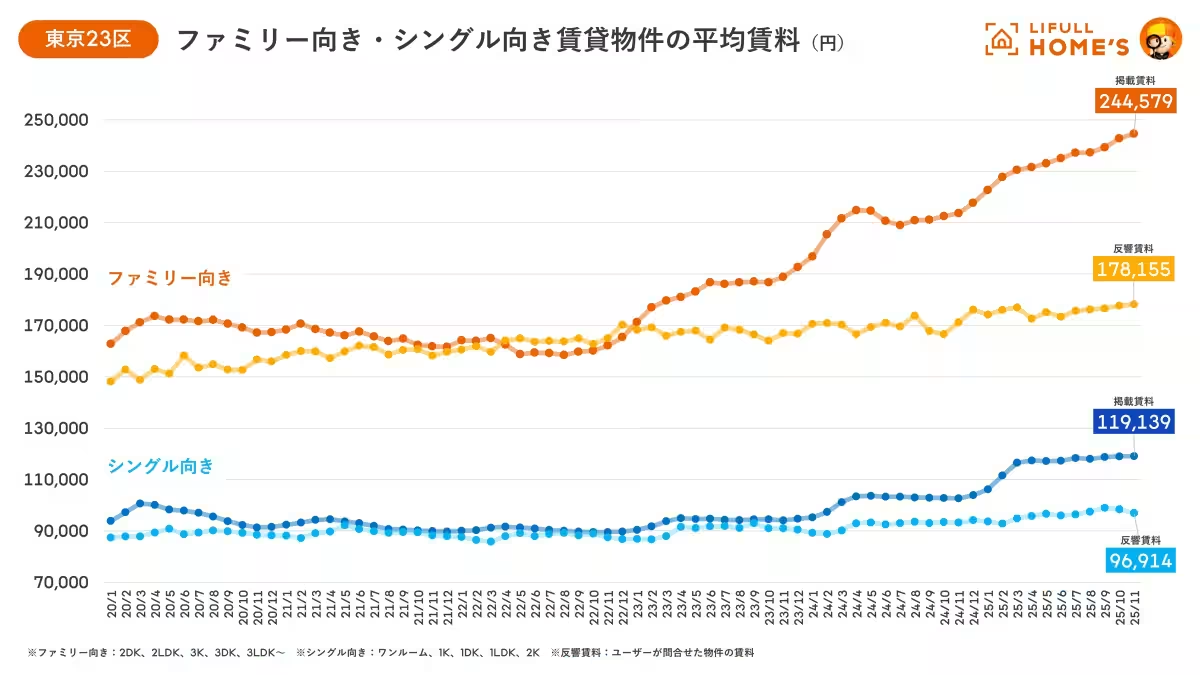
According to a recent report from LIFULL HOME'S, a leading real estate service in Japan, the average rent for family-oriented apartments in Tokyo's 23 wards has surged to ¥244,579, representing a staggering 114.5% increase compared to the previous year. For single apartments, the average rent stands at ¥119,139, a 116.1% increase. This scenario has prompted many to explore nearby stations that offer similar access to public transportation but at more affordable prices.
Key Areas for 'Shifting Stations'
1. Ikebukuro Area
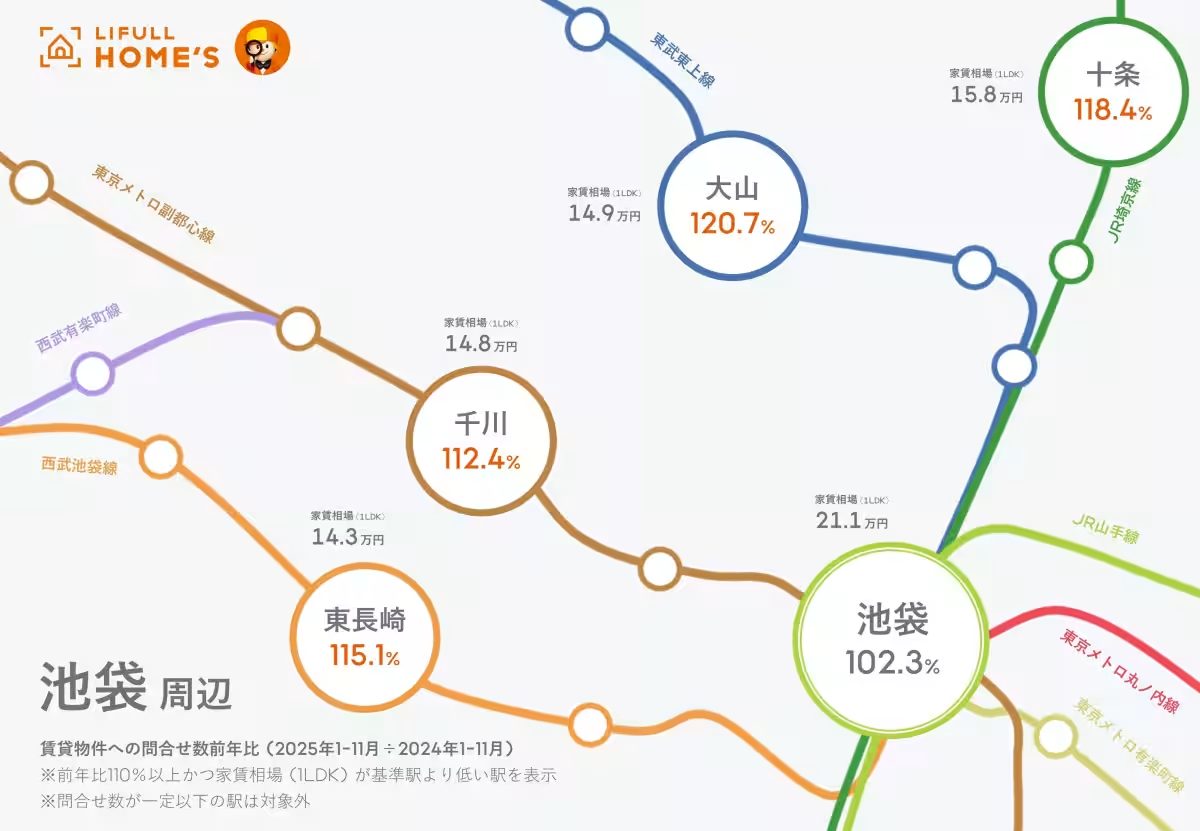
Ikebukuro is a popular terminal station and is ranked 10th in the 'Top Desired Rental Areas in the Tokyo Metropolitan Area' for 2025. Despite its popularity, inquiries for apartments in Ikebukuro increased by only 102.3%. In contrast, nearby stations such as Ooyama, Jujo, Senkawa, and Higashinagasaki each showed over a 110% increase in inquiries.
For instance, the average rent for a 1LDK apartment in Ikebukuro is ¥211,000, while those near Jujo, Ooyama, and Senkawa are significantly lower, at approximately ¥15,800, ¥14,900, and ¥14,800, respectively. Thus, moving just two or three stations away can save residents ¥5,000 to ¥6,000 in rent, providing a substantial reduction in living costs.
2. Akabane Area
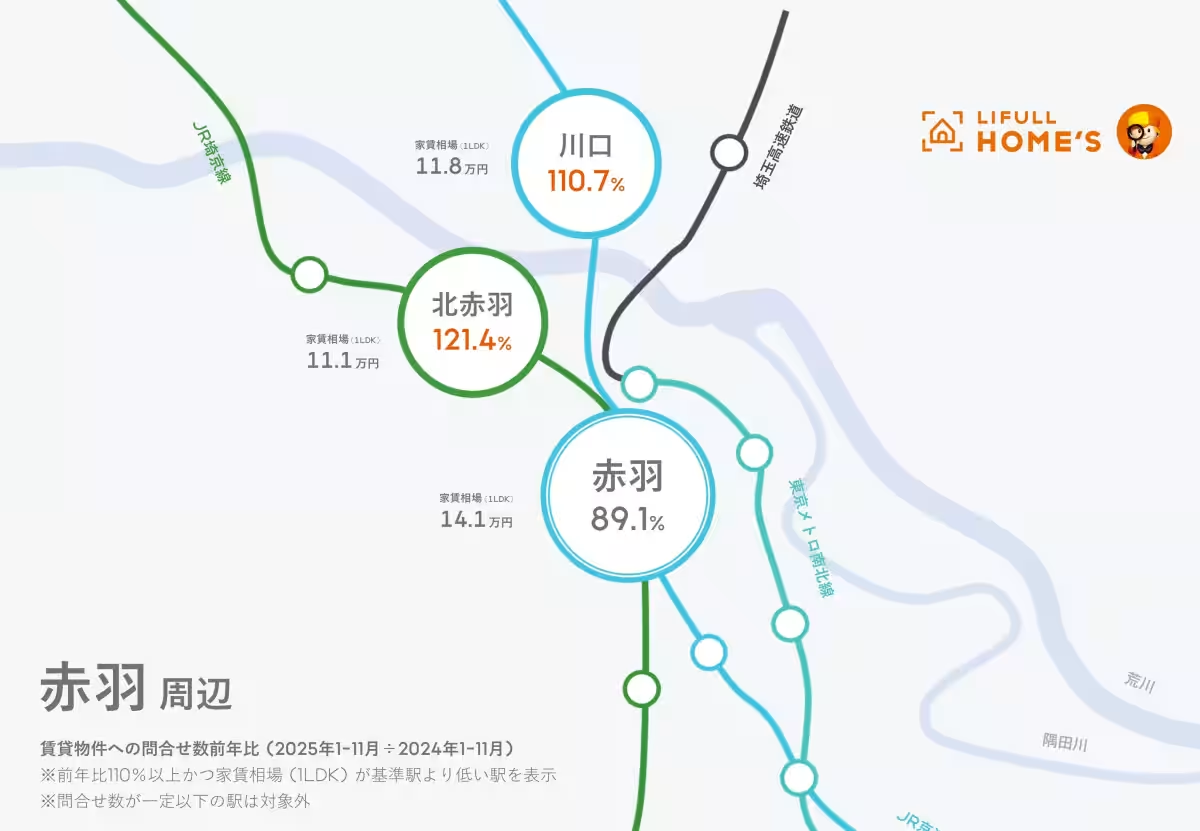
Akabane serves as a key northern terminal with multiple train lines. Despite a decline in inquiries to 89.1% compared to last year, neighboring stations like Kita-Akabane and Kawaguchi have seen a significant increase in interest.
The rent for a 1LDK in Akabane stands at ¥141,000, while rents in Kita-Akabane and Kawaguchi drop to around ¥111,000 and ¥118,000, respectively. Moving to these adjacent stations can thus lead to rent savings of ¥20,000 to ¥30,000.
3. Machida Area
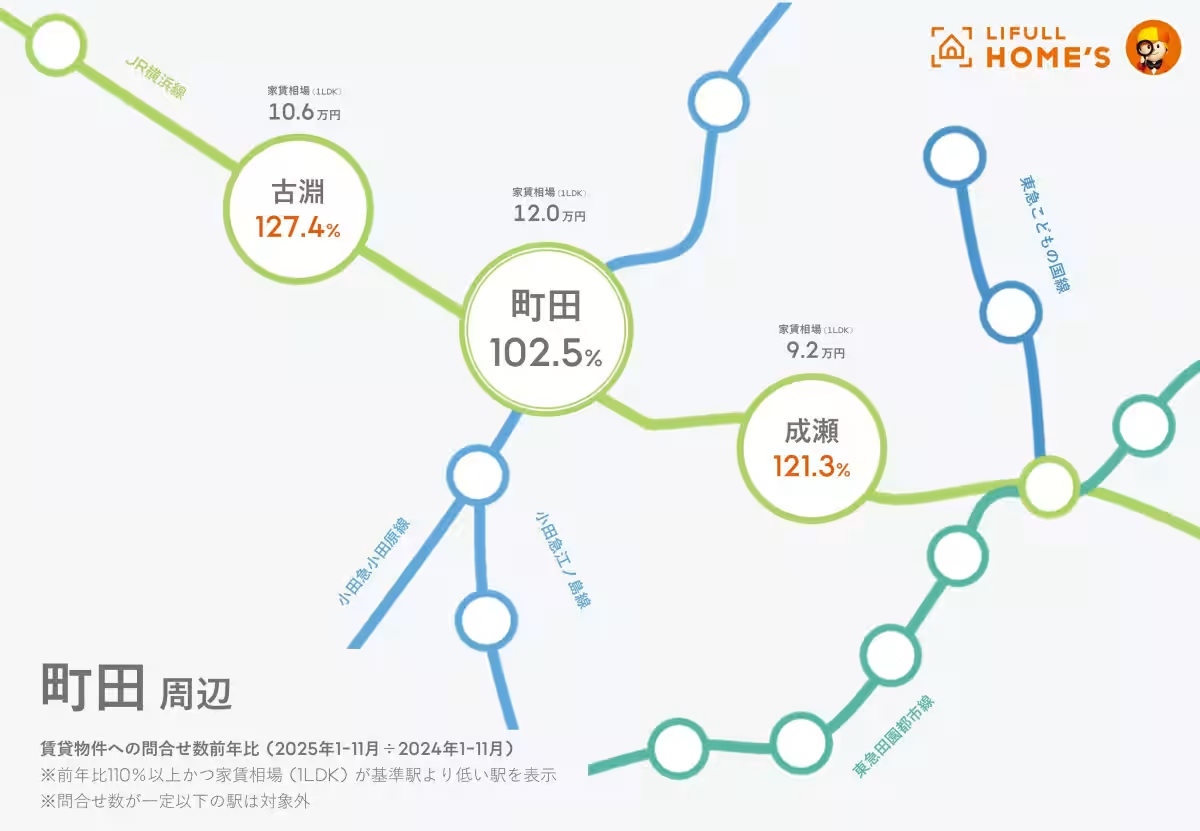
Machida is also experiencing this shift, showing a 102.5% increase in apartment inquiries. Neighboring stations such as Kobuchi and Naruse, however, have seen a notable rise in demand. The average rent in Machida for a 1LDK is ¥120,000, whereas in Kobuchi and Naruse it's ¥106,000 and ¥92,000, leading to potential savings of ¥10,000 to ¥20,000.
4. Omiya Area
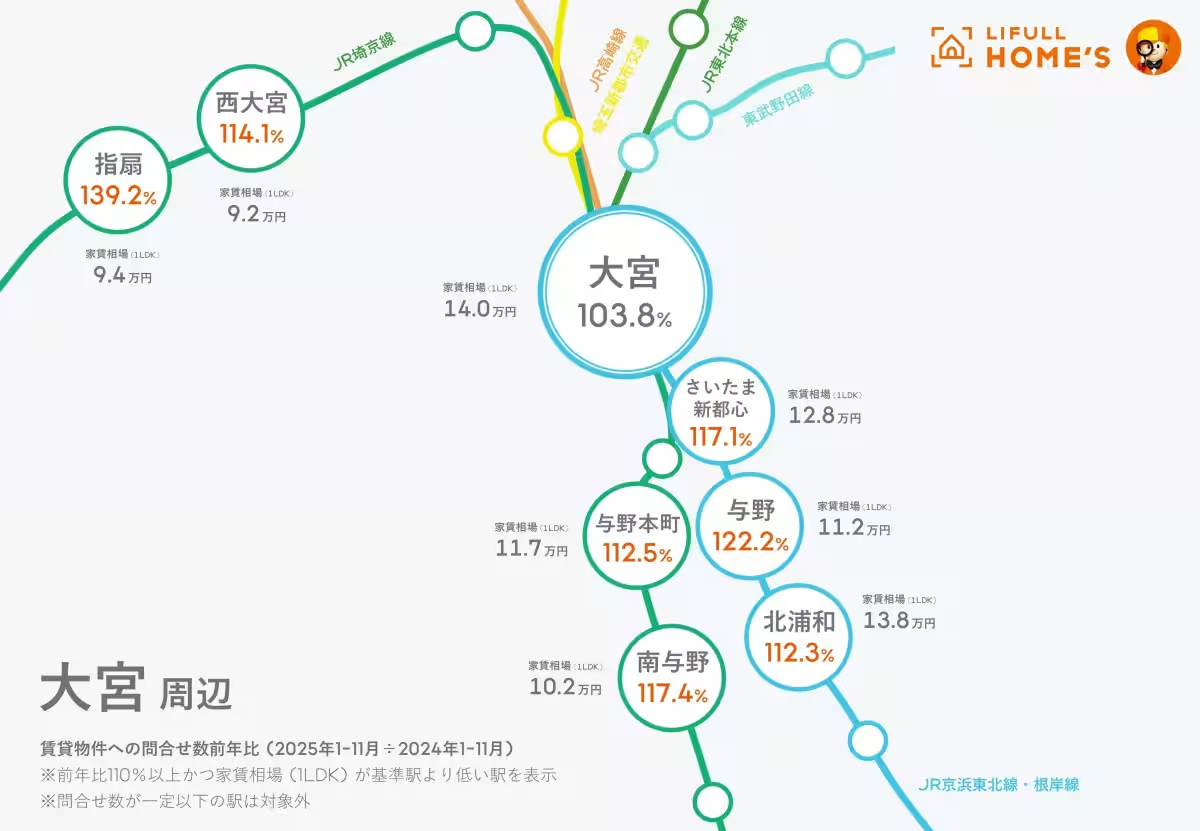
As a major terminal in the Saitama region, Omiya is observing the 'Shifting Stations' principle in action too. With inquiry numbers up 103.8%, commuters are shifting to smaller stations like Sashiogi and Nishi-Omiya, where rent for a 1LDK is notably cheaper at ¥94,000 and ¥92,000, compared to Omiya’s ¥140,000. Moving slightly can save residents £4,600 to ¥2,300 a month.
Economic Benefits of 'Shifting Stations'
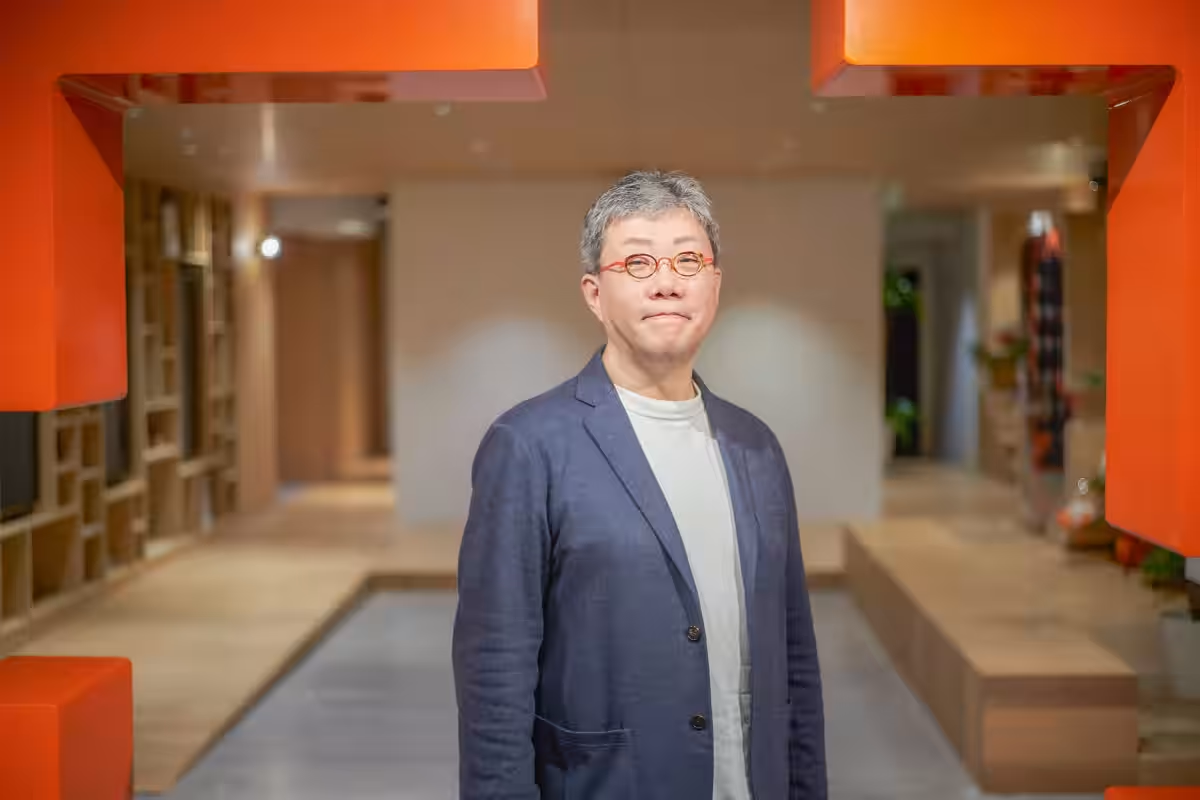
LIFULL HOME'S chief analyst Toshirou Nakayama highlighted that the trend of 'Shifting Stations' effectively meets the growing need for affordable living options without compromising too much on convenience.
By opting for these slightly remote stations, residents can enjoy the full benefits of public transportation while effectively reducing their overall living costs. Nakayama emphasizes that as the economic situation persists with inflation and stagnant wages, this strategy will become even more vital for those adapting to financial pressures.
Conclusion
In this dynamic rental landscape, the 'Shifting Stations' trend is a practical solution for home seekers in Japan. As the report indicates, understanding this movement could enable residents to secure housing that balances affordability and accessibility. In a context where renting in prime areas can lead to financial strain, considering nearby, less popular stations might just pave the way for a more economically sustainable lifestyle.
Topics Consumer Products & Retail)
【About Using Articles】
You can freely use the title and article content by linking to the page where the article is posted.
※ Images cannot be used.
【About Links】
Links are free to use.