



Exploring Difficult Heritage Through Art: The Okawa Elementary School Project Exhibition
Engaging with Difficult Heritage at Tokyo University of the Arts
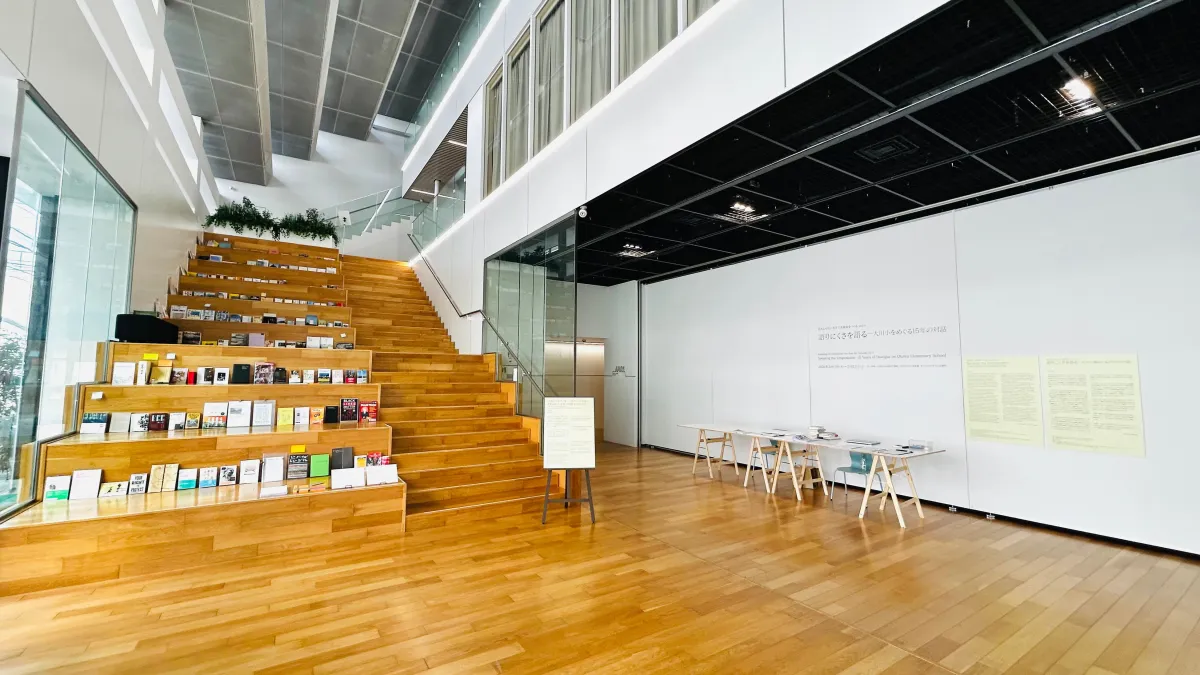
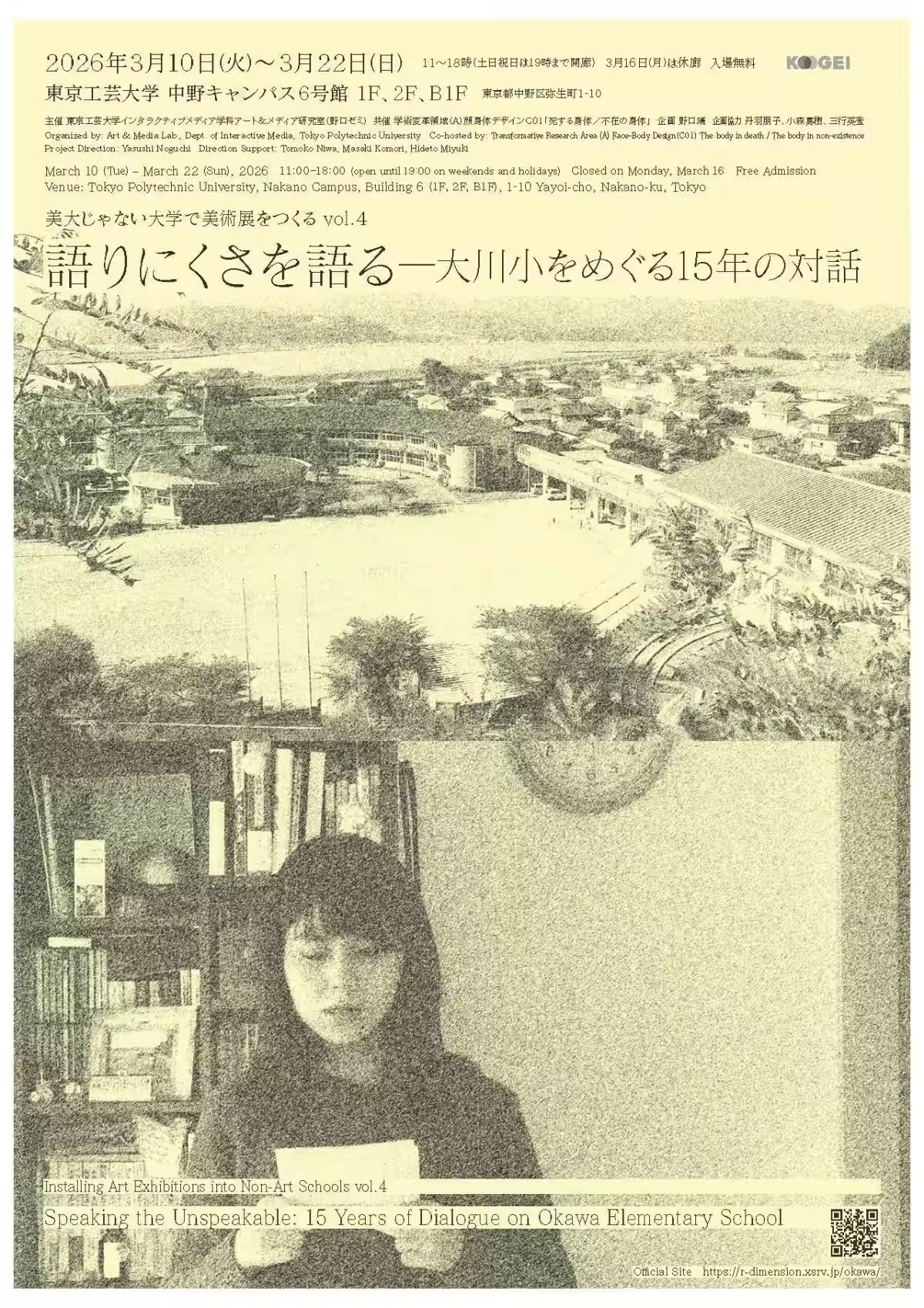
In an innovative exhibition titled "Exploring the Difficulty of Narration: A 15-Year Dialogue Regarding Okawa Elementary School," students from the Interactive Media Department at Tokyo University of the Arts have created immersive works that confront the impact of the Great East Japan Earthquake. The exhibition focuses on the devastating tsunami incident that occurred at the former Okawa Elementary School in Ishinomaki, Miyagi Prefecture.
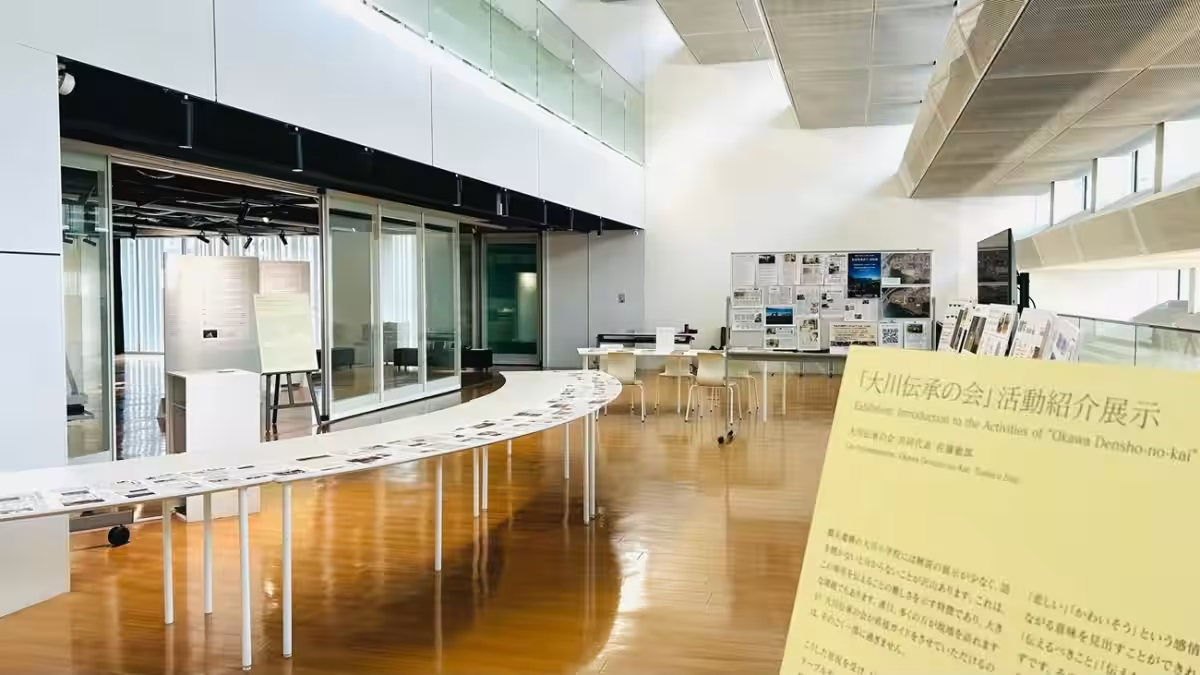
This event, taking place until March 22, 2026, at the university's Nakano campus, offers a platform for students to showcase their artistic interpretations and reflections on a tragedy that has shaped the community's consciousness over the past 15 years. The exhibition also features a collection of archival materials documenting the activities of the families affected and a series of interactive programs through which attendees can engage.
Understanding the Changing Narrative
As time passes, societal interest in the earthquake evolves. A recent survey by the 3.11 Memorial Network indicates a steady decline in visitor numbers to earthquake-related memorial facilities in the Tohoku region. This dimming attention towards significant historical tragedies highlights the necessity for this exhibition.
Under the guidance of Professor Yasushi Noguchi, the project seeks to re-examine the multifaceted narratives surrounding the Okawa Elementary incident. It allows for diverse expressions and expertise to be explored through academic lenses and artistic expressions, rigorously investigating how difficult heritage can be preserved and communicated to future generations.
Immersive Student Projects
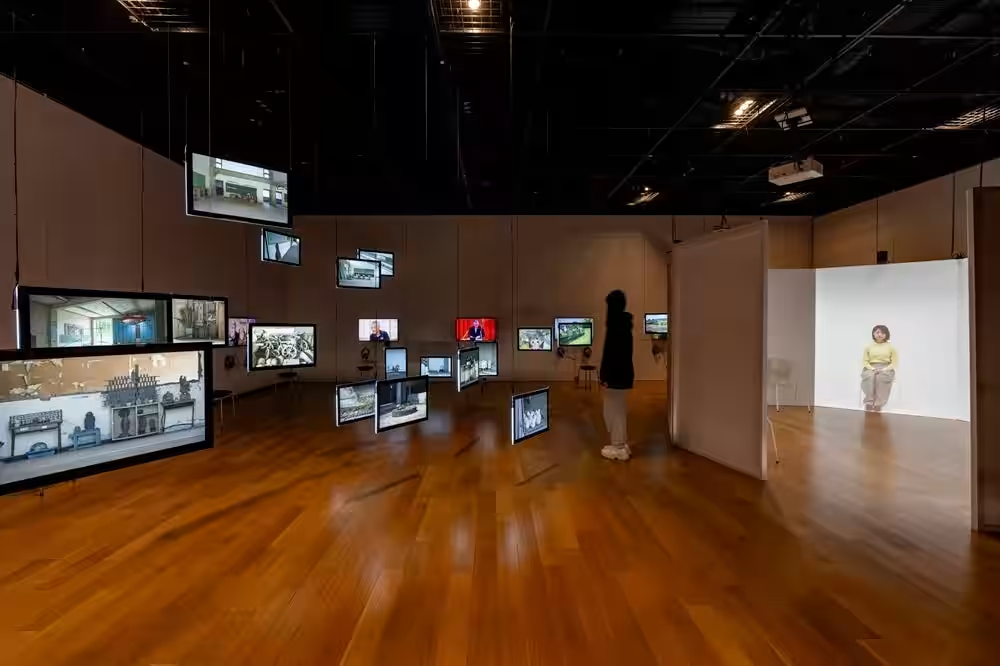
This exhibition features several student projects that bring reflections on the tsunami into a contemporary context. Notably, the works include "Memory and Choice" and "Opening Up".
- - Memory and Choice is an interactive piece asking participants to consider the question, "What if I lived in this city?" Visitors step into the role of Ishinomaki residents, navigating through decisions that simulate the experience leading up to and during the disaster. This approach enables a deeper understanding of the urgency and complexity surrounding disaster preparedness.
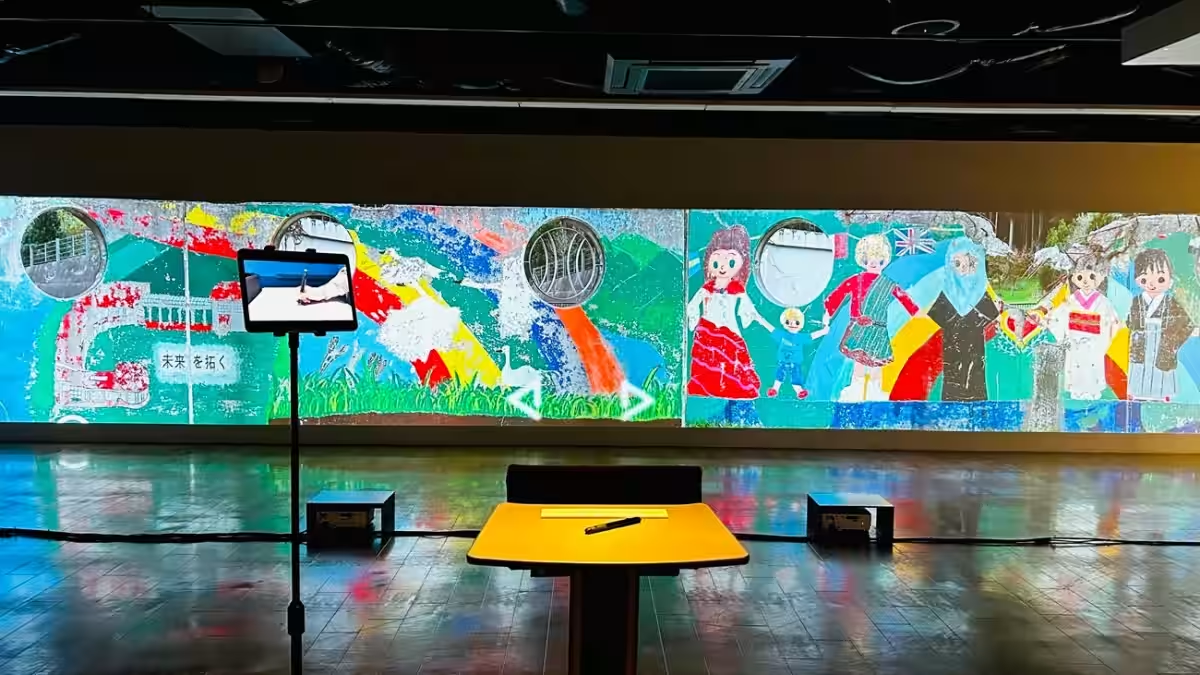
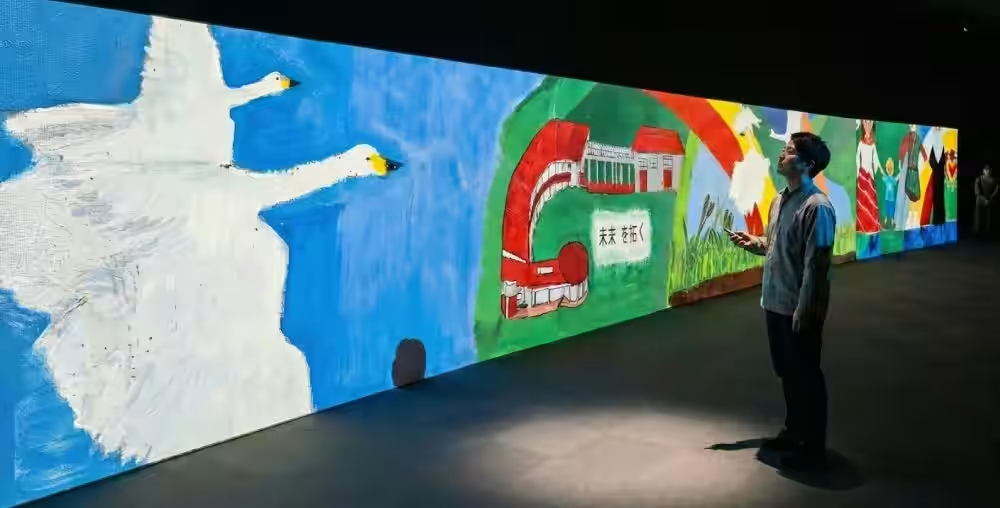
- - Opening Up is a participatory video installation that projects a mural from Okawa Elementary School at life size. Using AI technologies, this artwork reconstructs the mural to reflect its original state, allowing attendees to engage in a symbolic restoration. Through this process, visitors share emotions, thoughts, and hopes that connect past memories of the earthquake with future reflections.
Opportunities for Interaction
The exhibition does not merely present artwork; it fosters an interactive dialogue between participants and the historical context of the Tsunami. A series of events, including gallery tours led by students, workshops, and talk sessions, are scheduled throughout the exhibition period. On March 21, a gallery tour will feature discussions on the exhibition's themes, allowing further engagement with both the artworks and the narratives they invoke.
Additional programming includes workshops designed to promote dialogue and a closing talk set for March 22, which will reflect on insights gathered throughout the exhibition.
Conclusion
The exhibition "Exploring the Difficulty of Narration" aims to breathe life into critical conversations about issues arising from historical disasters like the Great East Japan Earthquake. It places emphasis on the role of memory and narrative in shaping not only our understanding of the past but also how we can prepare for and respond to future crises. Through creative expression and community dialogue, this innovative showcase at Tokyo University of the Arts serves as a powerful reminder of the impact of art amidst historical pain.
For more details on the exhibition and to participate in events, visit the official website at Tokyo University of the Arts.





Topics Entertainment & Media)
【About Using Articles】
You can freely use the title and article content by linking to the page where the article is posted.
※ Images cannot be used.
【About Links】
Links are free to use.