



Transforming Sanitation into Economic Opportunities in Africa: A Collaborative Effort
Transforming Sanitation into Economic Opportunities in Africa
Introduction
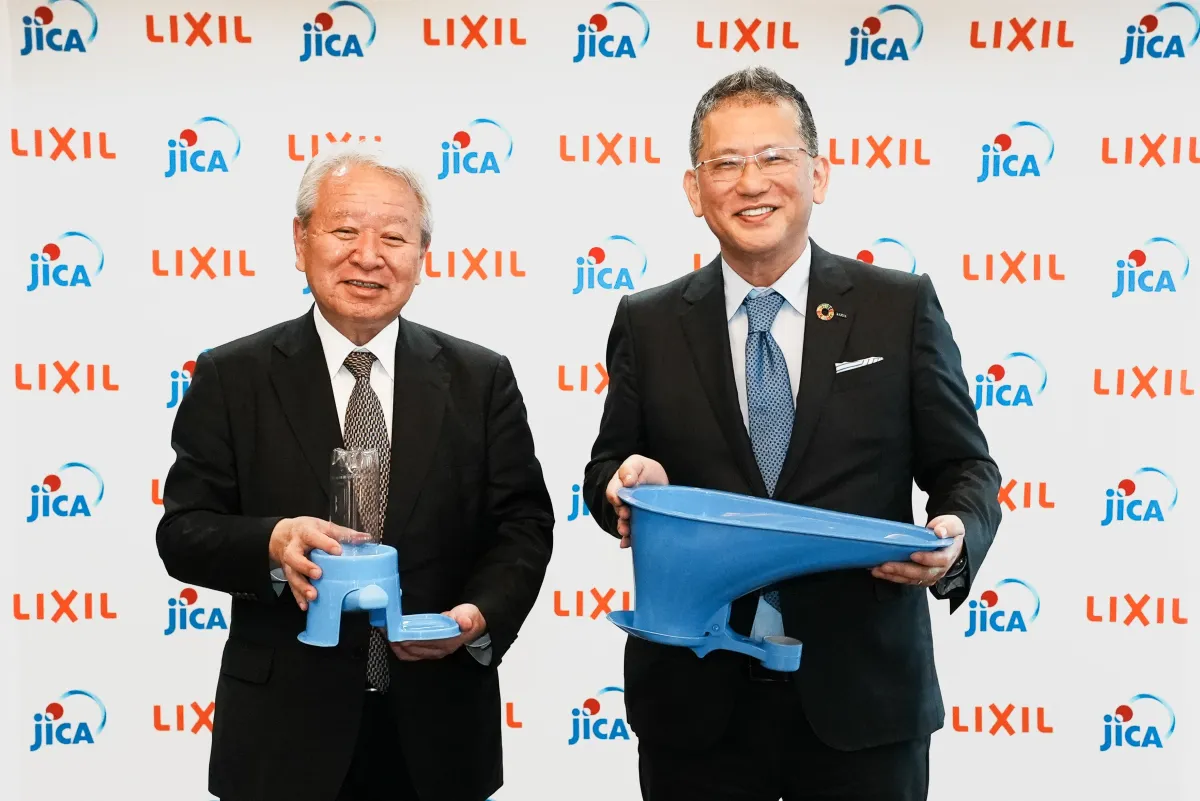
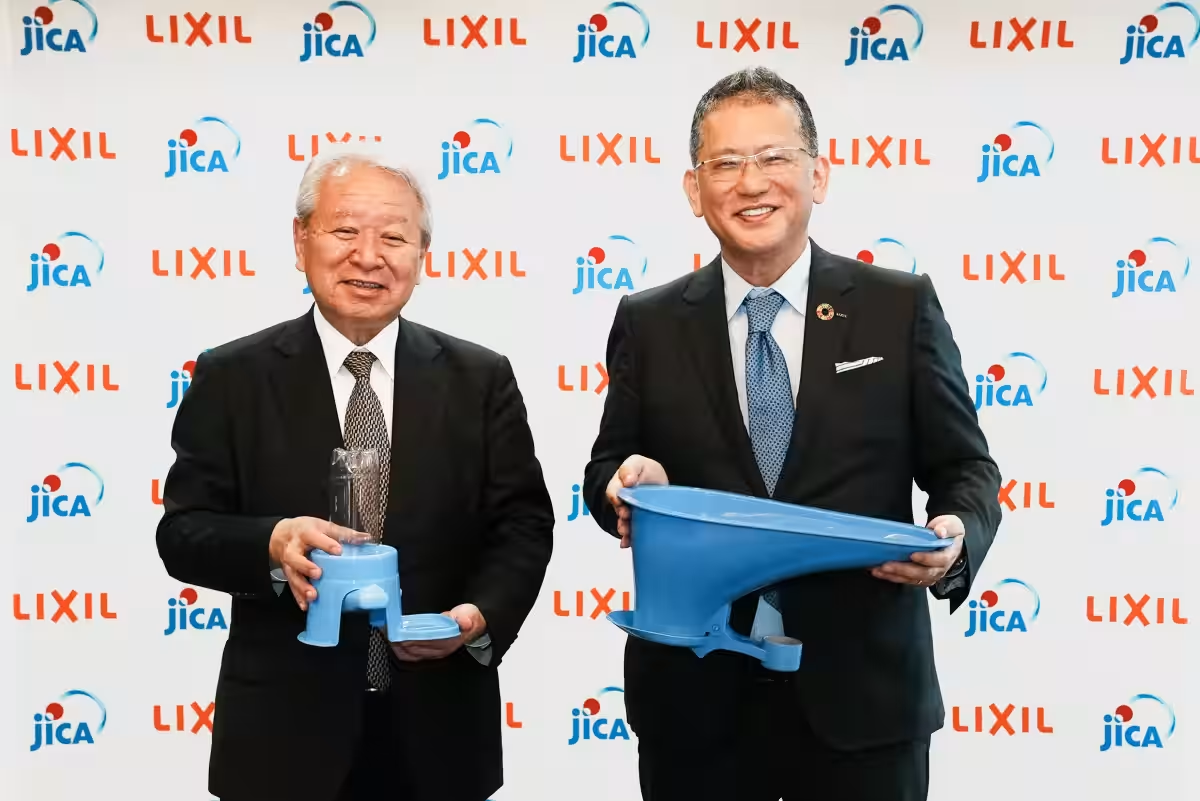
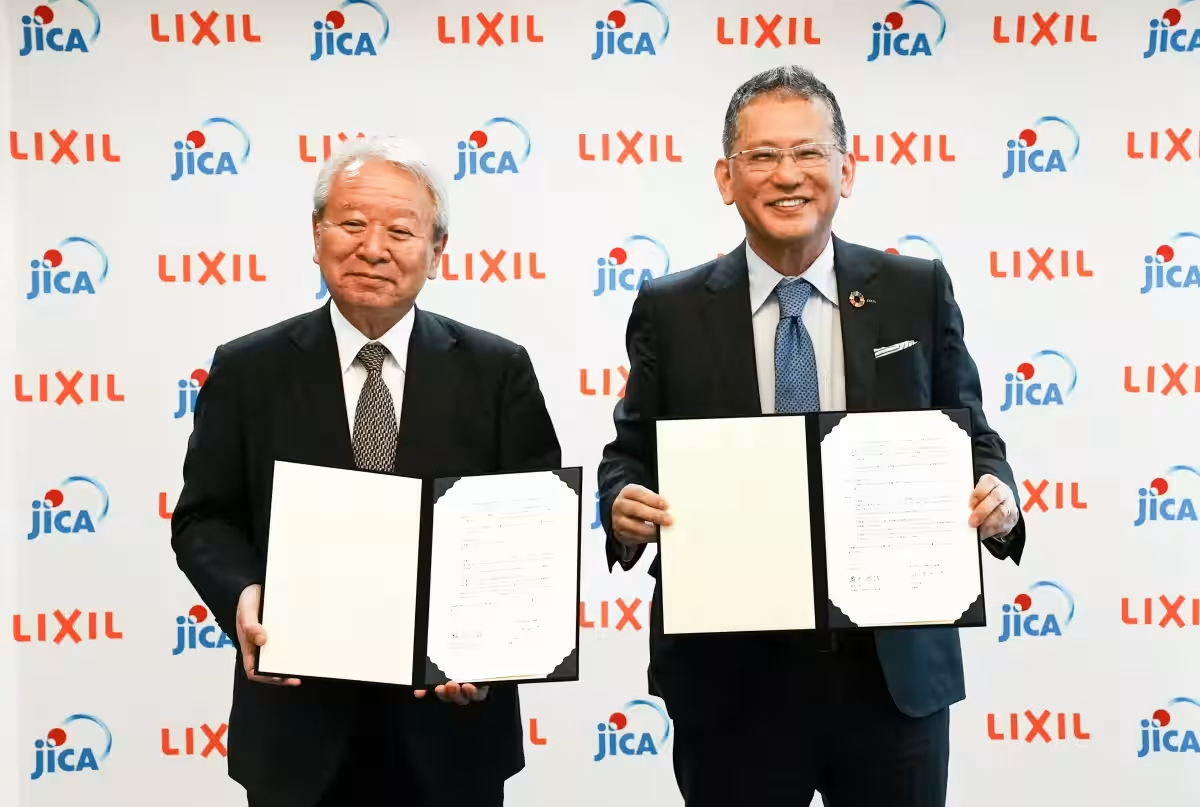
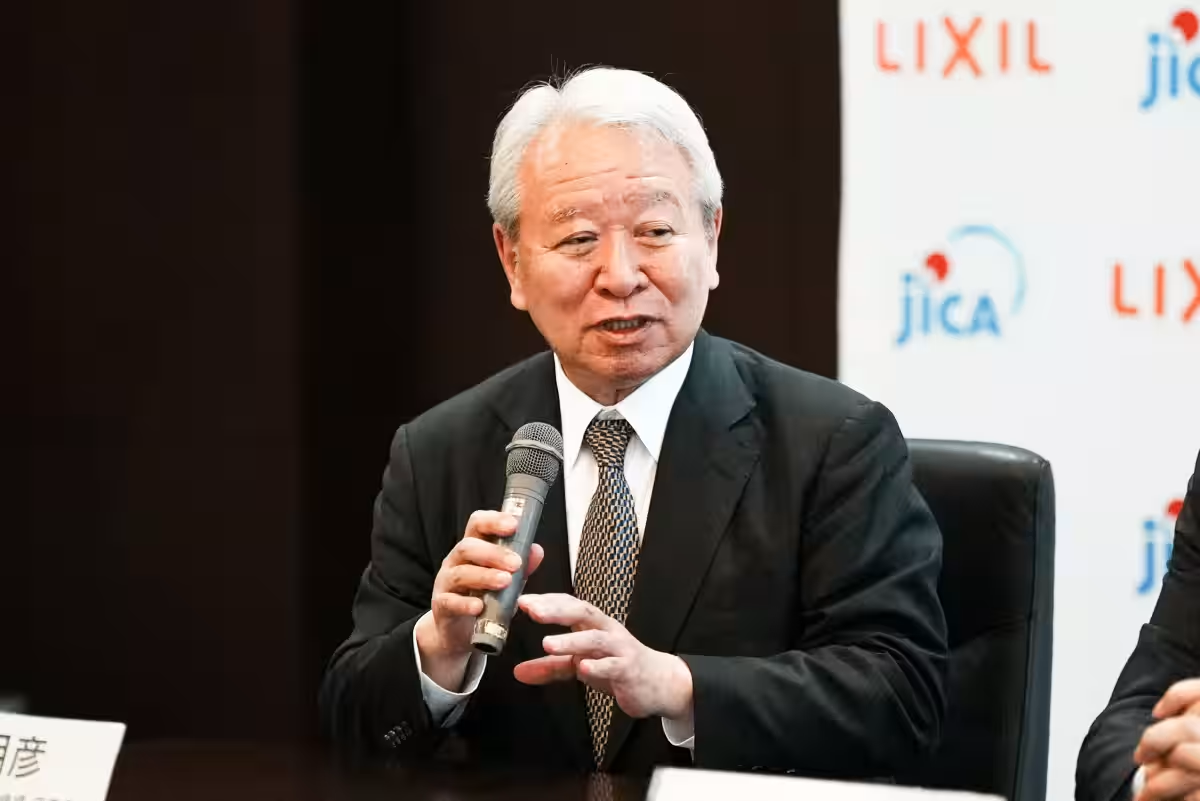
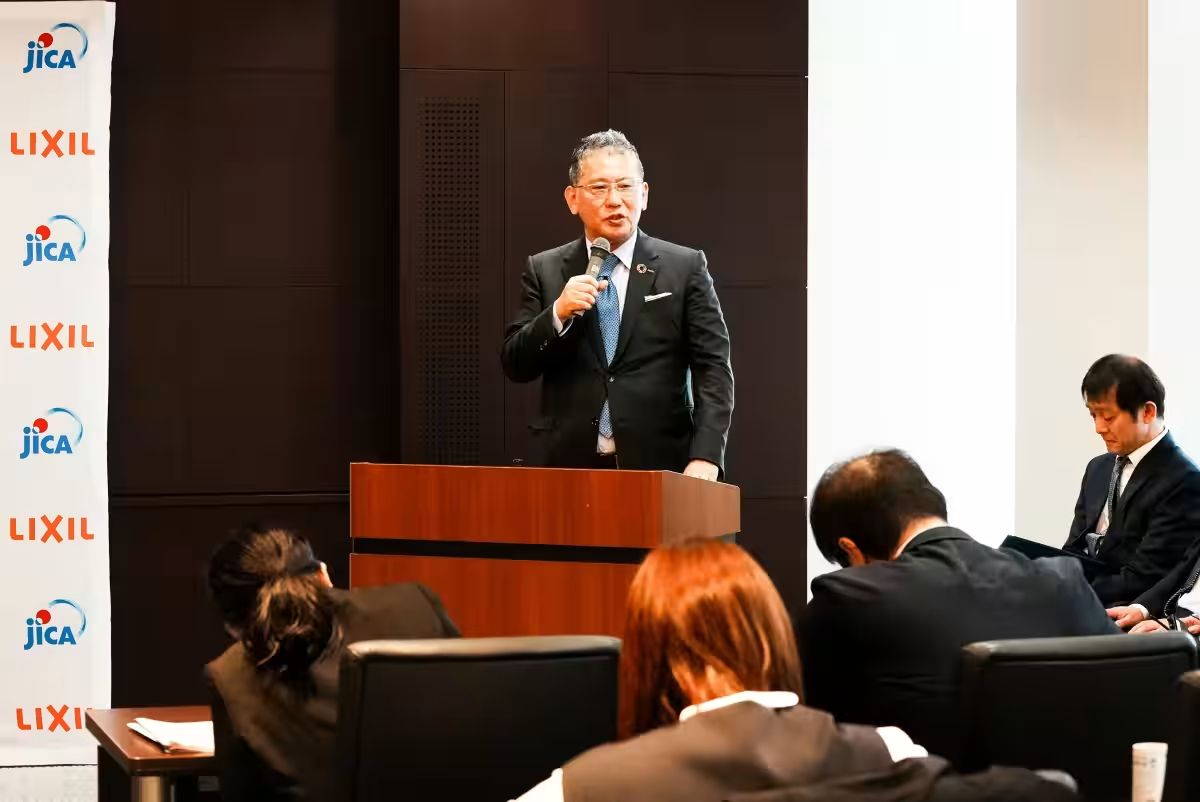
On June 8, 2026, a significant memorandum of understanding was signed between the Japan International Cooperation Agency (JICA) and LIXIL Corporation to address pressing water and sanitation challenges in developing nations. This partnership, witnessed by JICA President Akihiko Tanaka and LIXIL’s CEO Kinya Seto, aims to combine public cooperation with private sector innovation to deliver sustainable sanitation services.
The Current Landscape of Sanitation
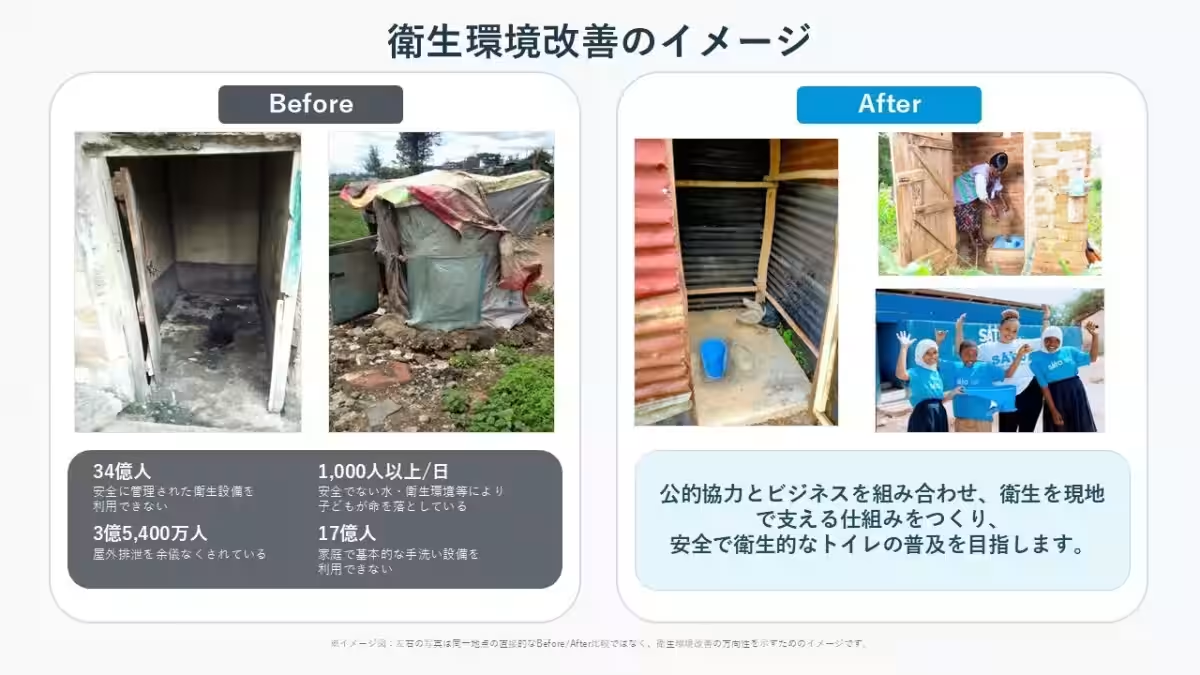
Every day, millions worldwide face dire hygiene conditions, a reality that contrasts starkly with what many consider basic sanitation needs. Access to safe toilets and handwashing facilities remains insufficient in numerous regions, making hygiene a pivotal issue linked to health, education, nutrition, gender equality, peacebuilding, and humanitarian assistance. The consequences are tragic, with over 1,000 children losing their lives daily due to preventable diseases caused by unsanitary conditions, accounting for approximately 440,000 deaths annually. Furthermore, challenges such as climate change-induced flooding, droughts, and increasing prevalence of infectious diseases highlight the pressing need for resilient water and sanitation services.
JICA and LIXIL's Collaborative Approach
JICA has actively supported the improvement of water and sanitation services through collaborations with local governments, enhancing infrastructure in drinking water, sewerage, hygiene education, and capacity building. Conversely, LIXIL has made strides through its social business, SATO, which provides affordable toilets accessible to all and works alongside various partners to establish a self-sufficient ecosystem for the production, sale, and installation of sanitation products across 59 countries, positively impacting over 100 million people’s living conditions.
The collaborative initiatives outlined in the memorandum focus on creating a 'Sanitation Economy' that empowers local communities to manage their sanitation needs autonomously. By marrying JICA’s expertise in policy formation and institutional cooperation with LIXIL’s prowess in product development and business expansion, the partnership seeks to generate a sustainable model for sanitation services.
Implementing the Sanitation Economy
Initial efforts will target regions in Kenya and Malawi, emphasizing the promotion of safe toilets and handwashing facilities within schools, healthcare facilities, refugee camps, and households. The aim is to engrain hygienic practices into the communities while simultaneously cultivating local proficiency in sales, installation, and maintenance of sanitation facilities. This approach not only addresses immediate concerns but also sets the foundation for a business model that sustains these improvements.
In Kenya, collaboration will extend to the ‘Silica Plan’ initiated by the local government, focusing on integrating refugees into the social and economic fabric. JICA’s water supply initiatives will complement LIXIL’s SATO project to enhance market-driven sanitation improvements, ensuring both refugees and local populations benefit from reliable water and sanitation services. Similarly, Malawi's strategy will engage with JICA in establishing robust water and sanitation services capable of withstanding natural disasters, incorporating SATO products into the region’s recovery efforts.
Global Implications
These efforts transcend local problem-solving; they contribute to global stability, public health improvements, and ultimately foster safety and prosperity worldwide, including in Japan. Furthermore, through this collaboration, Japan's companies will advance their technological expertise and international business interests while strengthening diplomatic ties with partner nations.
As the two organizations mobilize their combined strengths, the aim is to extend the 'Sanitation Economy' model beyond Kenya and Malawi, targeting approximately half a million people across Africa, the Middle East, and Asia by providing access to safe and hygienic toilets.
Closing Remarks
Akihiko Tanaka, JICA President, stressed the gravity of global water and sanitation issues, where many people still lack access to safe sanitation services. He emphasized the necessity for sustainable solutions that achieve lasting hygienic practices and the transformative potential of this partnership with LIXIL, striving for a self-reinforcing sanitation ecosystem in developing nations. Kinya Seto, CEO of LIXIL, echoed this sentiment, noting the urgent need to address deep-rooted issues concerning sanitation, refugees, and climate change. Together, they commit to accelerating the establishment of market-driven sanitation economies that can adapt and thrive in local contexts.
Conclusion
The collaboration between JICA and LIXIL is a remarkable step forward in tackling global sanitation challenges, ensuring that the essential service of sanitation drives economic activity and community empowerment in some of the world’s most vulnerable regions.
Topics Other)

【About Using Articles】
You can freely use the title and article content by linking to the page where the article is posted.
※ Images cannot be used.
【About Links】
Links are free to use.