



Rising Housing Prices in Tokyo Affecting Demand and Buyer Choices
Introduction
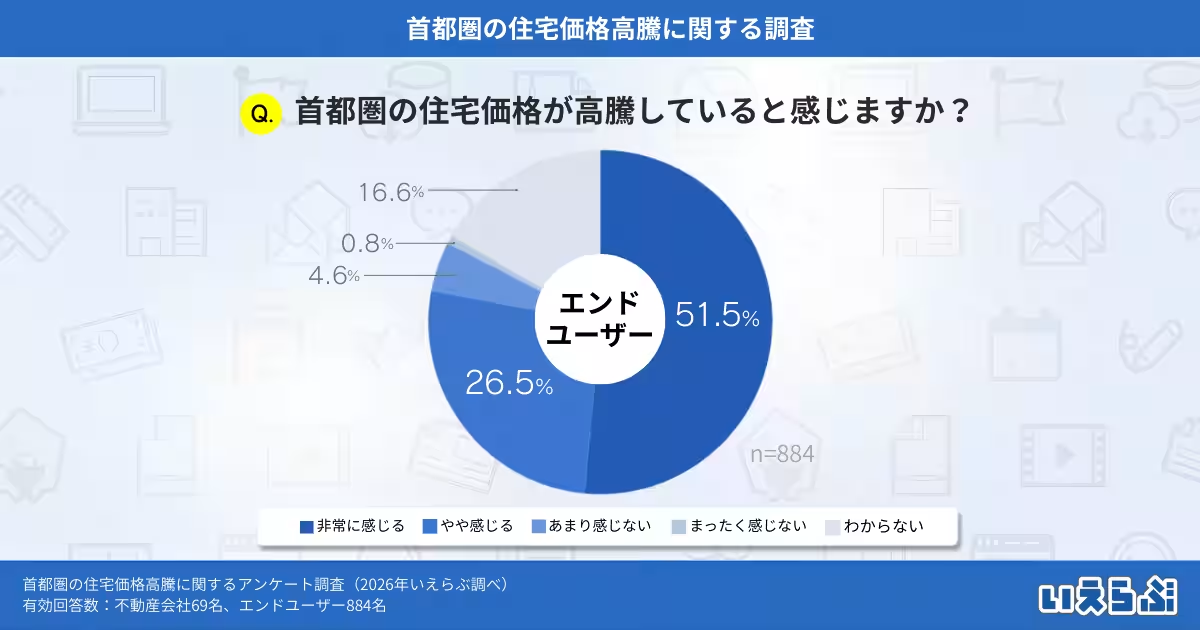
In the bustling metropolis of Tokyo, housing prices have surged to unprecedented levels, raising concerns among potential home buyers. According to a recent survey conducted by Ielove Group, a real estate digital transformation support service provider, the high housing costs in the Tokyo metropolitan area are significantly impacting the decision-making process of end users looking for homes.
Survey Overview
With a total of 953 valid responses, this survey offers insights into the ongoing trends affecting real estate in the region. As housing prices remain high, potential buyers are compelled to reevaluate their options, leading to changes in the housing market dynamics.
Background of the Survey
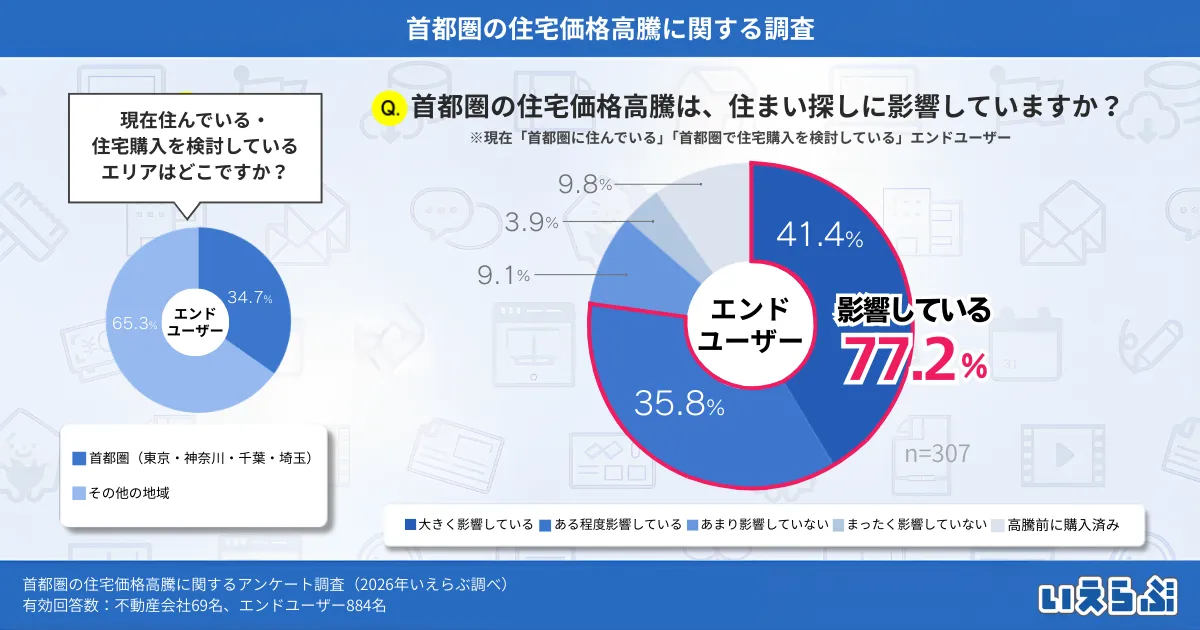
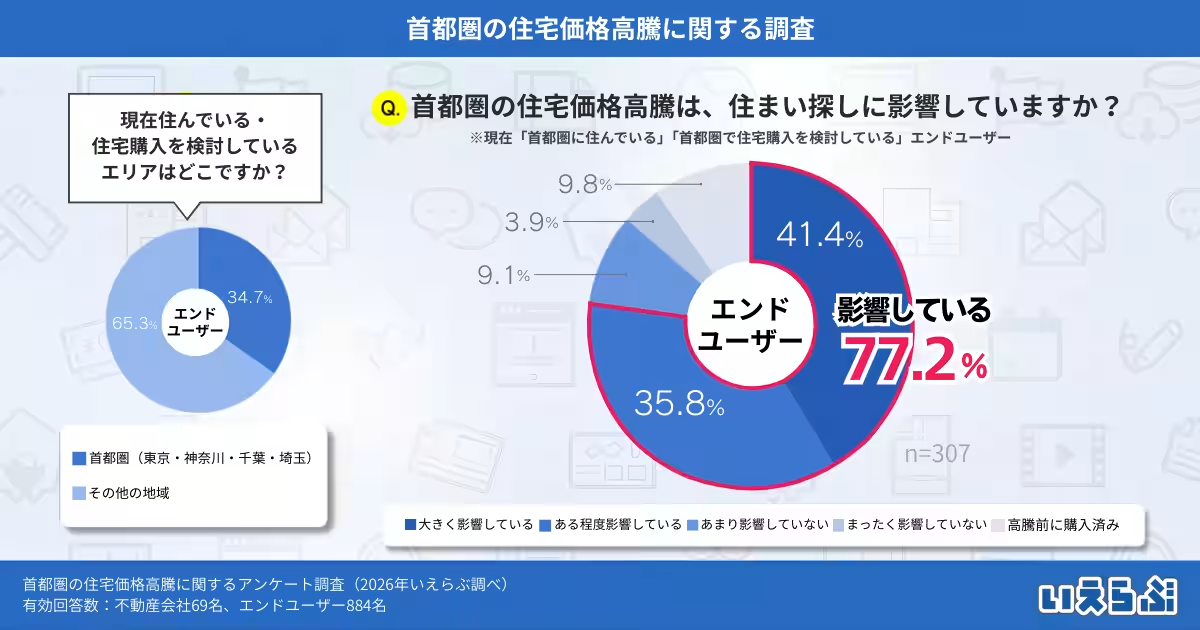
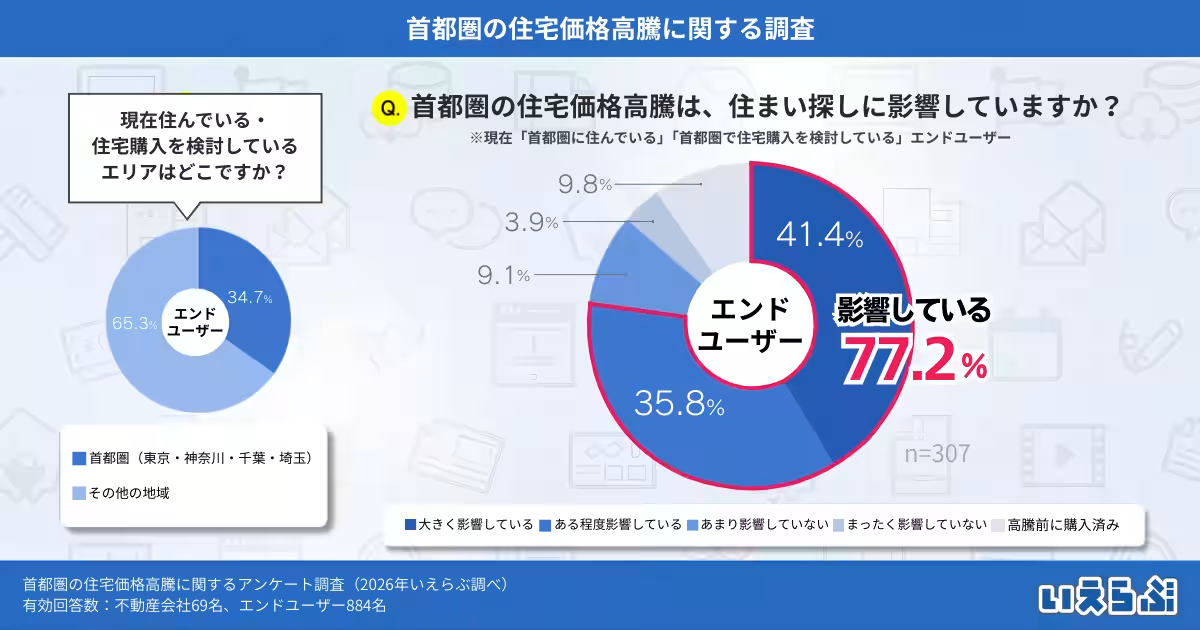
Recent times have witnessed a troubling spike in housing prices within the Tokyo metropolitan area, attributed primarily to increases in construction materials and labor costs. With this environment, the purchasing behaviors of potential home buyers have been influenced significantly. In a question directed towards end users, a staggering 78% stated that they felt the impact of rising prices on their home searching process.
Reasons for Increasing Housing Prices
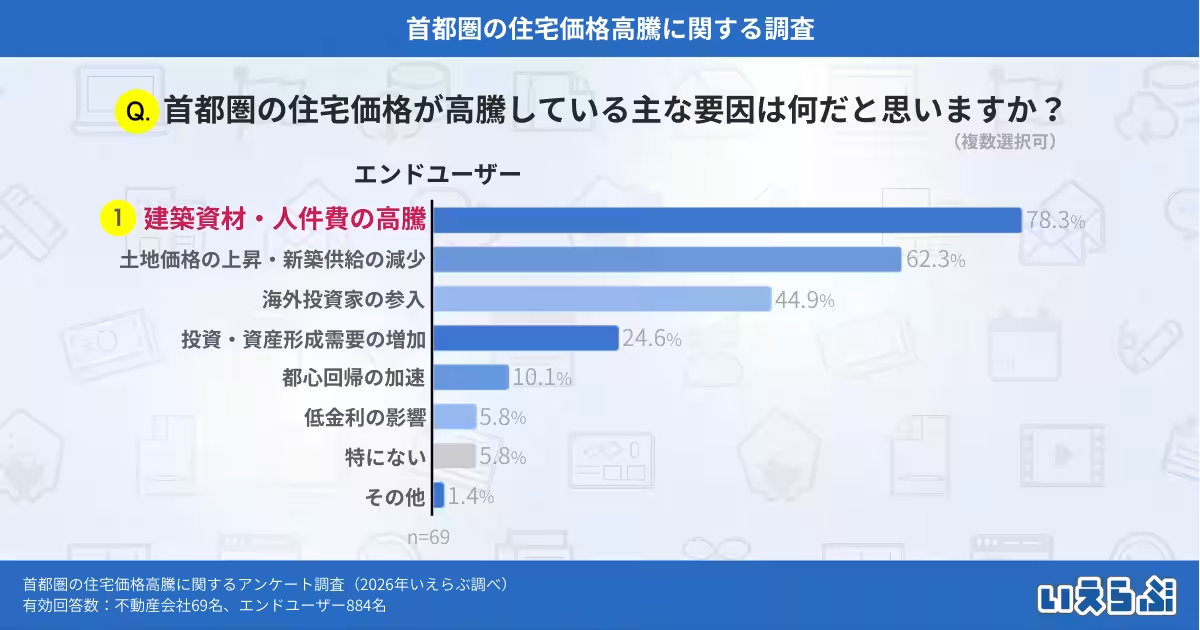
When real estate companies were queried about the main factors leading to price surges, 78.3% cited the rise in construction materials and labor costs as the primary reason. This finding echoes the trends seen throughout the construction sector, which is grappling with issues like labor shortages. The forecast for construction-related regulations indicates an ongoing need for cost adjustments in this sector. Furthermore, the slowing new construction supply has added to the pressure on housing prices, as well as the involvement of international investors keen on entering the Tokyo real estate market.
Impacts on End Users
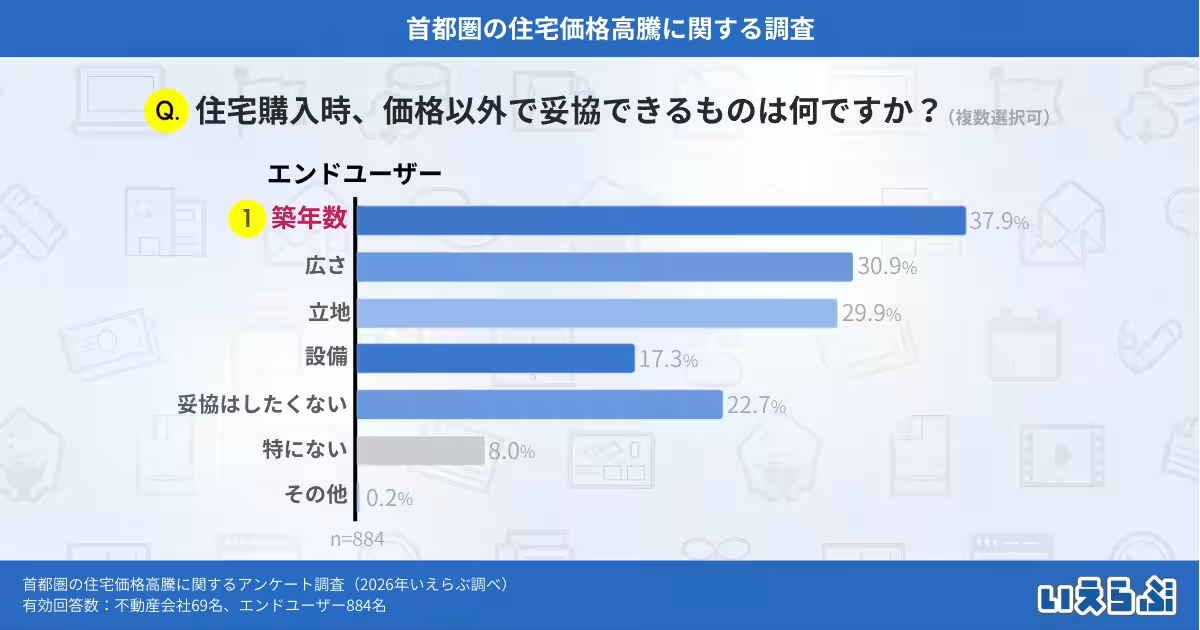
The survey revealed that approximately 41.4% of end users feel that the rising housing prices are heavily influencing their property search, while 35.8% acknowledged some degree of impact. In an attempt to navigate the challenging landscape, end users indicated a willingness to compromise on certain factors when looking at homes, with a notable 37.9% willing to be flexible regarding the age of the property.
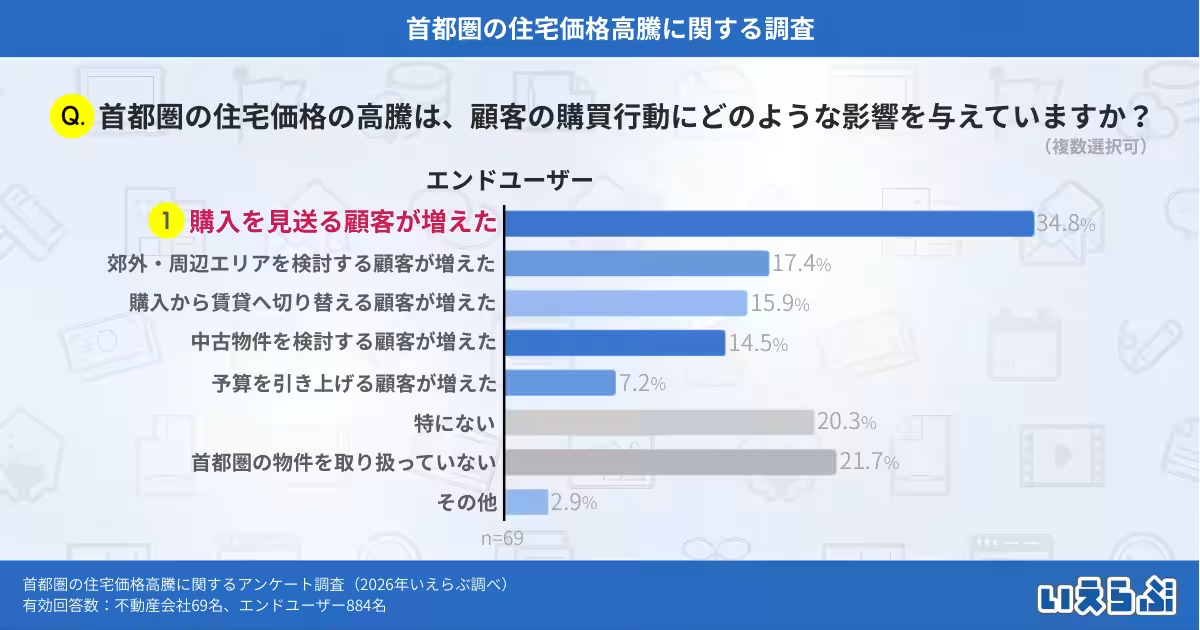
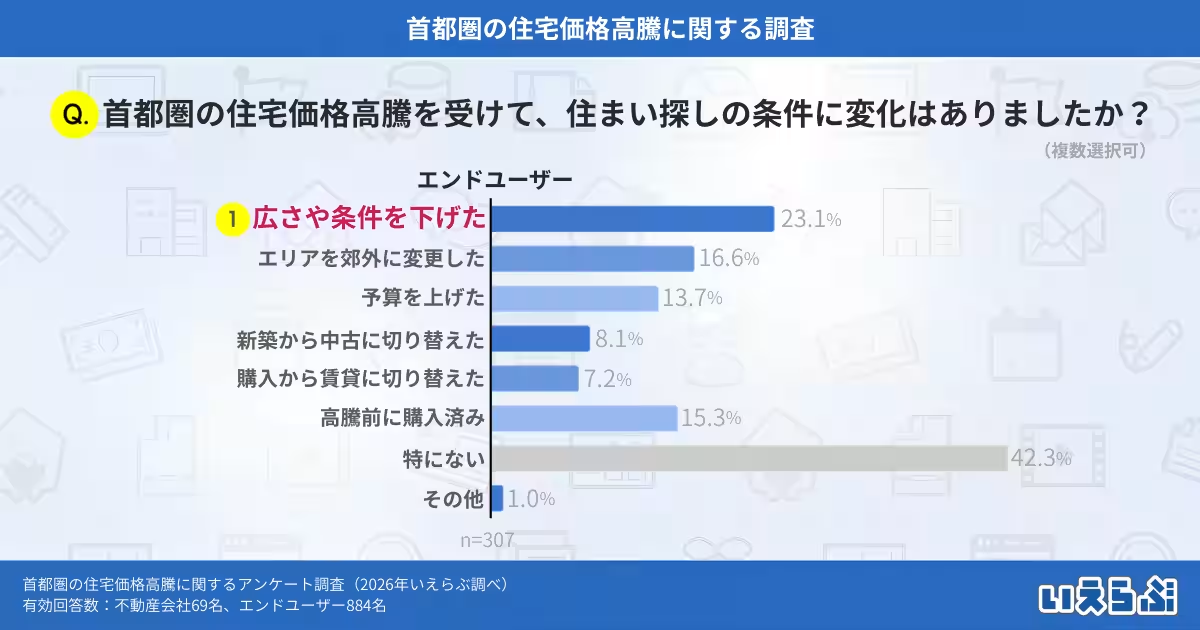
Conversely, despite the high prices, many buyers reported needing to adjust their expectations—23.1% mentioned that they scaled back on preferences for size or amenities, while 16.6% shifted their focus to suburban areas. These adjustments illustrate the adaptability of potential buyers, despite challenges posed by rising prices.
Future Trends
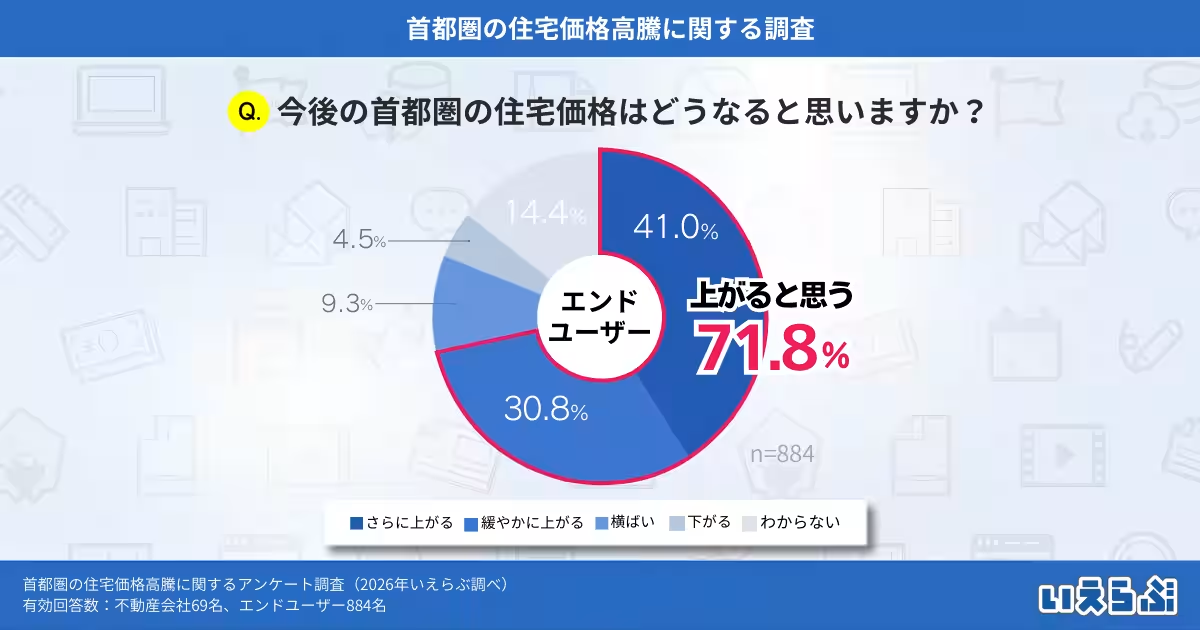
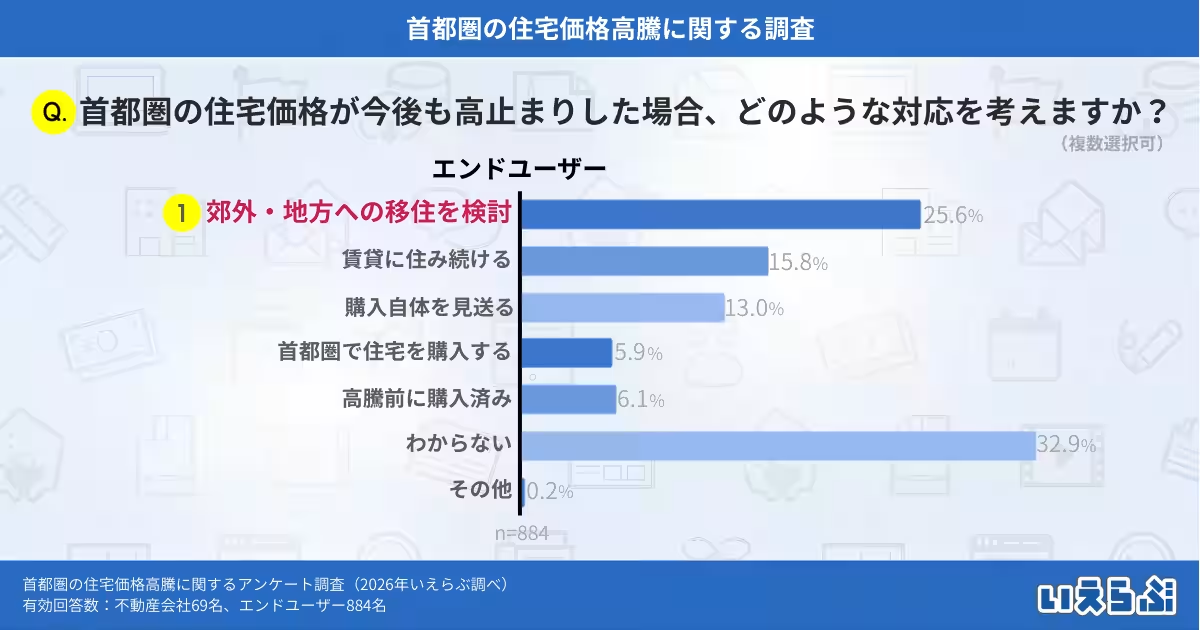
In looking ahead, participants exhibited a mix of sentiments regarding future price trajectories, with 41.0% expecting further increases. Notably, 25.6% of respondents signaled a potential shift towards considering suburban or rural moves if prices remain elevated. The growing interest in suburban properties hints at a broader trend encompassing a move away from densely populated urban environments in search of affordability and space.
Conclusion
The insights drawn from the Ielove Group’s study illuminate a significant trend in Tokyo’s housing market, where soaring prices are altering consumer behaviors. Buyers are adapting by revising their expectations and extending their searches beyond urban boundaries. As the housing market continues to evolve, real estate agencies and stakeholders must remain vigilant and responsive to these changes in order to meet the shifting demands of home buyers.
With proper adjustments in strategies and offers from real estate companies, there lies the potential for both urban renewal and increased opportunities for those drawn to suburban and rural properties. As we delve deeper into 2023 and beyond, the interaction between supply, demand, and pricing will continue to define the landscape of the housing market in Tokyo and its surrounding regions.

Topics Consumer Products & Retail)





【About Using Articles】
You can freely use the title and article content by linking to the page where the article is posted.
※ Images cannot be used.
【About Links】
Links are free to use.