



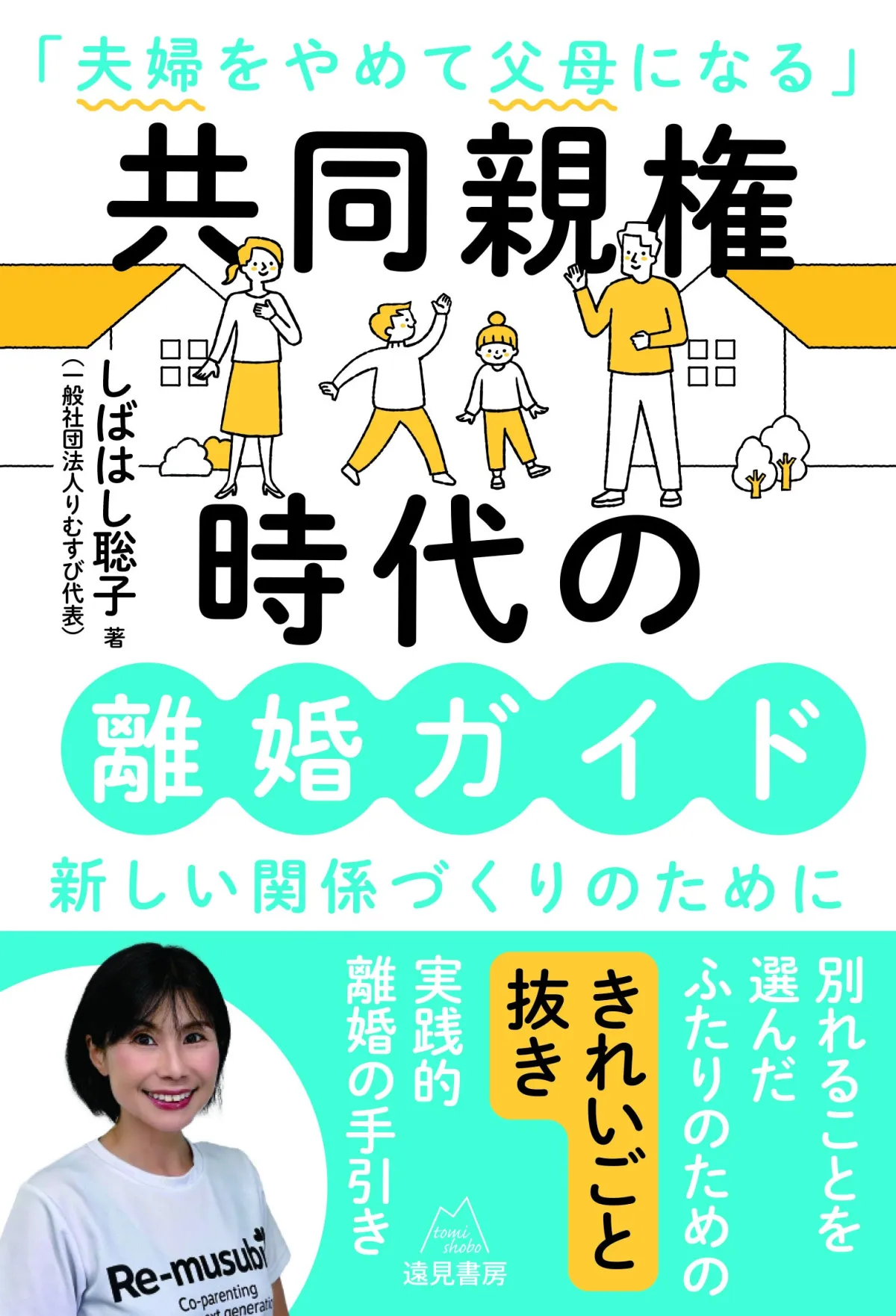
Launching the Joint Custody Era: A Guide to Navigating Post-Divorce Parenting in Japan
Embracing Joint Custody in Japan: A New Era in Parenting
As of October 2026, Japan is set to implement a joint custody system, marking a significant shift for divorced parents and their children. The new landscape requires parents to collaborate on child-rearing even post-separation, raising essential questions among those affected: how can we manage this challenging transition?
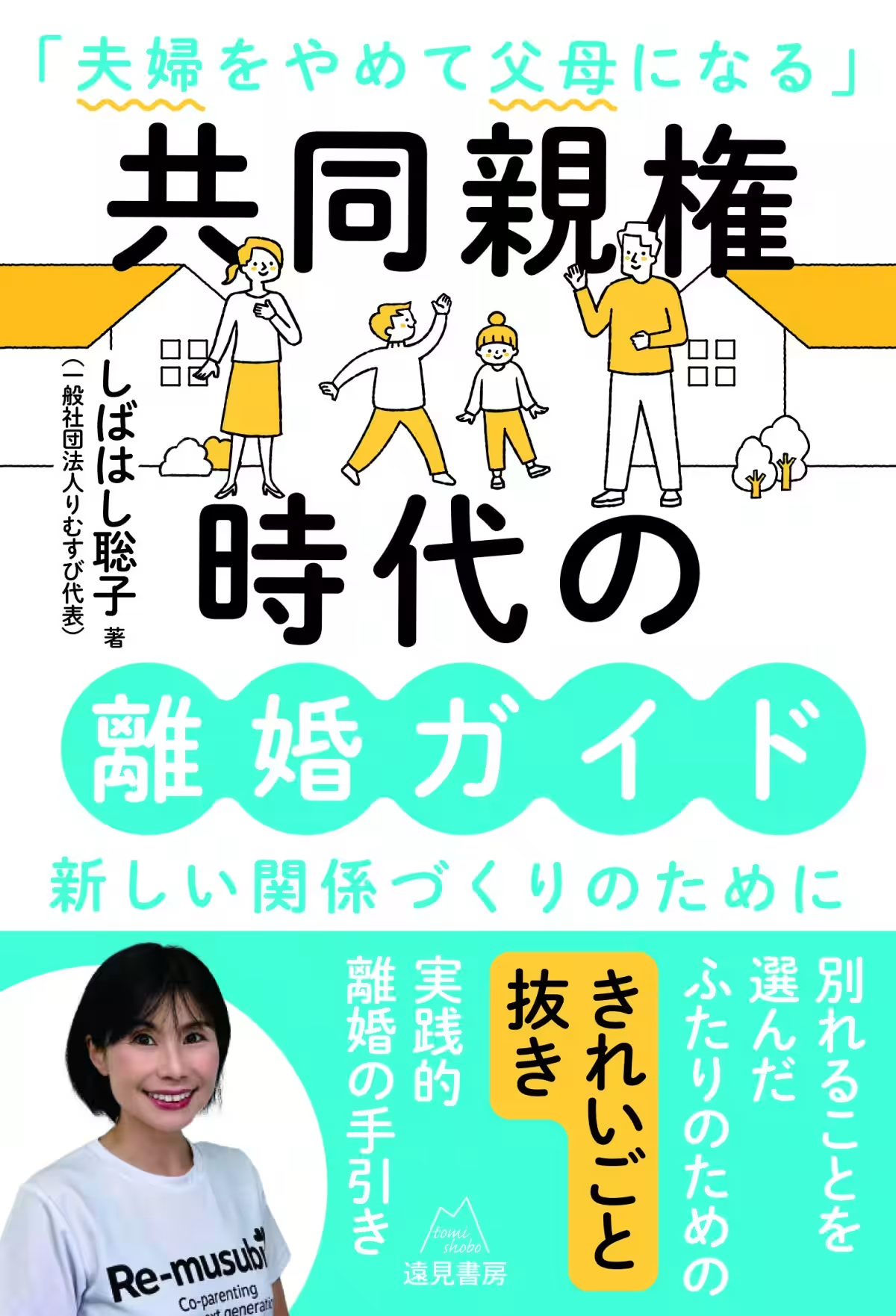
Enter the groundbreaking book, "The Joint Custody Era Divorce Guide: Building a New Relationship as Parents Instead of a Couple," authored by Satoko Shibahashi, who leads the non-profit organization Rimusubi. Available for pre-order starting September 10, 2026, this practical guide aims to alleviate the emotional turmoil faced by parents as they navigate their new realities.
A Response to Legal Reform and Emotional Turmoil
The introduction of joint custody law has left many parents confused and anxious. Frequent counseling and discussions reveal sentiments such as, “I don’t want to engage with my ex-partner,” and “Is it just me who has to learn to endure?” The harsh reality is that legal changes do not instantaneously shift personal emotions or conflicts.
Satoko Shibahashi knows this firsthand. Having experienced a child custody case herself, she felt anger and resentment towards her ex-husband, which hindered her child’s relationship with their father. Through her own difficult journey of letting go of the desire to change the other person, she discovered the path to healing. This book encapsulates that learning, offering targeted support to others navigating the same struggles.
Practical Tools Provided in the Guide
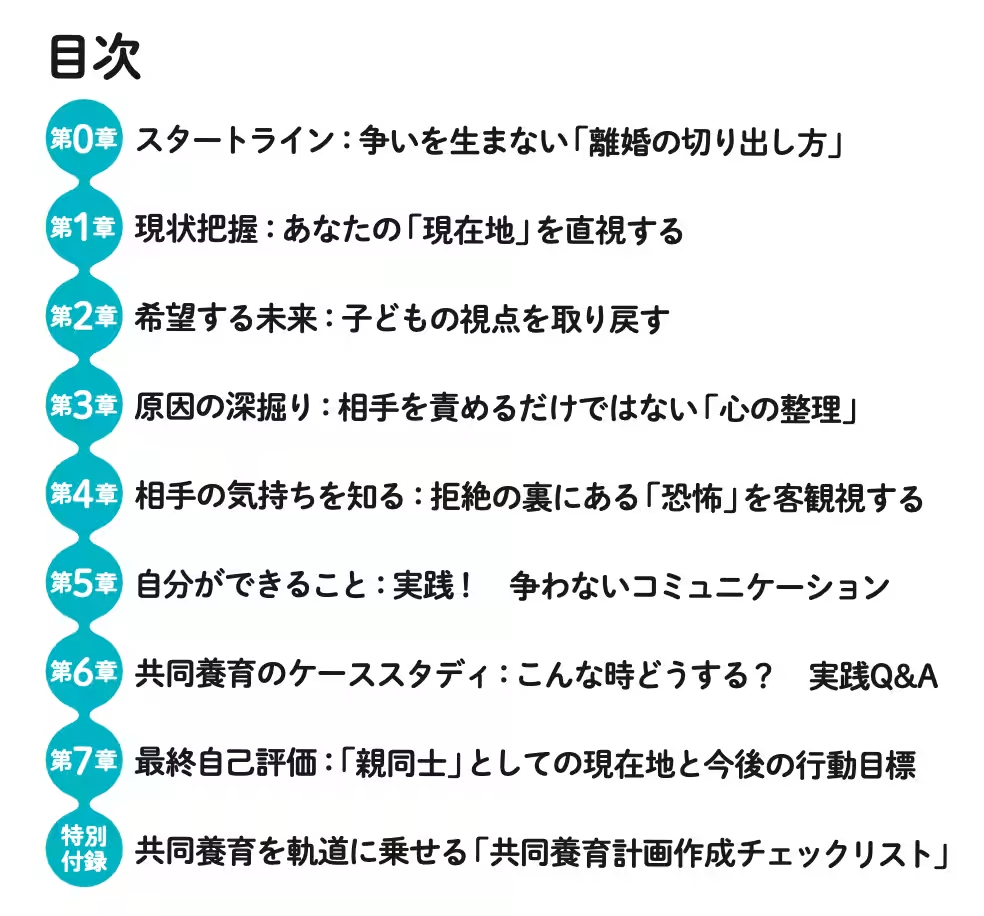
What sets this book apart is its workshop format, designed to aid parents in distinguishing their emotional baggage from practical parenting duties. Key features of this guide include:
- - Sorting Emotional Turmoils: With dedicated exercises, parents can differentiate their unresolved feelings about their ex-partner from the necessary communications concerning their children.
- - Communication Tools: A unique resource teaches them to convert accusatory messages into neutral, constructive requests. For example, strategies to reduce feelings of being controlled by the other parent are presented along with before-and-after communication examples.
- - Real-Life Case Scenarios: The guide includes ten detailed case studies addressing common challenges in co-parenting situations, such as unexpected child refusals to visit or managing new partnerships. Each case provides actionable solutions.
- - Joint Custody Planning Checklist: An essential bonus, this editable checklist guides parents through creating cooperative plans regarding frequency, exchanges, financial responsibilities, and emergency protocols.
Satoko emphasizes that individuals cannot expect others to change their behavior without first altering their own mindset. The empowerment of being proactive and cooperative is crucial, she notes, particularly when considering the well-being of children caught in the middle.
Author’s Message and Vision
In her words, “Even with the law established, people’s hearts don’t change overnight. It’s understandable to feel unresolved resentment. However, instead of blaming others for a lack of cooperation, focus on becoming a more collaborative person yourself.” This shift provides not just personal relief but ultimately ensures the best possible future for the children.
Satoko hopes this book will instill confidence in parents, empowering them to embrace their roles as business-like partners in parenting, relinquishing past grievances to facilitate smoother communication regarding their children.
About the Author
Satoko Shibahashi is a joint custody consultant and the founder of Rimusubi, an organization devoted to helping families navigate separation and divorce-related transitions. With a legal background from Keio University and considerable experience supporting divorced parents, Satoko provides counseling and facilitates community-building among parents going through similar experiences.
As we approach the complex world of joint custody, Satoko's guide stands as a beacon of hope, offering clarity and guidance for countless families preparing to adapt to new co-parenting challenges head-on.

Topics People & Culture)
【About Using Articles】
You can freely use the title and article content by linking to the page where the article is posted.
※ Images cannot be used.
【About Links】
Links are free to use.