



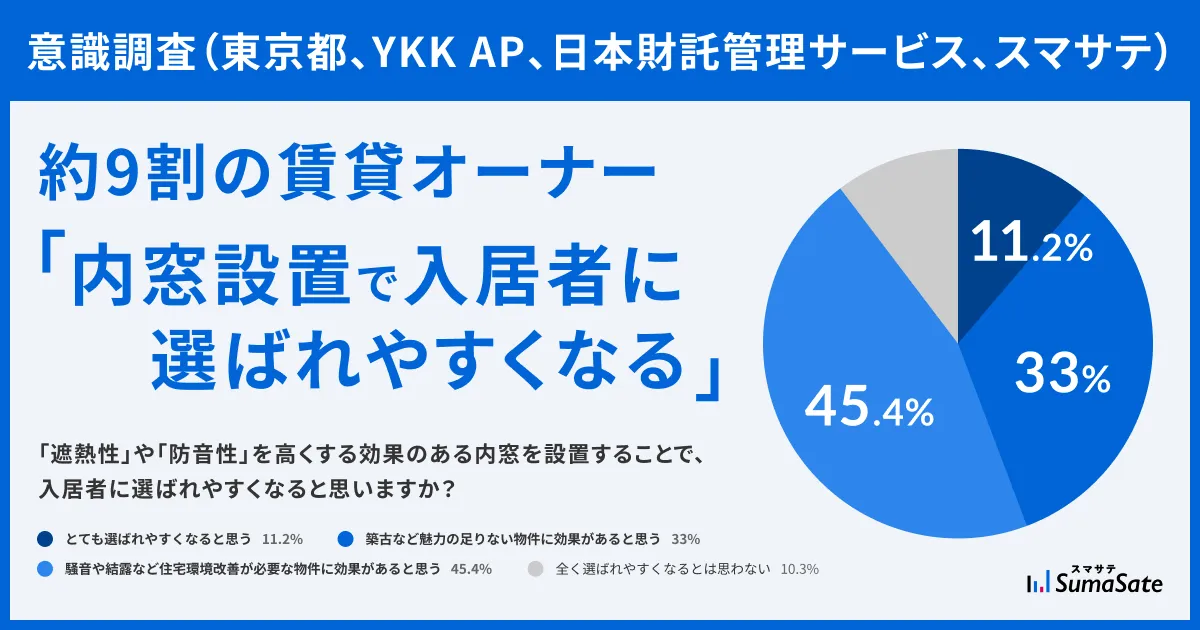
A Significant Majority of Landlords Believe Installing Inner Windows Boosts Tenant Appeal
Boosting Tenant Appeal with Inner Windows
In an effort to understand the attitudes of rental property owners towards investments aimed at enhancing residential performance, a recent joint survey has been conducted by Sumasate Corporation, YKK AP, and Nippon Zaitaku Management Services. The survey engaged 624 rental property owners across Japan, shedding light on the crucial factors that enable landlords to maintain competitiveness in an evolving market.
Background of the Survey
As construction and labor costs continue to rise, the supply of newly built rental properties is decreasing. Future rental management will hinge not just on rental prices and location, but also on the ability to provide a comfortable living environment. This shift is particularly evident in light of stricter energy-saving regulations and the urgency to adapt to rising temperatures.
Key Findings of the Survey
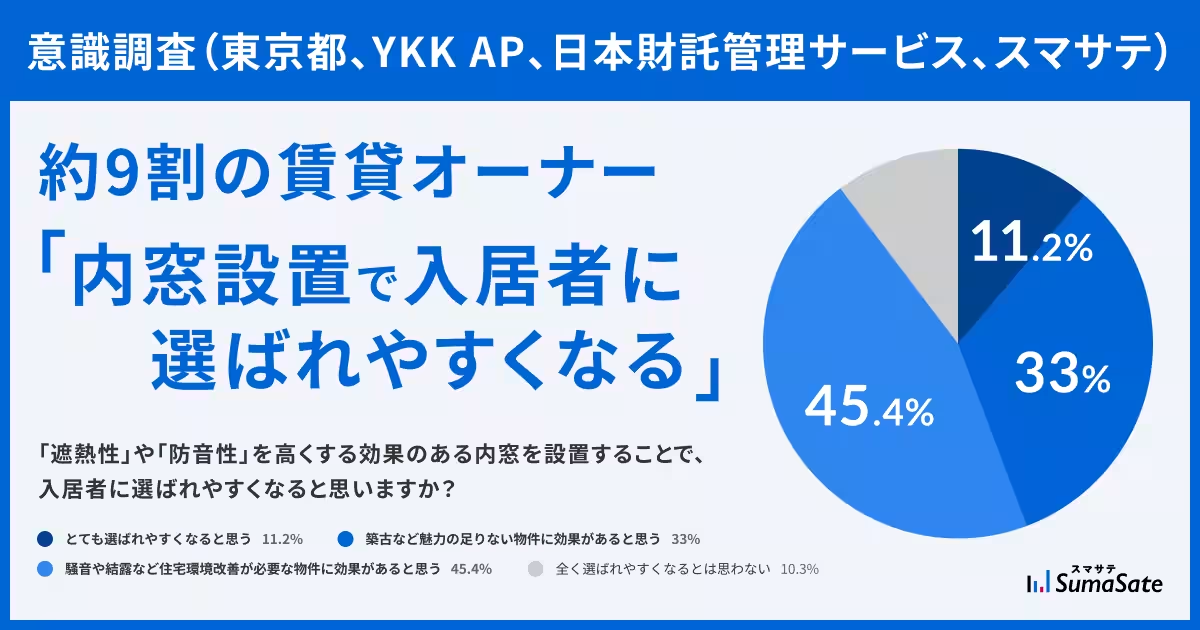
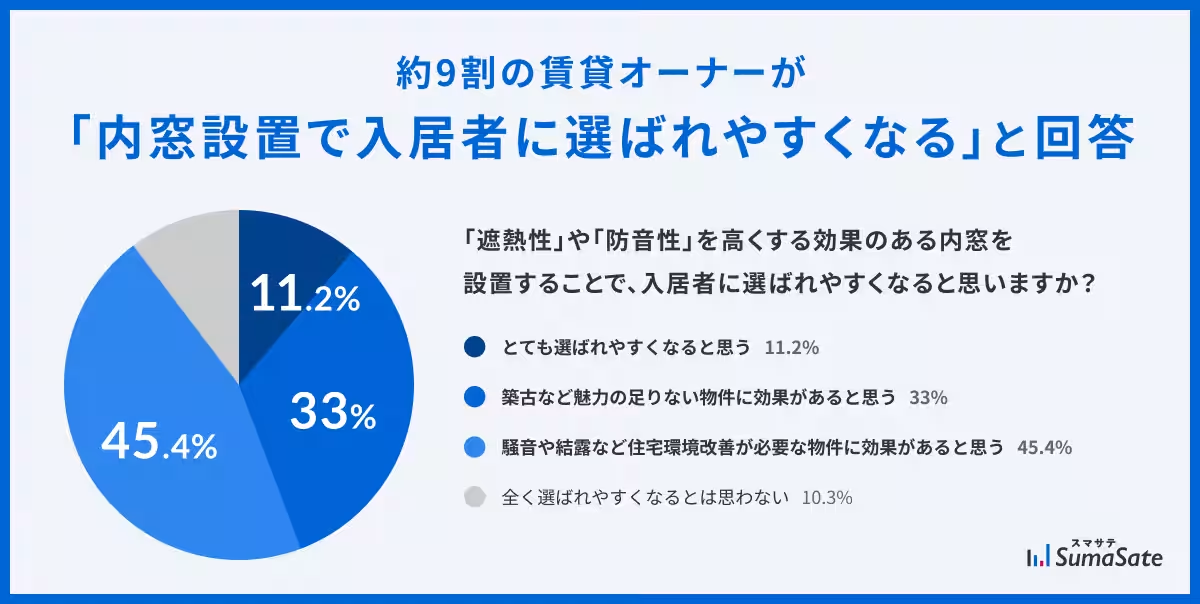
Approximately 90% of landlords believe that installing inner windows improves their attractiveness to potential tenants. This sentiment is especially pronounced among properties confronting environmental issues, such as noise and condensation. Specifically, 45.4% noted that these installations would be beneficial in improving residential comfort by addressing problems like noise and condensation, while 33.0% recognized them as advantageous for older properties lacking appeal.
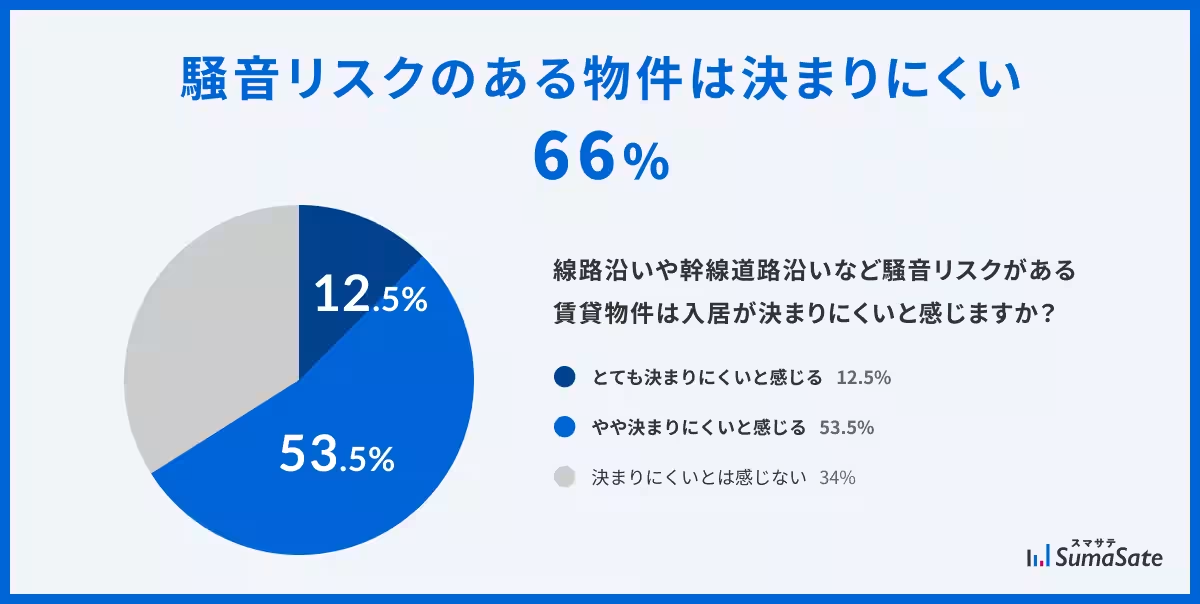
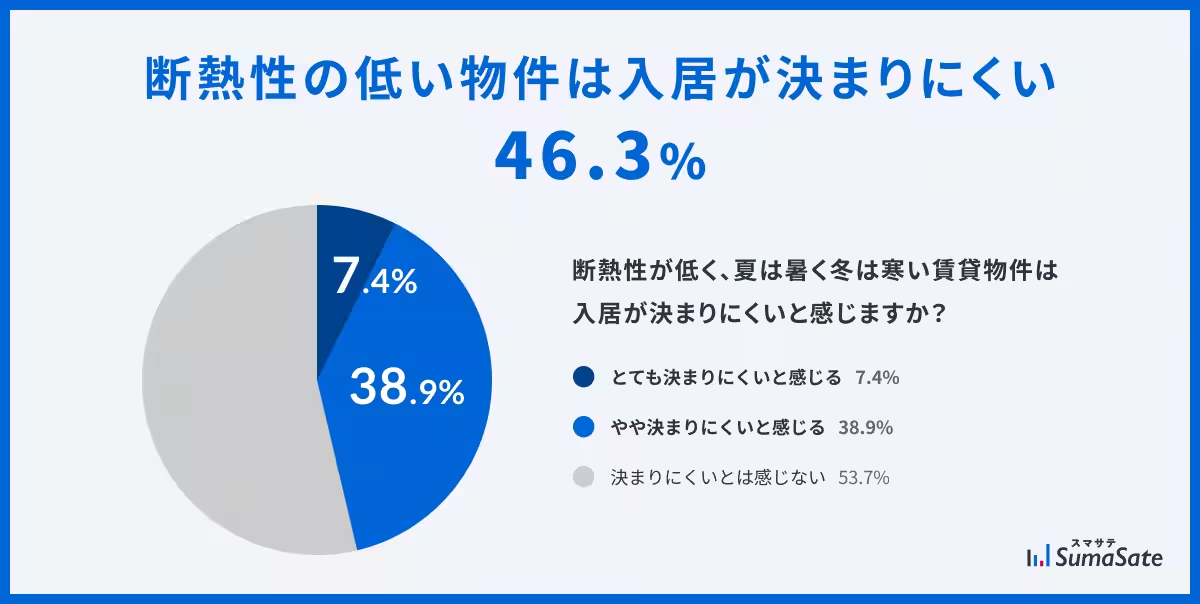
Interestingly, 45.3% of landlords reported that properties with poor insulation tend to struggle with occupancy. The discomfort caused by high summer temperatures and frigid winters significantly impacts the willingness of prospective tenants. Close to half of the landlords acknowledged that properties near railway lines or highways—known for noise disturbances—experience challenges in attracting tenants, with 66% citing these noise issues as a deterrent.
The Potential of Inner Windows
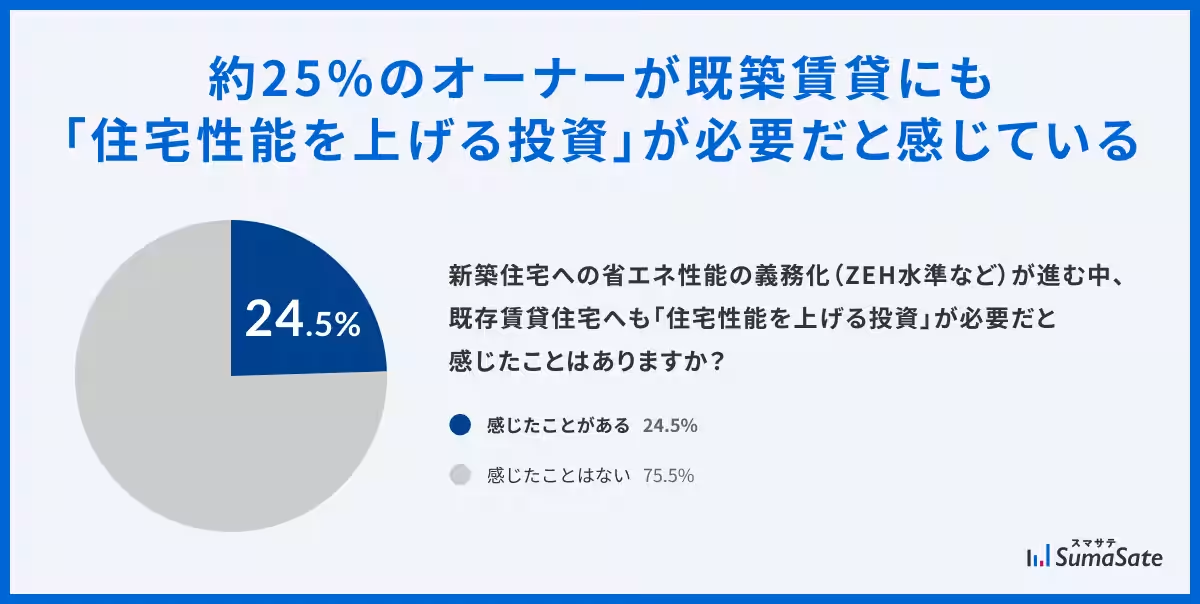
Landlords view the installation of inner windows not only as an enhancement to thermal insulation but also as a measure to minimize sound pollution. This strategy could effectively increase the competitiveness of older or less attractive properties in the market. Furthermore, around 25% are beginning to acknowledge the necessity for investments aimed at improving the residential performance of existing properties, especially as energy costs remain high and the importance of energy efficiency escalates.
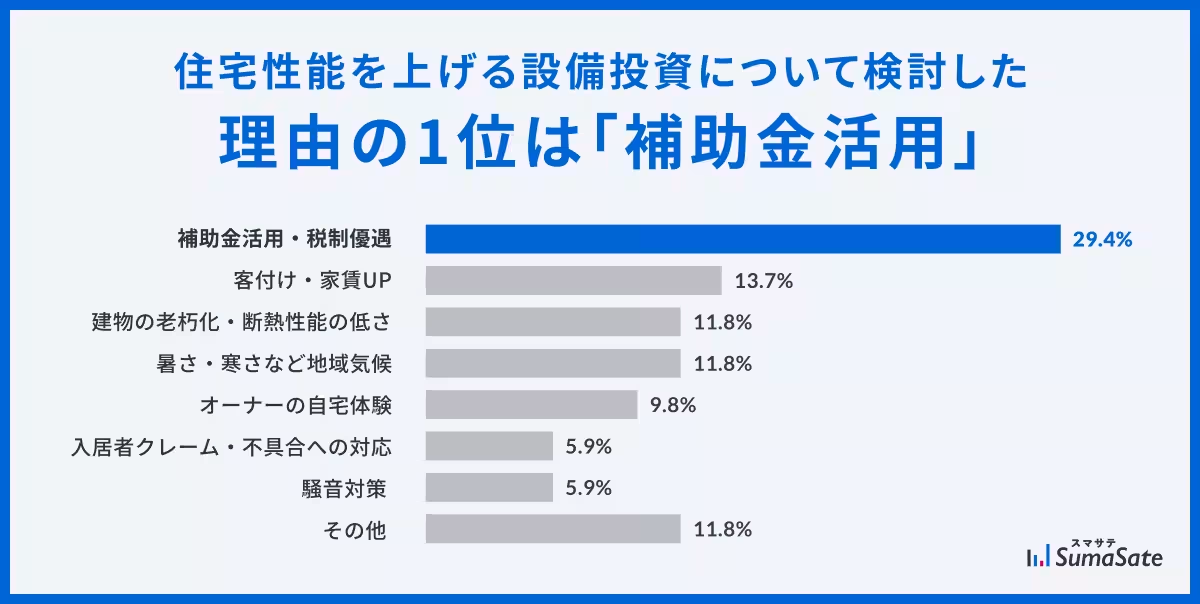
The leading reason driving landlords to consider performance-enhancing investments remains the usage of subsidies and tax incentives, with nearly 30% indicating that financial support significantly influences their decisions. Other factors include the potential for increasing property rent and addressing aging issues.
Return on Investment Considerations
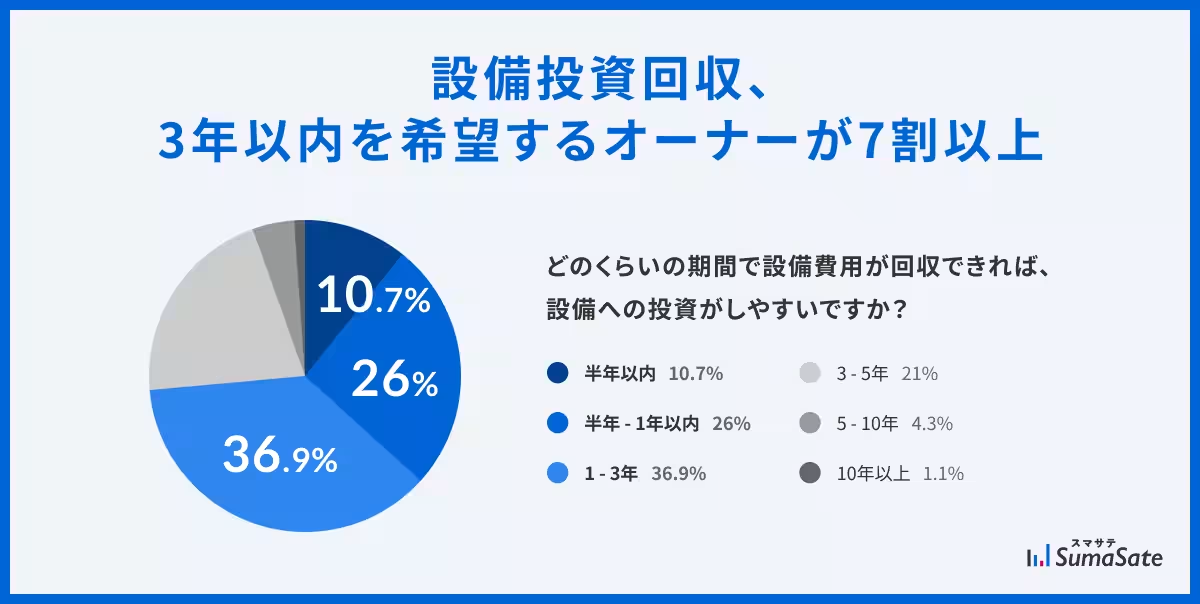
Regarding the recovery of investment costs, over 70% of landlords expressed that they would prefer to see a return within three years of making improvements. This trend aligns with findings from previous surveys, emphasizing the necessity for quick recoupment of any costs associated with property enhancements.
Ensuring Long-Term Sustainability
As the rental market evolves, particularly for older properties, landlords need to be strategic in using financial aids like government subsidies to mitigate investment risks. Creating comfortable living environments will not only retain current tenants but also attract new ones.
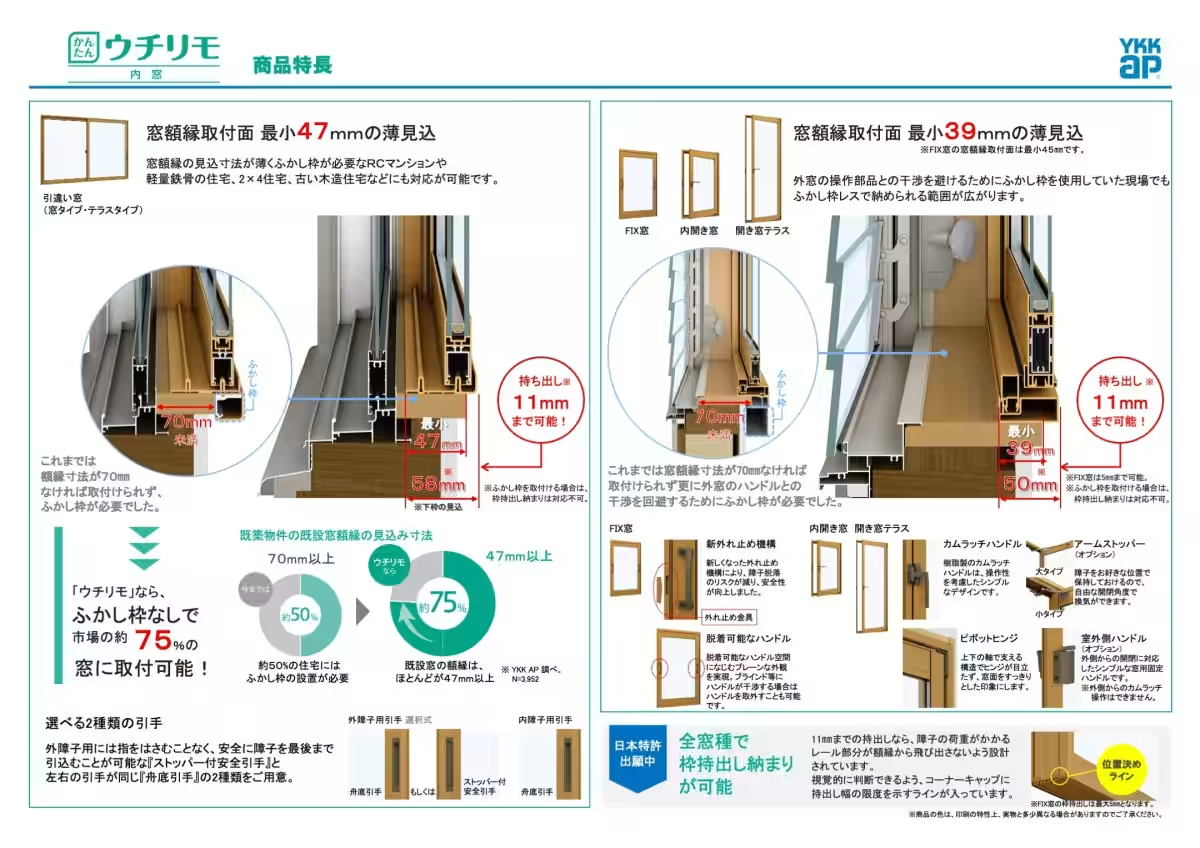
Additionally, YKK AP's inner windows, branded as "Uchirimo," are designed to provide exceptional insulation and noise reduction while qualifying for several subsidy programs to reduce initial expenses. This product exemplifies how property owners can enhance their properties while ensuring compliance with current energy regulations.
Overall, the survey underscores the heightened focus on performance-enhancing renovations among landlords, illustrating how investments aimed at improving thermal properties and sound insulation can have a direct positive impact on tenant occupancy and satisfaction. As competition intensifies, the importance of providing a comfortable living environment will only continue to grow, positioning property upgrades as essential to long-term success in rental management.

Topics Consumer Products & Retail)
【About Using Articles】
You can freely use the title and article content by linking to the page where the article is posted.
※ Images cannot be used.
【About Links】
Links are free to use.