



Innovative Wireless Charging Project for Automated Patient Transport at Tokyo Women’s Medical University
Revolutionizing Patient Transport at Tokyo Women’s Medical University
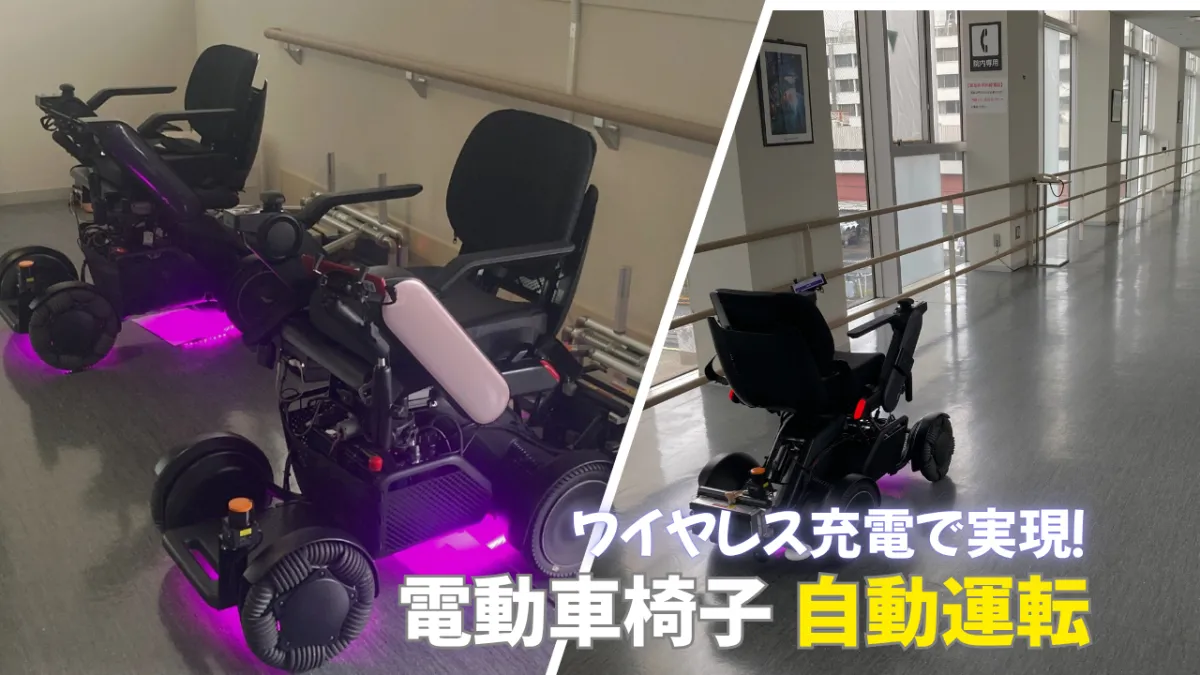
In a significant advancement for healthcare technology, B&Plus, based in Ogawa, Saitama, has introduced a pioneering solution for patient transportation at the Tokyo Women’s Medical University Hospital by implementing wireless charging in their automated transport project. This integration aims to facilitate the automatic operation of electric wheelchairs, specifically tailored for the hospital's demanding environment.
1. The Push for Automated Logistics in Healthcare
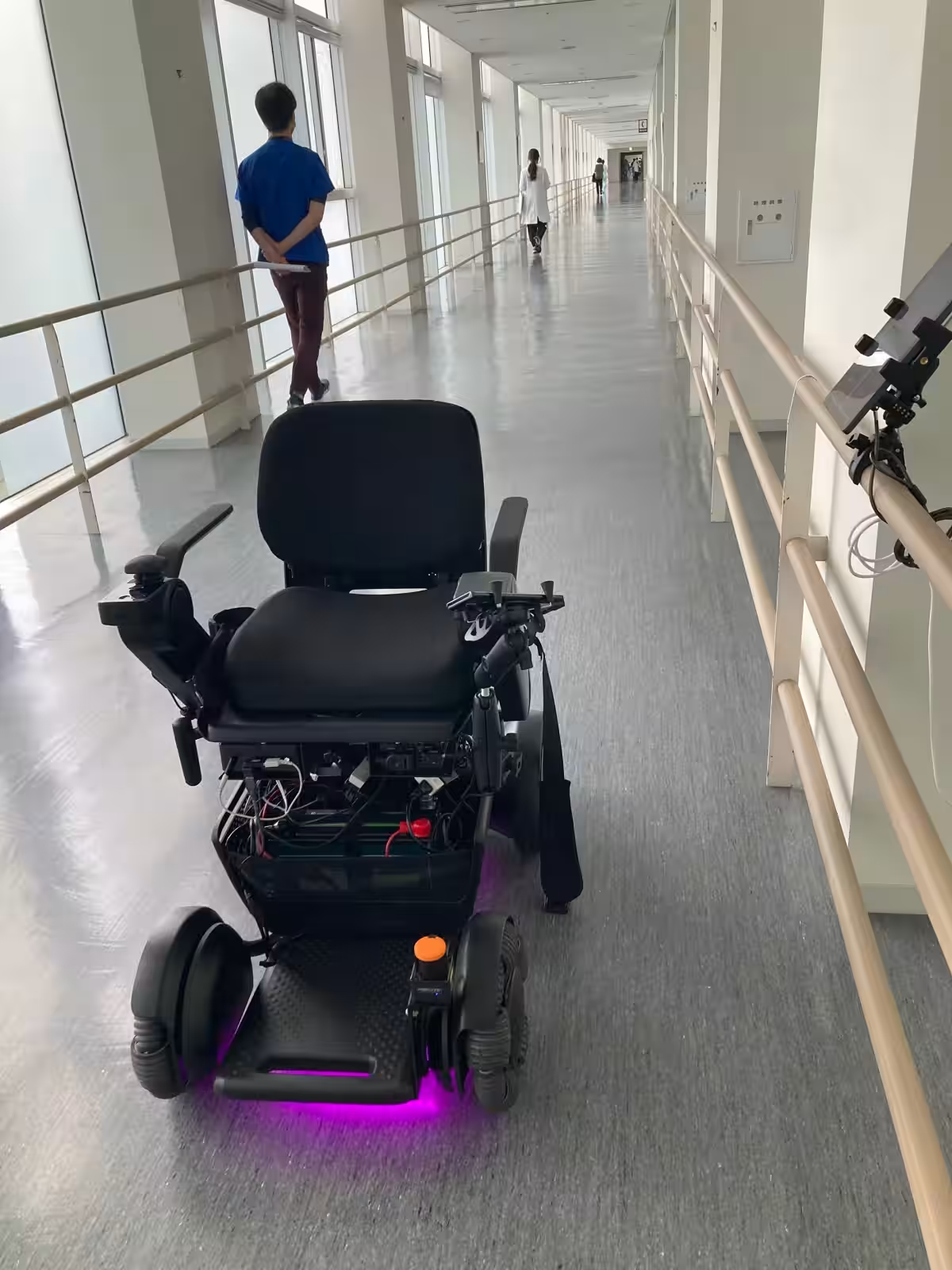
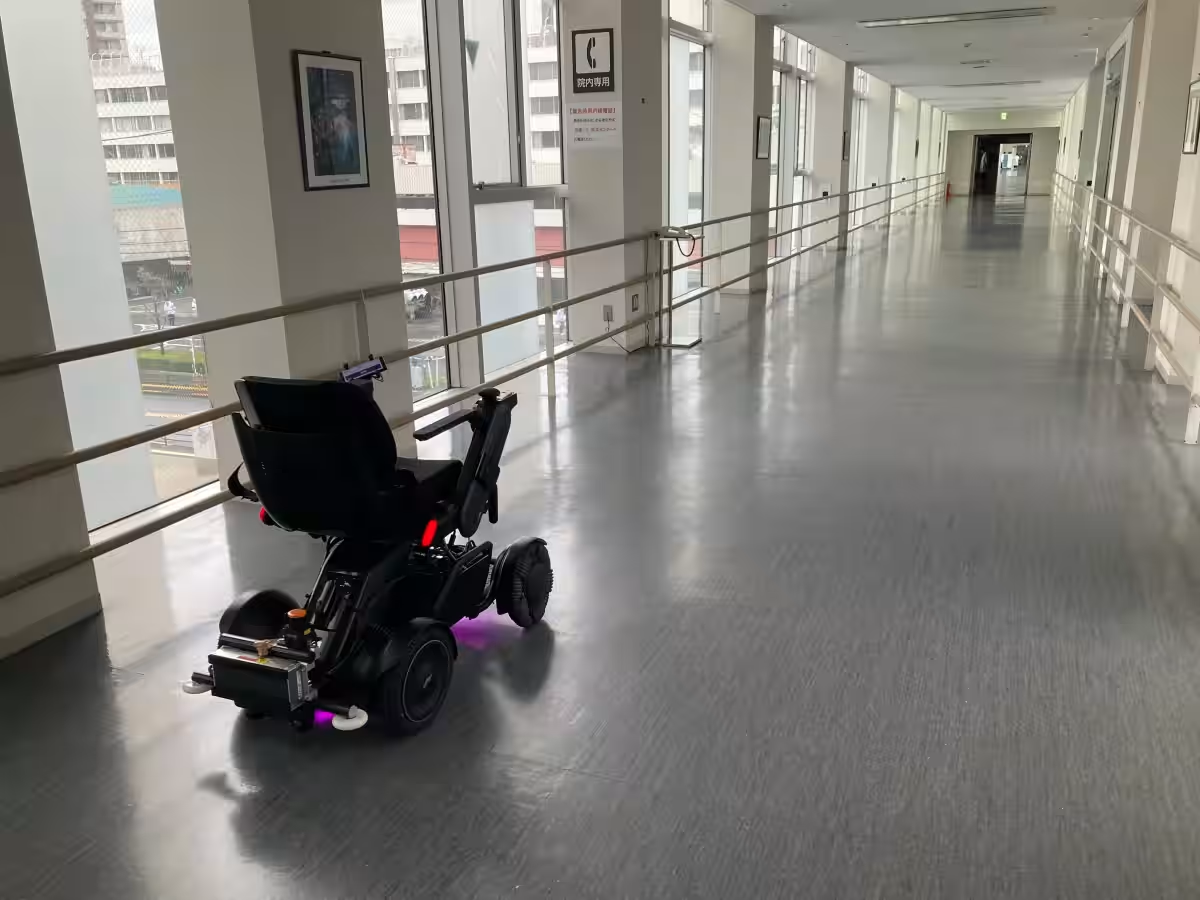
The project focuses on automating the transportation of patients within the hospital, particularly across a 150-meter-long corridor. By utilizing the electric wheelchair model WHILL CR2, B&Plus aims to reduce the strain associated with patient movement while promoting operational efficiency.
In this collaborative effort, an external company is managing the autonomous driving control, while B&Plus is in charge of developing the necessary hardware and modifying the vehicle for optimal functionality. The focal point of this initiative is the automation of the charging process that allows for continuous operation without relying on manual intervention.
2. Design and Development Centered on Wireless Charging
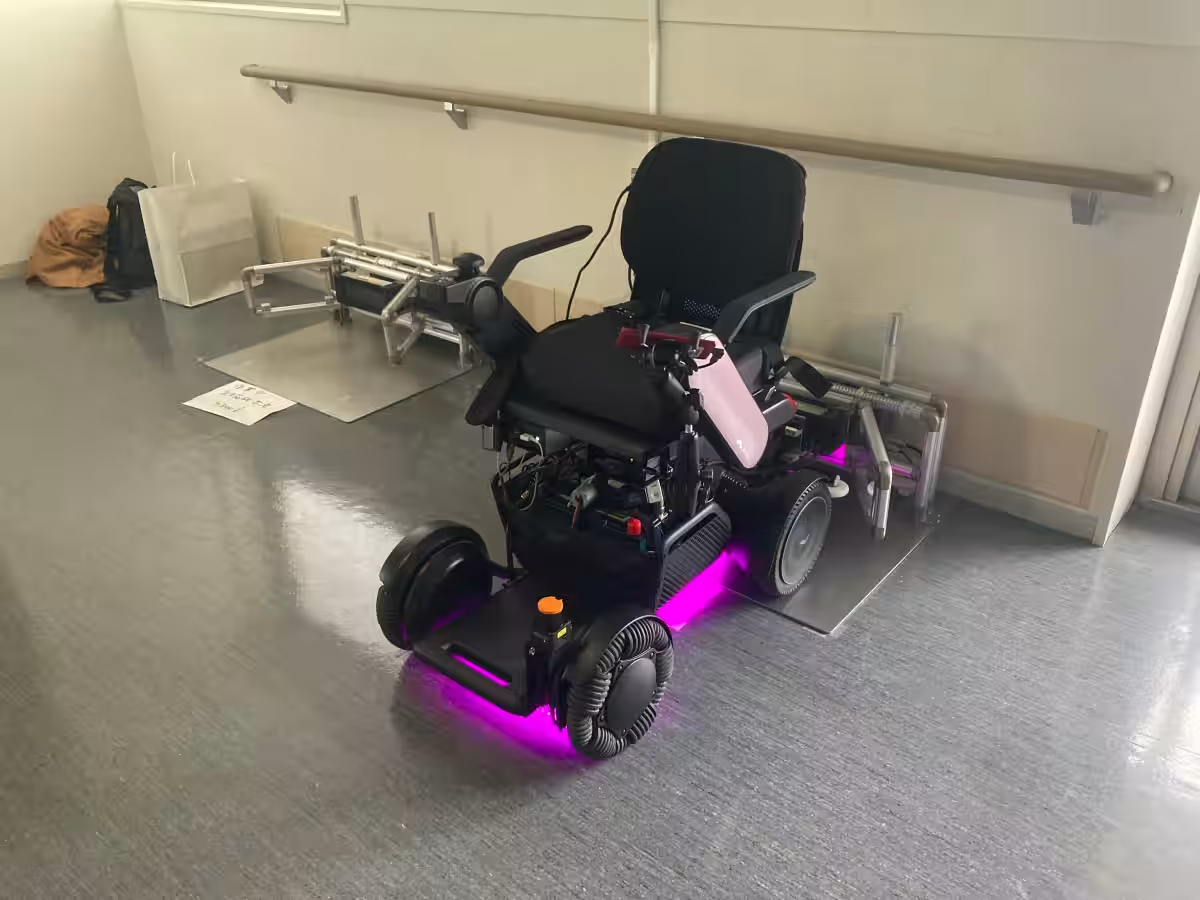
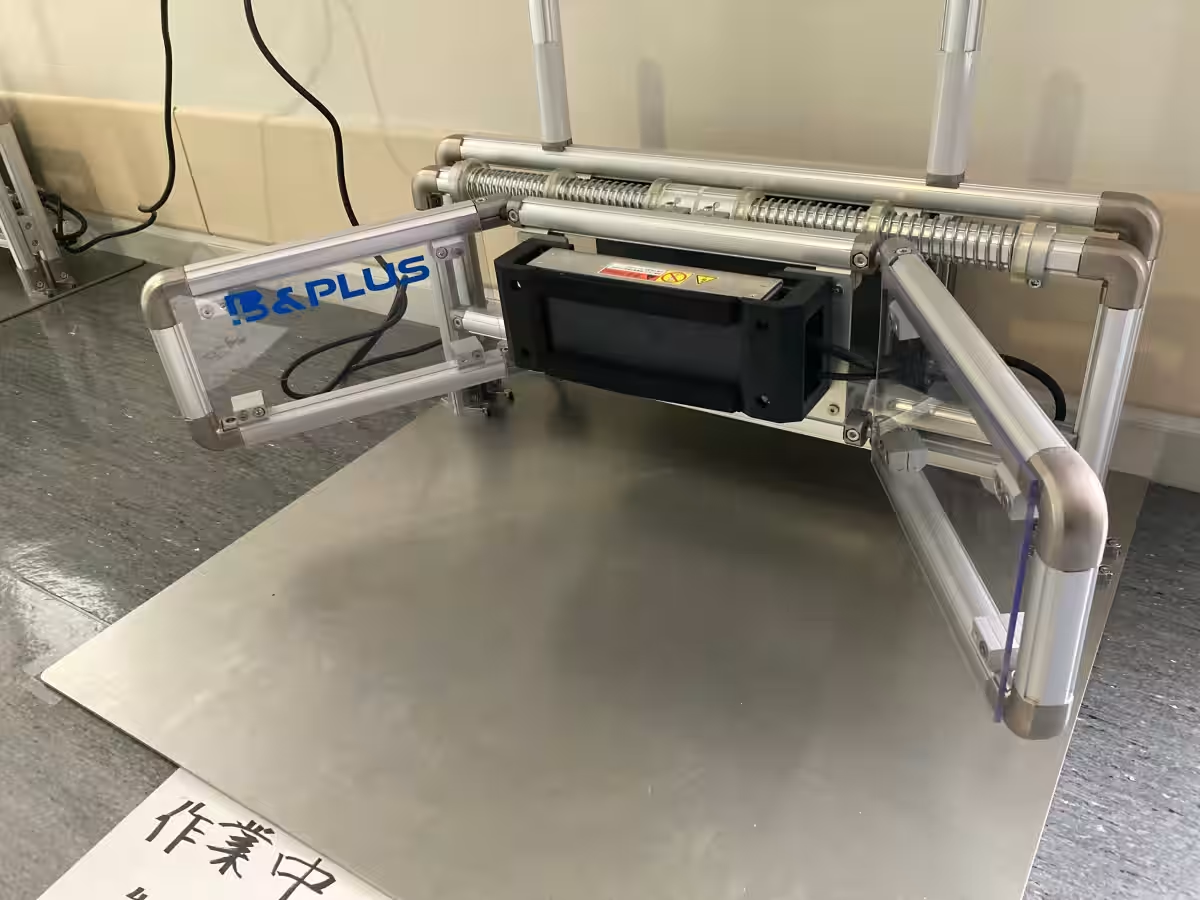
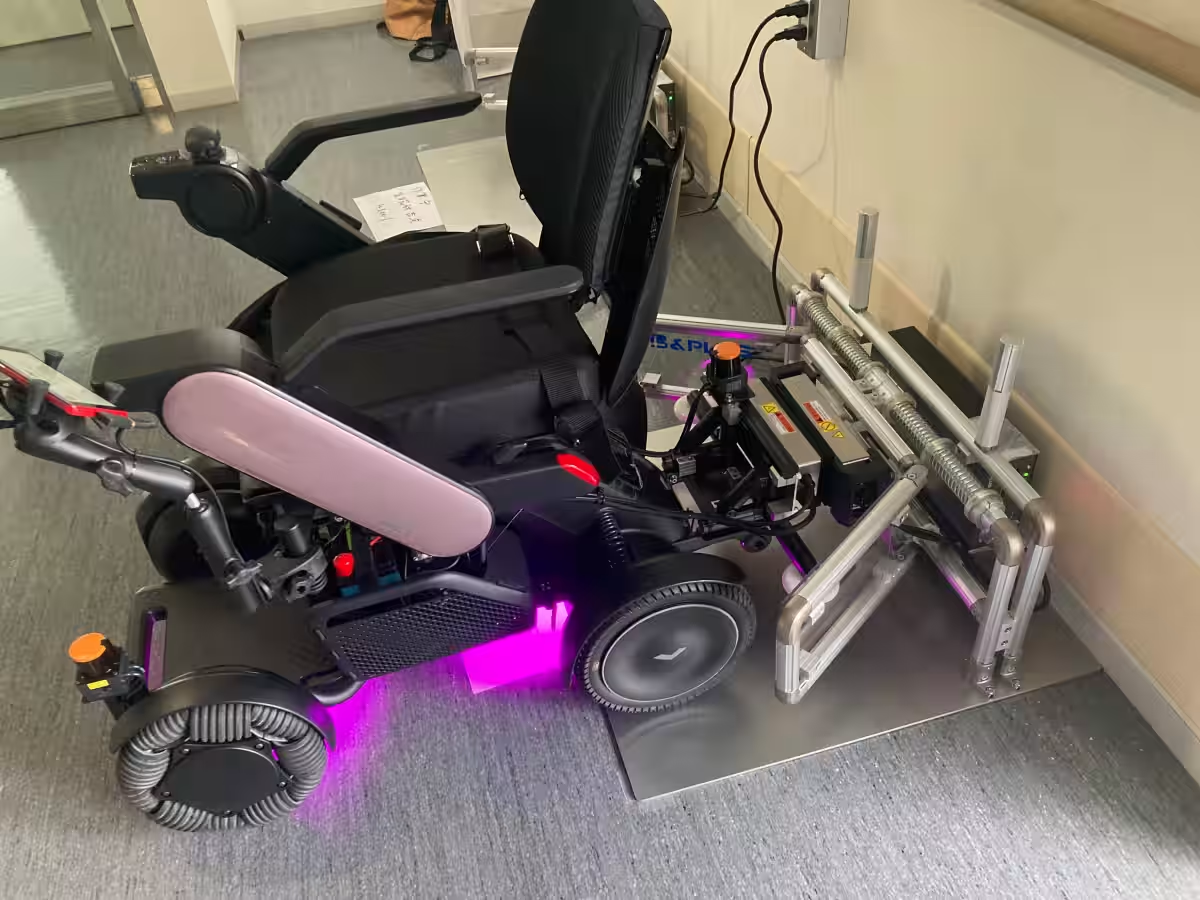
A key feature of this system is the addition of a supplementary battery to the WHILL unit, which can be charged wirelessly using a 600W power supply. This non-contact charging method ensures that the wheelchair remains ready for use, enhancing the frequency and reliability of patient transfers.
Additionally, the design incorporates an inverter connected to the supplemental battery, enabling the use of WHILL's original charger to power the main battery while maintaining the standard specifications. To accommodate the potential positional discrepancies of the automated vehicle, the charging station has been equipped with a spring mechanism capable of absorbing lateral deviations of about ±10 cm. This innovative setup guarantees successful charging initiation, regardless of slight variations in stopping positions during autonomous operation.
3. Enabling Continuous Operation through Automated Charging
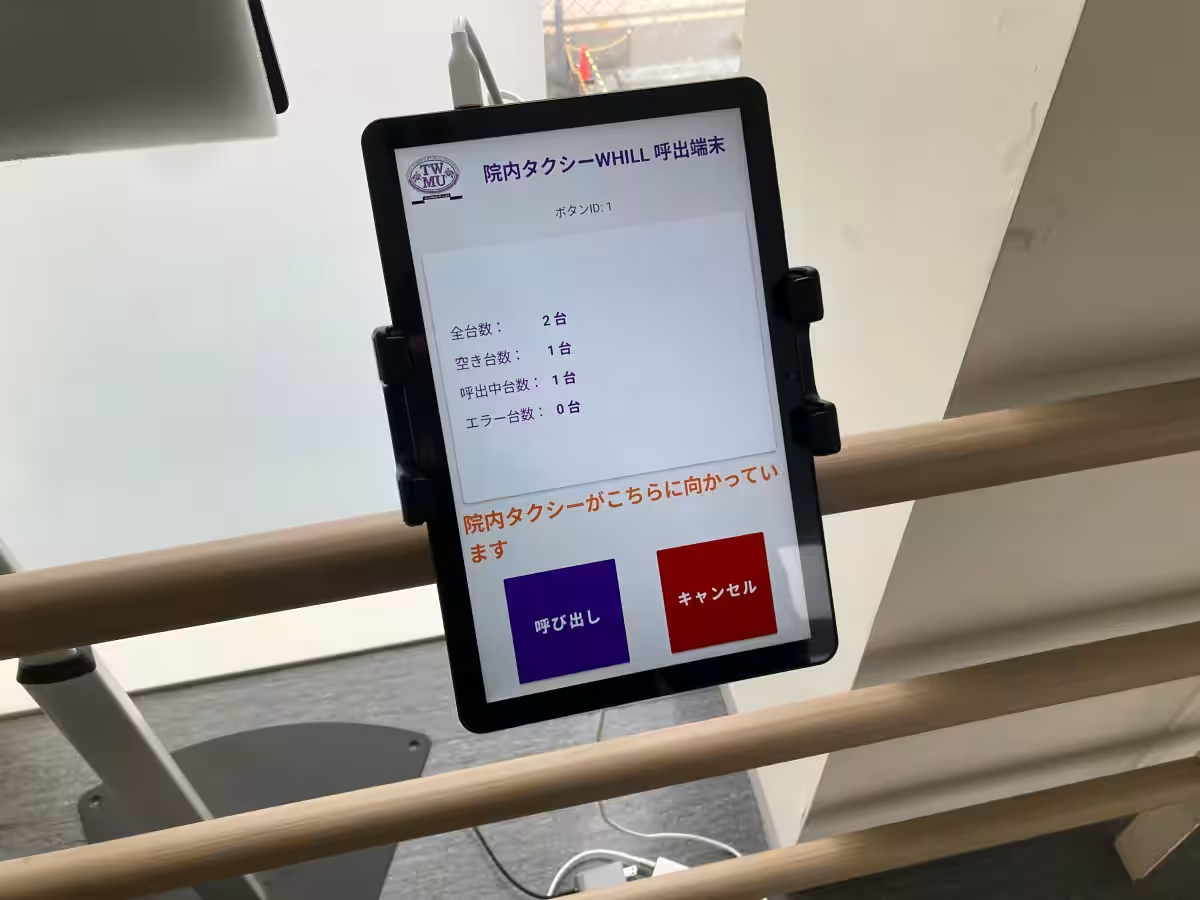
Operationally, users can summon the wheelchair from tablets located at both ends of the corridor. Upon arrival, the wheelchair independently transports patients to their designated locations, returning automatically to a waiting position once the journey is complete. Following this, it proceeds to the charging station, where wireless charging commences automatically, eliminating any previously needed manual charging tasks. This advancement ensures a seamless process that maintains continuous patient transport without interruptions.
Through this innovative technology, B&Plus is automating the charging process for electric wheelchairs, leading to enhanced operational rates and reduced human workload. This approach is especially crucial in supporting stable operations within facilities requiring patient transportation across various domains.
The practical application of this technology is currently under real-world validation, with plans for full implementation anticipated around April 2026. Interested parties considering wireless charging for automation within their operations are encouraged to reach out.
About B&Plus
B&Plus is dedicated to developing, manufacturing, and selling wireless power transmission technology. For more information, visit B&Plus Website.
Contact Us
For inquiries about automation and labor-saving solutions like wireless charging, please feel free to contact us via the inquiry form.
Topics Health)
【About Using Articles】
You can freely use the title and article content by linking to the page where the article is posted.
※ Images cannot be used.
【About Links】
Links are free to use.