



Remembering the Great East Japan Earthquake: A 15-Year Journey of Recovery in Miyagi Prefecture
15 Years Since the Great East Japan Earthquake: Discovering Current Miyagi
March 11, 2026 marks 15 years since the devastating Great East Japan Earthquake. Over the years, Miyagi Prefecture has transformed as communities have rebuilt, adapting to new realities while keeping the memory of that fateful day alive. With a variety of developments, including new facilities that preserve the memory of the disaster, unique spots to rediscover the allure of the region, and events held in Tokyo to educate people about the past, it's an opportunity to delve into the present state of Miyagi.
Must-Visit Spots Established After 3.11
Sendai and the Chubu Coastal Area
In Sendai, the gateway to Miyagi Prefecture, both urban functionality and tourism have seen significant advancements post-disaster. This area has developed into a hub that supports local culture, education, and culinary experiences, offering a glimpse into the current vibrancy of Miyagi.
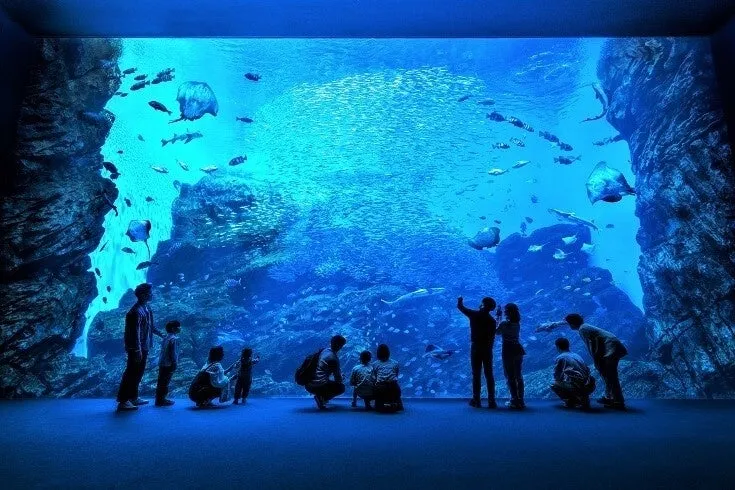
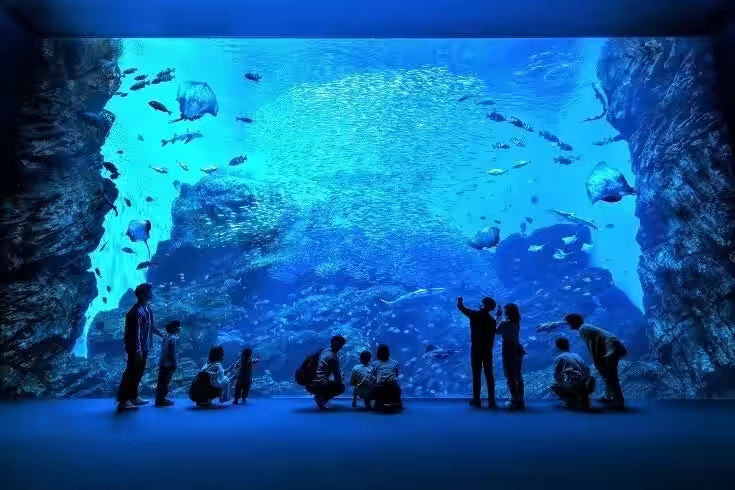
Sendai Uminomori Aquarium
Opened in 2015, the Sendai Uminomori Aquarium stands as a beacon of recovery for the coastal region hit hard by the tsunami. As a core facility for rebuilding the community, it showcases the rich marine biodiversity of the Sanriku region and emphasizes the connection between humans and the sea.
- - Access: 15-minute walk from Nakano Eki Station on the JR Sengoku Line.
- - Hours: 9:00 AM - 5:30 PM (last entry at 5:00 PM; hours may vary seasonally).
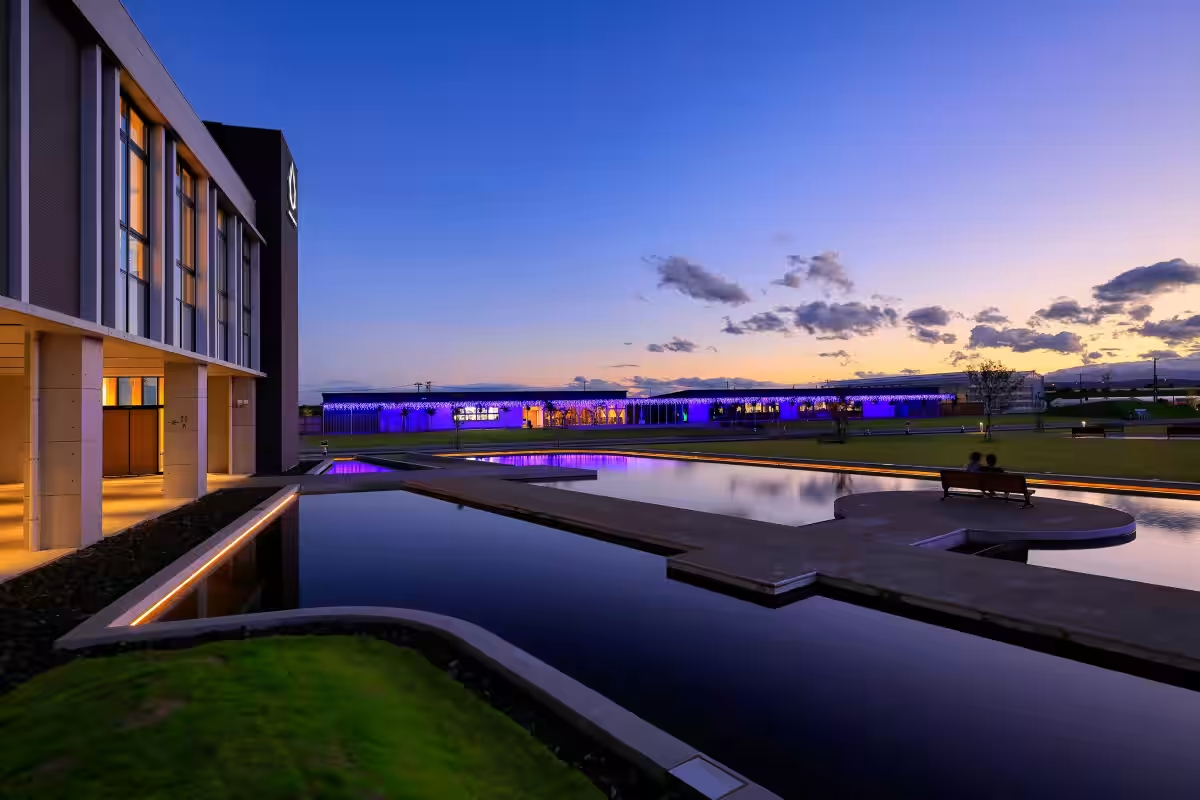
Aqua Ignis Sendai
This multi-facility complex, which opened in 2022, aims to create a social space on the site of a former collective relocation area following the disaster. Featuring a natural hot spring sourced from 1,000 meters underground, local farmers’ markets, and specialty coffee cafes, it promotes the unique resources and flavors of the Tohoku region.
- - Access: Shuttle bus service from Arai Station on the Sendai Subway.
- - Hours: Weekdays 9:00 AM - 9:00 PM (last entry at 8:00 PM); weekends and holidays 9:00 AM - 10:00 PM (last entry at 9:00 PM; hours may vary by store).
Ishinomaki and Onagawa Area
The Ishinomaki and Onagawa areas, despite the significant destruction from the earthquake and tsunami, have demonstrated remarkable recovery. Rebuilt urban areas and commercial facilities now coexist with memorial parks that convey the memories of the disaster, showcasing a culture that thrives by the sea.
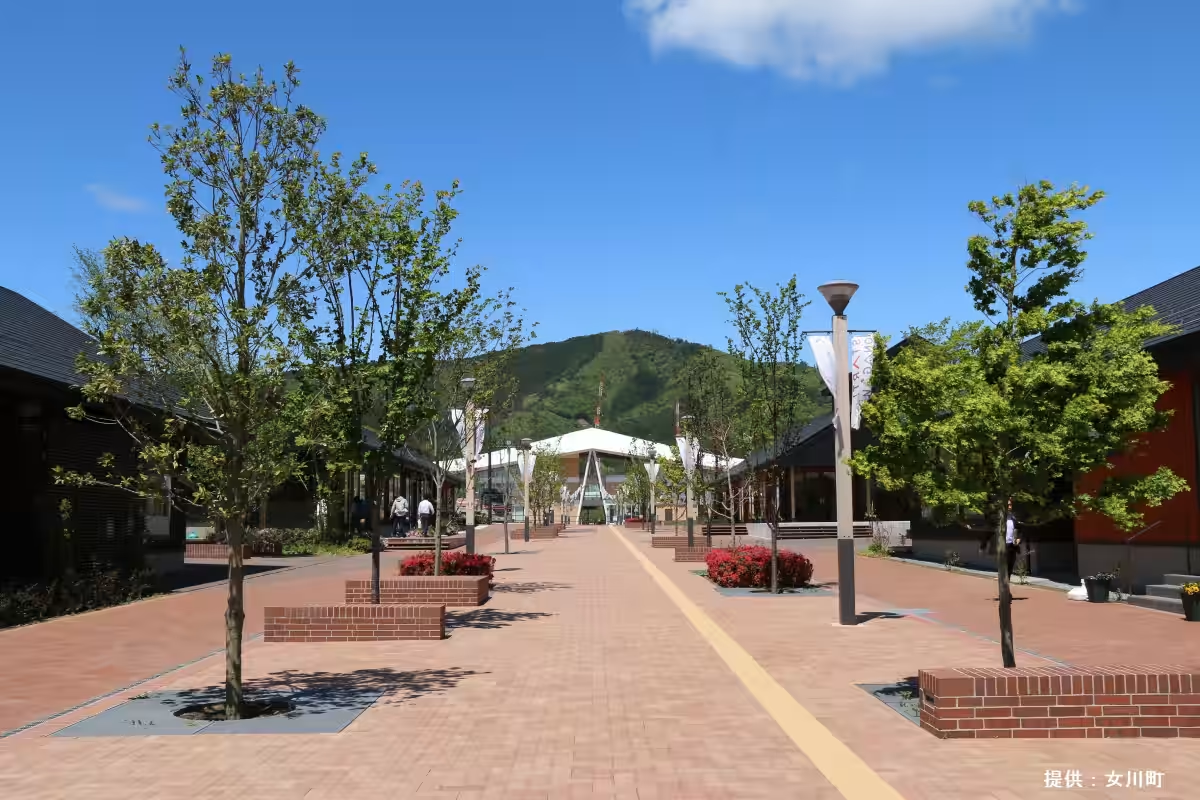
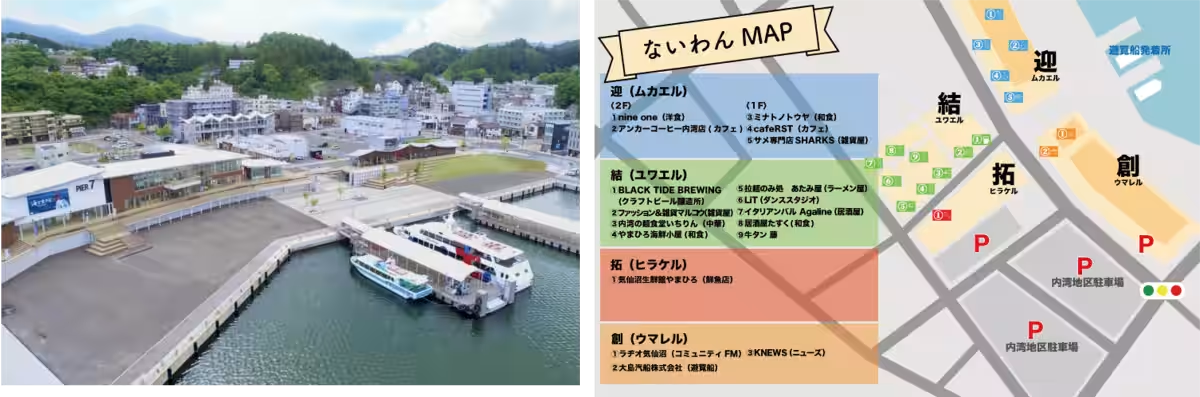
SeaPal Pia Onagawa
Part of a revitalization plan following severe tsunami damage, SeaPal Pia Onagawa boasts a pedestrian-friendly area lined with dining and retail options featuring local seafood and specialties. This space is designed to foster interactions between residents and tourists.
- - Access: 1-minute walk from Onagawa Station on the JR Ishinomaki Line.
- - Hours: 9:00 AM - 5:00 PM (varies by store).
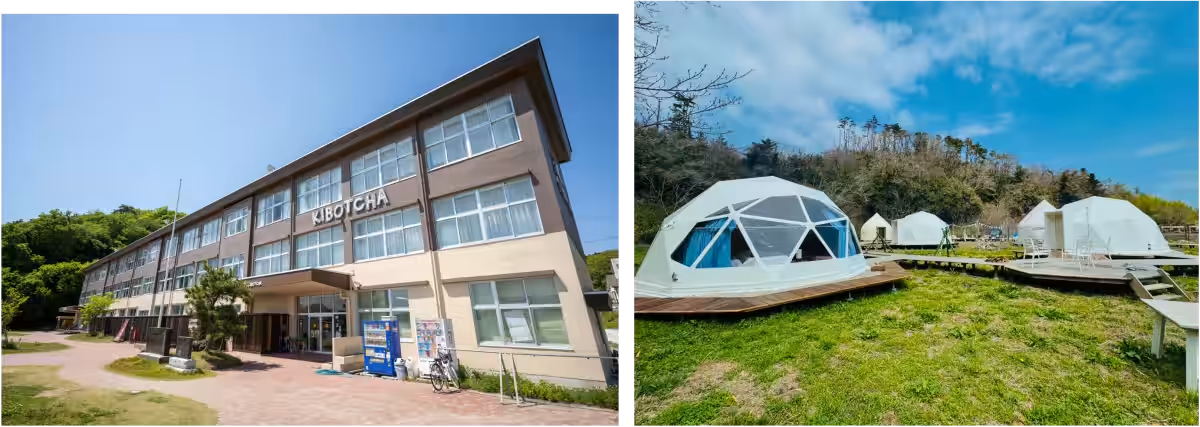
KIBOTCHA
A unique lodging facility that was remodeled from the now-closed Nobiru Elementary School. It caters to both small and large groups, offering camping options, barbecues, and emergency preparedness training sessions for visitors.
- - Access: 10-minute walk from Nobiru Station on the JR Sengoku Line.
- - Hours: BBQ lunch service 11:00 AM - 3:00 PM; dinner service 5:00 PM - 9:00 PM; hotel check-in at 3:00 PM, check-out at 10:00 AM.
Kesennuma Area
Kesennuma, a significant fishing port town, has made strides in rebuilding its unique coastal culture and industries after the earthquake. With refurbished waterfronts and new communal spaces, it offers experiences that embody both the beauty of the sea and the lessons of resilience.
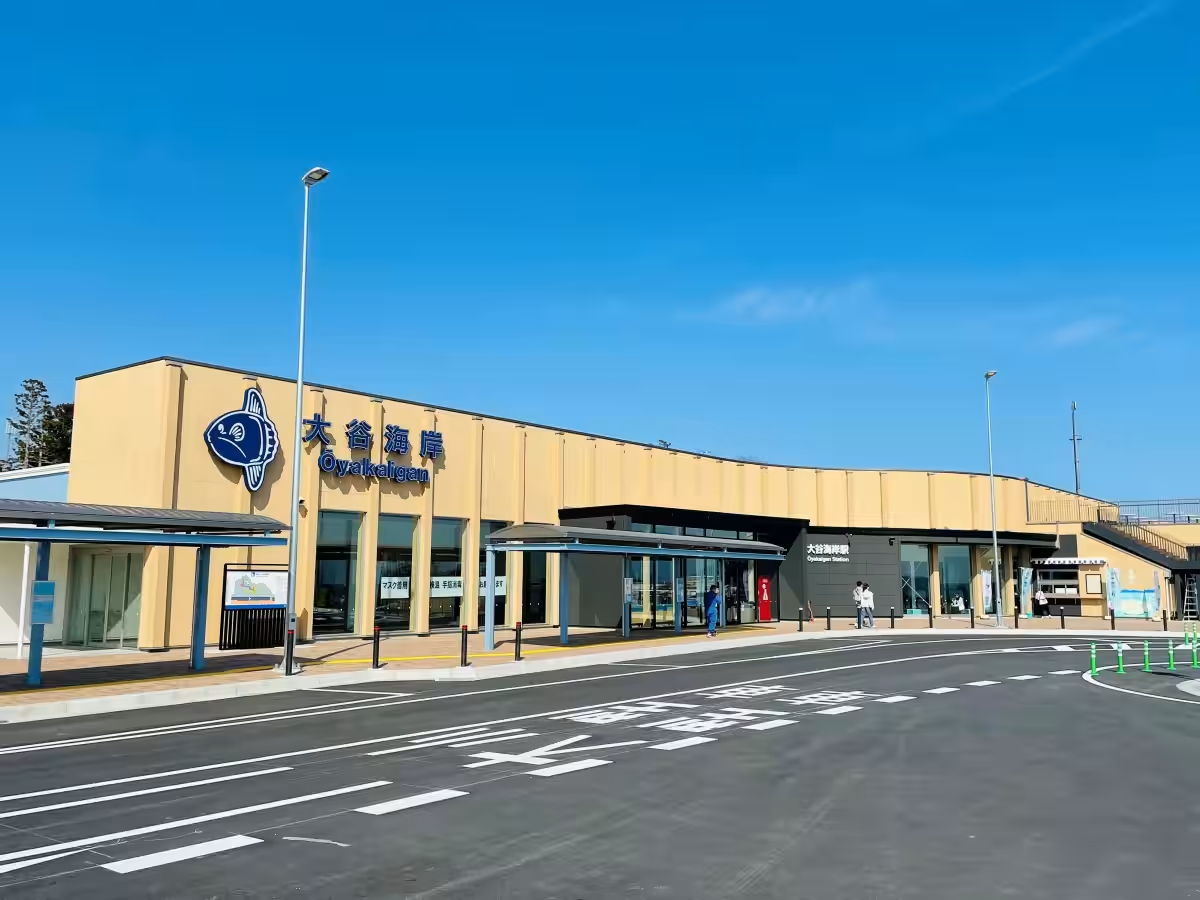
Michi no Eki Otani Coast
Known as
Topics Other)
【About Using Articles】
You can freely use the title and article content by linking to the page where the article is posted.
※ Images cannot be used.
【About Links】
Links are free to use.