



Reviving Satoyama: How Nature Positive Initiatives are Shaping a Sustainable Future
Reviving Satoyama: How Nature Positive Initiatives are Shaping a Sustainable Future
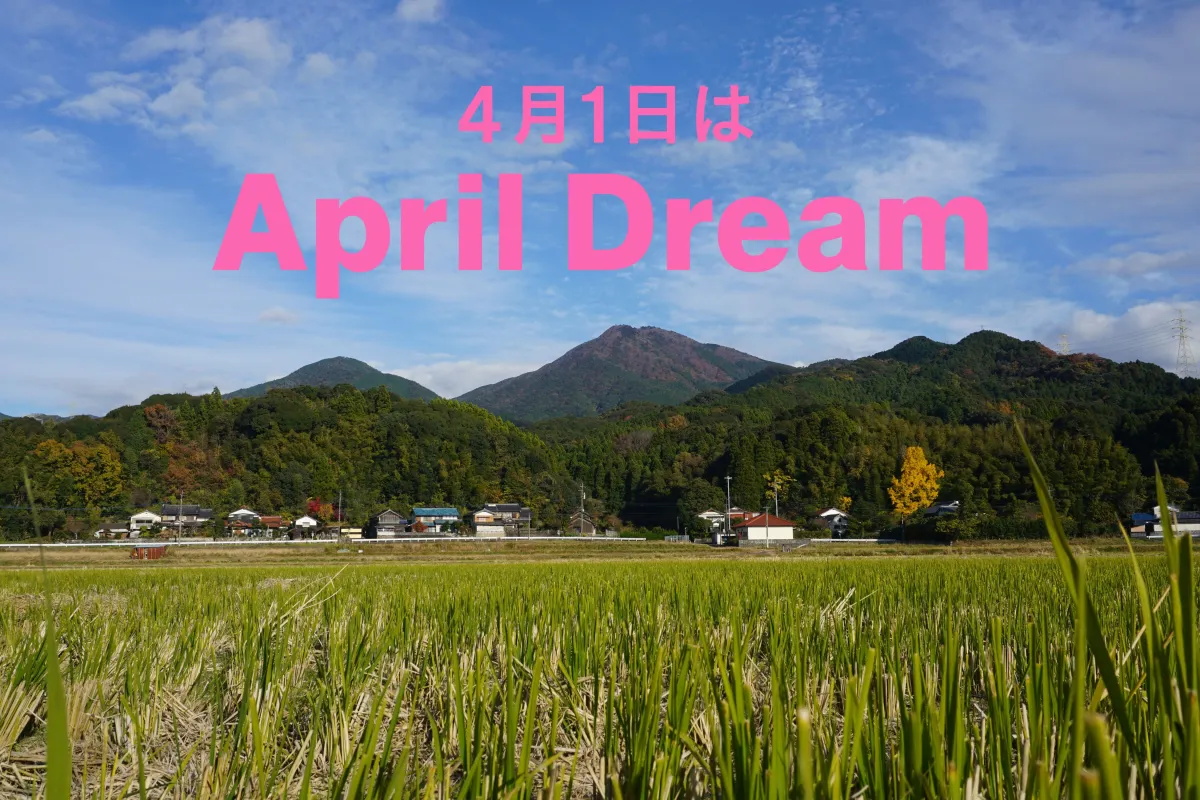
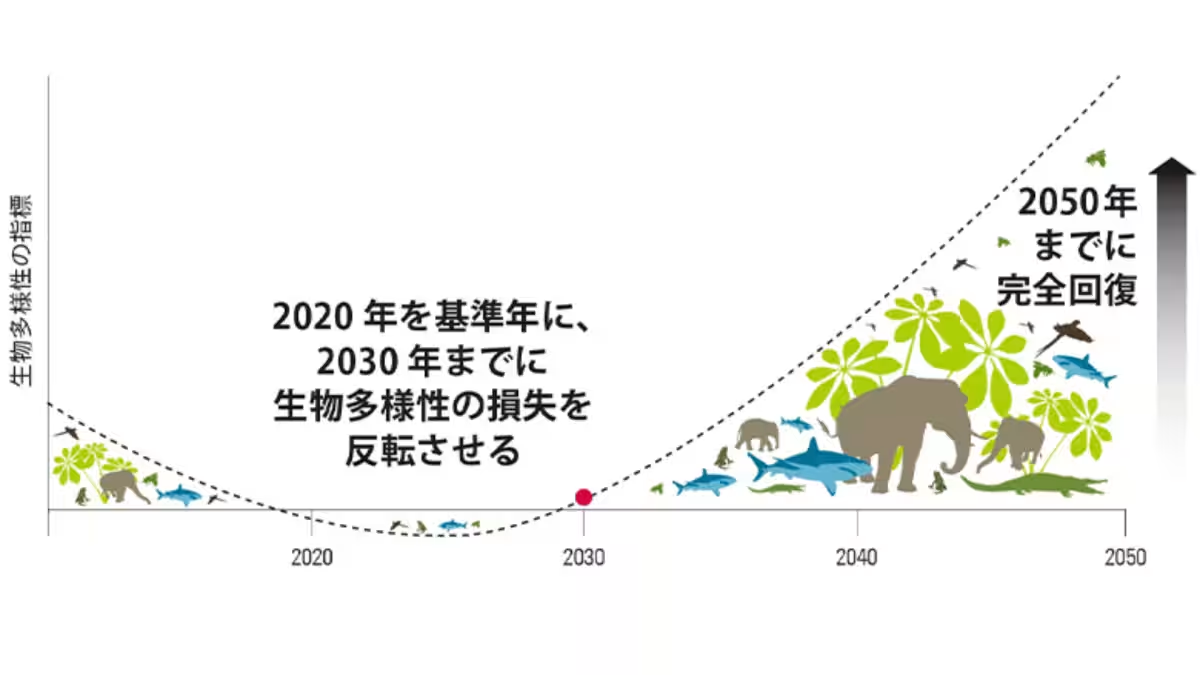
Nestled in the breathtaking landscapes of Japan lies Satoyama, a testament to the harmony that can exist between humans and nature. This concept is crucial in today's world, where approximately one million species are at risk of extinction due to human encroachment and climate change. On April 1, a campaign titled 'April Dream' aims to spotlight ambitious dreams aimed at revitalizing our planet, and leading the charge is the non-profit organization, Karatsu Farm & Food.
Satoyama represents a unique blend of rice fields, forests, and waterways that have historically supported both biodiversity and local communities. Despite its ecological importance, Satoyama is facing tremendous challenges due to rural aging, abandonment of arable land, and a lack of successors. The initiative by Karatsu Farm & Food seeks not only to preserve but also to increase the natural resources found within Satoyama. With the recent alarming data from the IPBES urging immediate action, Karatsu's commitment to 'Nature Positive' serves as a beacon of hope.
The Nature Positive Movement
Nature Positive goes beyond mere conservation; it is about actively enhancing natural environments. This philosophy is gaining traction as businesses across Japan respond to environmental risks corresponding to ESG (Environmental, Social, and Governance) strategies. However, a WWF Japan survey revealed that only 18% of the companies that claimed to analyze their dependencies on nature were actually doing so effectively. Awareness of the situation is growing, but on-the-ground action is still needed.
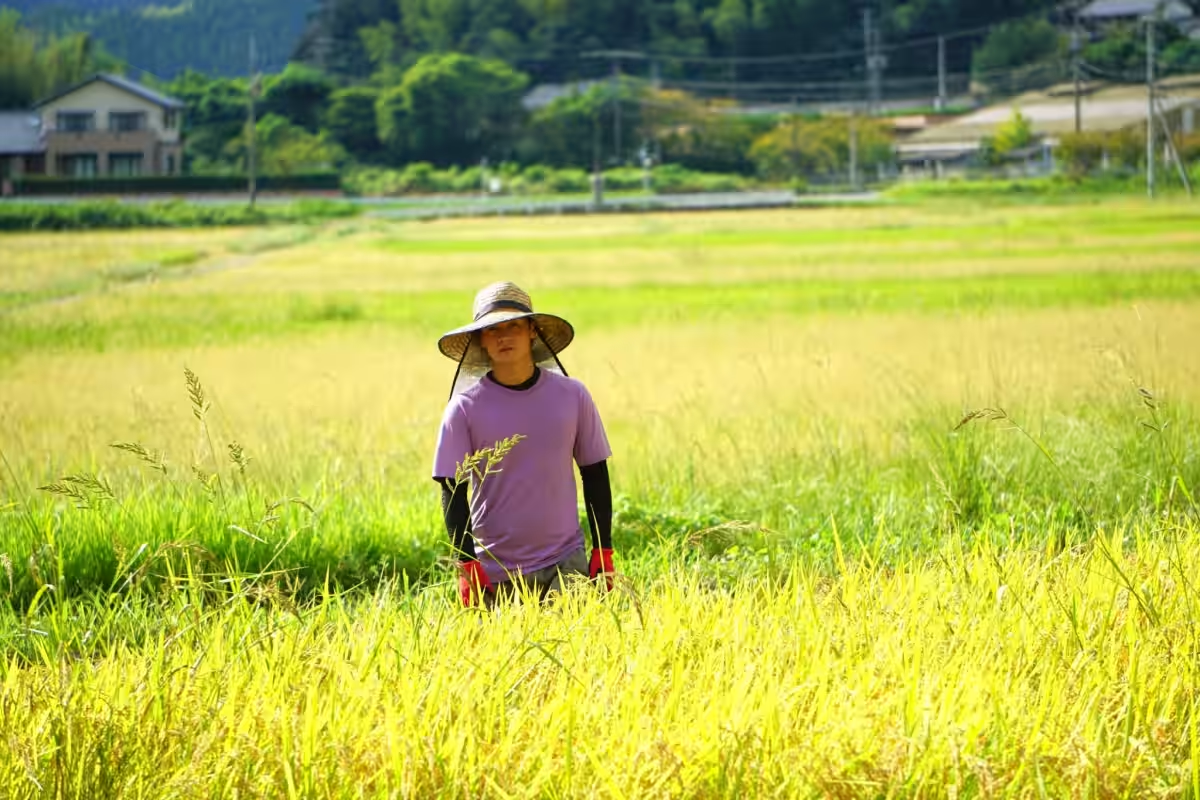
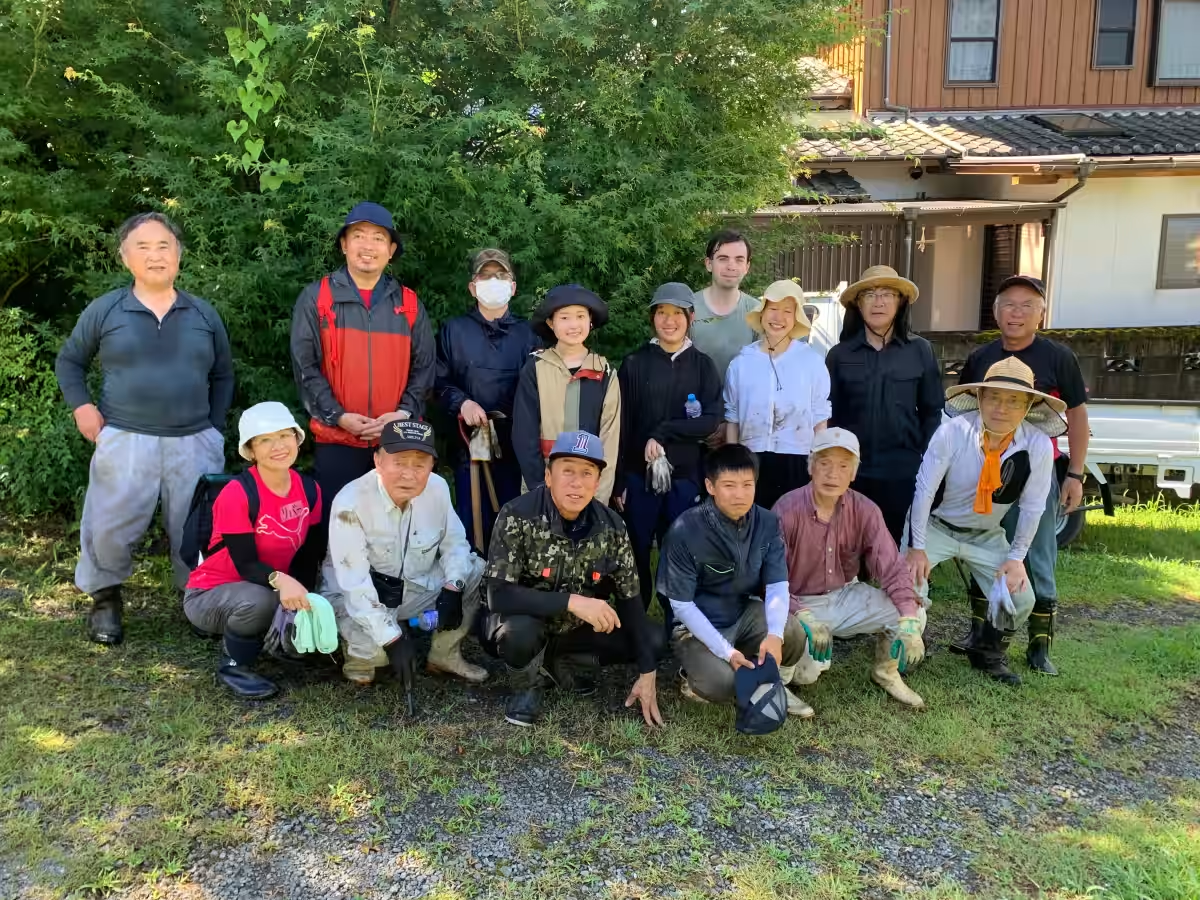
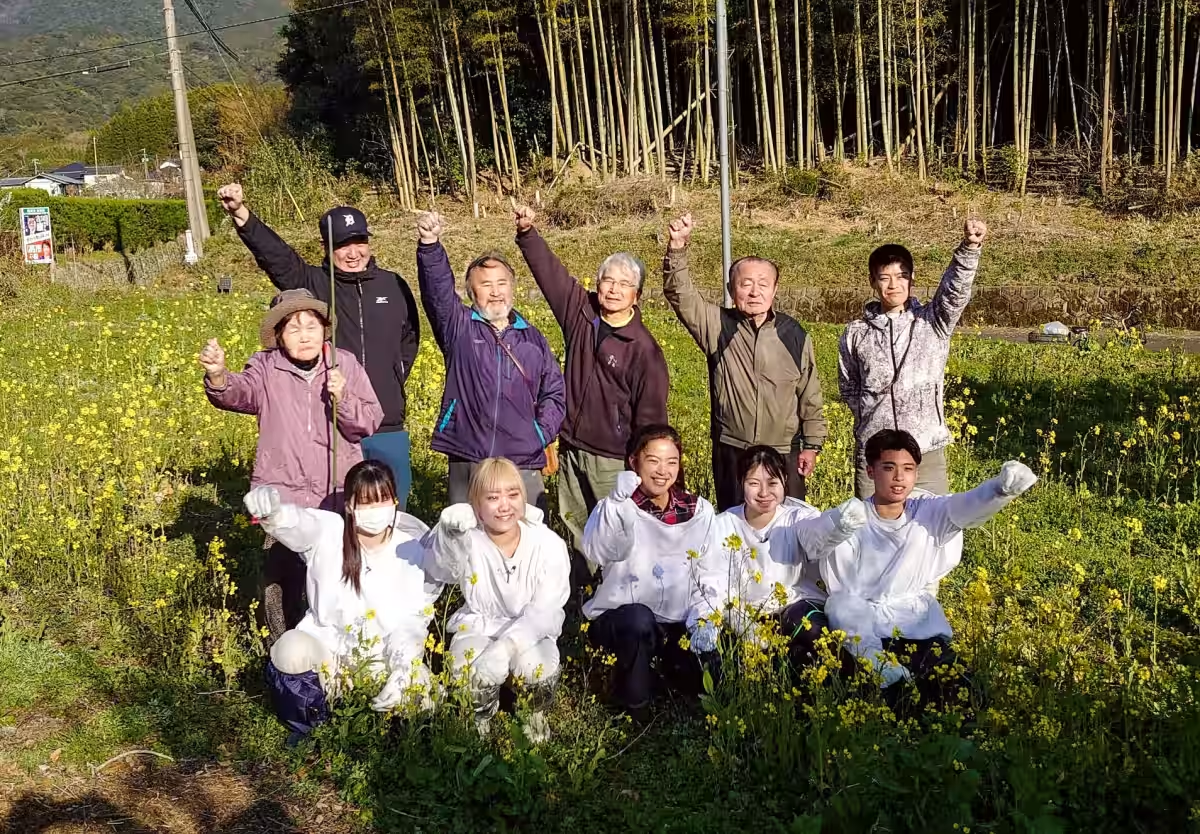
Karatsu Farm & Food’s initiative to transform abandoned rice paddies into thriving ecosystems reflects the essence of this movement. In collaboration with local communities, high school and university students, and international volunteers, the organization has rejuvenated about 5 hectares of previously abandoned agricultural land into a flourishing Natural Coexistence Site.
Satoyama as a Model for Global Sustainability
Internationally, the term 'Satoyama' is even starting to appear in its original form, underscoring its global significance. The Japanese government, recognizing the value of this collaborative ecosystem, is promoting it through initiatives like the SATOYAMA Initiative. The essence of Satoyama lies in the coexistence of diverse life forms and local livelihoods, forming an unparalleled reservoir of knowledge and practices that can inspire sustainable practices worldwide.
One of the standout projects is the 'Karatsu Honeybee Project’, where local high school students are engaged alongside community members in preserving local flora and fauna, ensuring that the delicate balance of Satoyama remains intact. Such initiatives reveal how community-driven efforts can yield significant environmental benefits.
Collaborations for Change
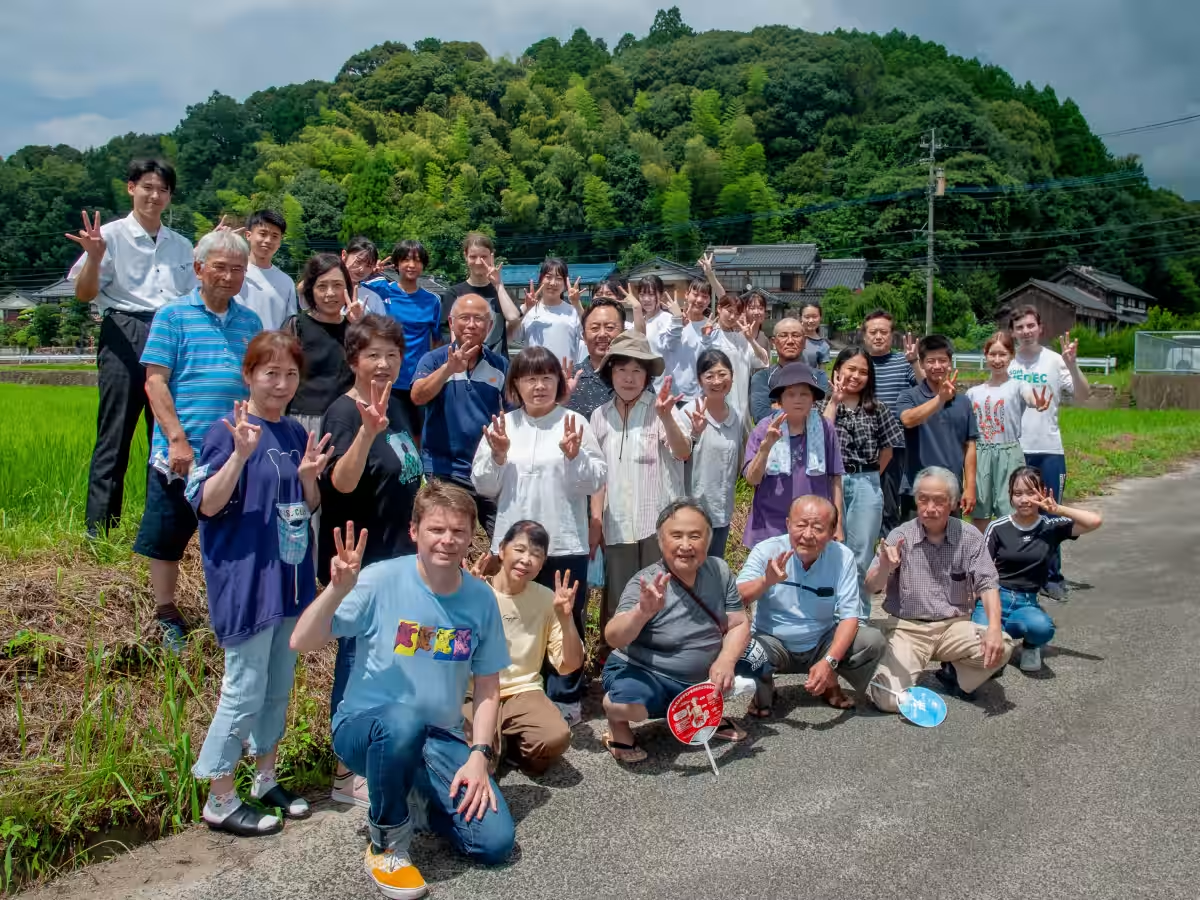
Karatsu Farm & Food is also acting as a model site recognized by the Ministry of Environment, not just locally in Saga Prefecture, but as part of a wider international ecosystem restoration community. Activities in this zone include safeguarding rare species like the Japanese salamander, engaging in biodiversity surveys, and welcoming volunteers from countries such as France and Denmark to participate in sustainable tourism. Educational initiatives involving international university students further enrich these programs, heightening awareness of biodiversity within their frameworks.
As Japan leads with the highest number of TNFD (Taskforce on Nature-related Financial Disclosures) adapters in the world, the nature-positive approach is becoming integral to business strategy. However, recognizing and addressing nature-related risks is challenging. Karatsu’s Natural Coexistence Site serves as a pioneering field where organizations can implement nature-positive business practices. Companies vested in sustainability can officially utilize their support of such initiatives towards CSR and ESG disclosures.
Call to Action: A Shared Vision
The heart of Karatsu Farm & Food’s mission extends towards inspiring not only local communities but also businesses around the world to transform their environmental stewardship into actionable insights. The journey to elevate Satoyama as a model for nature-positive economies—where thriving nature equates to thriving communities—is their dream for the future.
By 2030, Karatsu envisions the expansion of these nature-positive models throughout Kyushu, Asia, and beyond, standing as a symbol of hope against climate change and biodiversity loss.
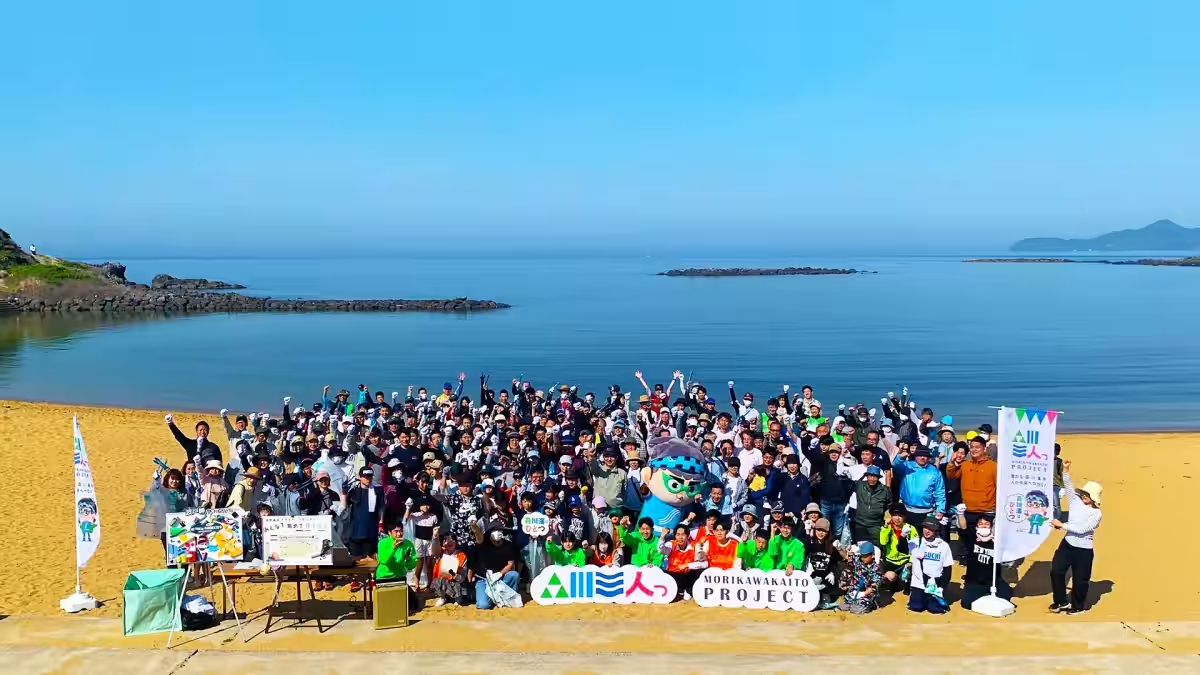
In conclusion, the Satoyama initiative by Karatsu Farm & Food exemplifies how local wisdom translated into modern action can serve as a blueprint for global sustainability. As the beach cleanup efforts in Karatsu have demonstrated with over 2,272 kg of plastic removed, the commitments are real, and the desire for revitalizing nature is strong. Together, from Japan’s Satoyama, this vision can grow into a global movement.
About Karatsu Farm & Food NPO
- - Location: Higashi-Karatsu 3-7-22, Karatsu City, Saga Prefecture, Japan
- - Established: 2019
- - Main Activities: Managing the first recognized Natural Coexistence Site in Saga, environmental education, beach cleanups, and Satoyama conservation.
- - Participants: Total of 22,689 individuals engaged in activities.
For inquiries, please reach out to: [email protected]
Discover more about Nature Coexistence Site support here: Karatsu Farm & Food

Topics Environment)



【About Using Articles】
You can freely use the title and article content by linking to the page where the article is posted.
※ Images cannot be used.
【About Links】
Links are free to use.