




Essential Reading for Kids: Navigate the Information Society with Smartphones!
A New Perspective on Smartphone Use for Young Souls
The rapidly evolving landscape of technology necessitates guidance for the younger generation, especially as smartphone ownership has jumped dramatically in recent years. In April 2026, KADOKAWA is set to release Just Looking at My Smartphone! A Smart Guide for Kids to Thrive in the Information Society by Yuya Suzuki. This book aims to bridge the gap in understanding the complexities of internet use and its risks, with an engaging narrative that resonates with children and adolescents alike.
The Age of Smartphone Ownership
According to recent studies, the average age for first-time smartphone ownership has plummeted to just 10.2 years. By fifth grade, smartphone ownership among children exceeds 50%, and this number climbs to more than 80% by middle school. Despite this prevalent use, many children lack a fundamental understanding of how the internet operates, the potential dangers lurking in digital spaces, and how to protect themselves while online. This is where Suzuki's book steps in, educating young minds through relatable stories and valuable lessons.
Lessons from the Book
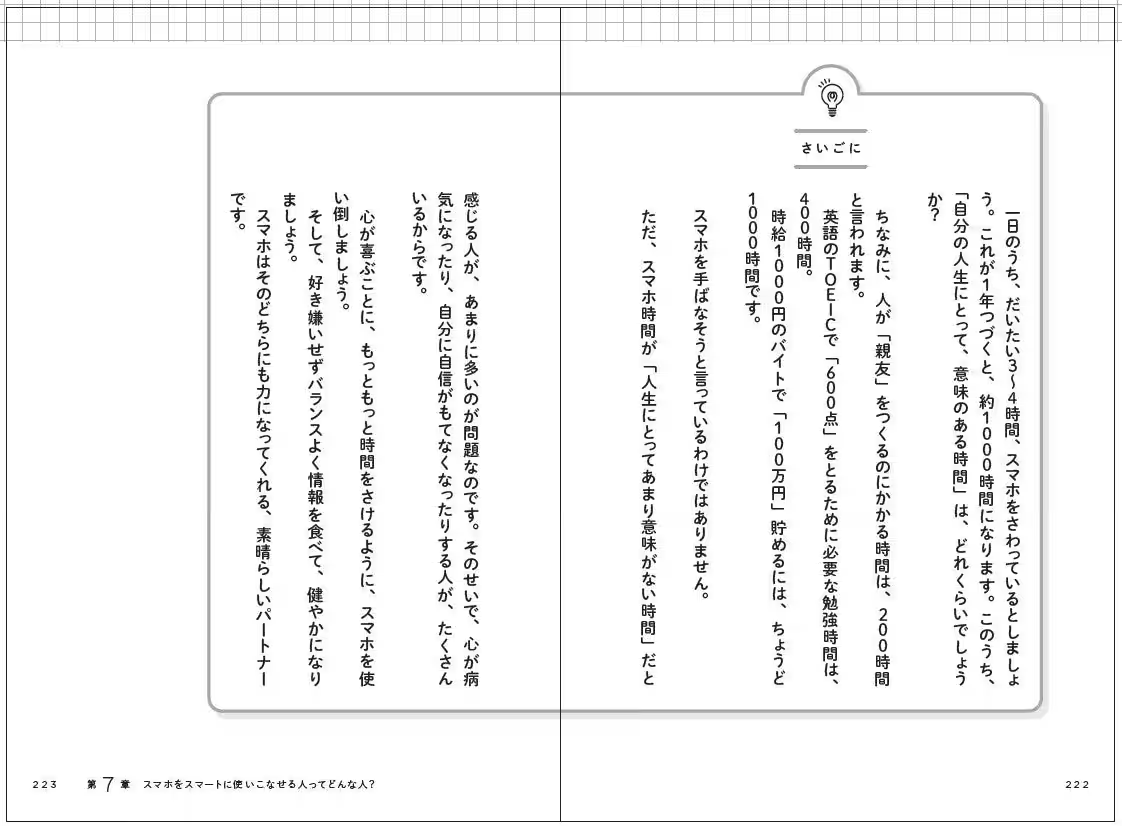
The narrative of Just Looking at My Smartphone! is centered around anecdotes that illustrate the consequences of various smartphone usage scenarios. For instance, children will learn:
- - Smartphones Can Intrude on Our Thoughts: Understanding how algorithms may affect their decisions.
- - Dark Patterns: Recognizing tactics that encourage impulsive purchasing behavior.
- - Side Effects of Excessive Media Consumption: What watching videos at high speeds can do to perception and attention.
- - Effective Output on Social Media: Tips for sharing content wisely and responsibly.
The book reveals that, even when merely scrolling, significant differences in outcomes can emerge based on how and what children engage with online.
A Compelling Narrative Approach
In an imaginative prologue, Suzuki introduces readers to Smartphone Middle School, where best friends Plus and Minus set out on diverging paths in adulthood. Their chance reunion unveils stark contrasts in their digital journeys—their experiences shaped by the very smartphones they once used. One has thrived as an influencer, while the other fell victim to online schemes. This captivating narrative drives home a critical message: merely looking at smartphones can yield vastly different consequences, underlining the importance of understanding the digital world.
Addressing Risks Head-On
In response to global discussions around limiting children's access to social media, this book serves as a vital tool, helping young users grasp the realities of their digital lives. It encourages children to ask essential questions such as,


Topics People & Culture)









【About Using Articles】
You can freely use the title and article content by linking to the page where the article is posted.
※ Images cannot be used.
【About Links】
Links are free to use.