



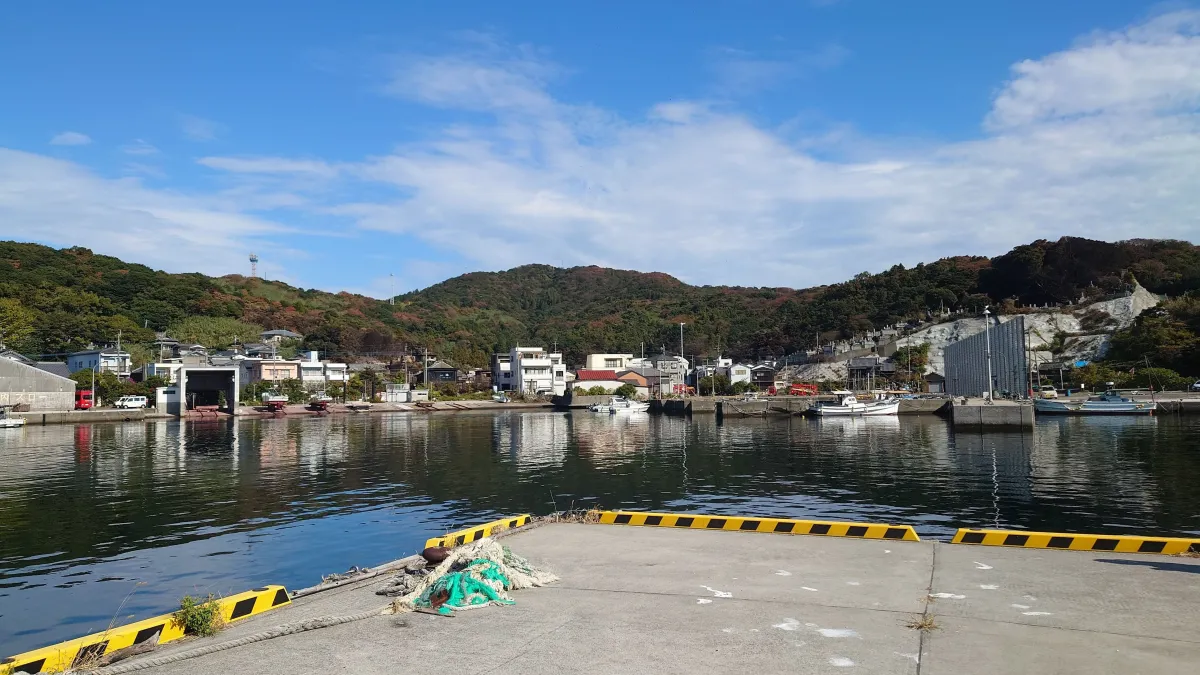
Proposed Mobile Wooden Housing Solutions for Disaster Recovery in Oita Prefecture
Introduction
In response to the catastrophic fire that struck Sagasaki in Oita City on November 18, 2025, the Japan Mobile Architecture Association (JMAA) has taken significant steps towards facilitating effective disaster recovery. A formal proposal was submitted to the governor of Oita Prefecture and the mayor of Oita City, advocating for the use of mobile wooden housing as a transitional solution for those displaced by the disaster.
Background
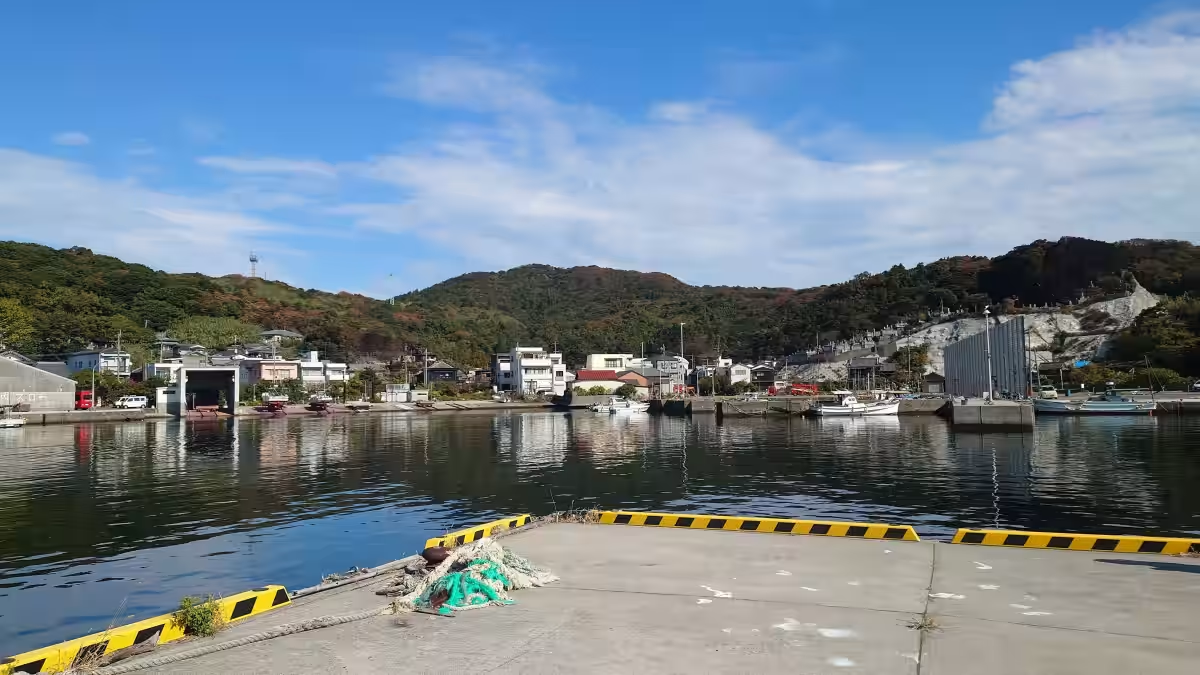
The fire wrought devastation, destroying approximately 180 buildings and displacing countless residents. The Sagasaki region faces unique challenges, particularly given its high aging population, which stands at about 58%. Many residents work in the local fishing industry, famed for its Seki Saba and Seki Aji brands. The conventional rental emergency housing options have proven insufficient for those needing to maintain proximity to their work and community.
Identified Issues
1. Threats to Industry Survival: Around 25 fishing workers were affected, and relocating inland poses logistical challenges that could jeopardize their ability to fish effectively, risking both their livelihoods and the area’s traditional fishing industry duration.
2. Community Fragmentation: An influx of displaced elderly residents into scattered temporary housing could lead to a disintegration of long-standing support networks, raising the risks of social isolation and secondary disasters such as loneliness or worse.
3. Impact on Medical and Educational Access: Leaving behind their familiar environment can disrupt vital healthcare services for elderly individuals and educational opportunities for children, compromising their quality of life.
Proposal Details
The JMAA's proposal focuses on three key strategies aimed at rebuilding Sagasaki while fostering community cohesion:
1. Introduction of Mobile Wooden Housing
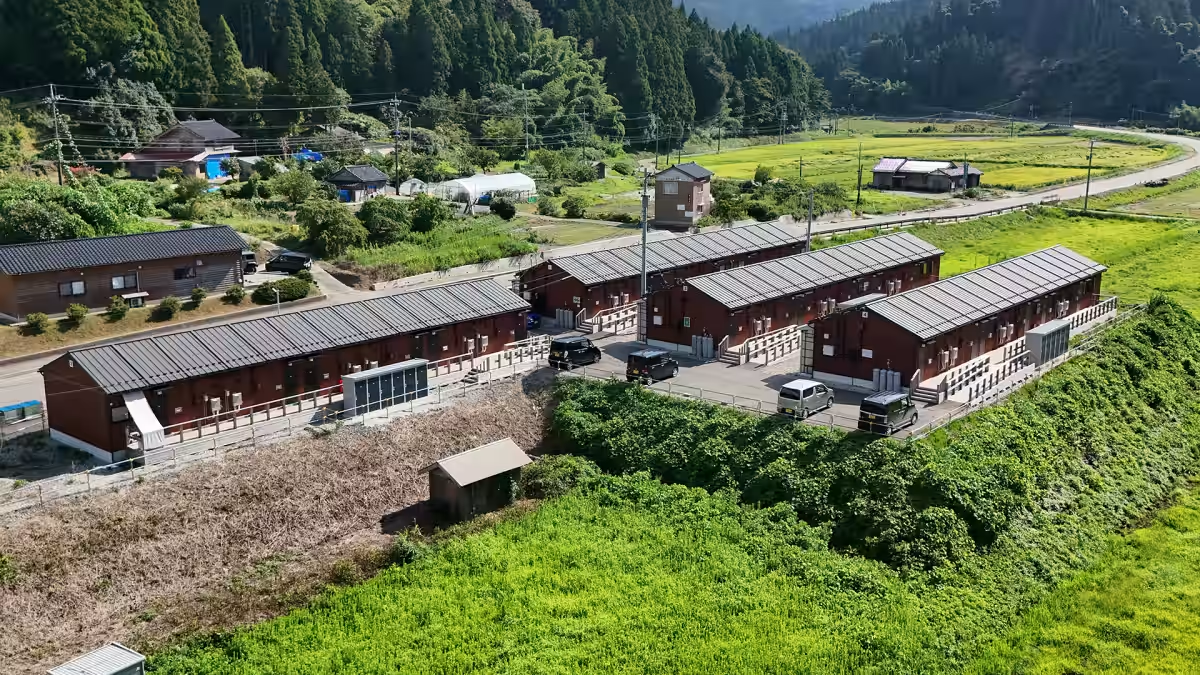
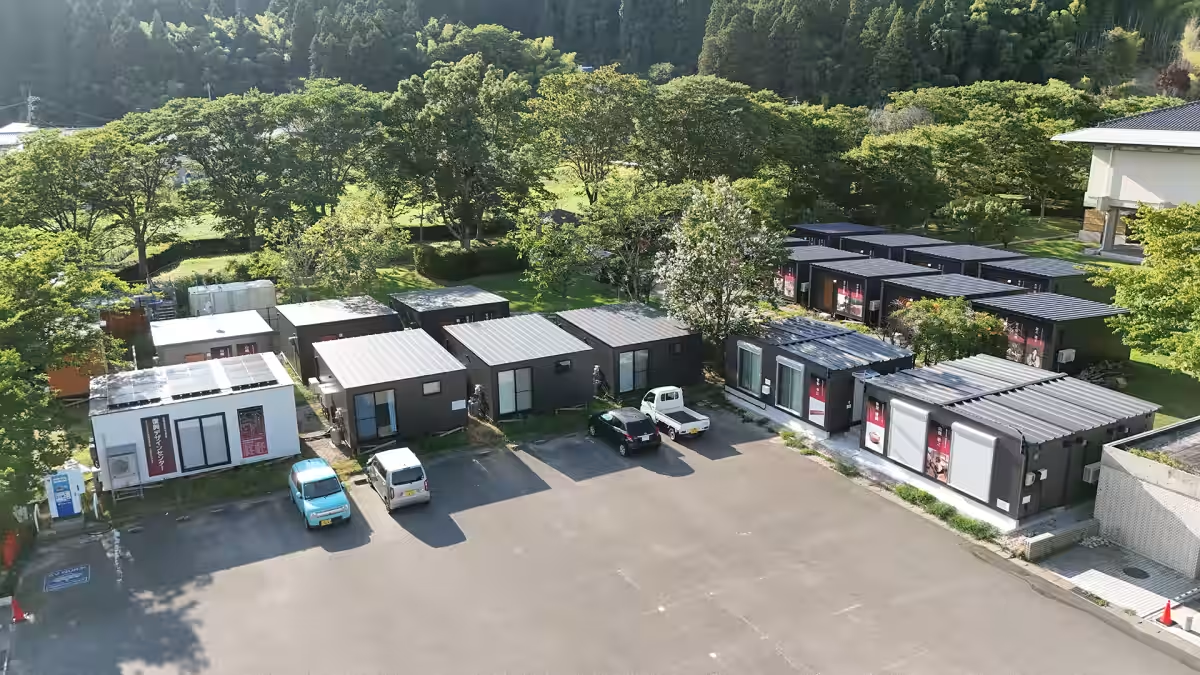
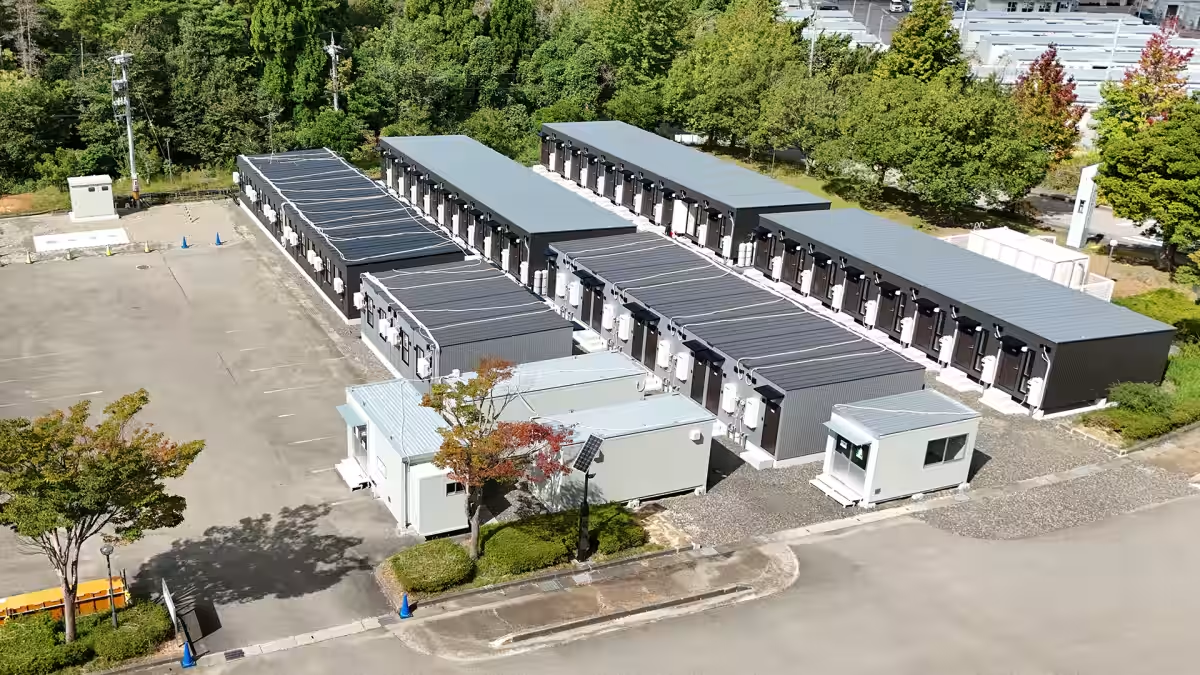
The proposed mobile wooden houses can be manufactured in a factory with high seismic and insulation ratings – specifically, seismic class 3 and insulation class 6 (meets ZEH standards). This ensures safety and comfort for the elderly, providing a solution that isn't abandoned after temporary use. Once the immediate crisis passes, these units can be transferred to the city or the disaster victims for permanent residential use, significantly reducing environmental impact and fiscal burdens in line with SDGs.
2. Utilizing Community Spaces for Cohesion
The use of land from the former Sagasaki High School for a community-centered housing development encourages group living arrangements, promoting a sense of togetherness. This will help restore and strengthen the social fabric that existed before the disaster, ensuring emotional well-being and mutual support among residents.
3. Collaboration with Local Builders
The local construction firms affiliated with the JMAA will take charge of the building process. This serves to reinvest recovery funding within the community, stimulating economic recovery in Oita Prefecture while ensuring a rapid turnaround of about two months for residents to secure housing.
Previous Experiences
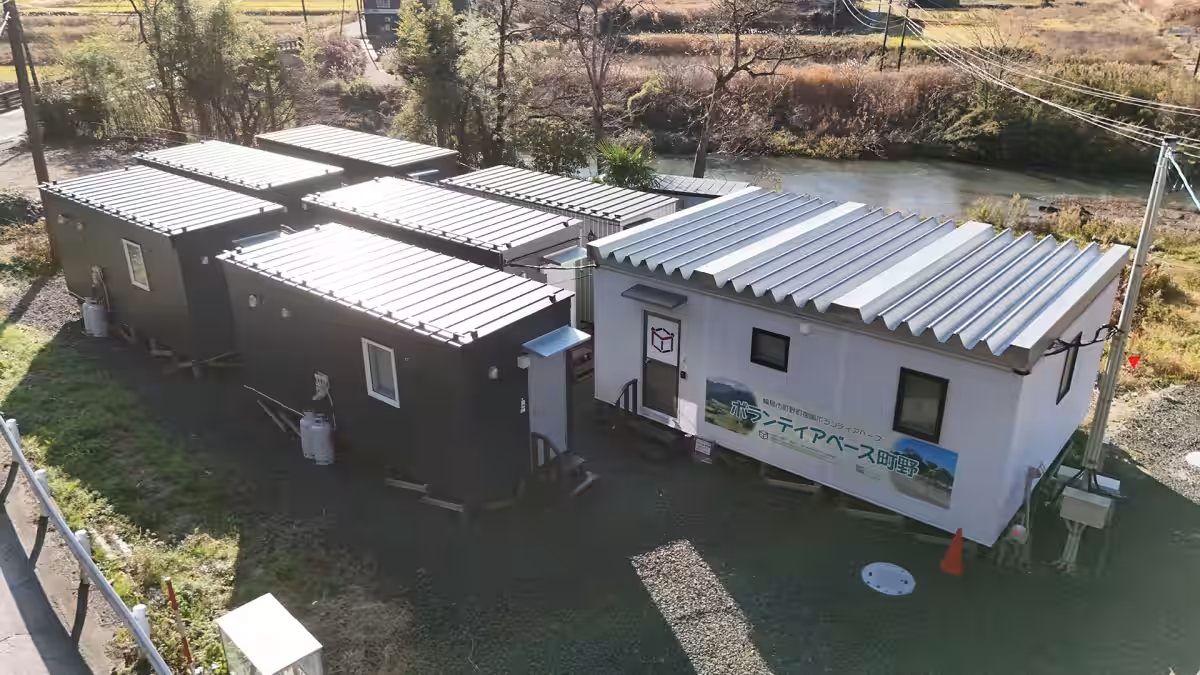
The JMAA successfully executed a similar initiative during the Noto Peninsula Earthquake, where they constructed 261 mobile wooden homes. These were complemented with temporary workshops for local artisans and community support centers. The insights gathered from this experience will be invaluable for the recovery efforts in Sagasaki.
Conclusion
Toshinari Nagasaka, the chairman of JMAA, underlined the importance of flexible disaster response strategies. By advocating for a balanced approach between using existing accommodations and constructing new ones, the JMAA aims to support both immediate recovery and long-term reintegration for the affected communities in Sagasaki. As demonstrated by the initiatives in Noto, this holistic approach not only addresses living conditions but also celebrates community resilience and continuity in lifestyles post-disaster.
Topics Other)
【About Using Articles】
You can freely use the title and article content by linking to the page where the article is posted.
※ Images cannot be used.
【About Links】
Links are free to use.