



Understanding the 2026 Job Market: A Shift Towards Buyer Preferences amidst a Labor Shortage
Dynamics of the 2026 Job Market
As we navigate through unique circumstances, the job market in Spring 2026 is revealing compelling insights for professionals contemplating a career shift. A recent survey conducted by Workport, engaging 742 business individuals aged in their 20s to 40s across Japan, explored perceptions of the labor market amidst an ongoing scarcity of workers. Here are the key findings:
Buyer Market Experience
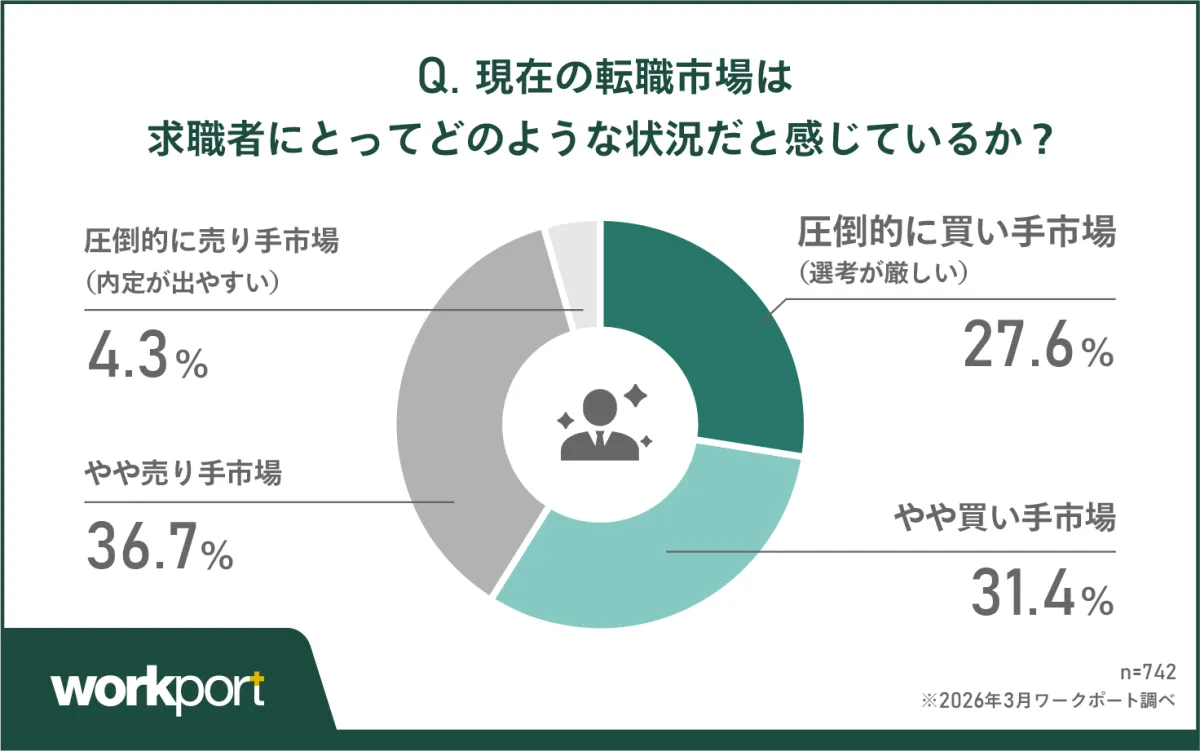
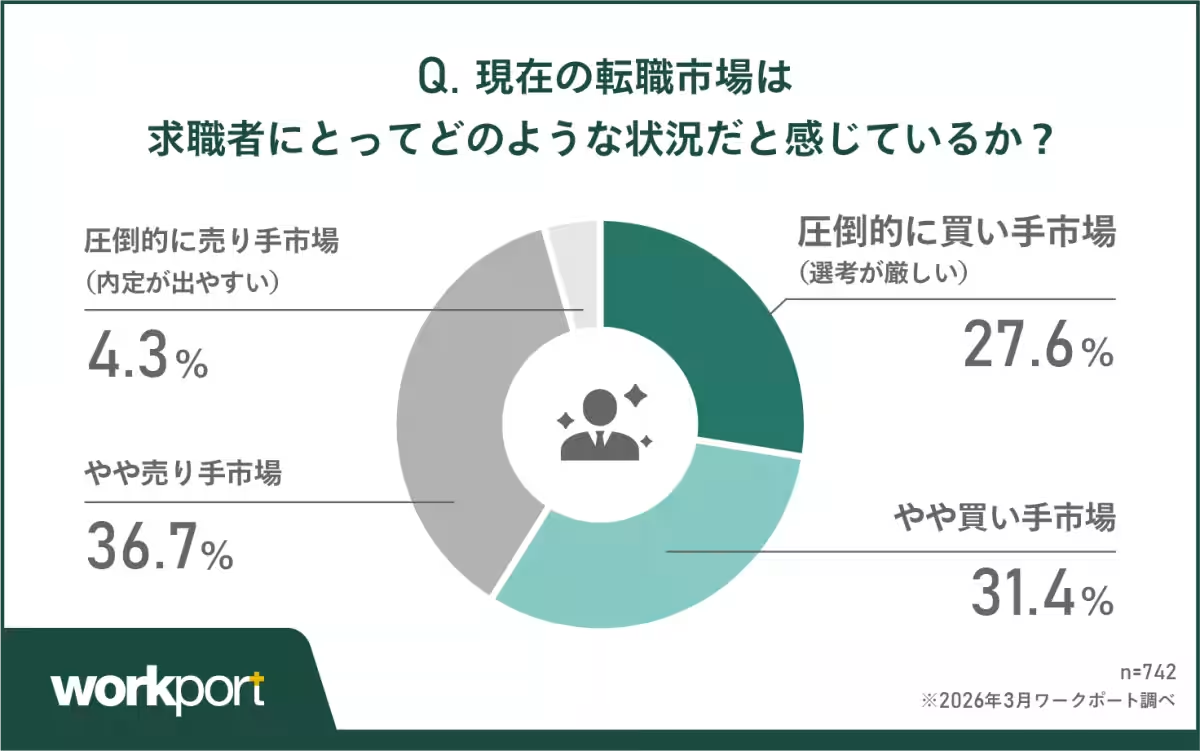
Approximately 60% of respondents characterized the current job market as a buyer's market, which is somewhat contradictory to the prevalent perception of a seller's market due to the pervasive labor shortage. Many participants expressed that their experiences during the job search led them to feel that employers are demanding more stringent qualifications and expertise, establishing a gap between public perception and personal experience.
Rising Selection Barriers
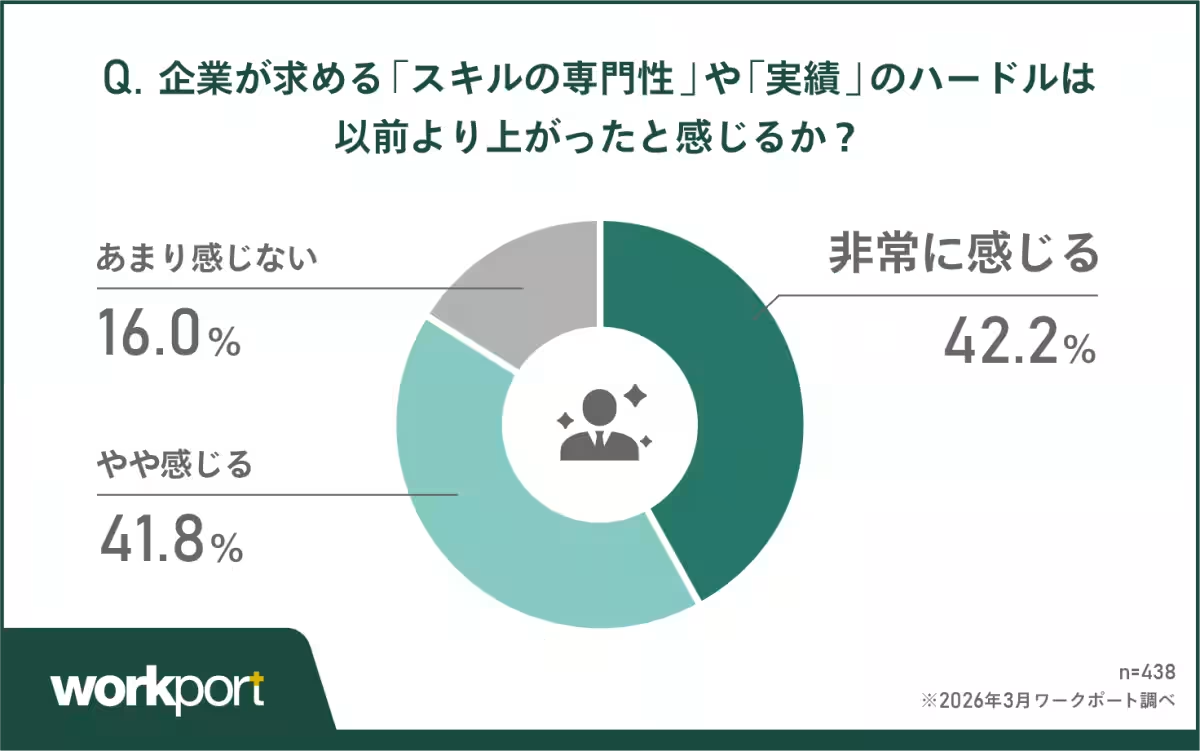
An overwhelming 84% of respondents felt that selection difficulties have increased, with over 42% reporting a significant rise in expectations regarding skills and experience. This clarity on rising competitive hurdles highlights the importance of preparedness and self-awareness in the current landscape. Many candidates noted experiences where their qualifications did not meet increasingly specific job requirements, demonstrating the competitive nature of the modern market.
Specific Cases of Increasing Hurdles
- - Applicants frequently cited experiences involving an uptick in required specialties or years of relevant experience.
- - The transition from simply passing the document screening process to now facing more intricate interviews illustrated a cautious shift towards deeper assessments of individual capabilities.
Shift in Joining Timeline Preferences
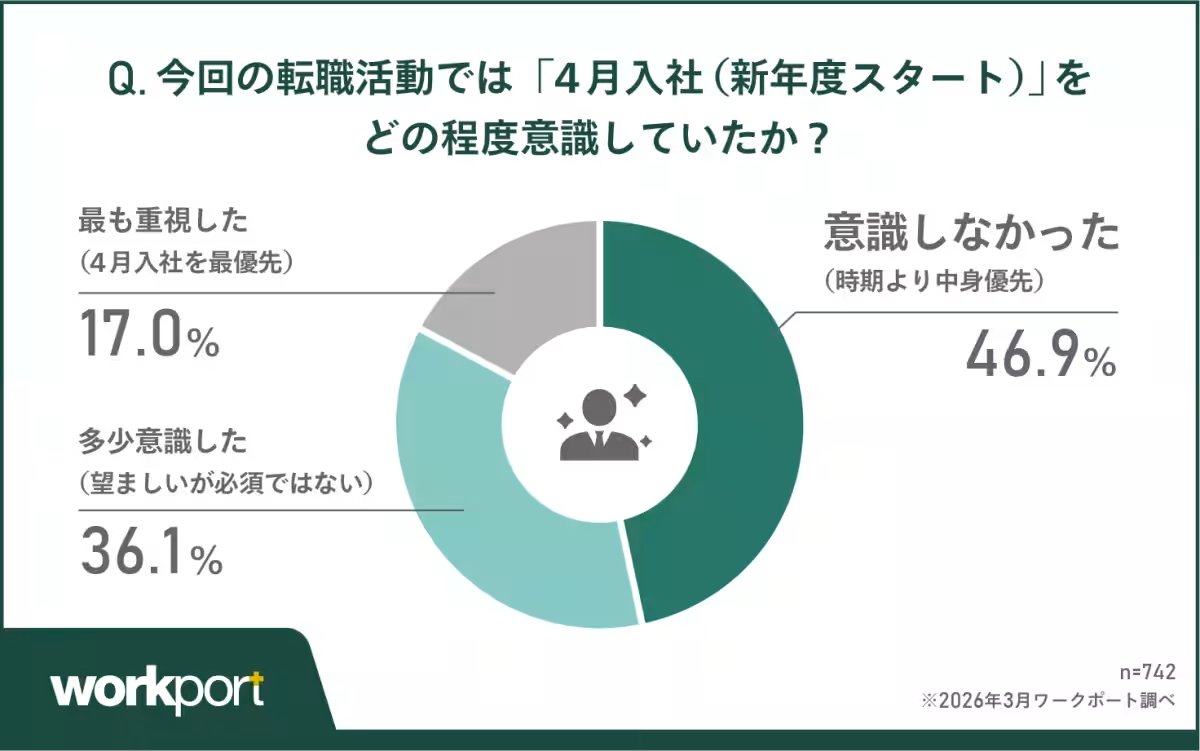
In a surprising turn, the traditional emphasis on starting in April—indicative of the new fiscal year—was observed to be less of a priority for many job seekers. Only about 20% expressed that an April start was their foremost goal. A notable 46.9% prioritized job satisfaction over specific timelines, culminating in a clear indication that candidates value job alignment more than conventional start dates. The shift in preference underscores a more personalized approach to professional development among job seekers.
Reasons for Prioritizing Satisfaction
Job seekers highlighted their motivations for disregarding the typical start date, often relating to the desire for a better match with their skills or existing workplace obligations, such as preparing for an eventual transition. Concerns about being treated equivalently to new graduates also swayed opinions against a rigid start date.
Transition Period Mindset
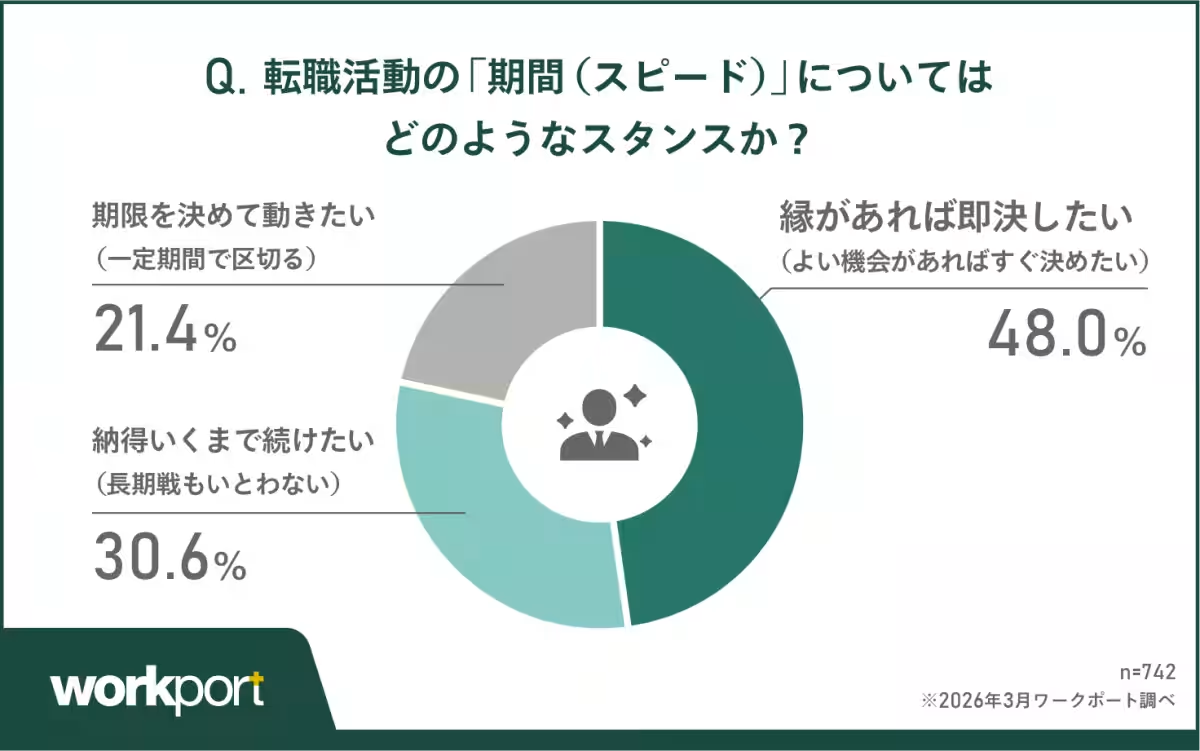
As for the timeframe of searches, nearly half of the respondents indicated a willingness to accept immediate job offerings should the right opportunity present itself, reflecting an opportunistic approach to career changes. Yet, about 30% expressed a desire to extend their search until they found a fitting role, revealing a collective determination to avoid mismatches that could lead to dissatisfaction in their new positions.
Perspectives on Immediate Decisions
- - Many professionals believe that waiting in pursuing job prospects could result in missed opportunities.
- - Conversely, those inclined towards a longer search underscored the risk of regretting hasty decisions.
Conclusion: A New Era in Job Seekers’ Mindset
The survey results from Workport indicate that the transition associated with the 2026 job market is complex but clearly signals a departure from traditional job placement approaches towards one centered on individual fit and satisfaction. Now more than ever, professionals are keen on a tailored career approach, prioritizing quality over quantity in prospective job scenarios. The rising emphasis on personal satisfaction amidst a competitive market paints a promising yet challenging future where mutual understanding between employers and candidates is essential for effective hiring.
Topics Business Technology)
【About Using Articles】
You can freely use the title and article content by linking to the page where the article is posted.
※ Images cannot be used.
【About Links】
Links are free to use.