



Innovative Approach to Physical Education with AR Sports HADO at Koriyama Zaverio Academy
Innovating Physical Education with HADO
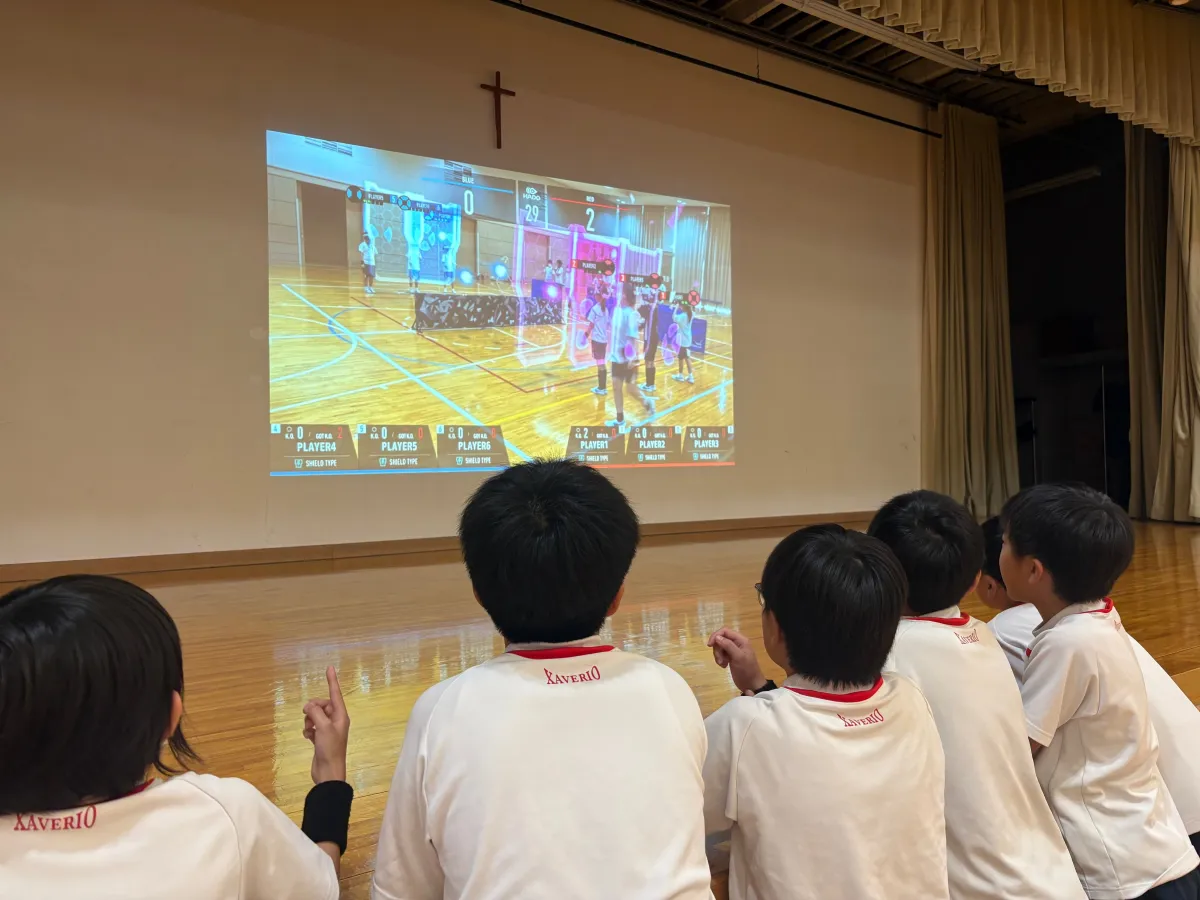
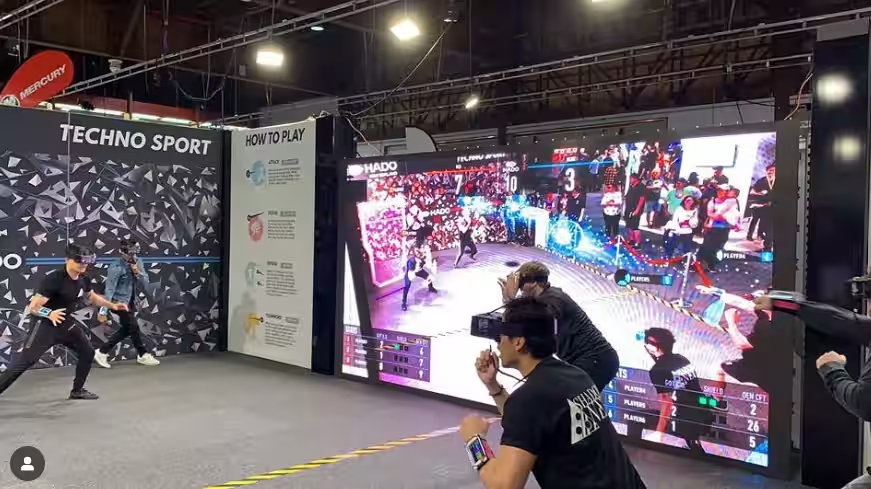
Koriyama Zaverio Academy in Fukushima has taken a major step forward in educational practices by incorporating the AR sports game HADO into their physical education curriculum. Developed by meleap, a company based in Tokyo, HADO blends physical sports with digital technology, creating an engaging environment for students to enhance their cognitive and collaborative skills. Over 85% of the participating children expressed immense satisfaction with this new approach to physical education, marking it as a success.
The Background and Purpose of the Initiative
At Koriyama Zaverio Academy, experiential learning is prioritized. This initiative was inspired by Aoyama-sensei, a physical education teacher, whose objective was to create an enjoyable learning experience where students take an active role in their education. The implementation of HADO aligns perfectly with this vision, allowing students to strategize and cooperate while engaging physically.
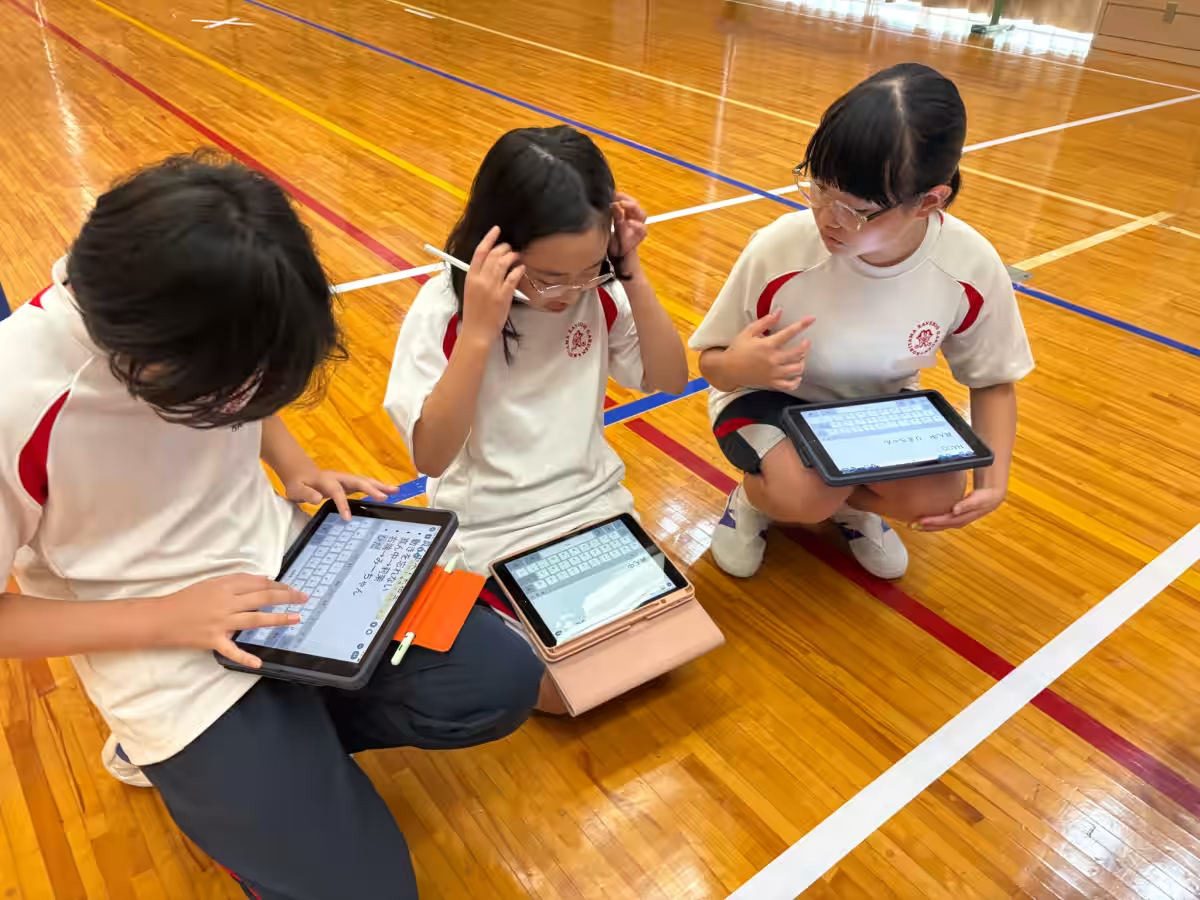
During classes, the structure of the session involved a clear sequence: explanation of the rules, practice, team battles, and reflection. Students worked together to devise winning strategies while enjoying the game. Numerous insightful comments could be overheard, such as:
- - “How many shields should we use? I want to change our strategy based on that.”
- - “Why is the teacher so good at hitting? Is it their movement or focus?”
- - “Wait, is it over already? I want to play again!”
Such remarks demonstrated the students' ability to ask questions, think critically, and refine their tactics, showcasing the success of the program in fostering an autonomous learning attitude.
Students' Positive Reception
A post-class survey revealed that over 85% of the students rated their experience highly, with many expressing a desire to participate again. Aoyama-sensei commented on the unexpectedly positive feedback, saying, “I anticipated some negative responses, but the overall evaluation was pleasantly surprising. The overwhelming majority of comments in the feedback indicated that they had fun, suggesting that with some adjustments, we can create an even more fulfilling learning experience.”
Educational Outcomes from Using HADO
The lessons utilizing HADO exposed a new method of physical education that successfully combines physical activity with cognitive development. Aoyama-sensei noted, “The ratio of students to equipment is crucial for effective utilization. While waiting, I encouraged each team to develop their strategies, prompting them to think about how to win using ICT tools. The level of thought engagement while planning was significant and allowed for sufficient physical activity. Even the teachers were out of breath after three consecutive rounds of play.”
This approach illustrates the potential of merging physical activity with strategic thinking, paving the way for a more integrated learning experience.
Collaboration with the Community
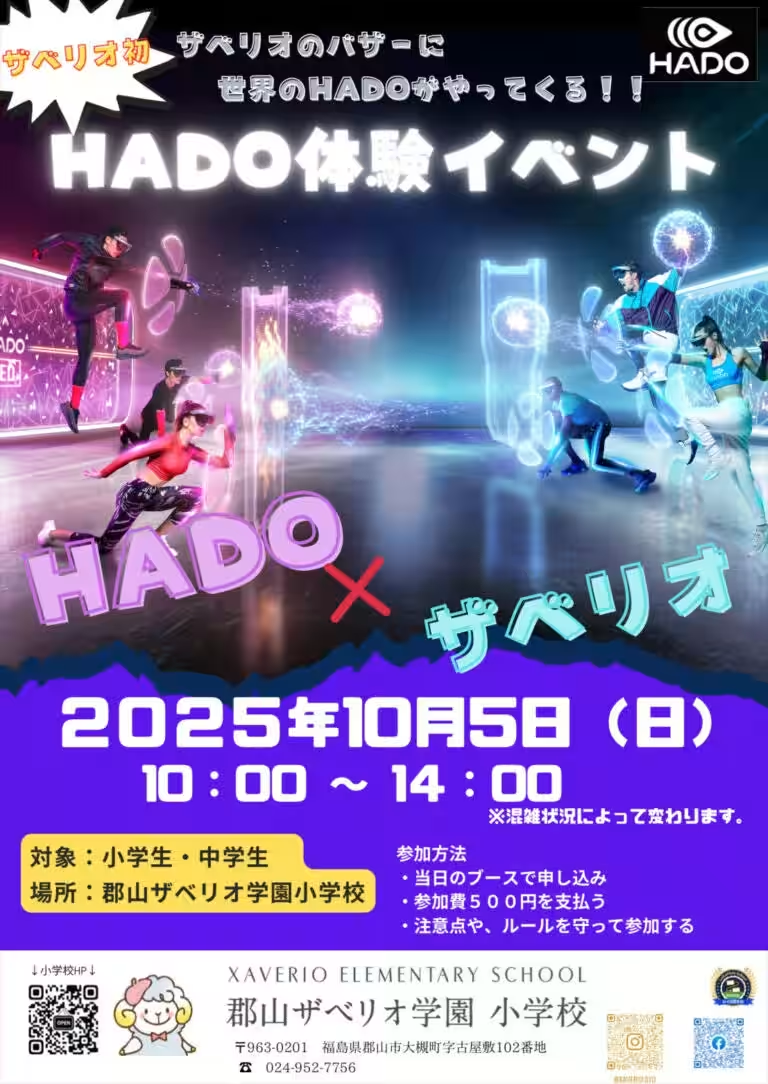
This initiative was made possible through the support of the school’s PTA and parents. A HADO experience booth was set up during the school festival, with part of the proceeds being allocated to the program's costs. Aoyama-sensei explained, “Honestly, it would have been financially challenging to implement this solely through physical education classes. However, the bazaar provided the perfect opportunity for more people to experience HADO. Students and parents actively participated in preparation and management, creating a positive flow.”
Insights from HADO’s Organizing Committee
According to the HADO administration, the sport is designed to unify critical thinking, teamwork, and the joy of movement through augmented reality technology. They believe that classes led by engaged teachers and involving students in exploratory learning, such as at Koriyama Zaverio Academy, represent an ideal educational model moving forward. The collaborative effort involving the community and parents to fund the HADO program stands as a compelling example of how education can adapt and thrive even with limited budgets.
The flexibility of HADO allows it to extend beyond classroom lessons into after-school activities and community events, broadening its scope. The committee is committed to expanding such examples to establish a new model of physical education that bridges educational and community involvement.



Topics Entertainment & Media)



【About Using Articles】
You can freely use the title and article content by linking to the page where the article is posted.
※ Images cannot be used.
【About Links】
Links are free to use.