



Post-Disaster Water Supply Support in Kumamoto Earthquake of Reiwa 8
Effective Water Supply Support After Reiwa 8 Kumamoto Earthquake
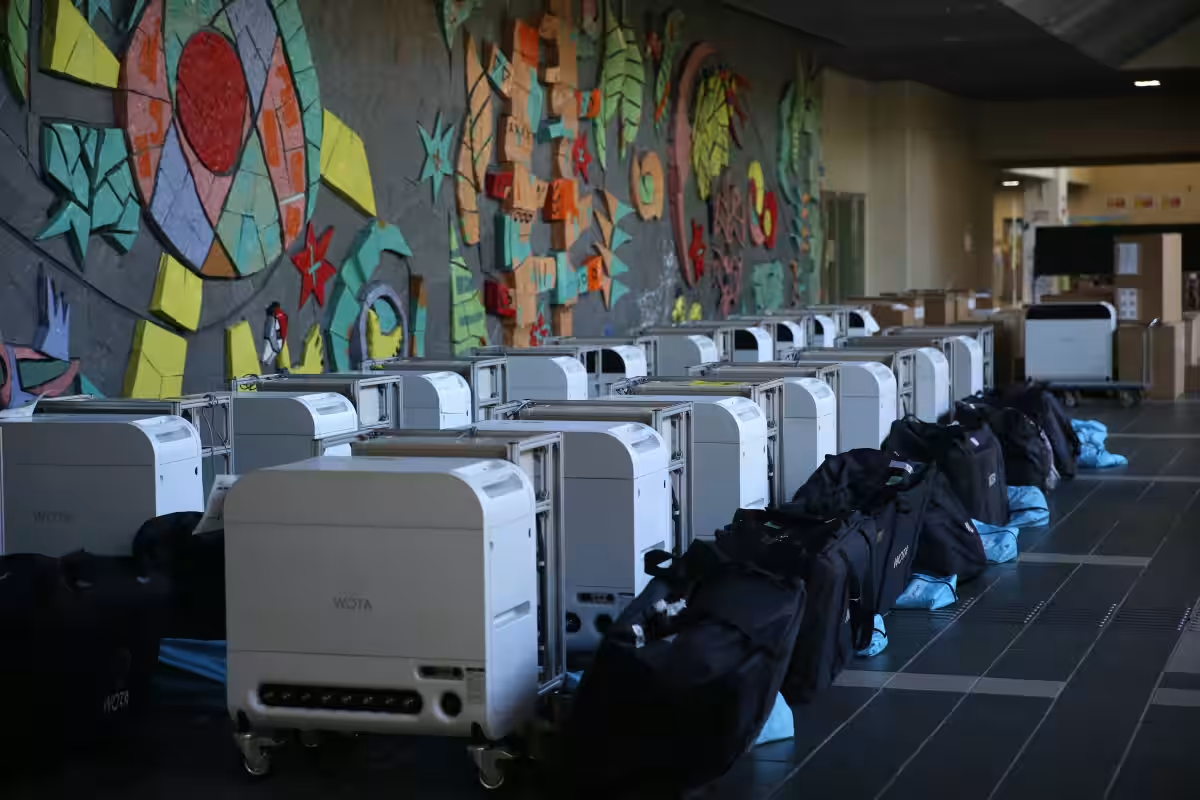
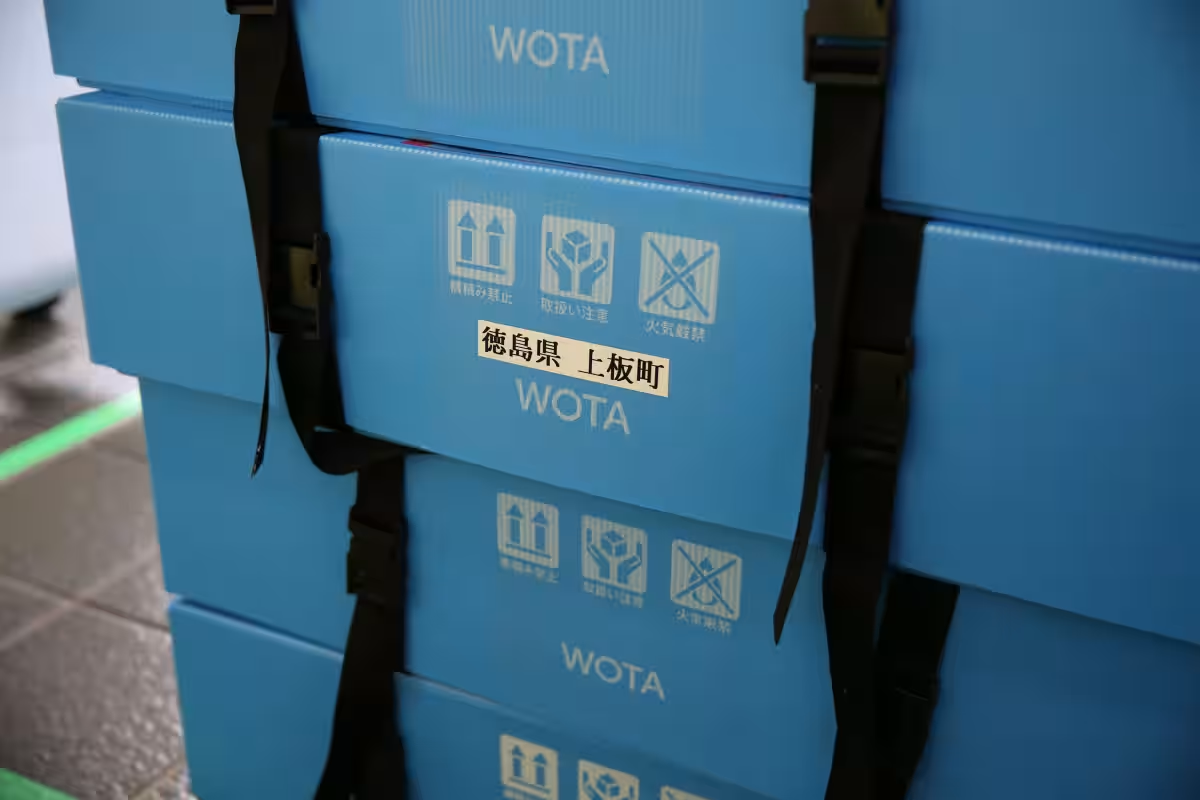
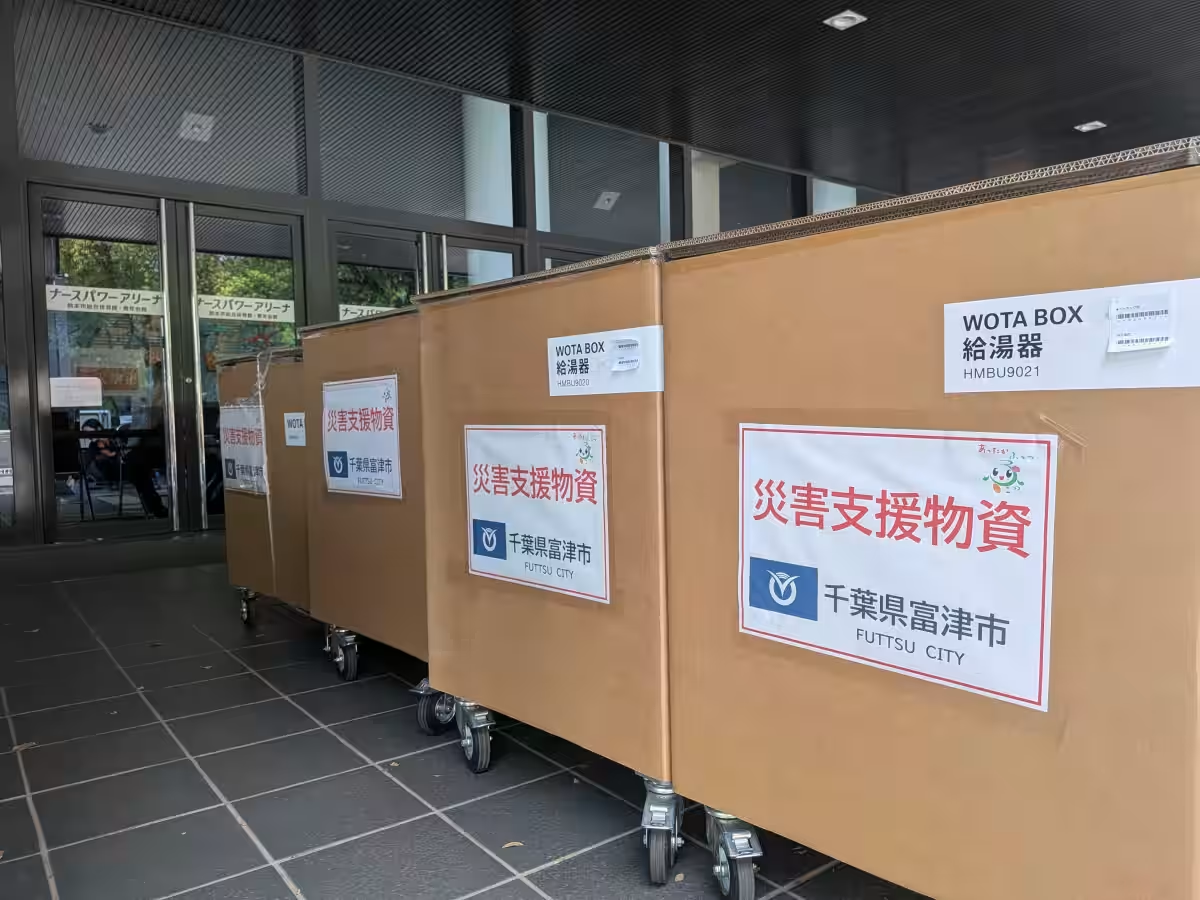
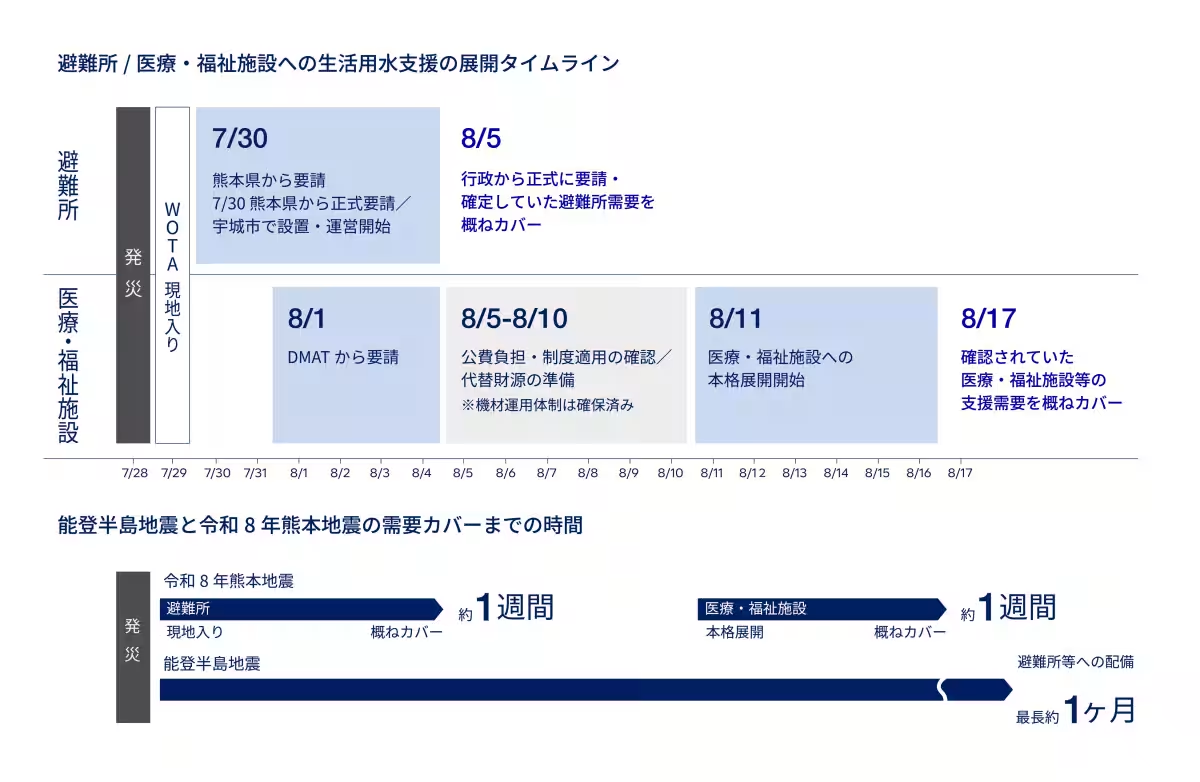
On August 17, following the devastating Reiwa 8 Kumamoto earthquake, a coordinated effort brought together a total of 140 water supply units from 44 municipalities and 2 organizations across Japan to support the affected areas. This initiative was led by WOTA Corporation, a company committed to addressing water-related challenges by introducing sustainable and efficient water solutions.
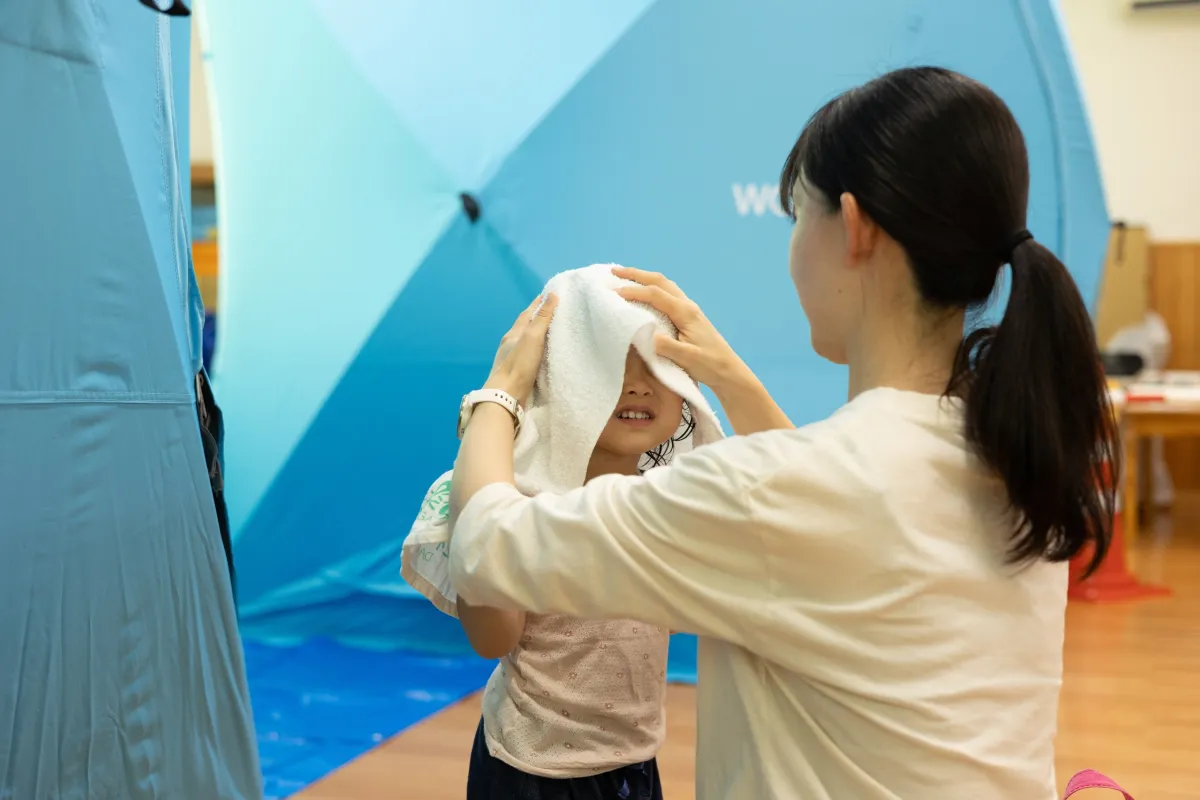
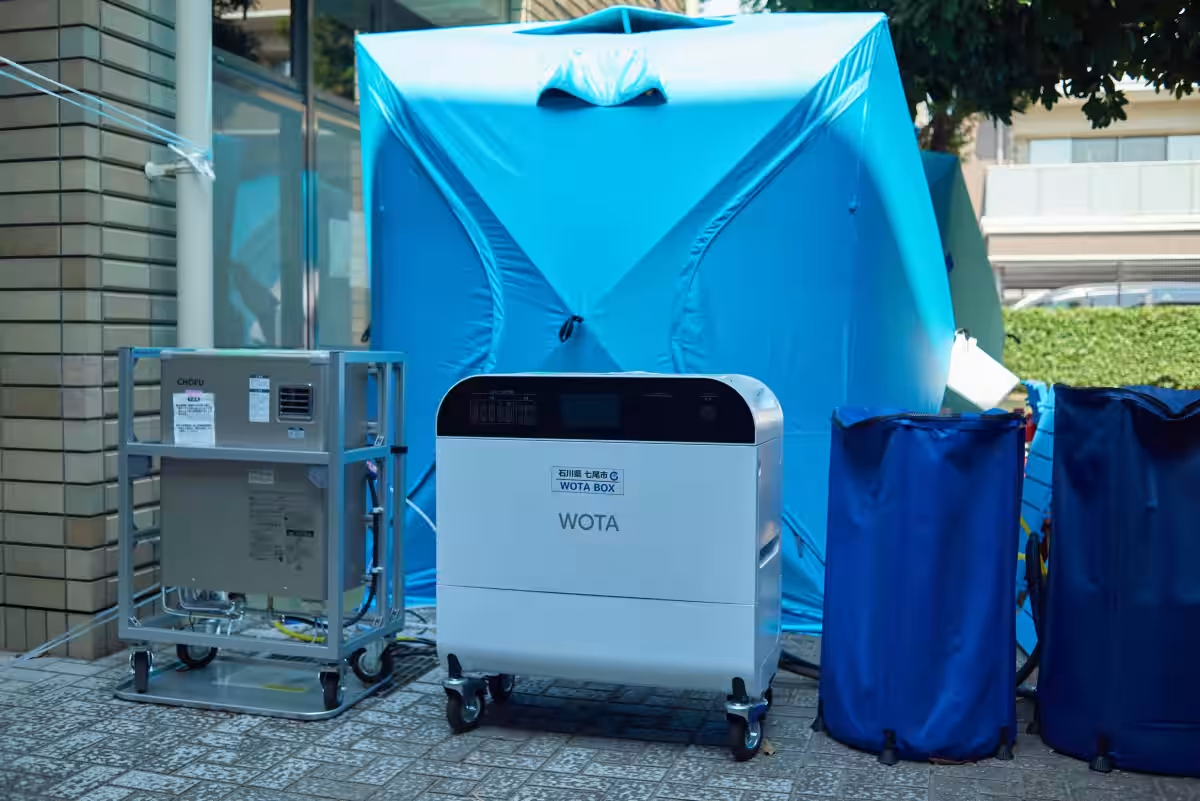
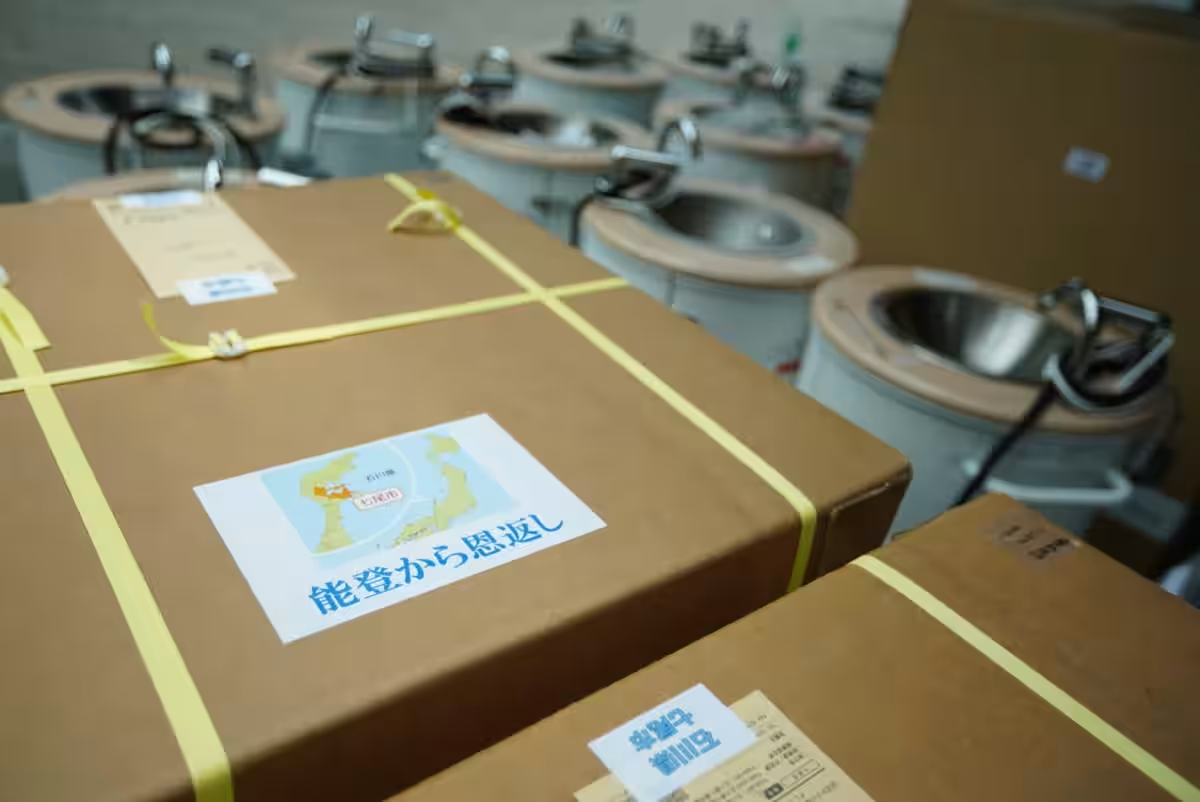
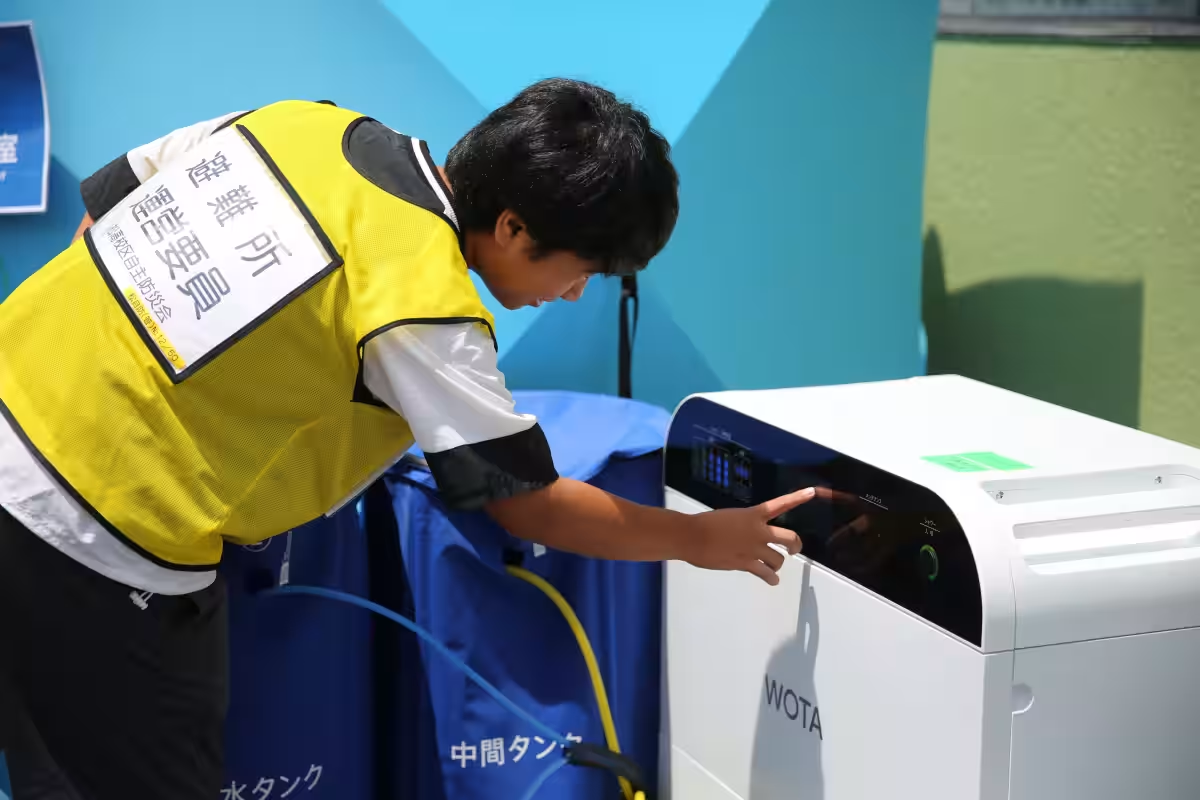
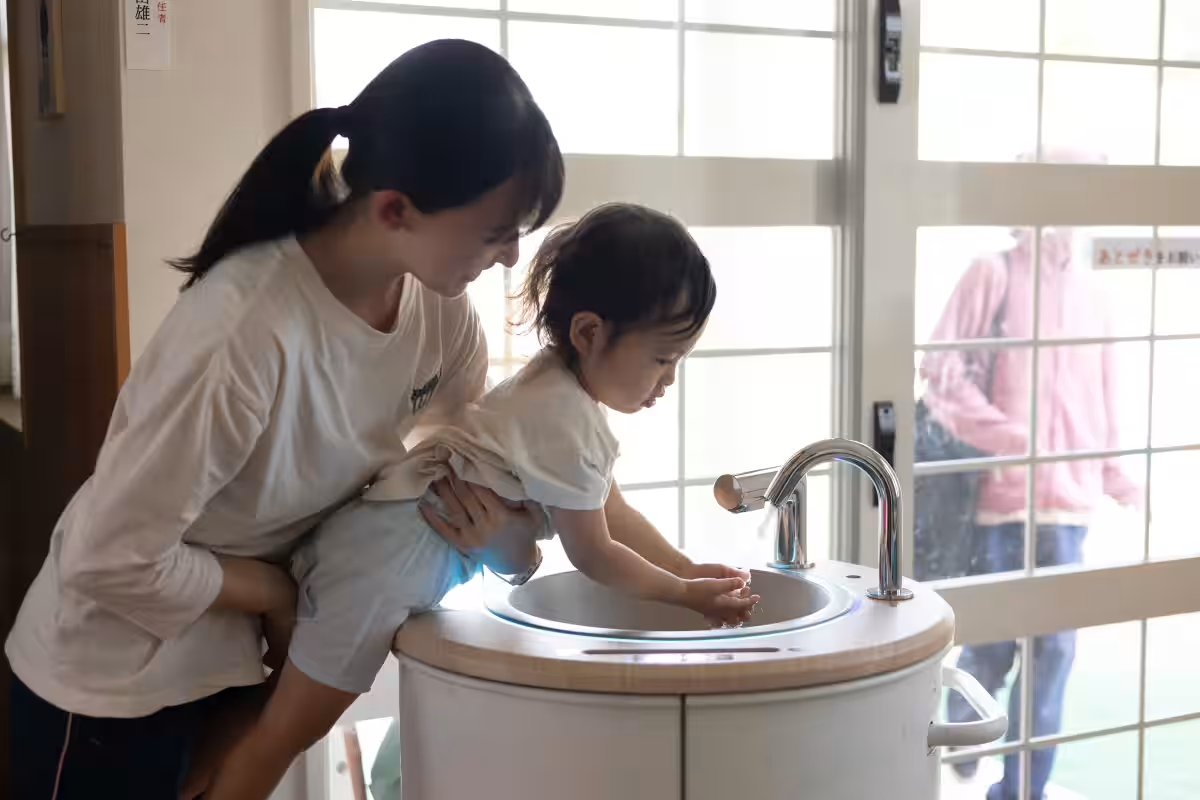
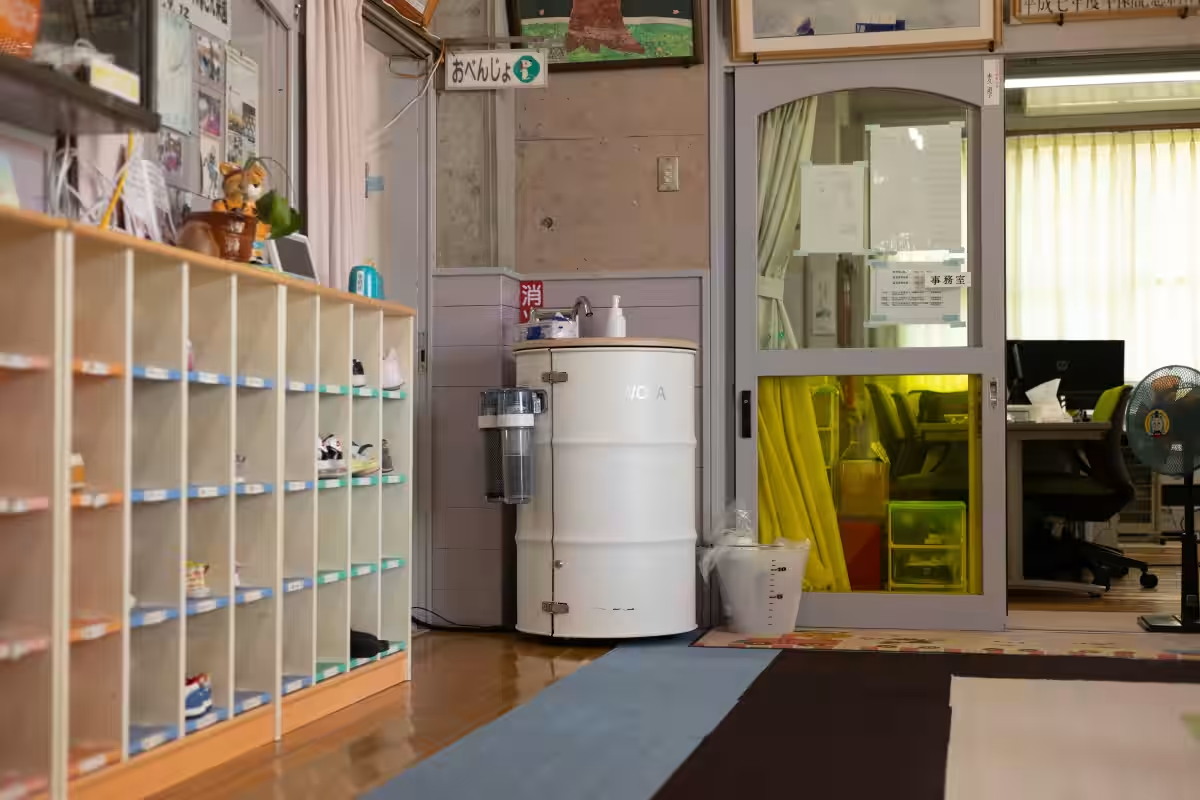
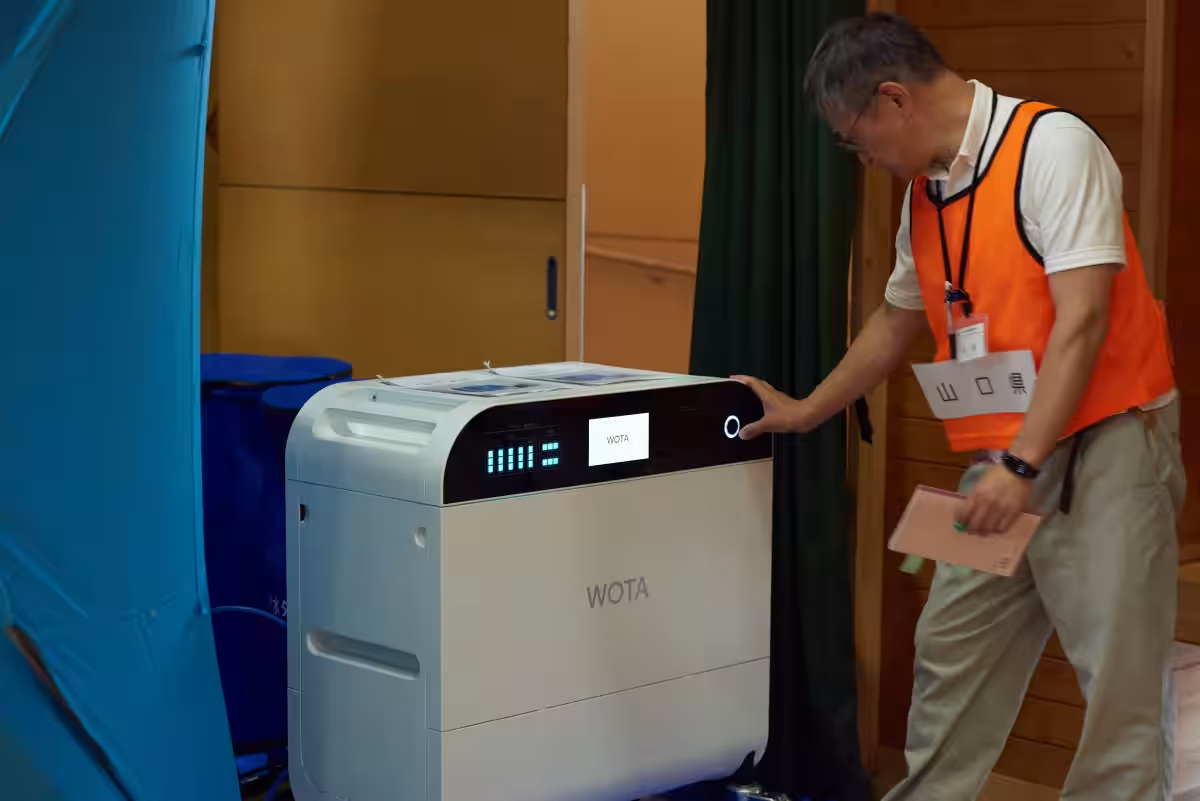
WOTA responded to an official request from Kumamoto Prefecture by deploying its innovative water recycling systems—"WOTA BOX" showers and "WOSH" handwashing stands—to areas with disrupted water services. These units are crucial for ensuring proper hygiene and sanitation in evacuation shelters and healthcare facilities, where demand skyrocketed in the aftermath of the earthquake.
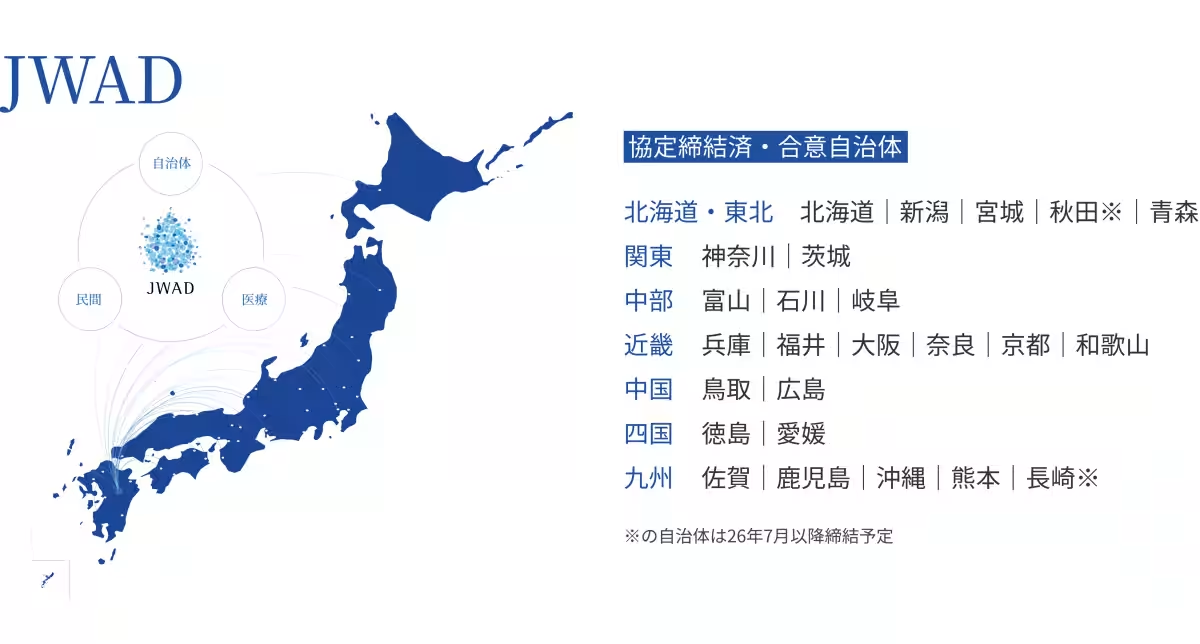
As part of the operational framework established by the Japan Water Association for Disaster (JWAD), WOTA harnessed its existing partnerships and infrastructure for swift deployment. The collaboration among diverse parties, including local governments, healthcare entities, and private organizations, was vital for ensuring rapid response and resource allocation during the crisis.
From the very onset, WOTA had recognized the gravity of the situation, identifying a significant need for water supply solutions not only in evacuation centers but also in medical and welfare institutions. This foresight set the stage for a comprehensive assessment of on-the-ground requirements, which they continuously updated as conditions evolved.
By analyzing and documenting the experiences throughout the recovery process, WOTA published the "WOTA Fact Sheet on Response to the Reiwa 8 Kumamoto Earthquake" (速報版第三報). This report includes insightful data on equipment allocation, operational dynamics, and transformations in disaster response protocols.
In a notable achievement, an impressive 88.1% of the deployed units transitioned to self-management by local operators, facilitating local ownership of the recovery process. This approach highlights the importance of community involvement in disaster response strategies, which was further reflected in the successful management of over 140 units in real-time conditions.
Beyond immediate needs, the report emphasizes some challenges faced during the recovery. Specifically, discrepancies arose concerning public funding and resource eligibility for critical medical and welfare services. Recognizing these shortcomings underscored the need for enhanced structure and clarity regarding future funding mechanisms and operational frameworks.
Looking ahead, WOTA and JWAD are dedicated to refining their strategies based on the lessons learned from Reiwa 8. Ensuring a seamless transition between emergency responses and sustainable planning is pivotal for future readiness, given the increasing frequency of natural disasters. Their commitment is not only to provide immediate aid but also to strengthen the overall resilience of our water supply systems against future emergencies.
In light of the persistent need for improved healthcare and sanitary conditions in various facilities, WOTA has launched a collaborative crowdfunding initiative aimed at supporting water supply to these essential medical and welfare services. This proactive measure strives to ensure that all communities have reliable access to safe water, reinforcing the company’s long-term vision for equitable water distribution.
As they continue to mobilize resources and adapt their approaches, WOTA remains devoted to fostering effective and collaborative networks among stakeholders nationwide to cultivate an even more robust framework for disaster response.
For more details on their initiatives and the latest developments regarding the support provided, please visit WOTA's official website. These efforts epitomize WOTA's mission to build a world where water scarcity and quality issues are systematically addressed, ensuring that all communities can thrive.
About WOTA Corporation
Founded in 2014 and headquartered in Chuo-ku, Tokyo, WOTA aims to provide structural solutions to global water issues through innovative technology and systems. Notably, they've developed decentralized water circulation systems that maximize wastewater reuse while improving public health outcomes across various contexts.
For additional information, visit WOTA Official Website.
Topics Other)

【About Using Articles】
You can freely use the title and article content by linking to the page where the article is posted.
※ Images cannot be used.
【About Links】
Links are free to use.