



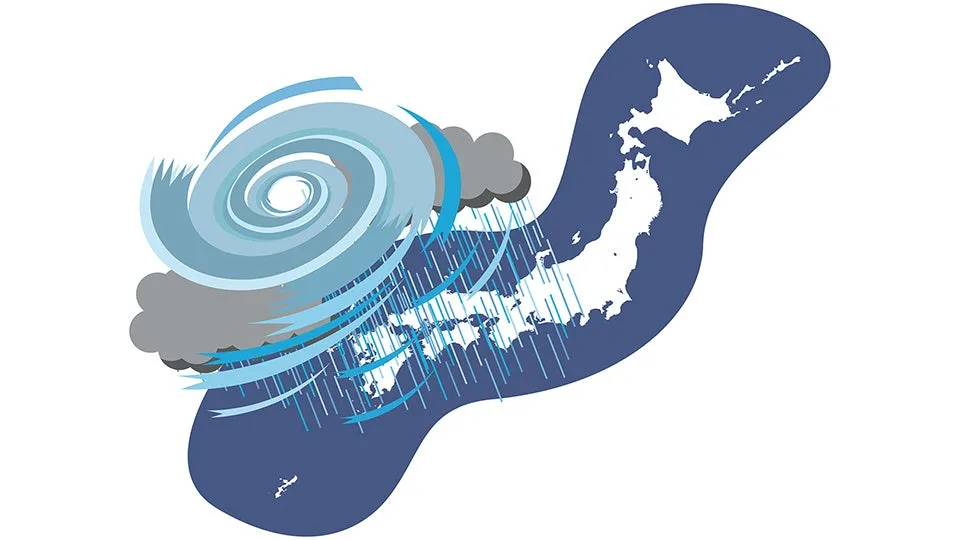
Typhoon Awareness Survey Reveals Growing Concerns Among Japanese Population
Rising Typhoon Awareness in Japan: A Survey Insight
As Japan braces for another typhoon season, recent findings from Cross Marketing reveal heightened concerns among its citizens regarding the potential impacts of severe weather. Conducted among individuals aged 20 to 69 across the nation, this survey aimed to gauge public sentiment and awareness related to impending typhoons, providing insights into their fears, preferred information sources, and perceived risks.
Key Findings
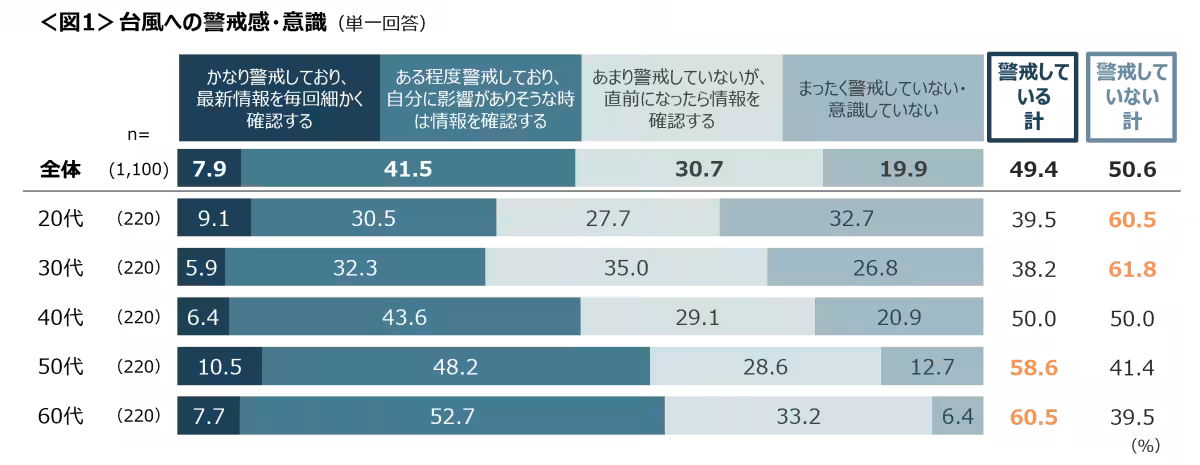
According to the study, a substantial 49.4% of respondents indicated they are either 'very cautious' or 'somewhat cautious' about typhoons. Notably, this caution appears more pronounced among older age groups—with approximately 60% of those in their 50s and 60s expressing wariness—contrasting with over 60% of individuals in their 20s and 30s who reported feeling less cautious.
Key Concerns
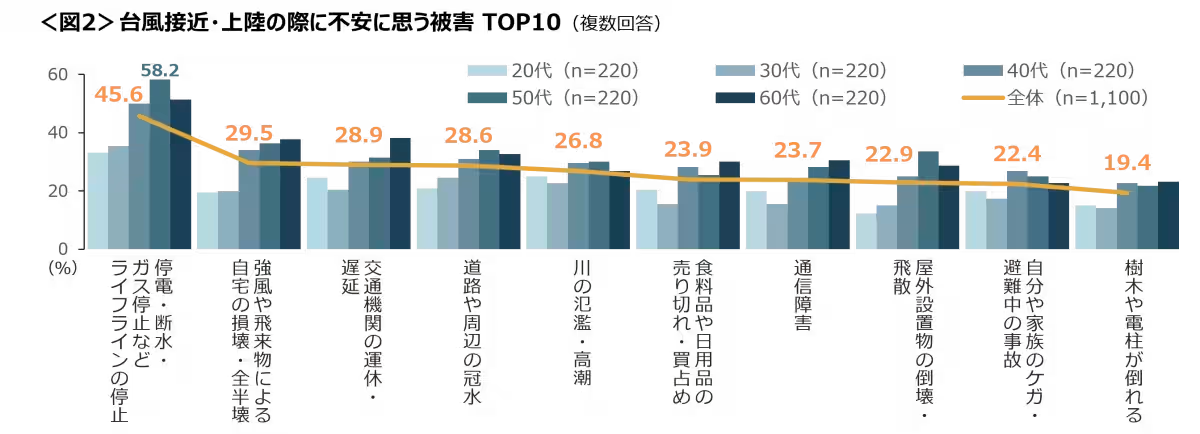
When it comes to the types of damages that induce anxiety, the top concern, cited by 45.6% of respondents, was the possibility of disruptions to essential services such as power, water, and gas. This was followed by worries about structural damage from strong winds and debris, disruptions to public transportation, and potential flooding in the vicinity.
Interestingly, nearly 60% of people in their 50s rated essential service interruptions as their primary fear, signifying a generational divide in risk perception. This is in stark contrast to younger age groups, who may prioritize different risks or demonstrate a level of complacency regarding the impacts of typhoons.
Sources of Information
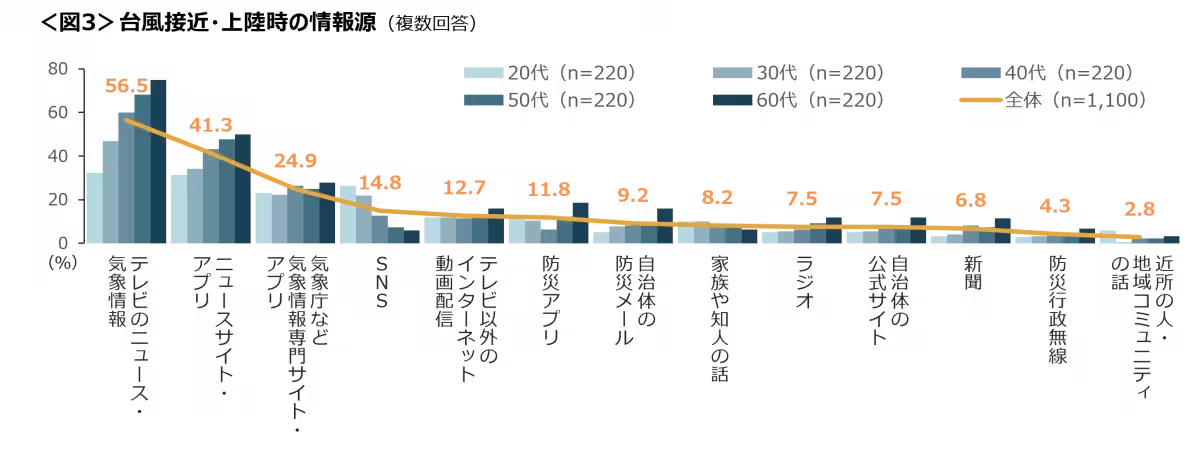
When asked about their main information sources during a typhoon, respondents predominantly favored traditional media, with 'news on TV and weather channels' being the most trusted resource, alongside news websites and meteorological apps. Interestingly, reliance on social media platforms for storm information surged among the younger demographics, with approximately 20% of the 20-30 age group identifying it as a key source.
Information of Interest
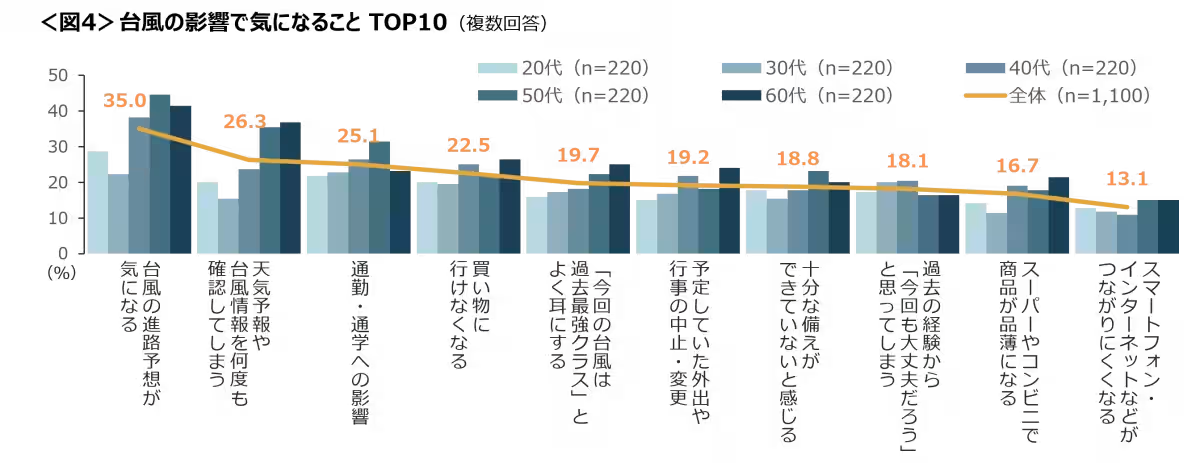
The survey also shed light on what aspects of typhoons respondents find most concerning. The most frequently cited worry, by 35% of participants, was the forecasted path of typhoons. Other worries included the frequent checking of weather forecasts, commuting and schooling impacts, and the potential inability to shop during typhoon conditions—all highlighting the integral role of daily life and routines disrupted by these natural events.
Changing Patterns
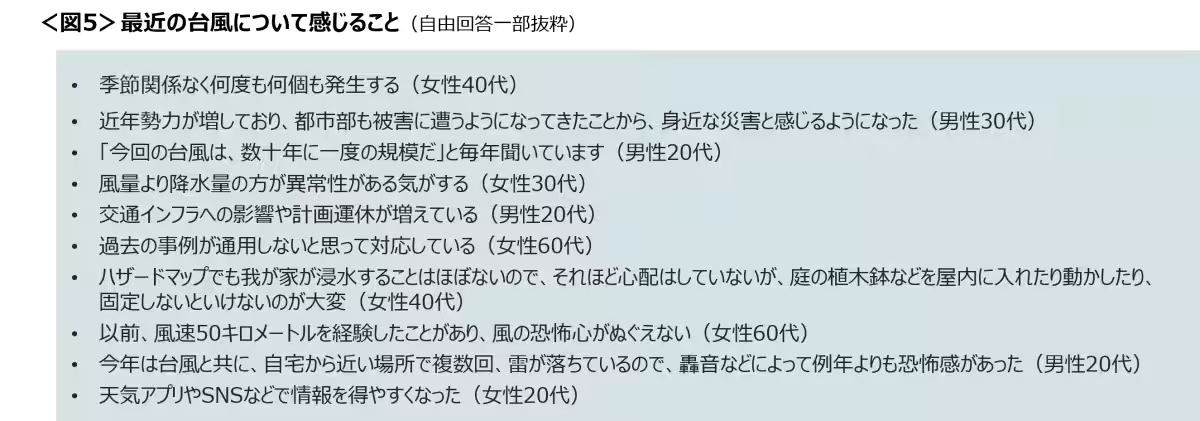
Recent trends in typhoon occurrences are alarming, with respondents noting an increase in their frequency and intensity, as well as heightened rainfall. This changing landscape has left many feeling vulnerable, underscoring fears surrounding natural disasters and their tangible effects on personal lives.
Conclusion
As Japan prepares for the annual typhoon season, this survey underscores the vital role of information during emergencies and the general public's growing anxiety towards such natural phenomena. It is essential for communities to remain informed and prepared, ensuring that lines of communication are open and accessible when the storm clouds gather.
For further details, please visit Cross Marketing.
Survey Methodology
- - Method: Online research using Cross Marketing's self-service survey tool, QiQUMO.
- - Region: Nationwide across all 47 prefectures.
- - Participants: Men and women aged 20 to 69.
- - Period: August 7-8, 2026.
- - Valid responses: 1,100 samples.
For inquiries, please contact the marketing department at Cross Marketing.
Topics Other)
【About Using Articles】
You can freely use the title and article content by linking to the page where the article is posted.
※ Images cannot be used.
【About Links】
Links are free to use.