




Dentsu Research Unveils Trends in Japanese ESG Corporate Practices for 2026
Analysis of ESG Trends Among Japanese Corporations in 2026
As corporate responsibility towards the environment, society, and governance (ESG) gains momentum, Dentsu Research, headquartered in Minato, Tokyo, has recently published the findings from its "2026 ESG Corporate Trends Survey." This survey represents the perspectives of 500 domestic companies and highlights critical insights into the compliance landscape for sustainability regulations that are evolving globally and within Japan.
Background and Purpose of the Survey
In recent years, regulatory standards like the ISSB (International Sustainability Standards Board) and the CSRD (European Corporate Sustainability Reporting Directive) have gained increased scrutiny. In Japan, the SSBJ (Sustainability Standards Board of Japan) is also making strides in developing sustainability disclosure standards. Starting from the fiscal year ending March 2027, these standards will be gradually mandated in securities reports according to market capitalization. Given this backdrop, the survey aims to examine the realities of ESG governance among domestic companies, their data management practices, and the progress they are making in implementing systems in line with these evolving requirements.
Key Findings from the ESG Corporate Trends Survey
1. Institutionalization of ESG Reporting
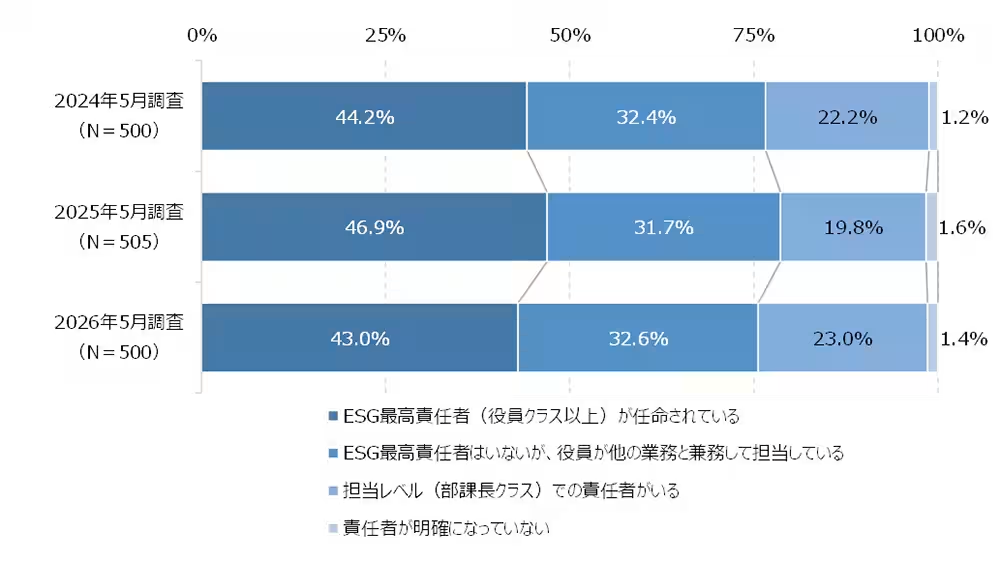
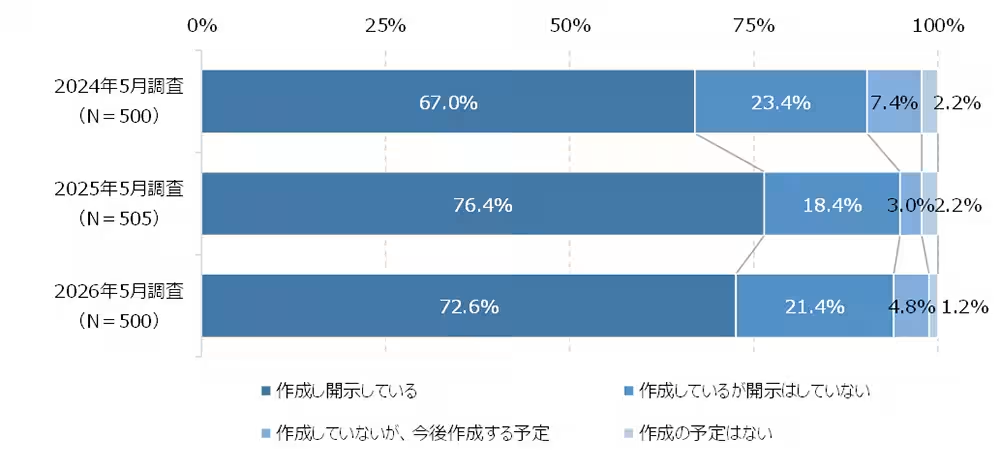
The availability of ESG reports has reached a considerable 72.6%. Interestingly, 75.6% of companies have tasked executives with ESG responsibilities, indicating a stable level of commitment at the upper management level. The shift in focus is moving from just having the reports to ensuring their comprehensiveness, accuracy, and alignment with auditing standards as the regulatory landscape becomes more rigorous.
2. Transformation of Data Management Processes
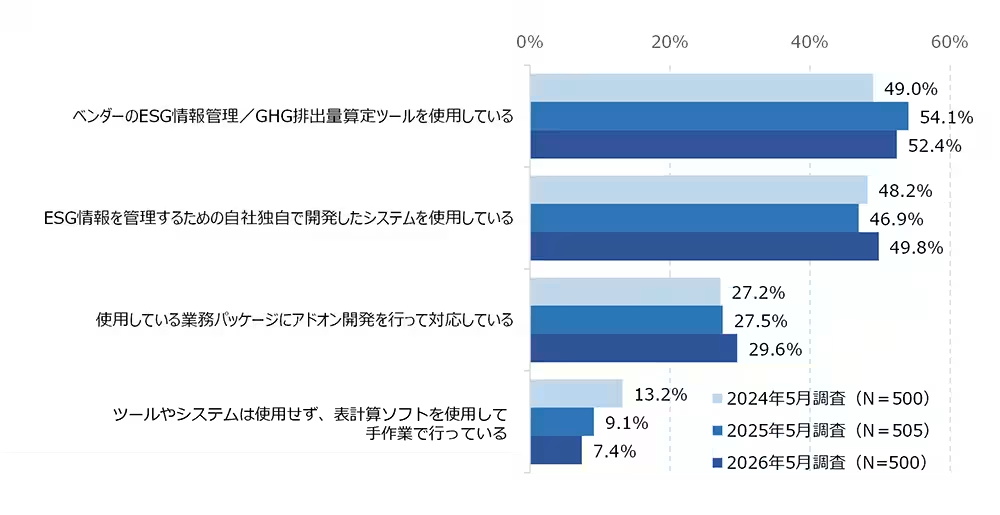
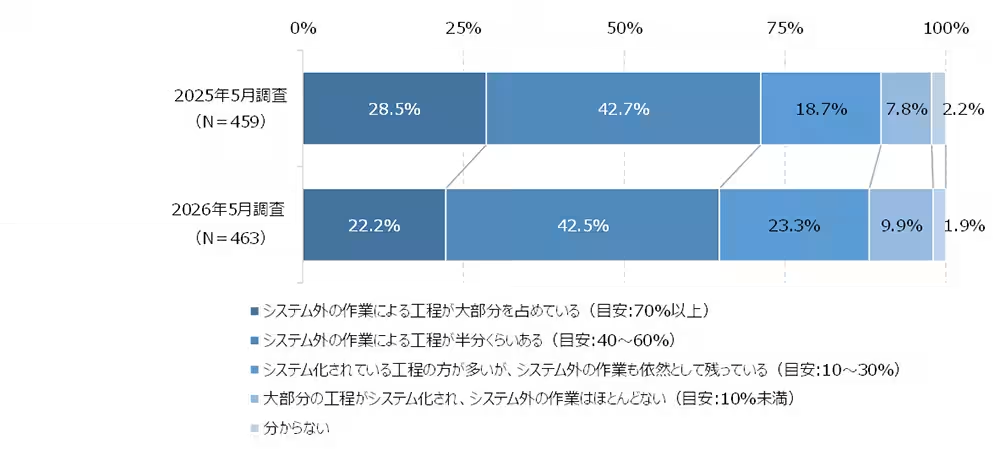
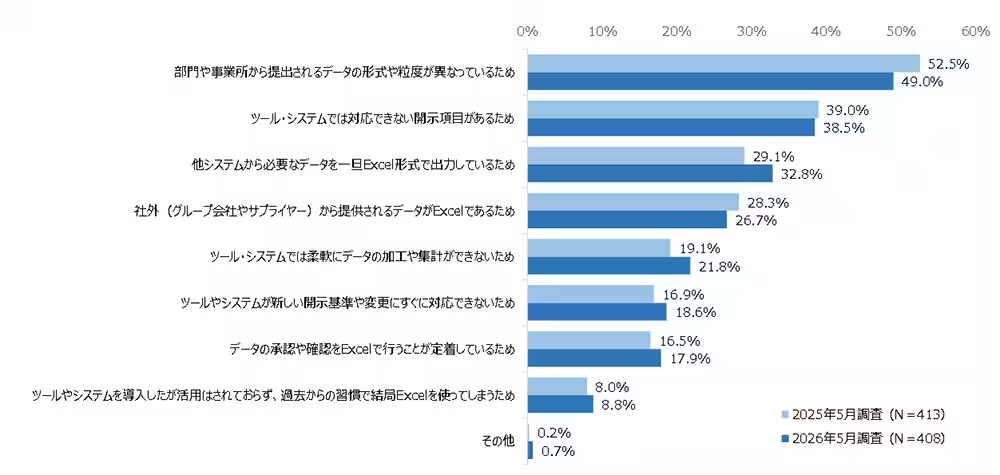
52.4% of companies reportedly have implemented tools for ESG information management or GHG (Greenhouse Gas) emissions assessments. However, a significant challenge persists, as 64.7% of these firms indicated that more than half of their data-related processes rely on external spreadsheets rather than integrated systems. The lack of uniform data formats and granularity from various departments is a leading cause of these external processes, highlighting the need for standardization and improved inter-system connectivity.
3. Growing Demand for Internal Controls Amid Regulatory Changes
As the application of SSBJ regulations becomes clearer, businesses are ramping up their investments in specialized tools and controls to manage ESG data effectively. Companies that are ahead in implementing these standards have reported a higher maturity level in managing their internal processes, making it crucial to enhance internal controls and approval flows for third-party verification of data, as the costs associated with compliance continue to rise.
4. Persistent Challenges in ESG Data Management
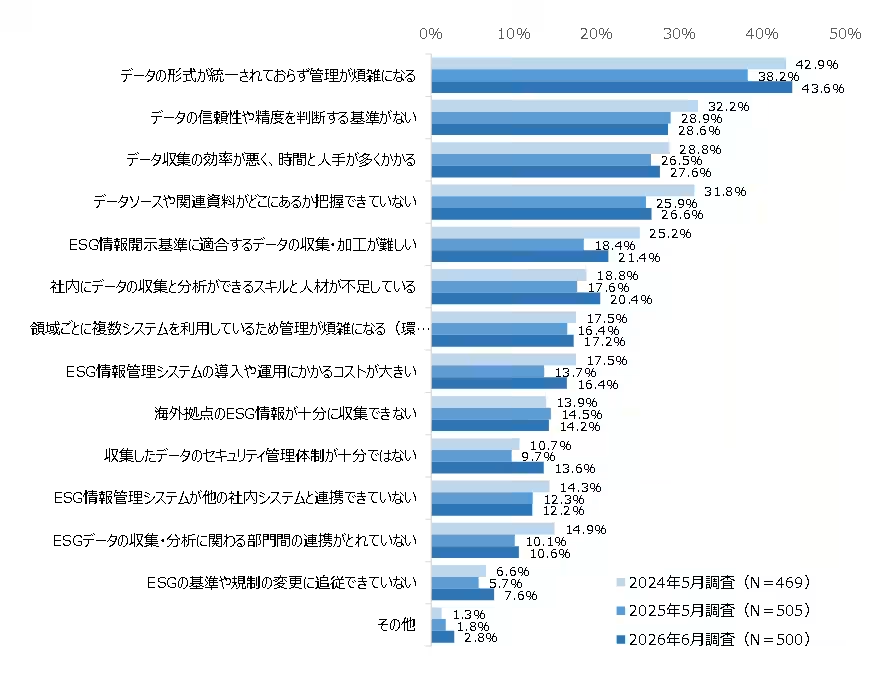
Despite advancements, challenges remain, particularly regarding data format discrepancies and the ensuing complexities in management processes. The requirement for establishing reliable standards and improving data collection efficiency indicates an urgent need for enterprises to prioritize refining their protocols and systems in the ESG domain.
5. External Work Related to Data Collection Remains a Complication
Among businesses that have adopted ESG management systems, a notable 42.5% admit that external data collection processes still constitute a significant portion of their operations. This reflects a pressing need for enterprises to move towards complete integration of their data processes within internal systems, as the variation in data formats across operational sites continues to hinder efficiency.
6. Growing Awareness of SSBJ Guidelines
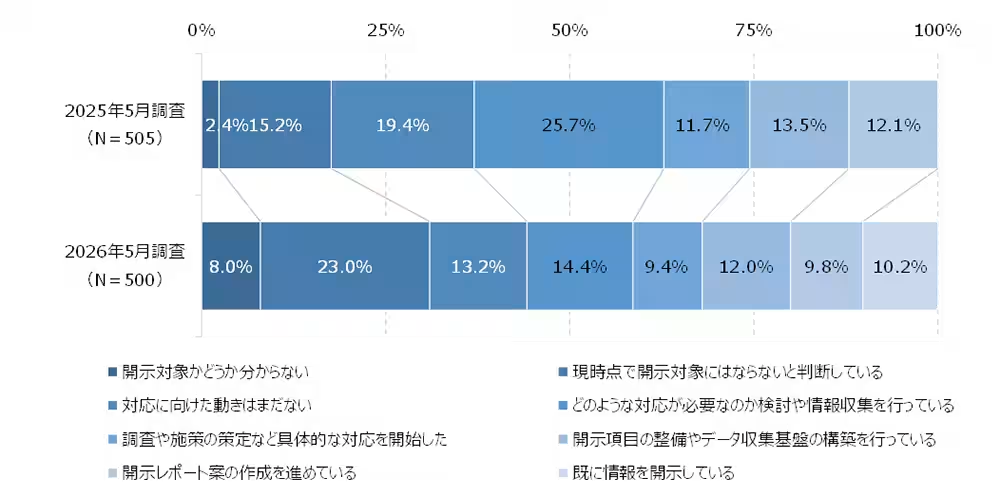
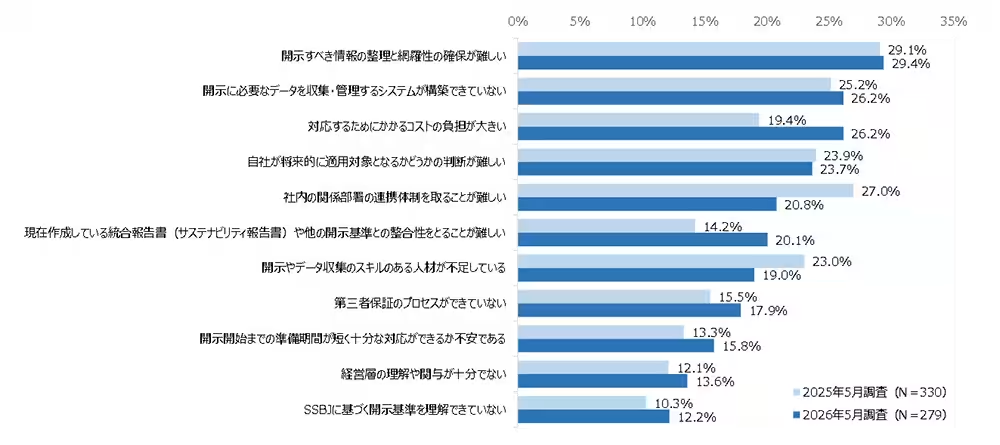
As awareness regarding SSBJ compliance rises, a noticeable segment of companies expresses uncertainty about their eligibility as disclosure subjects. While the number of companies merely collecting information has decreased, more firms are actively determining their future compliance requirements. The greatest hurdles they face include ensuring comprehensive and consistent disclosures and managing the integration of existing reports with new standards, a task made more complex by escalating compliance costs.
Summary of Survey Findings
1. Appointment of ESG Officers: The trend of having executive-level ESG officers is stable at 75.6%, but there has been a slight decrease in dedicated positions with an uptick in mid-level managers assuming these roles.
2. ESG Report Creation and Disclosure: The disclosure rate holds steady at 72.6%, with a staggering 94% of businesses having some form of report in development.
3. Methods for Managing ESG Information: The utilization of tools and systems continues to rise, indicating that companies are keen on maintaining multiple solutions while transitioning from manual to system-based operations.
4. Management Challenges: The complications caused by diverse data formats highlight the urgency for companies to standardize procedures and improve data management practices.
5. Data Collection and Management: Although some companies have begun reducing their reliance on external systems, establishing total integration into internal frameworks remains an essential challenge.
6. SSBJ Compliance: Growing interest in SSBJ indicates a gradual understanding among firms regarding their compliance obligations; however, obstacles such as costs and system integration persist.
Research Overview
The survey was conducted from May 29 to June 2, 2026, targeting executives from companies with over 50 billion yen in annual sales. The research was carried out using web-based questionnaires, obtaining responses from a total of 500 companies.
This finding is integral for understanding how Japanese corporations are evolving their governance and compliance structures in light of international ESG expectations. With the commitment and progress observed, it seems the quest for effective sustainability is firmly underway among Japanese businesses.

Topics Business Technology)
【About Using Articles】
You can freely use the title and article content by linking to the page where the article is posted.
※ Images cannot be used.
【About Links】
Links are free to use.