



A Survey on Preparing for Parents' Unexpected Situations by Tokio Marine & Nichido
Understanding Parental Preparedness: Insights from Tokio Marine & Nichido's Survey
Preparing for unexpected situations concerning our parents, such as health issues or financial arrangements, is a conversation many find challenging to initiate. Tokio Marine & Nichido, a prominent insurance provider in Japan, conducted an extensive survey regarding the preparedness of individuals aged in their 20s to 60s towards their parents' future. The survey, which gathered responses from 1,030 participants, aimed to uncover the current state of these discussions, revealing several critical insights.
Survey Findings: The Reality of Conversations
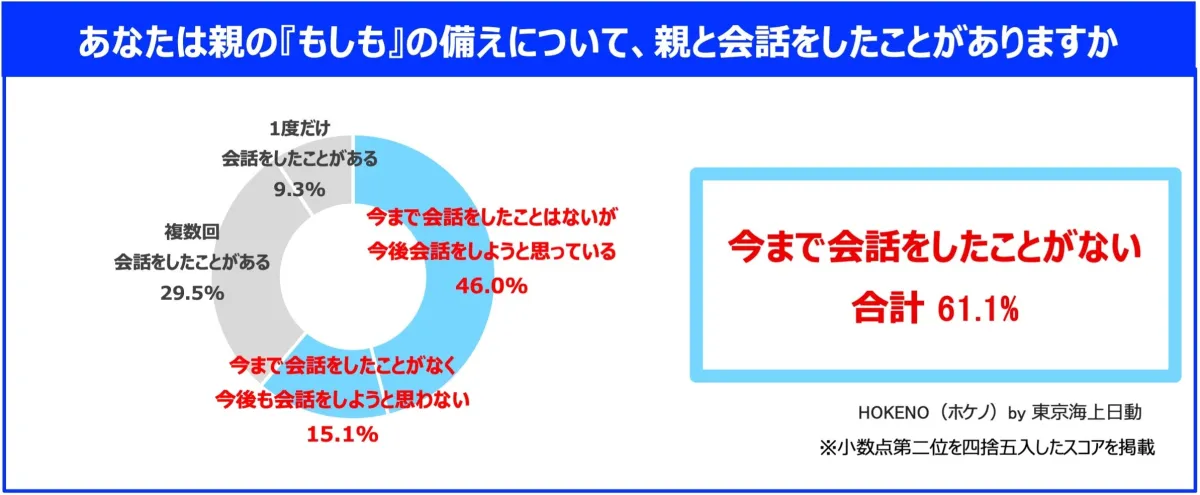
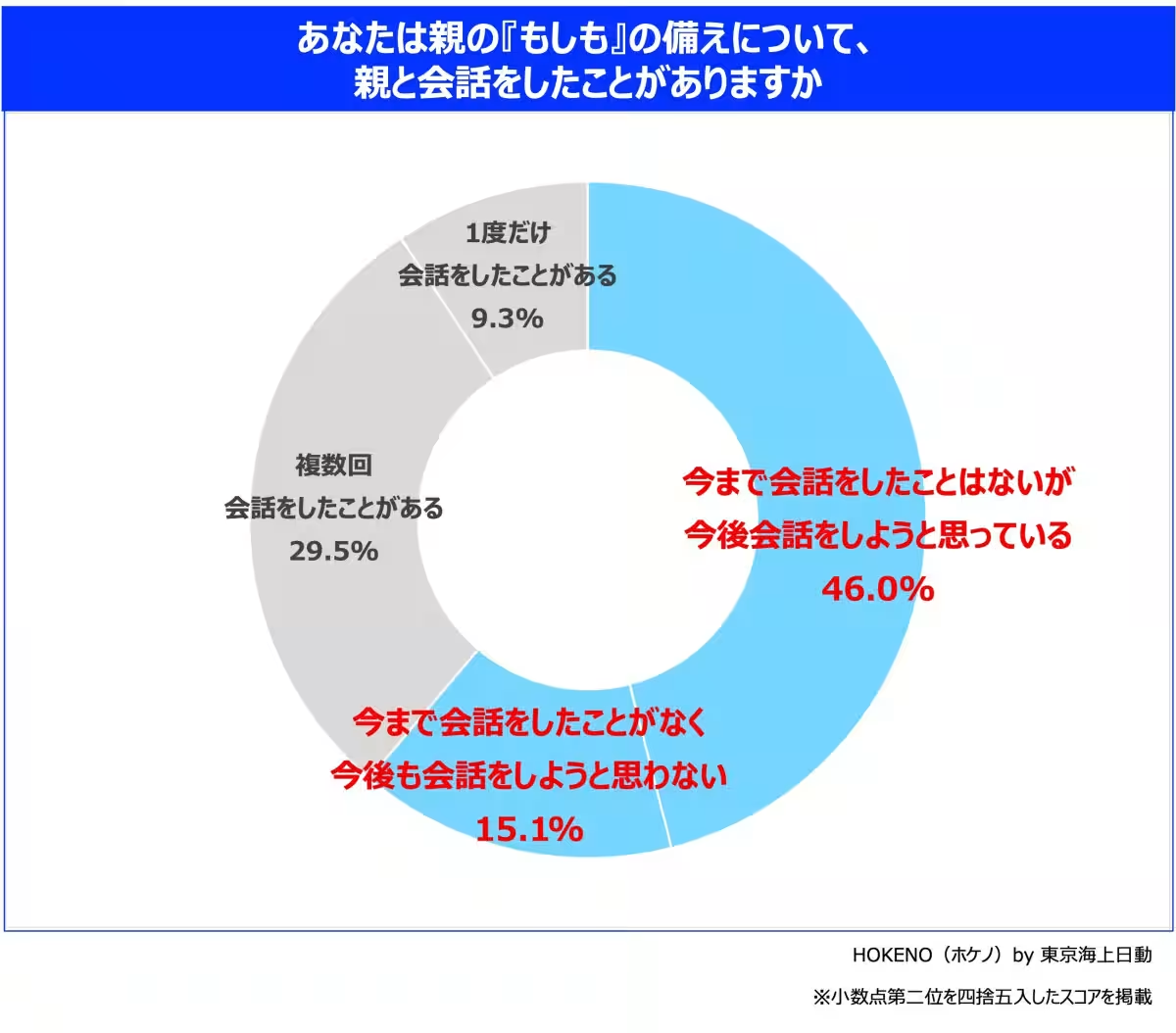
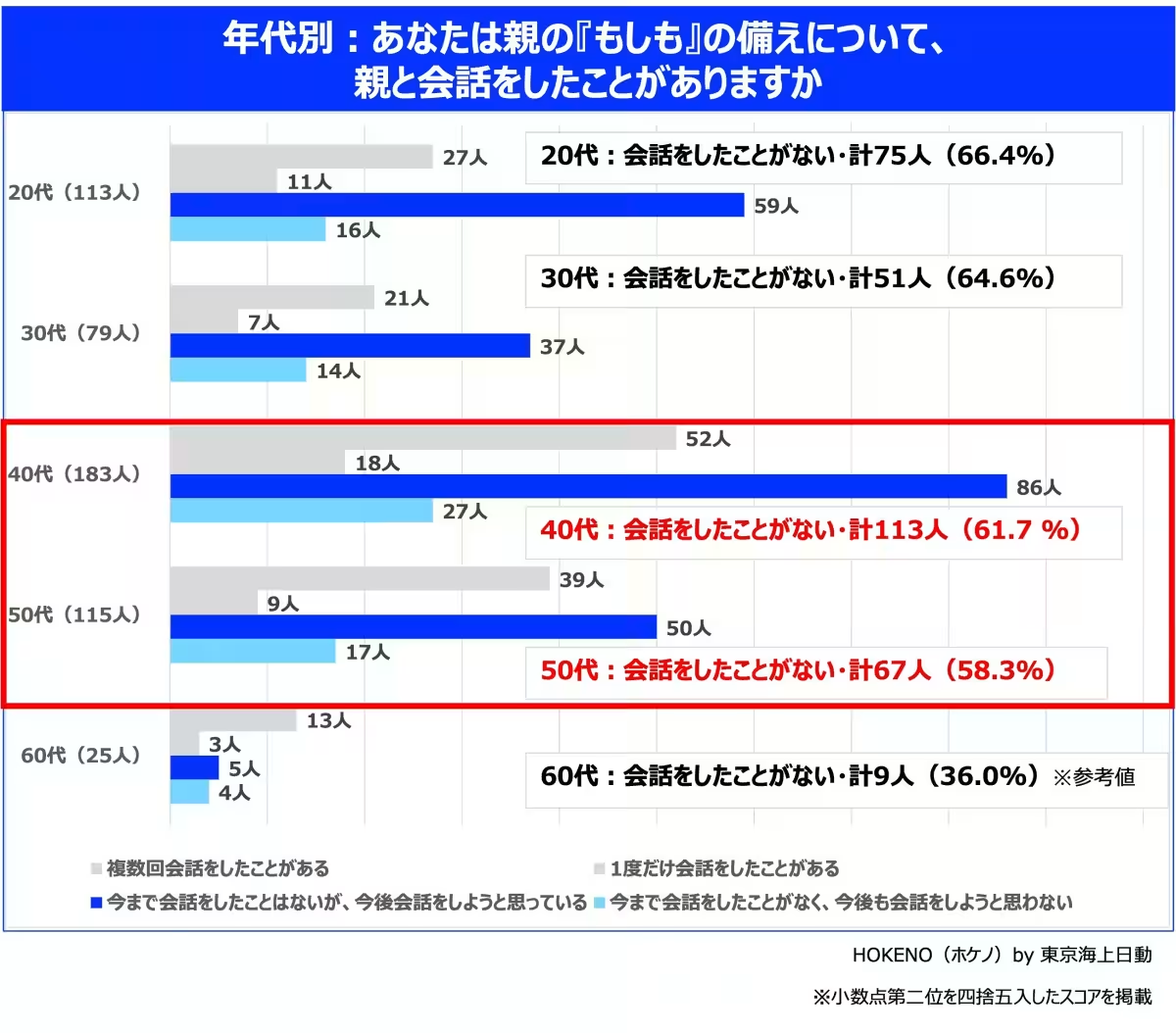
The survey found that nearly 60% of those without prior experience of overseeing a parent’s care had never discussed potential future scenarios with them. This raises the significant question: why are these essential conversations often postponed?
Key Findings:
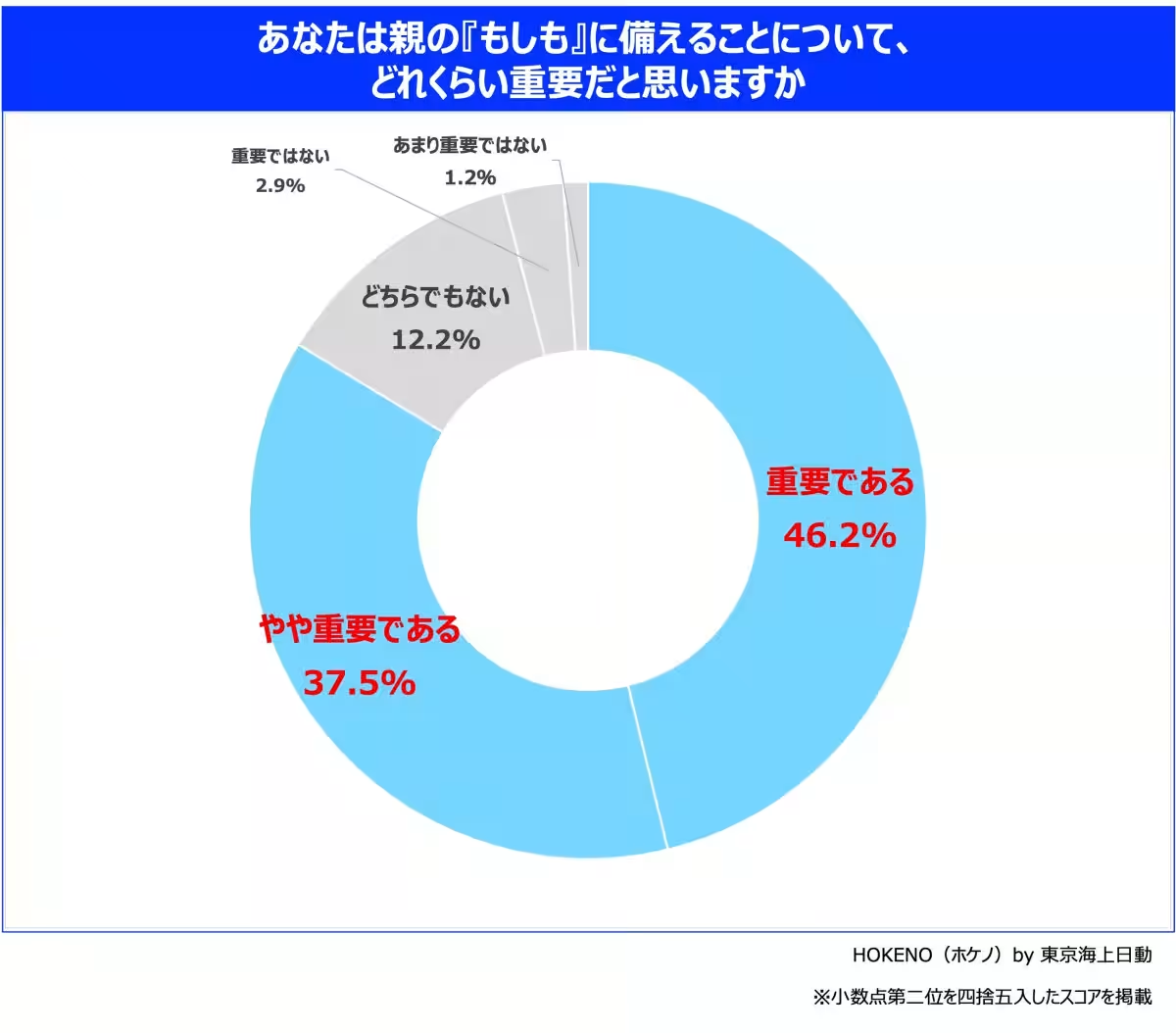
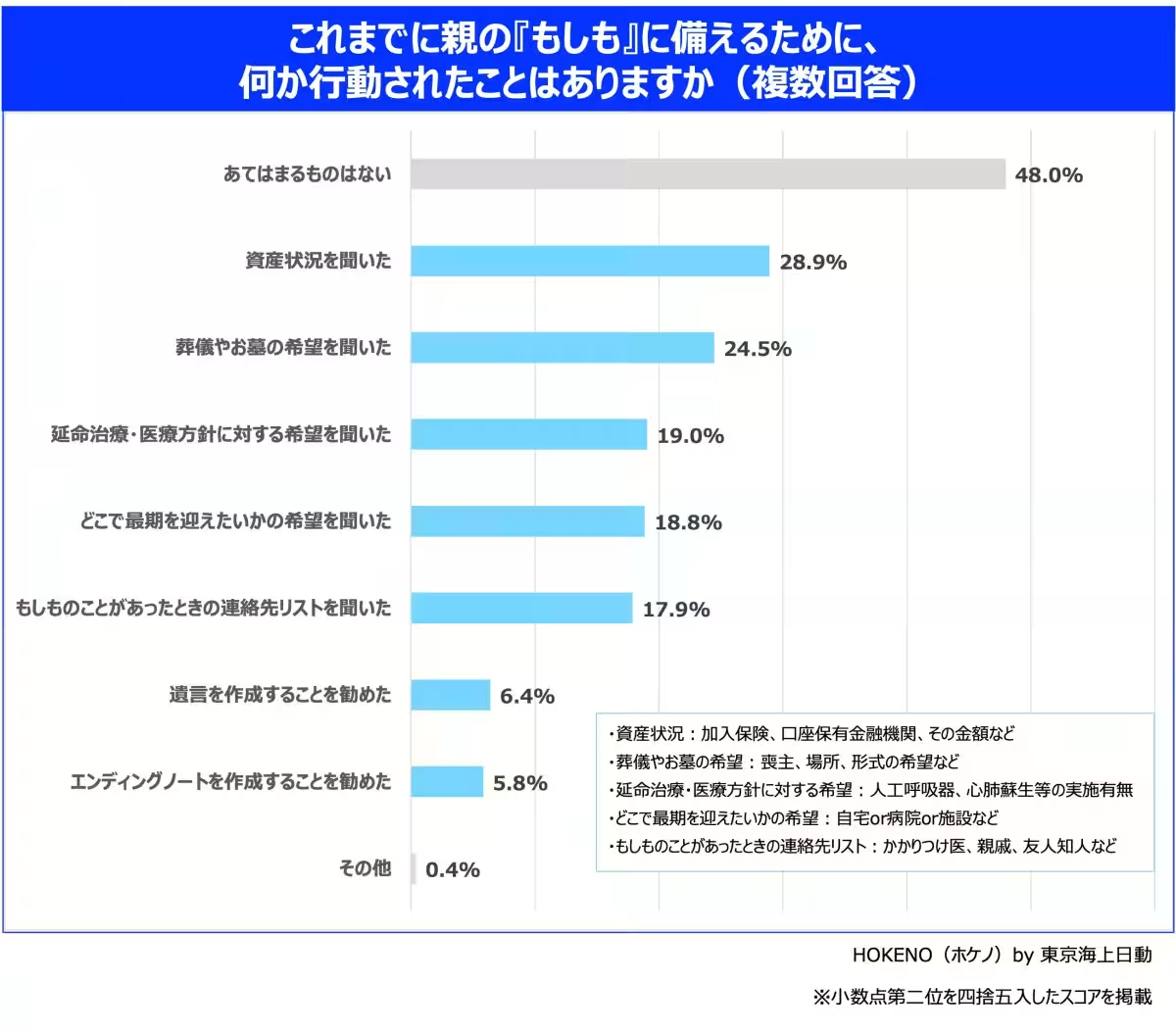
1. Preparedness Perception vs. Action: Over 80% (83.7%) of respondents acknowledged the importance of being prepared for unexpected situations. However, less than 30% had engaged in conversations regarding their parents' financial state, funeral preferences, or burial wishes. This contradiction indicates a gap between recognizing the need for discussion and taking actionable steps.
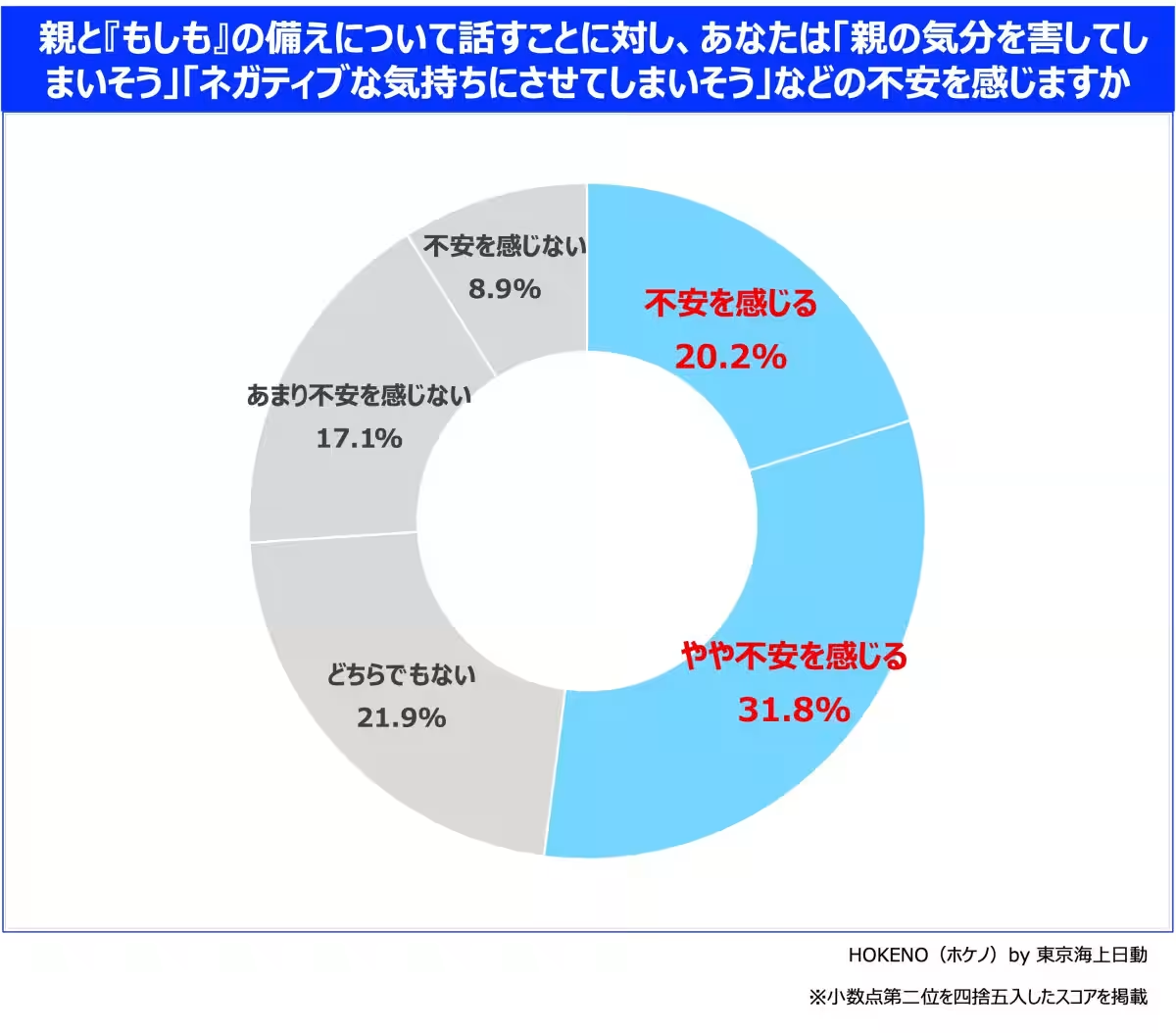
2. Hesitation Due to Emotional Concerns: Nearly half of the participants expressed concerns about how these conversations would affect their parents emotionally. Many are apprehensive about offending them or bringing up negative feelings, making them reluctant to discuss such weighty topics.
3. Regrets from Caregivers: Among those who have experienced caring for aging parents, approximately one in three reported wishing they had discussed more with their parents while they had the chance. The most significant regrets were related to financial matters, highlighting the importance of transparency around money.
Expert Advice: Initiating the Conversation
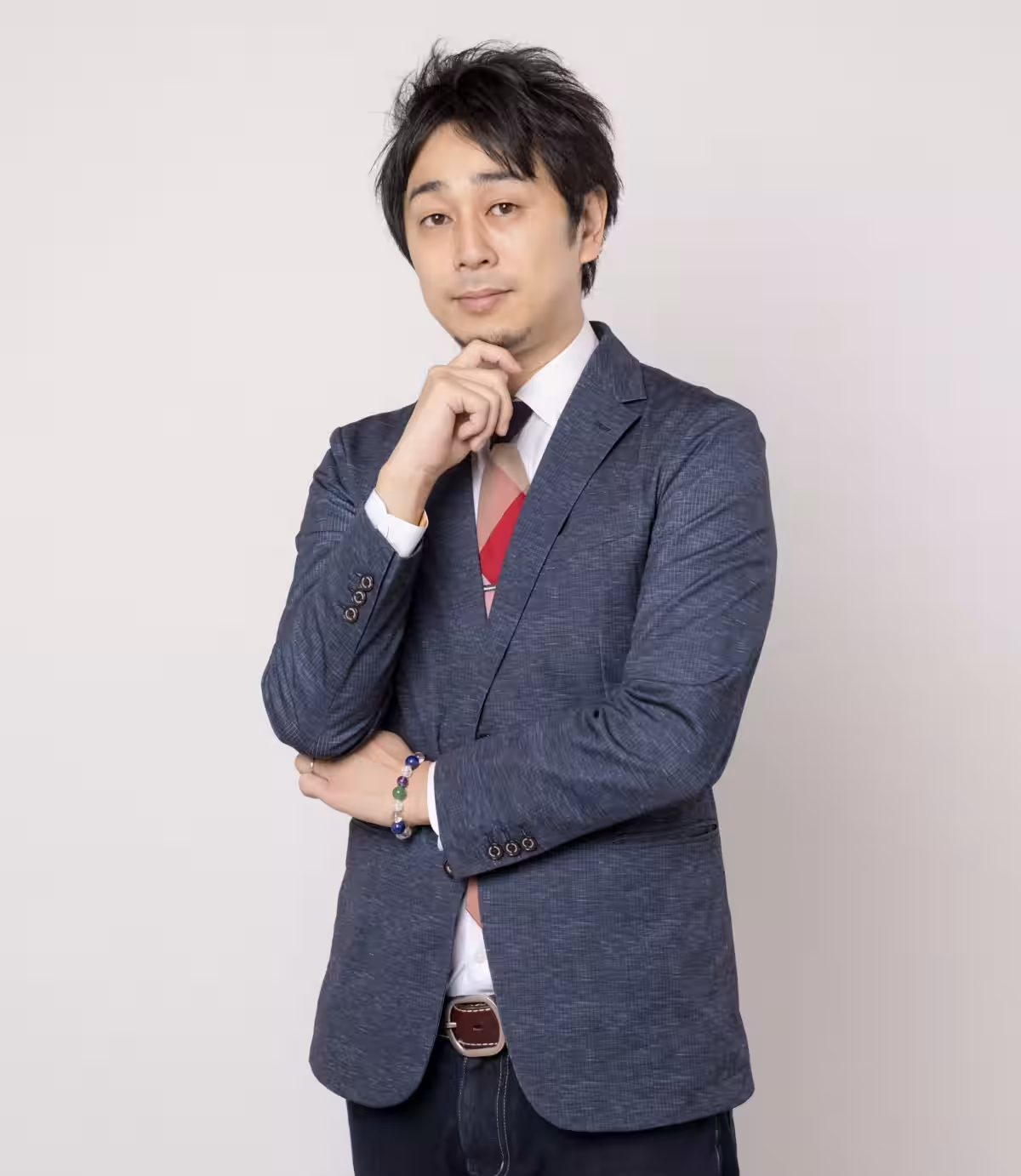
One of the keys to easing into these discussions is to start with less sensitive topics. Taiyo Yaito, a financial consultant and representative director of Money&You, suggests utilizing everyday conversations as entry points. For example, asking parents about their use of smartphones or online shopping can create a comfortable atmosphere to eventually transition to more serious topics about their future.
Yaito emphasizes that nearly one-third of caregivers wished they had learned more about their parents' wishes regarding finances and end-of-life plans. He recommends starting discussions with smaller topics about personal finances, using technology to connect, and, most importantly, listening actively to your parents' concerns and preferences.
Real-Life Experiences and Their Lessons
Many individuals express that engaging in open discussions about potential future issues can help alleviate burdens later. The report highlights that lack of communication can lead to confusion and disputes among family members when the time comes to make decisions regarding care or finances.
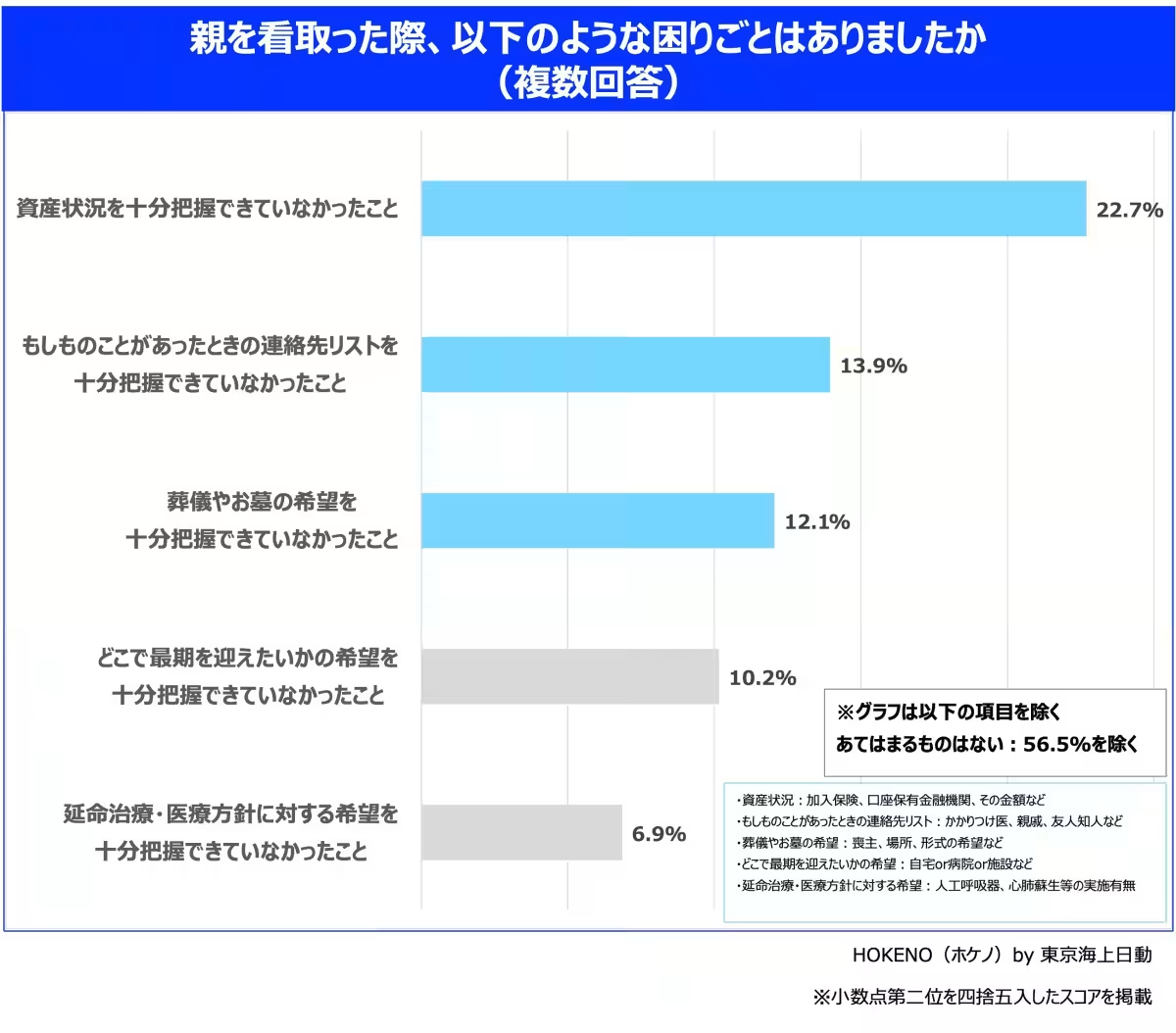
In fact, more than 43% of caregivers reported facing challenges due to insufficient foresight, with significant concerns stemming from unclarified asset situations and funeral arrangements.
How to Facilitate these Important Talks
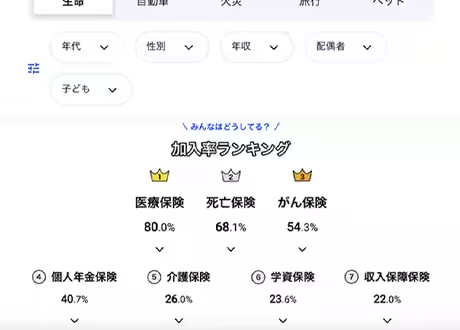
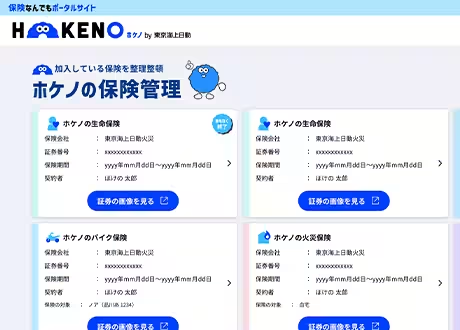
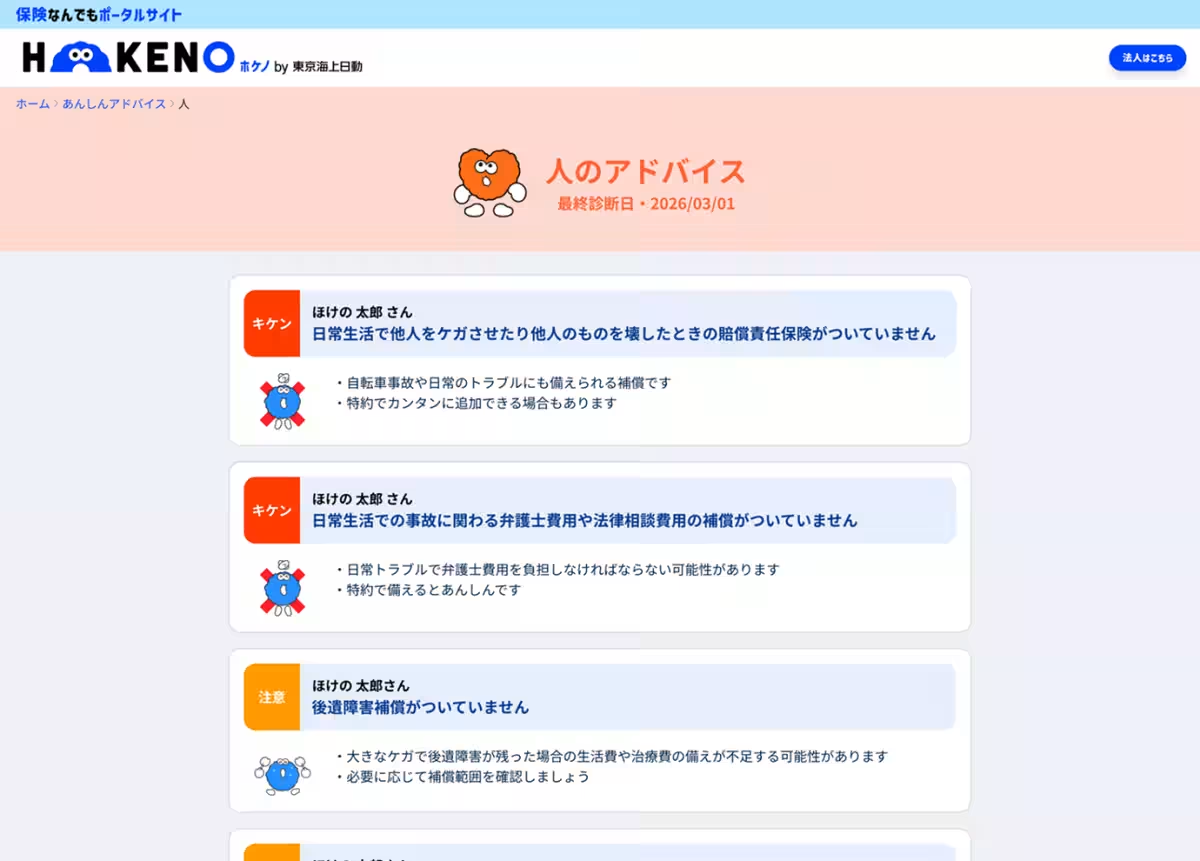
Yaito suggests utilizing digital tools for effective communication and information sharing. Tokio Marine & Nichido offers a comprehensive platform called HOKENO, which serves as a central hub for managing insurance and financial information. This tool not only aids in understanding one's risk profile but also helps families manage important insurance details efficiently.
Three Focus Areas for Discussions:
- - Current Financial Management: Initiate conversations about household budgeting and financial products.
- - Future Aspirations: Discuss plans, dreams, and preferences regarding aging, work, and retirement.
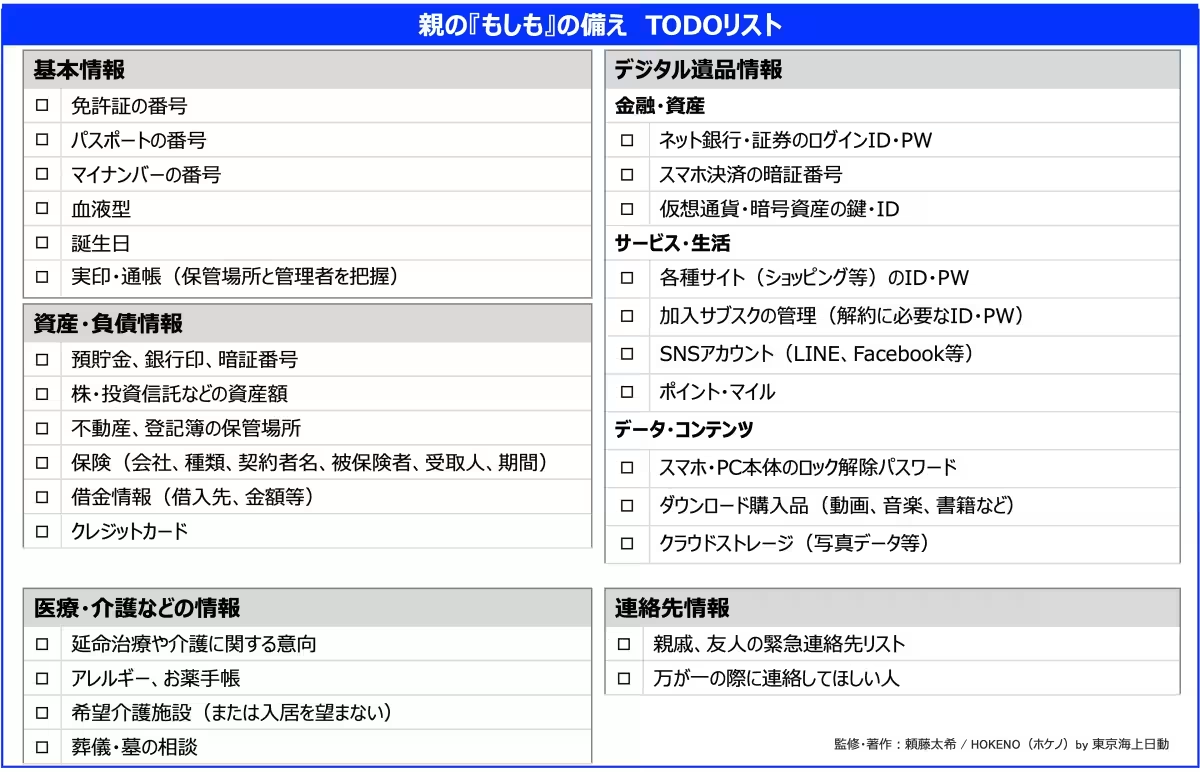
- - Preparing for 'What If' Situations: Gradually lead into necessary topics like wills, funeral preferences, and financial preparations while maintaining a supportive dialogue.
Conclusion: Bridging the Gap with Knowledge and Compassion
In conclusion, the Tokio Marine & Nichido survey illuminates not only the critical need for addressing these topics but also the emotional hurdles that frequently obstruct necessary conversations. By employing thoughtful strategies and using digital resources such as HOKENO, families can foster more fulfilling discussions around preparedness, ultimately leading to enhanced peace of mind for everyone involved.
For more information on Tokio Marine & Nichido and their services, visit HOKENO.
Topics Other)









【About Using Articles】
You can freely use the title and article content by linking to the page where the article is posted.
※ Images cannot be used.
【About Links】
Links are free to use.