



Exploring the Transformations in Lifestyle Awareness Among 20-Somethings: A Comprehensive Study
Recent Shifts in Lifestyle Awareness Among People in Their 20s
Rakuten Insight has conducted a massive survey named `Asking Big Data`, gathering insights from over 400,000 respondents annually to analyze lifestyle awareness trends among individuals aged 15 to 79. The latest 2024-2026 findings reveal notable changes, especially among the 20-somethings demographic. This article delves into the main topics highlighted by the survey, elaborated on by Kozo Suenaga, Senior Data Analyst at Rakuten Insight.
Summary of Findings
Topic 1: Rising Appreciation for Traditional Values
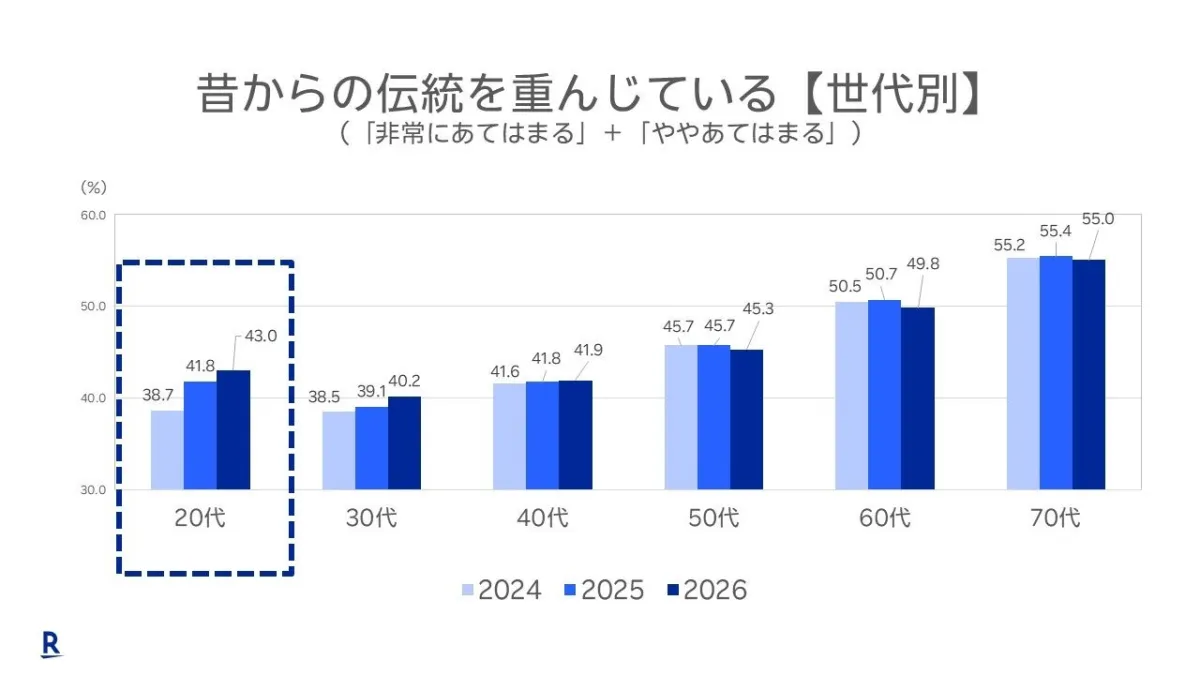
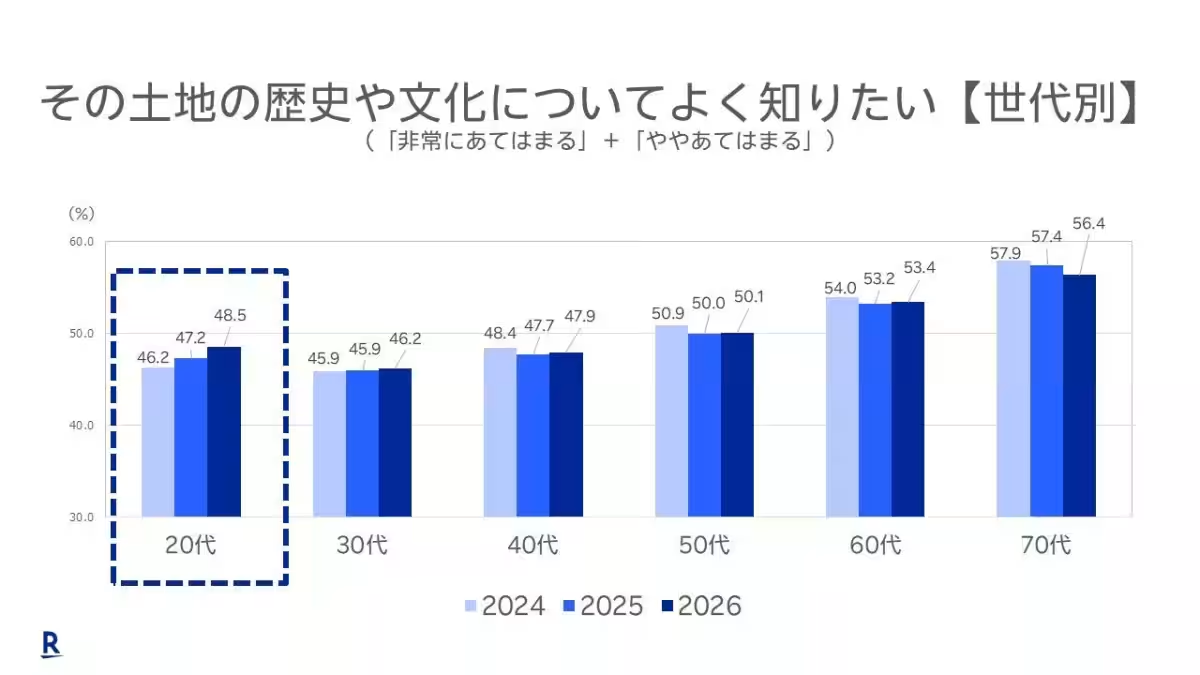
One of the most significant changes observed in the 20-somethings is a growing appreciation for traditional values. The percentage of individuals in this demographic affirming that they value historical traditions increased by 4.3 points from the 2024 survey to the 2026 survey, reaching 43.0%. This shift may correlate with a renewed interest in historical and traditional cultural expressions due to popular media and the acknowledgment of these values by international visitors to Japan. More individuals expressed the desire to understand the culture and history of their regions, indicating a greater connection to their roots and identities.
Topic 2: Increase in Investment Interest
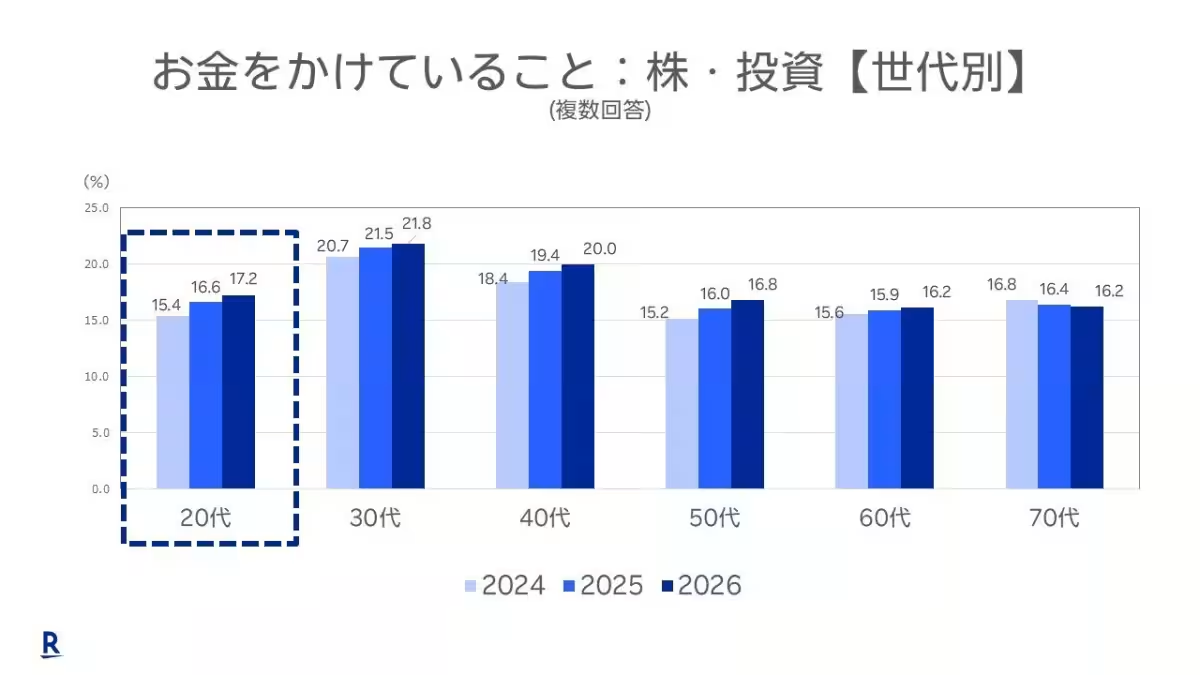
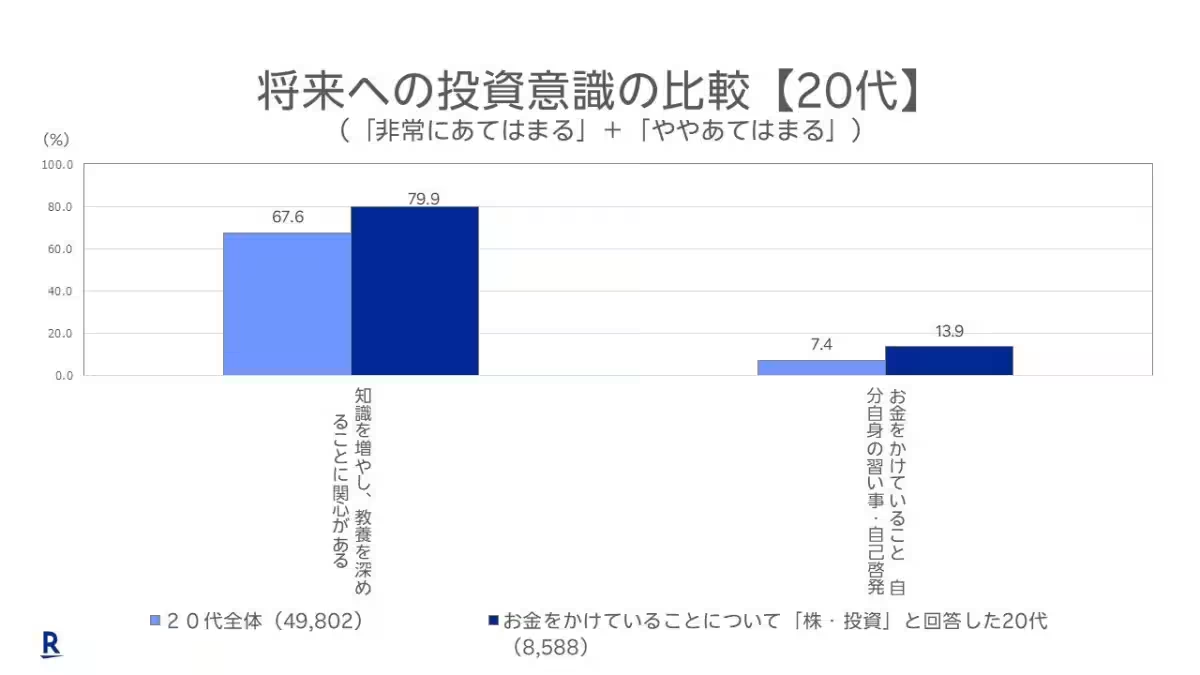
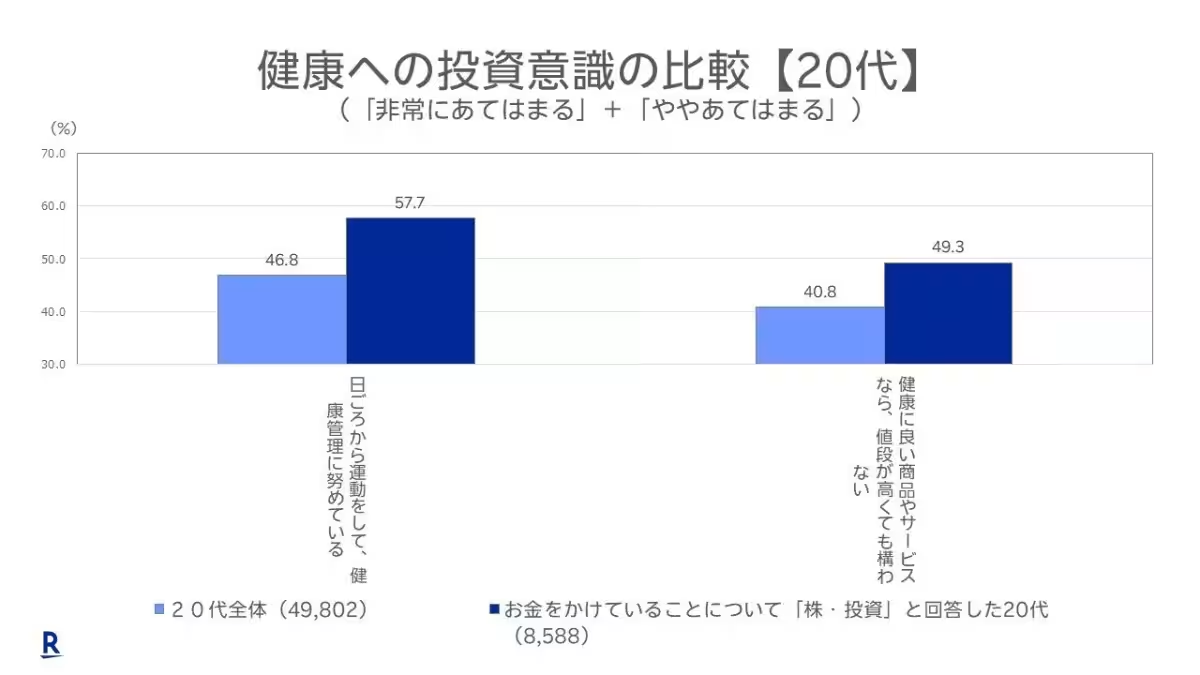
The survey also revealed an uptick in the number of 20-somethings investing money into stocks and other investment avenues, marking a 1.8-point rise from 2024 to 2026. In this age group, 17.2% now actively engage in financial investments. Interestingly, those who invest showed a remarkable inclination towards self-improvement and health management, reflecting a broader trend where young people see value in self-investment.
Topic 3: Growing Interest in Health Products
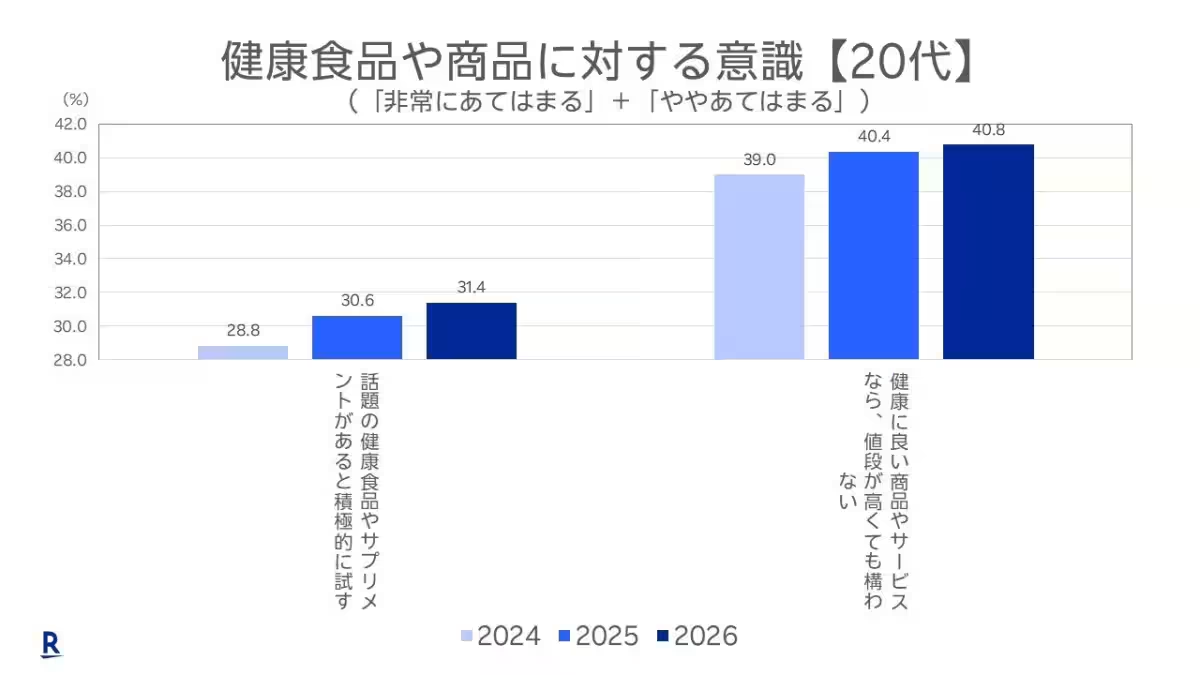
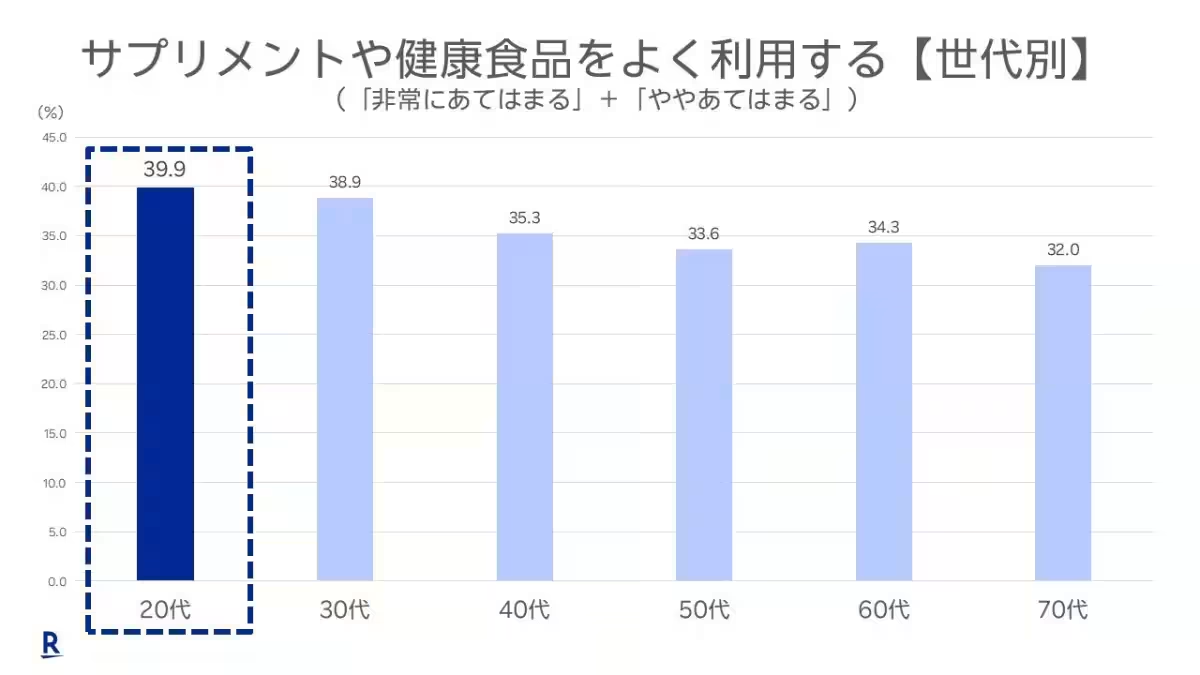
Furthermore, the 20-something demographic displays an increasing openness towards trying out trending health products and supplements, which saw an increase of 2.6 points over the three-year period. Respondents only willing to pay higher prices for quality health products also rose by 1.8 points. This highlights a commitment to health and wellness that transcends mere spending; it signifies a healthy approach to consuming products aimed at improving well-being.
Detailed Insights
Discussion on Traditional Values
According to Kozo Suenaga, the modern reinterpretation of traditional values among younger generations signifies a shift back to heritage. Today, traditional cultural narratives are finding their way into popular cinema, documentaries, and local tourism activities, which appeals to many young adults. The revival of interest in historical sites and the trend of renovating traditional homes symbolize a desire for authentic experiences, encouraging a deep-rooted appreciation for Japan's cultural legacy.
Investment Mindset Shift
The rise in investment interest among those in their 20s indicates a significant change in consumption patterns. Young adults are gravitating away from seeking merely low-cost options and focusing instead on the potential return on investment. This trend signifies a growing awareness of the importance of financial literacy, including understanding resale value and long-term gains associated with investments in stocks and self-development areas.
Health-Related Consumption
Tracking the inclination toward health products, Suenaga notes that investments in health-related goods are increasingly viewed through an investment lens, emphasizing effectiveness and tangible outcomes. Younger consumers demand value for their money, aligning their spending habits with measurable health improvements. Products like personal training, health monitoring devices, and nutritionally complete food solutions are now part of their purchase consideration, as they prioritize outcomes they can quantify.
In conclusion, the data illustrates a significant transformation in lifestyle awareness among 20-somethings as they navigate a landscape shaped by tradition, investment, and health consciousness. Through these three years, young people have increasingly connected their personal identities to cultural heritage, financial literacy, and holistic well-being practices. As companies strive to engage them, understanding these developments will be essential for effective marketing and product offerings.
Topics Consumer Products & Retail)





【About Using Articles】
You can freely use the title and article content by linking to the page where the article is posted.
※ Images cannot be used.
【About Links】
Links are free to use.