



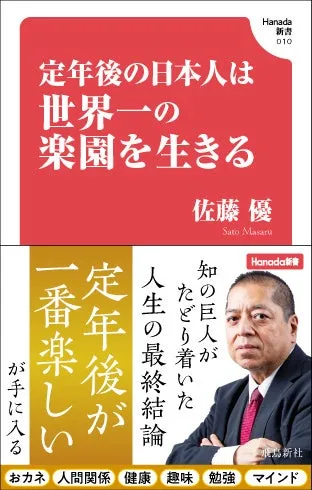
Discovering the Joy of Retirement: Insights from Masaru Sato's New Book
Embracing the Joy of Retirement
In today’s fast-paced world, the idea of retirement can often bring about anxiety and uncertainty. However, Masaru Sato, a well-known Japanese author and intellectual, has a different approach. His new book, "Living in a Paradise After Retirement for Japanese People," published on September 18 by Asuka Shinsha, aims to reshape our understanding of what this life stage can entail.
Sato, who has a rich history as a diplomat and scholar, argues that retirement should not be seen as an end, but rather the beginning of a new chapter. He defines this book as the culmination of his life’s work, presenting valuable insights that everyone can apply to their post-retirement lives.
A Unique Perspective on Retirement
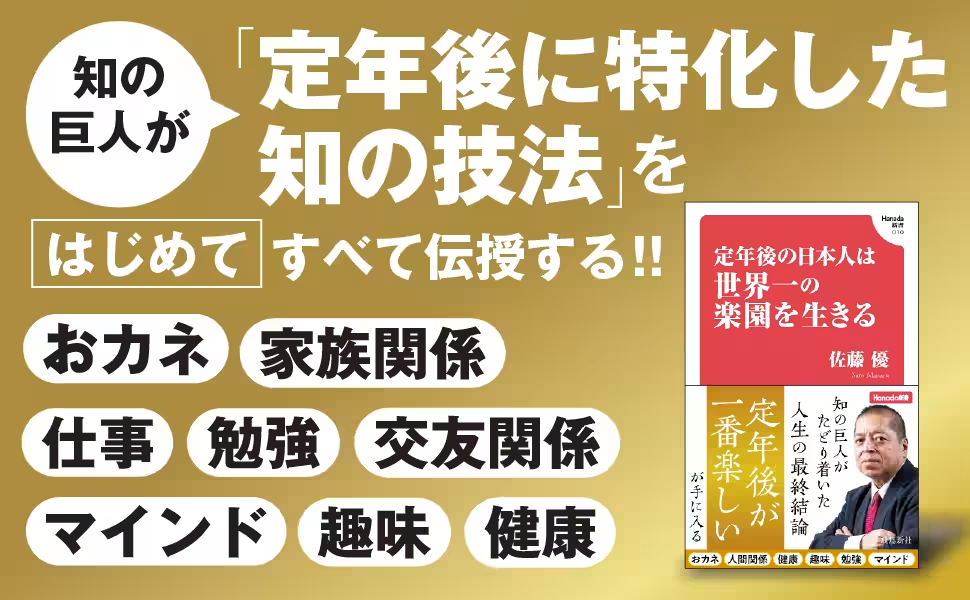
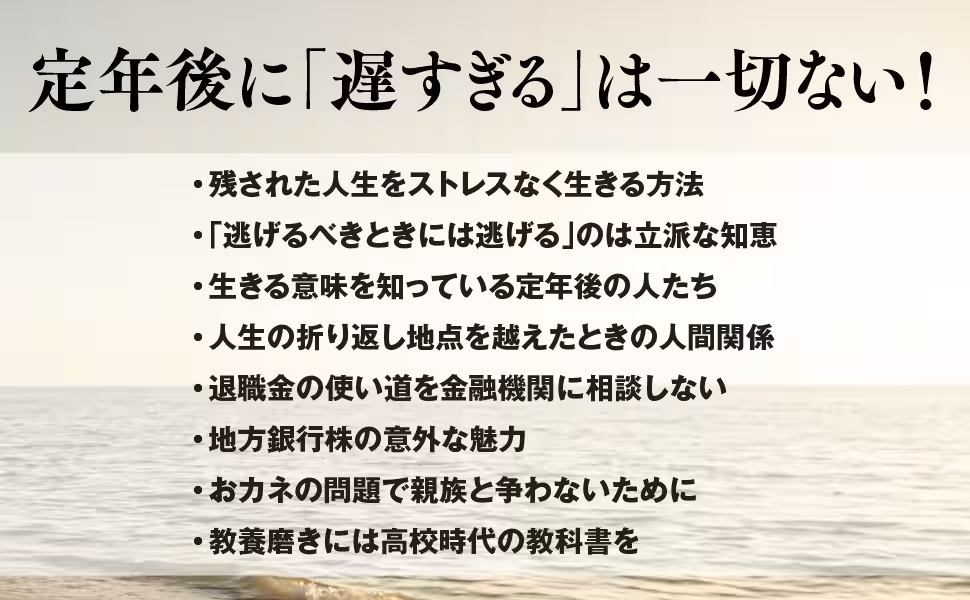
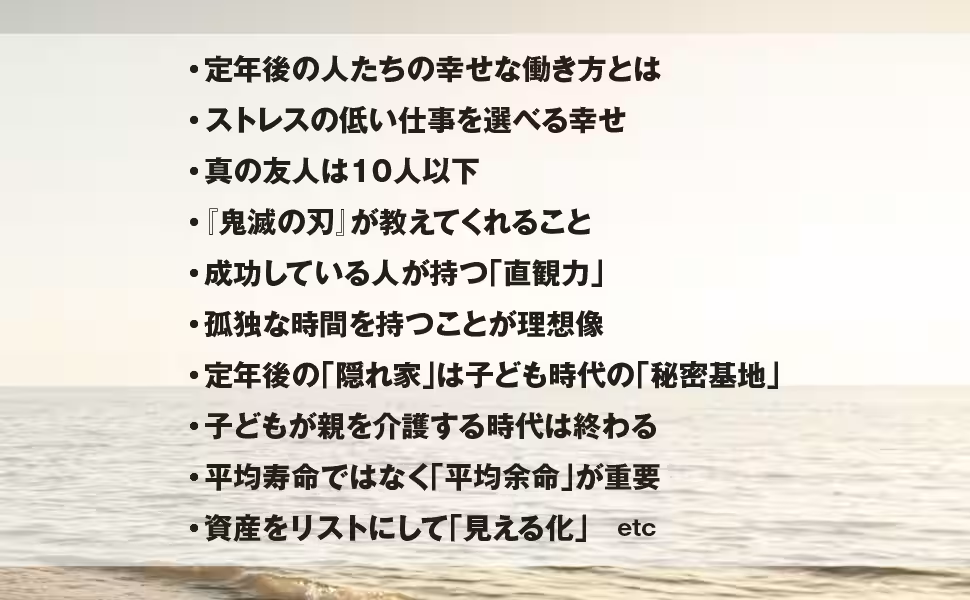
What sets this book apart is its focused approach to retirement. With a systematic breakdown into eight key categories, Sato provides a comprehensive guide to navigating life after work. Each section covers vital aspects: from mindset and finances to work opportunities, friendships, hobbies, and health. Through his lens, Sato reveals how retirees can structure their lives to find joy and fulfillment.
Mindset Reset
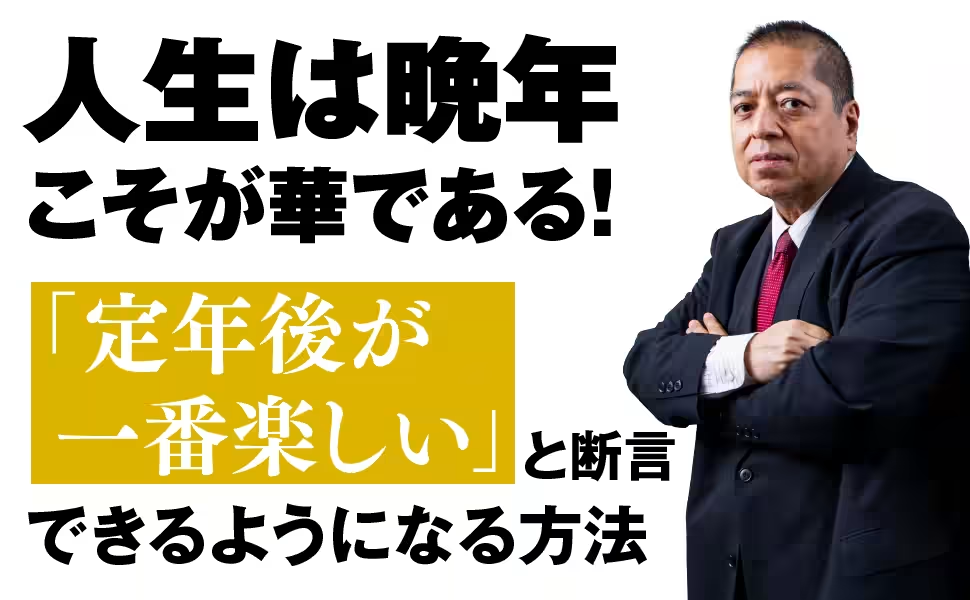
The first chapter encourages readers to "reset" their mindset regarding retirement. This involves recognizing that life post-retirement can be the most enjoyable. Sato emphasizes that age should never be seen as a barrier, as many people incorrectly believe that it is “too late” to chase after dreams or new experiences. Instead, he asserts that the latter stages of life can indeed be the most rewarding, filled with opportunities for personal growth and happiness.
Managing Finances Wisely
In the following chapters, Sato addresses financial management and the importance of developing a stable income post-retirement. His insights aim to empower readers to approach their finances strategically, ensuring they can live comfortably and stress-free.
Continuous Learning
Sato also delves into the significance of ongoing education. The chapter dedicated to learning highlights that acquiring knowledge and skills can keep the mind sharp and provide valuable avenues for engagement and interaction with others.
Navigating Relationships
Understanding the dynamics of friendships and family relationships is critical in retirement. Sato encourages readers to form meaningful connections without undue stress from toxic relationships. The advice here is to focus on nurturing bonds that contribute positively to one's well-being, emphasizing quality over quantity.
Building Your Sanctuary
Later sections discuss how to create a personal sanctuary, a metaphorical "hiding place" where retirees can retreat when needed. This emphasizes the balance between social engagements and personal time, allowing individuals to recharge and reconnect with themselves.
Embracing New Beginnings
The final chapters invite readers to explore new hobbies, romantic relationships, and health regimes that can enhance their lives post-retirement. Sato urges individuals to embrace these opportunities with open arms, reaffirming that life after retirement holds limitless potential.
Conclusion
Sato's thorough examination of retirement offers a refreshing viewpoint that challenges traditional narratives. His belief that true happiness can blossom in one’s later years is uplifting and empowering. "Living in a Paradise After Retirement for Japanese People" is not just a guide; it is a manifesto for anyone looking to redefine what their golden years can be.
Whether you are approaching retirement or are already navigating this phase of life, Sato's insights serve as a reminder that it’s never too late to cherish life and create joyful experiences.
For those eager to learn more, the book is available for purchase at major retailers, including Amazon for a price of 1089 yen.
To learn more about Sato’s perspective and findings, consider diving into his engaging writing and discover how to transform the perception of retirement into a celebration of life.
Publisher Information
Asuka Shinsha, based in Chiyoda-ku, Tokyo, continues to advocate for literary works that inspire and inform, under the leadership of President Naohisa Doi.
Topics Consumer Products & Retail)
【About Using Articles】
You can freely use the title and article content by linking to the page where the article is posted.
※ Images cannot be used.
【About Links】
Links are free to use.