



Understanding Mask Acne: Causes, Prevention, and Treatment Ahead of Allergy Season
Understanding Mask Acne: Causes, Prevention, and Treatment Ahead of Allergy Season
As pollen season approaches, many are bracing for the discomforts of allergies, including mask-related skin issues. Recent research has shed light on the alarming prevalence of mask acne, also known as 'maskne.' Conducted by the AI Clinic, this survey targeted individuals between their 20s and 50s who have faced skin problems associated with mask-wearing in the past year. Here’s what the data revealed about awareness and effective strategies for dealing with mask acne.
Key Findings of the Survey
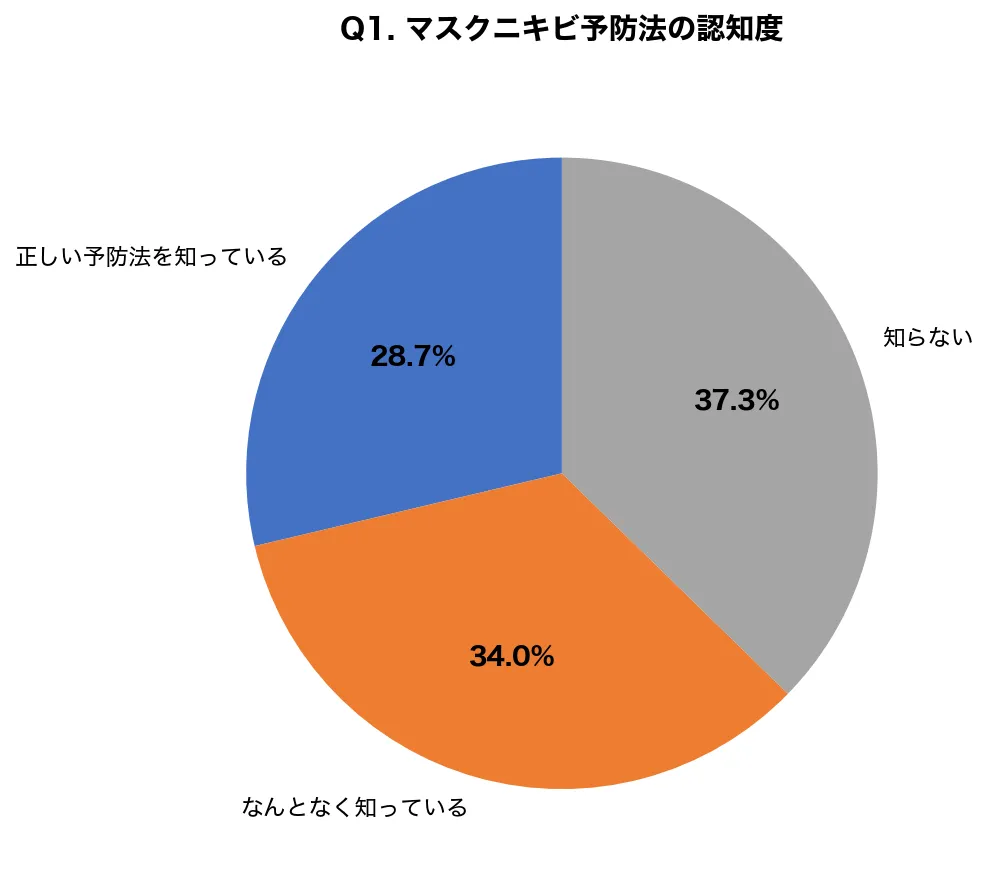
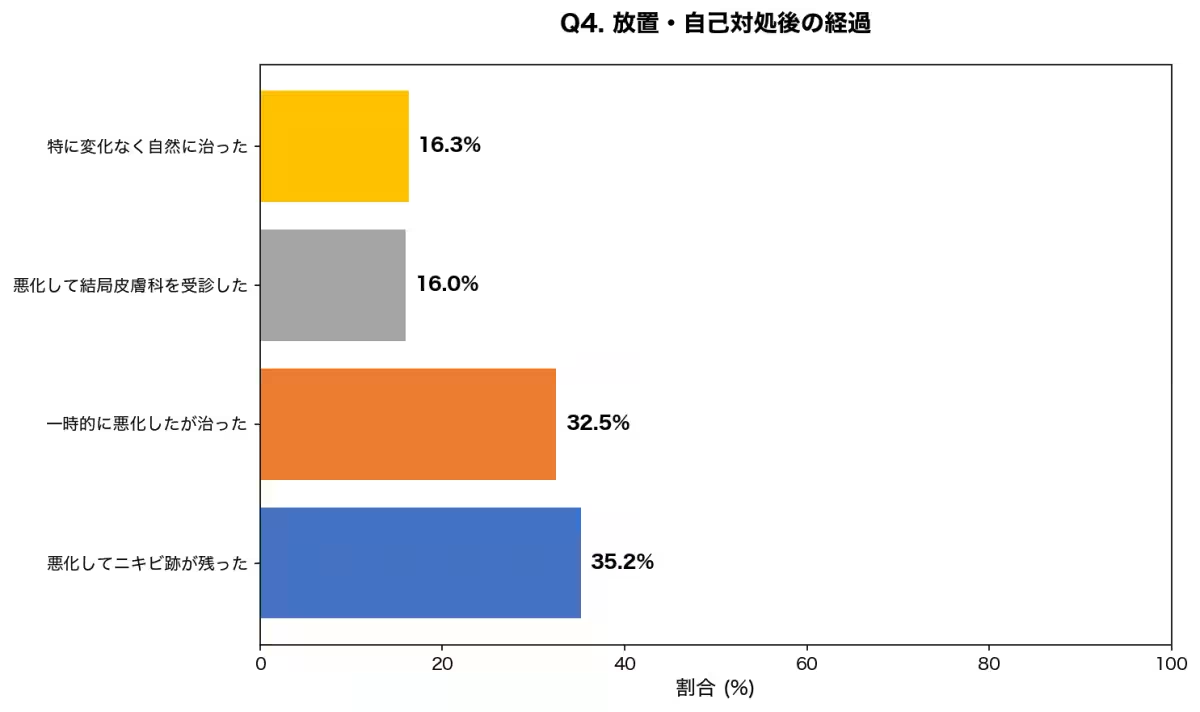
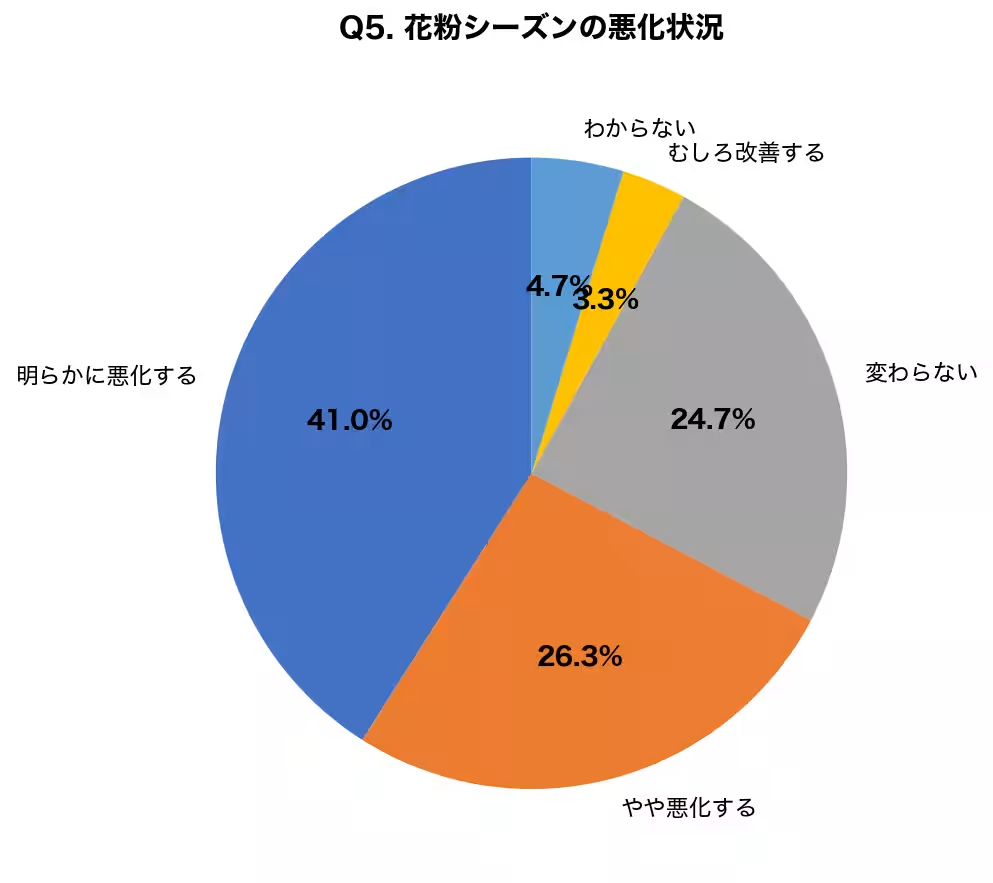
The results were striking. Only 28.7% of respondents recognized the proper prevention methods for mask acne, indicating that over 70% were employing inappropriate coping strategies. Furthermore, among those who let their mask acne go untreated, an overwhelming 83.7% reported that their condition worsened, and 35.2% dealt with lasting marks. Notably, 67.3% of individuals indicated that their mask acne exacerbated during the peak pollen season of February to April.
What is Mask Acne?
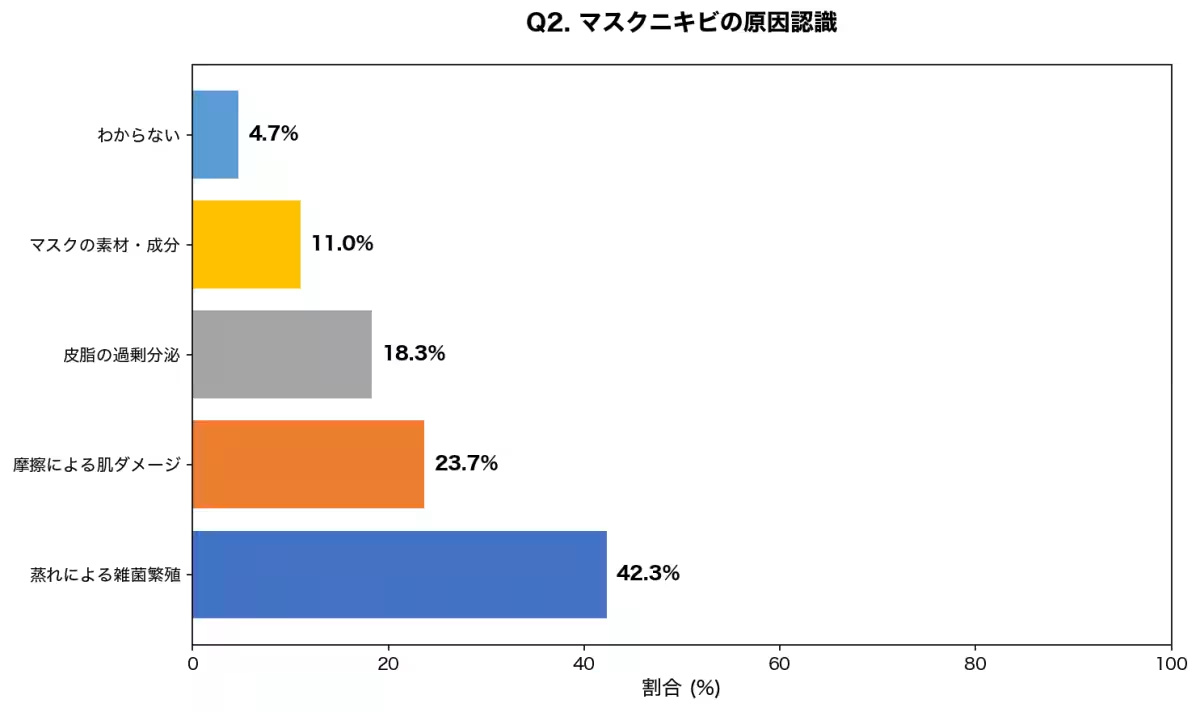
Mask acne arises from two primary factors: moisture and friction. The humid environment created within the mask promotes the proliferation of acne-causing bacteria, while the friction from the mask against the skin disrupts its natural barrier. This interaction leads to the development of inflammatory acne, classified medically as mechanical acne or contact dermatitis-related acneiform eruptions.
Importance of Skin Barrier Function
The skin barrier, primarily consisting of the outermost layer, plays a vital role in protecting against external irritants and preventing moisture loss. When compromised, the skin becomes susceptible to dryness, inflammation, and various skin issues, including acne.
The Role of Acne-Bacteria
Cutibacterium acnes, commonly referred to as acne bacteria, is normally harmless. However, in clogged pore environments, it can multiply excessively, resulting in inflammation and subsequent acne formation.
Effective Prevention Strategies
With the approaching pollen season raising concerns about mask acne, understanding effective prevention strategies is crucial. Begin by choosing breathable masks and adhere to a proper cleansing routine. Here is a summary of recommended practices:
- - Opt for breathable non-woven masks and replace them every 3-4 hours to avoid moisture buildup.
- - Implement a moisturizing routine before wearing a mask to strengthen the skin’s barrier function.
- - Cleanse thoroughly once you are home to remove any accumulated oil and sweat from the skin.
- - Apply a thin layer of petroleum jelly on areas where the mask rests to reduce friction.
- - Avoid materials that irritate the skin and minimize potential triggers.
Research Documentation
Respondents' Counterproductive Care Choices
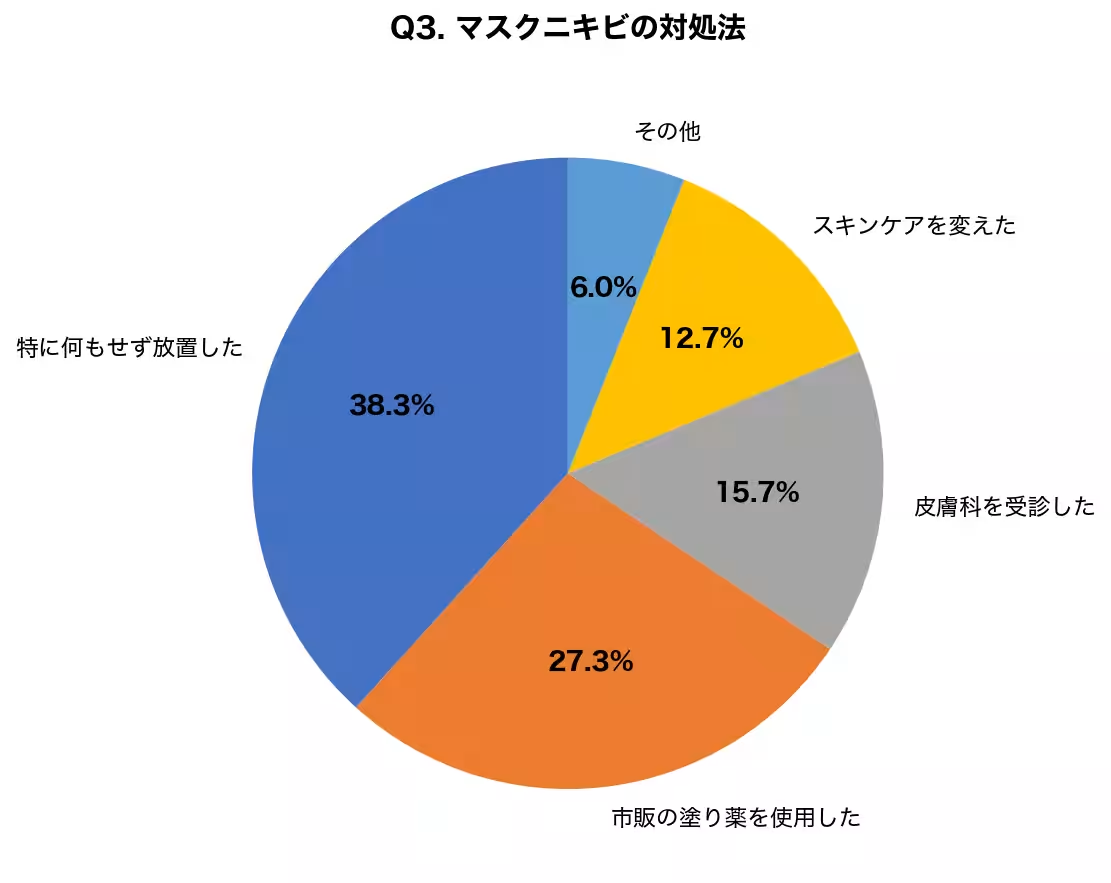
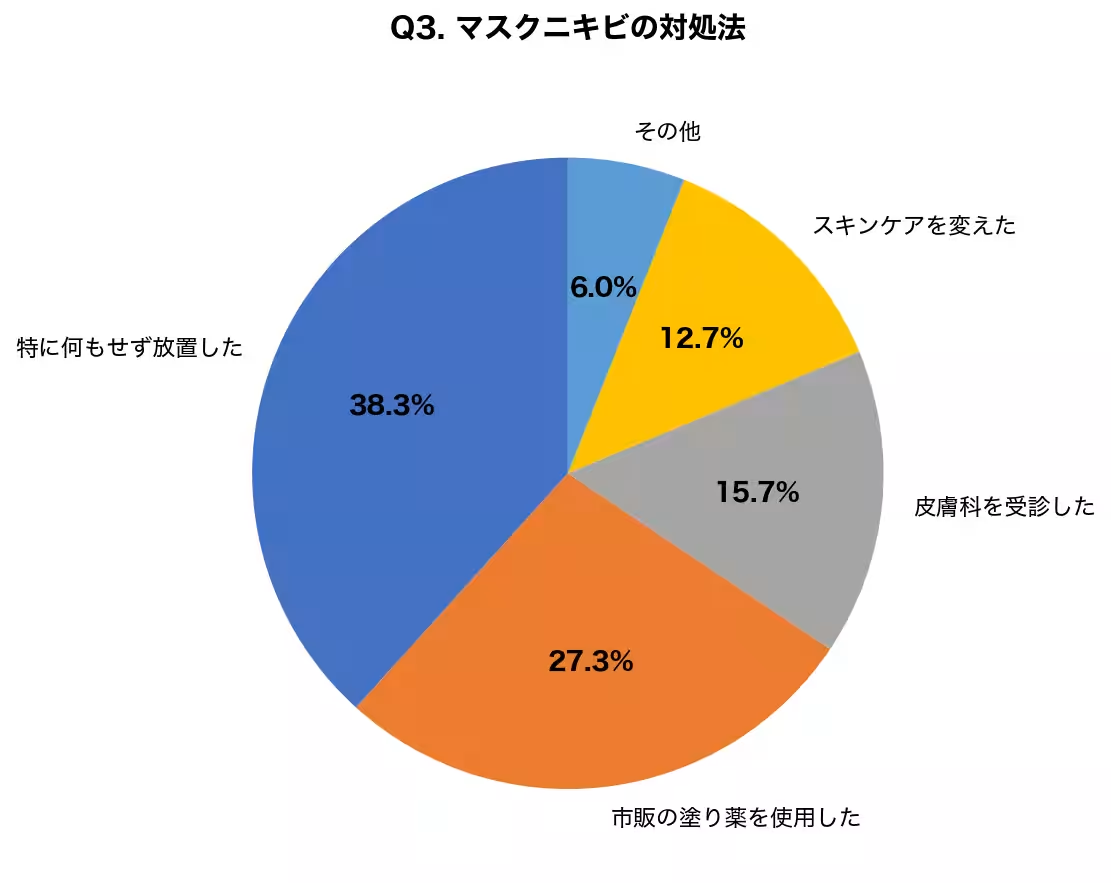
When faced with mask acne, the majority (38.3%) admitted to ignoring their symptoms rather than seeking professional help, with only 15.7% consulting dermatologists. Such decisions can exacerbate the condition, as seen in the survey where 83.7% mentioned their mask acne worsened due to neglect.
The Need for Prompt Dermatological Consultation
46% of respondents experienced more severe symptoms during the pollen season, primarily because prolonged mask usage due to allergy symptoms intensifies the frequency of irritating actions, like touching or adjusting the mask. Medical experts strongly advise early consultation with a dermatologist for those experiencing severe or persistent types of acne.
Conclusion
The data underscores the urgent need for increased awareness regarding mask acne and its effective prevention. With the pollening season fast approaching, proactive measures can significantly help in mitigating this uncomfortable condition. It’s vital for individuals to familiarize themselves with the proper knowledge of skincare to prevent mask acne from becoming a persistent issue. As emphasized by Dr. Kota Takakuwa, an experienced dermatologist at AO Clinic, proper awareness can lead to effective prevention and management of mask acne. Strategy and early intervention are the keys to overcoming this significant skincare challenge.
Topics Health)
【About Using Articles】
You can freely use the title and article content by linking to the page where the article is posted.
※ Images cannot be used.
【About Links】
Links are free to use.