



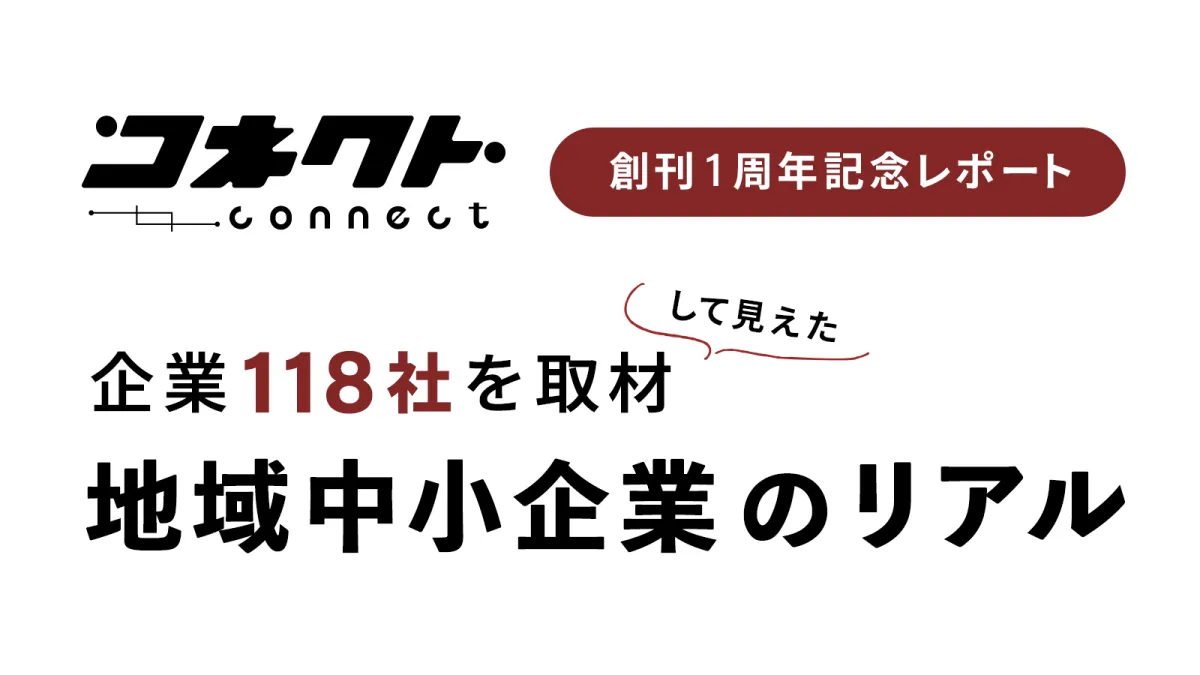
Examining the True Nature of Labor Shortages in Japan's SMEs: Insights from 118 Companies
Understanding Japan's Labor Shortages: Insights from 118 Companies
As Japan grapples with an ongoing labor shortage, it is critical to delve deeper than the surface-level narrative that simply states, "We can't hire anyone." In celebration of its first anniversary in March 2026, Kokopelli's web media platform, Connect, has compiled findings from interviews with 118 small and medium-sized enterprises (SMEs) across the nation. This report, published in three parts, seeks to unravel the complexities surrounding labor issues in the region's SMEs, with the first installment focusing specifically on labor shortages.
Key Findings from the Survey
The survey conducted from March 2025 to March 2026 targeted SME owners and managers, primarily from the Big Advance member companies, employing face-to-face and online interviews lasting from 60 to 90 minutes. The industries represented included food manufacturing, retail, caregiving, IT, and shipbuilding, showcasing a diverse array of challenges.
One of the most striking revelations from these interviews is that behind the apparent inability to hire lies a more systemic set of issues, categorized into three significant types:
1. Retention and Development Failures
- This type reflects a prevalent sentiment among business owners that training new hires yields minimal returns. An owner from a shipbuilding-related coating company noted, "Out of 100 individuals we train, only about 5 or 6 remain long-term. Even those who manage to develop their skills often leave for higher-paying, less labor-intensive jobs shortly after joining."
- Integrating new employees in manufacturing, especially in industries like shipbuilding where training can take 4 to 6 years, presents unique challenges. The effort and cost associated with nurturing inexperienced workers can be daunting; as highlighted by another entrepreneur, small companies often lack the resources to develop personnel adequately when they are struggling to manage daily operations themselves.
2. Shifting Values Among Younger Generations
- Another notable insight reveals a changing mentality among younger employees. A director from a food franchise chain remarked that there are almost no employees aspiring to be independent business owners anymore. Instead, younger workers prioritize stability and work-life balance. This generational shift has prompted some companies to adapt by increasing vacation days and offering a better-quality work environment. One young manager openly acknowledged this trend, stating, "Many in my age group lack clear goals about what they want."
- The need for companies to cultivate environments where open communication is encouraged was echoed throughout the interviews. As companies begin implementing structural changes to meet the evolving expectations of their workforce, a hopeful transformation may be underway.
3. Challenges in Integrating Foreign Talent
- Despite a growing reliance on international workers, many enterprises reported difficulties in translating this investment into successful employment outcomes. A business owner who hired foreign talent described challenges in communication and cultural integration, noting that language barriers often hindered productive engagement in the workplace. "Some didn’t even pass the Japanese language proficiency test N5 after three years, rendering them largely unassignable," they lamented.
- Complications arising from bureaucratic processes related to specific skills or training obligations further encumber the integration of foreign talent, indicating that merely filling positions is not enough to ensure effective workforce solutions.
Conclusion
Through these interviews, one crucial takeaway emerged: the term "labor shortage" misrepresents a multifaceted dilemma that varies significantly across industries, regions, and generations. Real solutions will require a recognition of the underlying issues of retention, development, and the evolving values of today’s workers. As Connect continues to present authentic voices from regional SMEs through this ongoing series, it hopes to surface the deeper realities that contribute to Japan's labor dynamics.
About Connect
Connect is a web media platform operated by Kokopelli, focusing on small and medium-sized enterprises in Japan. Celebrating its first anniversary in March 2026, Connect has conducted extensive interviews with CEOS and managers from 118 SMEs nationwide. The platform aims to provide authentic insights into the experiences and challenges faced by these businesses. For further details, visit Kokopelli and explore the services offered, including the Big Advance business support platform.
Topics Business Technology)

【About Using Articles】
You can freely use the title and article content by linking to the page where the article is posted.
※ Images cannot be used.
【About Links】
Links are free to use.