



Check Point Releases Latest Report on Cyber Threats Targeting Japan in 2025
Recent Trends in Cyber Threats Targeting Japan
Check Point Software Technologies, a global leader and pioneer in cyber security solutions, has recently unveiled its report titled "Cyber Threat Landscape for Japan". This comprehensive analysis forecasts the cyber threat landscape until 2025, focusing on the evolving risks that Japanese organizations could face.
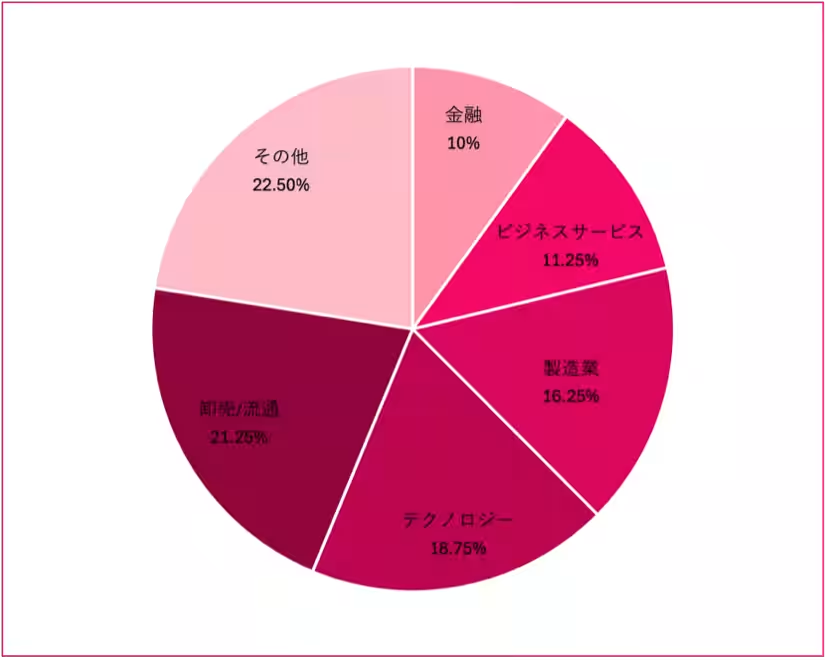
According to the findings from the report, the cyber threat environment in Japan for 2025 will primarily be shaped by three major factors: financial motivation behind targeted attacks, ideologically driven hacktivist campaigns, and sophisticated multi-layered assaults. Notably, ransomware incidents account for approximately 39.02% of the total incidents reported, with the retail, technology, and manufacturing sectors being the most targeted industries.
Key Insights from the Report
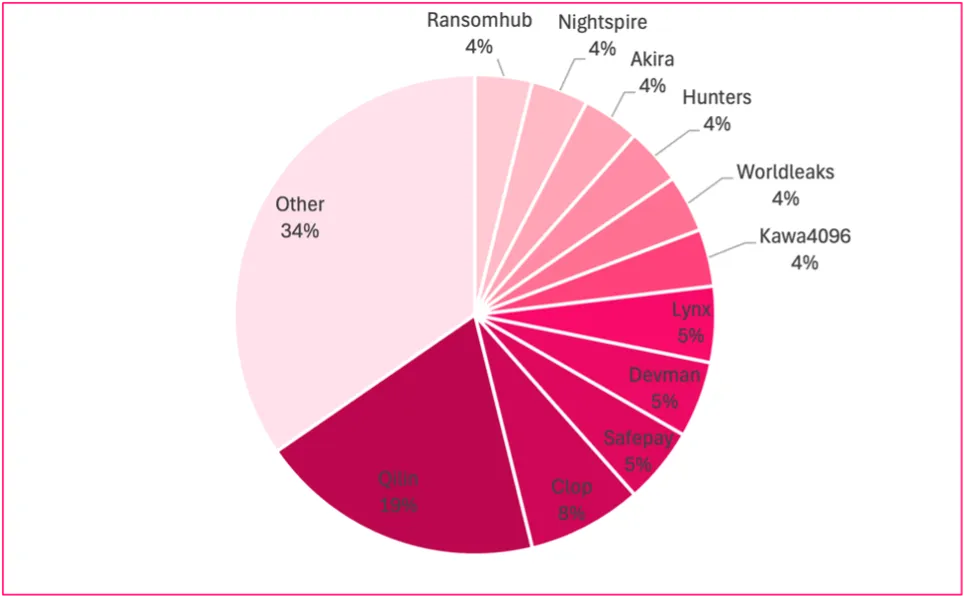
The report highlights how specific groups, notably Qilin and Cl0p, have emerged as primary players targeting supply chains within these industries. This revelation underscores the growing interdependence of sector supply chains and how attacks can result in widespread ramifications affecting not just individual entities but potentially their suppliers, partners, and customers—leading to significant operational and financial impacts.
System disruptions comprise about 47% of all incidents, with the primary drivers being organized hacktivist movements such as "#OpJapan". This campaign involves groups aligned with various ideological motives, including pro-Russian and pro-Kurdish factions. The attacks aim to create real-world operational disruptions rather than just financial gain, demonstrating a shift in attack motivations amidst increasing geopolitical tensions.
Given Japan's strengthening security ties with NATO and Western nations, it is anticipated that ransomware activities and hacktivist attacks will escalate further by 2026.
Ransomware Dominance
The dominance of ransomware in the cyber threat landscape for Japan is clear, with an estimated 80 ransomware attacks projected for 2025. This figure composes 39.02% of all observed attacks. Contributing groups like Qilin and Cl0p are noted for their concentrated assaults on the supply chain vendors of retail (21.25%), technology (18.75%), and manufacturing (16.25%) sectors. With a staggering 48% year-on-year increase in global ransomware activities, emerging groups such as DevMan, Kawa4096, NightSpire, and WorldLeaks have begun to target the Japanese market.
The Operational Impact of #OpJapan
The #OpJapan campaign’s activities account for nearly half of the incidents that caused disruptions in information systems, marking it as the most prevalent category of attacks for 2025. Many breaches were executed as part of organized DDoS attacks primarily aimed at sectors like entertainment, business services, transportation, and education-related fields. Groups such as NoName057, Hezi Rash, and Team Fearless have led such operations, focusing on operational chaos rather than monetary gain.
The Rise of Supply Chain Attacks
Supply chain attacks are rapidly becoming a significant threat, especially highlighted by ransomware incidents targeting major players within Japan’s food and beverage industry and e-commerce sector throughout 2025. These incidents exemplify how single security breaches can lead to cascading consequences for multiple downstream organizations. Business services (14.15%), retail (13.17%), and manufacturing (10.24%) sectors are identified as the primary targets of these attacks, emphasizing the attackers’ focus on industries that are the backbone of economic activity and global supply chains.
Recommendations for Security Leaders
As Japanese organizations face relentless cyber attacks, Check Point Exposure Management recommends several measures to mitigate risks and strengthen overall security posture:
1. Implementation of Proactive Vulnerability Management Programs: Conduct regular security audits, rapid patch management, penetration testing, and targeted assessments to address exploitable vulnerabilities actively.
2. Enhancing Employee Security Awareness and Training against Social Engineering: Given the spike in AI-assisted fraud, organizations are encouraged to implement practical phishing simulations and educate employees on identifying deepfakes and impersonation scams across financial and identification requests.
3. Continuous Threat Intelligence Enhancement: Utilize Check Point’s Threat Landscape Module to keep updated with industry-specific and regional threat intelligence, allowing timely adjustments to defenses and proactive risk reduction.
Suga Fuminobu, the President of Check Point's Japan branch, emphasized the critical juncture at which Japanese organizations currently stand. With ransomware attacks on the rise and campaigns like #OpJapan targeting key infrastructures repeatedly, the threats are becoming increasingly sophisticated due to evolving AI capabilities. He urged the necessity for organizations to visualize risks in real-time and to protect against escalating threats to ensure business continuity and enhance innovative capacities through robust security measures.
Conclusion
Check Point’s latest report reflects the urgent need for heightened awareness and preparedness in combating cyber threats in Japan. With the future landscape predicted to become even more volatile, businesses must prioritize cybersecurity as a core strategy rather than merely an IT concern. Download the complete report to gain further insights on protecting your organization effectively.
Upcoming Event
During the "Interop Tokyo 2026" in June, Guy Almog, a lead researcher at Check Point Exposure Management and author of this report, will present findings regarding Japan's cyber threat landscape. For more details and registration, please refer to the official sources.
For further assistance in navigating the complexities of cyber threats, visit Check Point.
Topics Other)



【About Using Articles】
You can freely use the title and article content by linking to the page where the article is posted.
※ Images cannot be used.
【About Links】
Links are free to use.