



Latest 2026 Study Reveals Key Factors in Choosing Underarm Odor Treatments
Key Findings from the 2026 Study on Axillary Odor Treatments
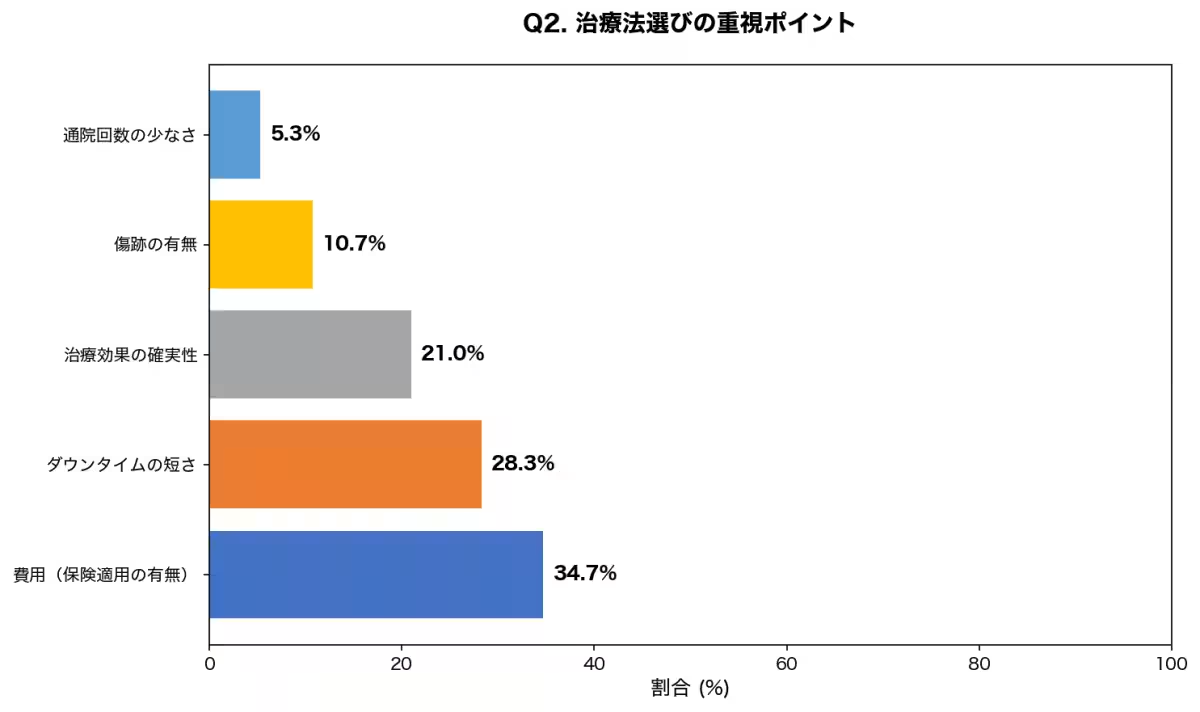
A recent 2026 survey conducted on 300 individuals who have undergone treatment for axillary odor (also known as hyperhidrosis) presents insightful data regarding their choices of treatment methods. From the findings, it is clear that factors such as cost and recovery time heavily influence the decision-making process for those seeking solutions for this often-embarrassing condition.
Introduction to the Study
The survey aimed to gather experiences and opinions regarding treatment choices among men and women aged 20 to 50 who were either considering treatment or had undergone treatment within the past three years. The study highlights crucial information to aid prospective patients in selecting the right treatment based on their condition.
Cost and Effectiveness of Treatments
Of significant note is that 87% of individuals who opted for the surgical method known as Sencuho emphasized the importance of costs associated with the procedure, stating it only amounts to 40,000 - 50,000 yen when insurance is applicable. Conversely, 92% of those who chose Miradry centered their priority on minimizing downtime, recognizing that it only requires 2 to 3 days for recovery, compared to the 2 to 3 weeks for Sencuho.
Treatment Satisfaction Levels
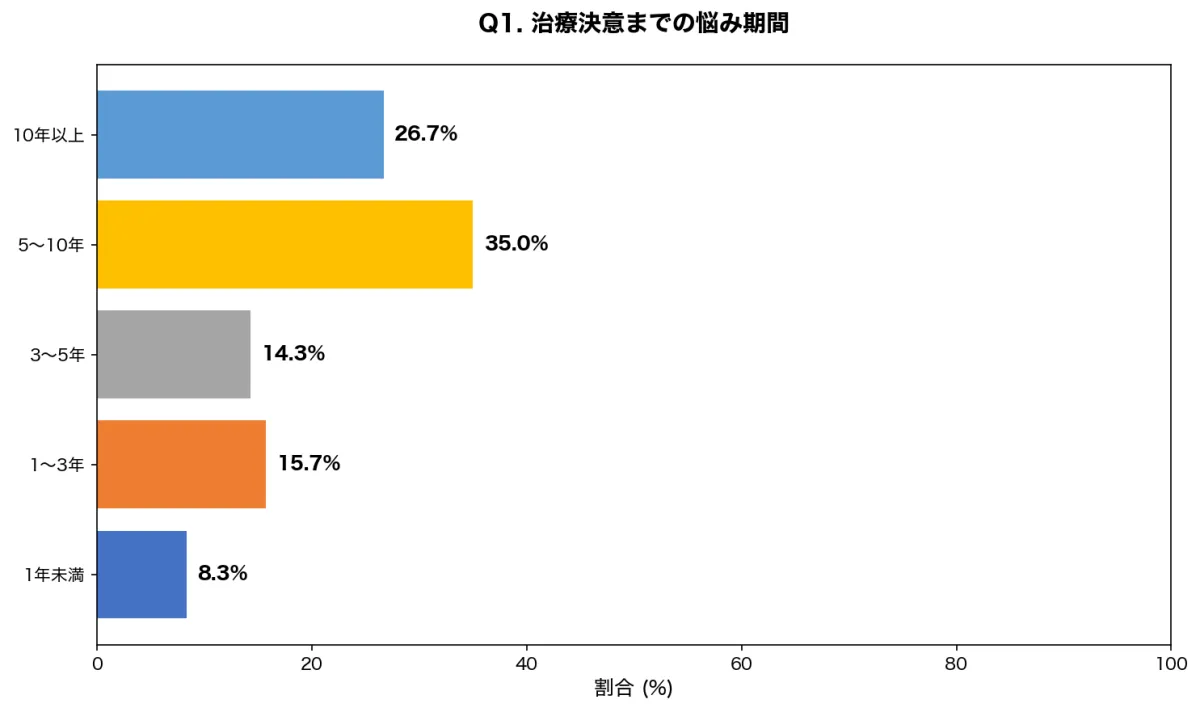
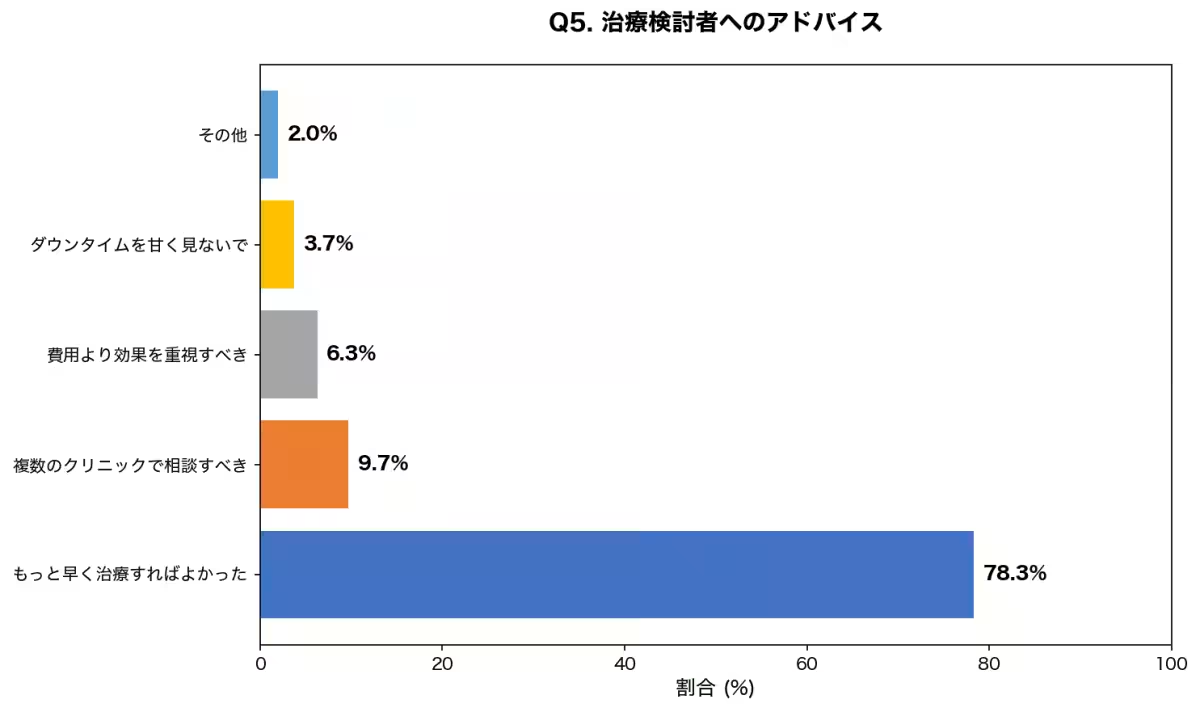
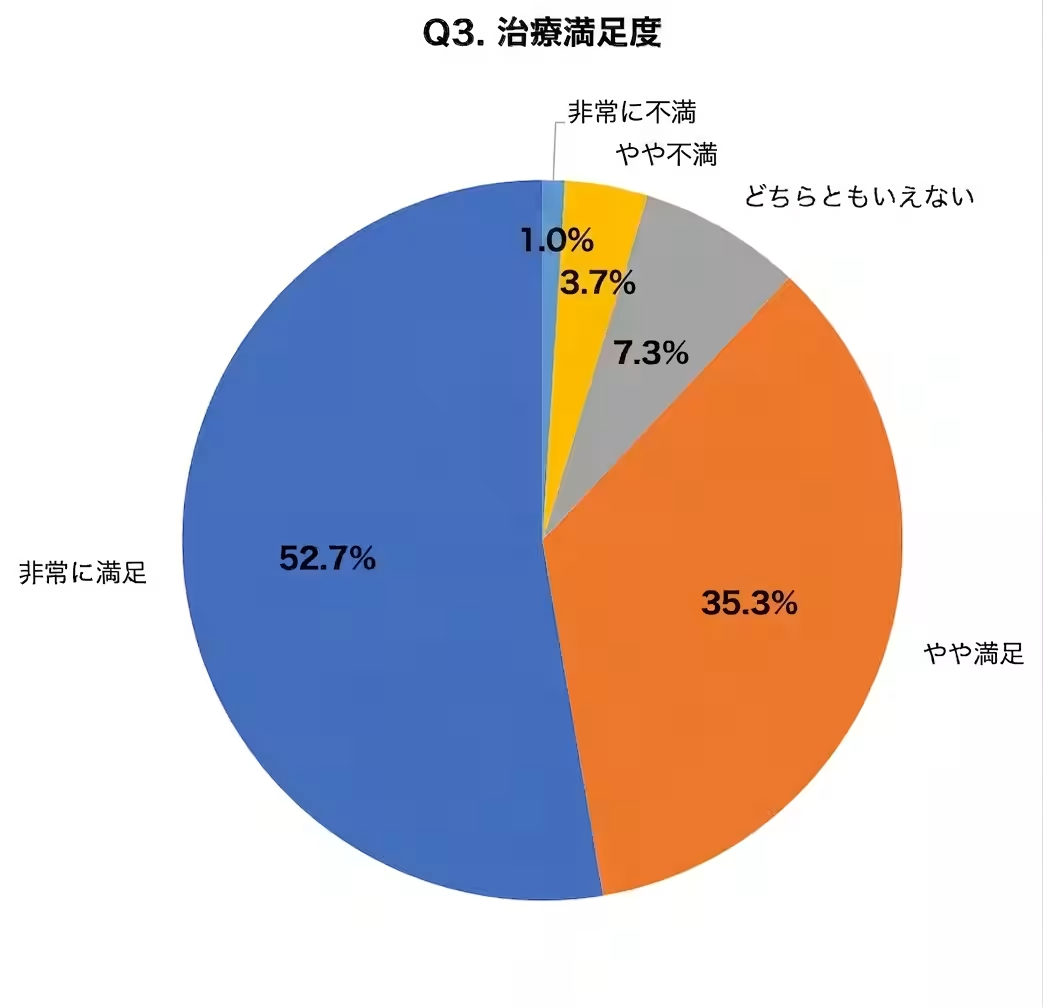
Participants expressed general satisfaction with their treatment outcomes, with an impressive 94.3% satisfaction rate reported among Sencuho patients. In comparison, those treated with Miradry and another method, Byu-Hot, reported satisfaction rates of 89.7% and 86.4%, respectively. Notably, 78.3% of treatment experience respondents indicated that they regretted not seeking treatment sooner, highlighting a common sentiment of prolonged suffering prior to treatment.
Comparative Review of Treatment Methods
To facilitate informed decision-making, let's take a closer look at the three primary treatment options: Sencuho, Miradry, and Byu-Hot, breaking down their advantages and potential risks.
| Method | Sencuho | Miradry | Byu-Hot |
|---|---|---|---|
| ---- | ------ | ------ | ------- |
| Treatment | Surgical removal | Microwave-assisted | Radio Frequency Energy |
| Efficacy | 90-95% sweat gland removal | 70-80% sweat gland removal | 65-75% sweat gland removal |
| Cost | 40,000-50,000 yen | 300,000-400,000 yen | 250,000-350,000 yen |
| Downtime | 2-3 weeks | 2-3 days | 1-2 days |
| Patient Visits | 3-5 visits | 1-2 visits | 1-2 visits |
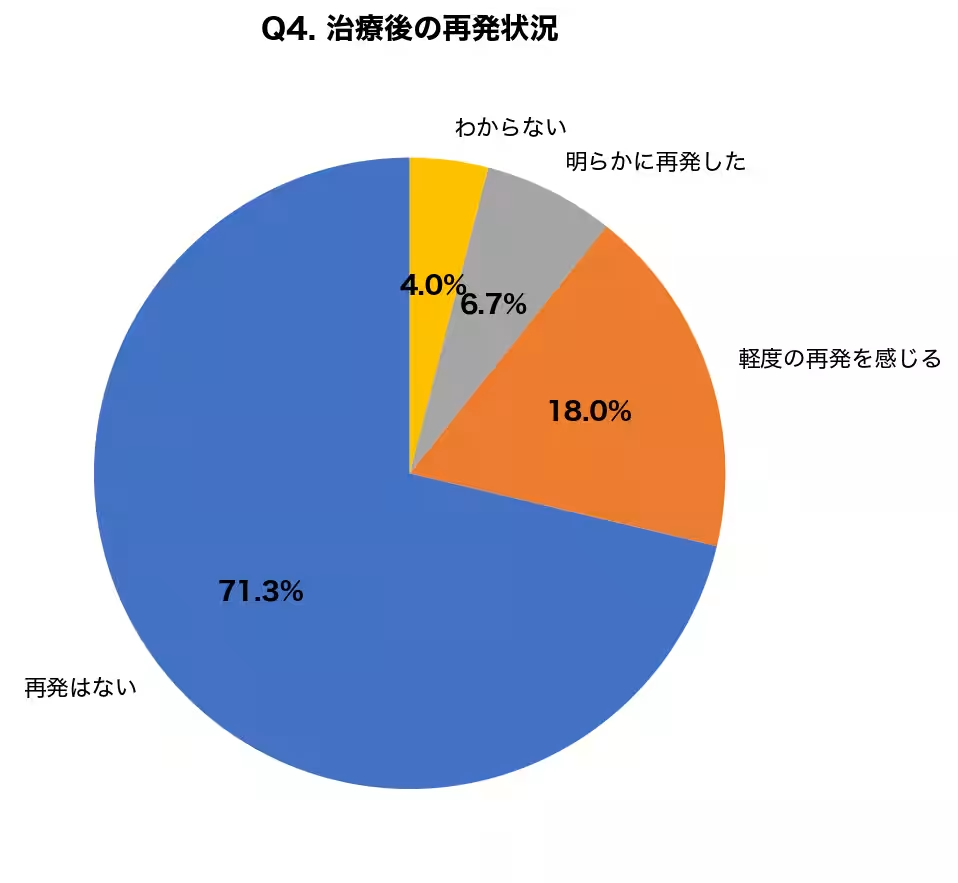
| Recurrence | 5.2% reoccurrence rate | 15-20% reoccurrence rate | 20-25% reoccurrence rate |
Detailed Analysis
- - Sencuho: This surgical approach involves directly removing the apocrine glands through a small incision, offering clear advantages in terms of long-lasting results. Moreover, it is the most cost-effective option when covered by insurance. However, patients must be prepared for significant downtime and potential scarring.
- - Miradry: This non-invasive technique uses electromagnetic waves to destroy the sweat glands without surgical incisions, resulting in minimal recovery time. While its costs are higher, it is ideal for patients looking to avoid surgery.
- - Byu-Hot: Similar to Miradry, this method uses RF energy but is known for its ability to finely adjust penetration depth, making it suitable for those particularly sensitive to discomfort.
Recap of Findings
In conclusion, the marked difference in recurrence rates underlines the importance of choosing the right treatment according to one's severity of condition and personal preferences regarding recovery timings and costs. Medical professionals recommend that patients must evaluate their symptoms in coordination with experienced clinicians to find the best-suited treatment method.
Final Thoughts
Dr. Kōta Takakuwa from I.C. Clinic emphasizes that the choice of treatment should align closely with the patient's lifestyle and the severity of their symptoms. Early intervention can significantly impact recovery and overall satisfaction levels. The continual quest for knowledge and resources is essential for individuals grappling with axillary odor, making this research an important asset for informed decision-making in divining the best treatment pathway.
Patients are encouraged to consult specialized clinics for personalized evaluations and find the most effective solutions for their unique circumstances.
Topics Health)
【About Using Articles】
You can freely use the title and article content by linking to the page where the article is posted.
※ Images cannot be used.
【About Links】
Links are free to use.