




Understanding Housing Choices for Seniors: A Comprehensive Study by At Home
Understanding Housing Choices for Seniors
In the quest for suitable living arrangements, senior citizens face unique challenges, especially those aged 65 and above who have moved to rental properties in the past two years. A recent survey conducted by At Home, a real estate information service based in Tokyo, sheds light on their housing needs and preferences. This comprehensive research targets seniors who actively sought new accommodations, offering valuable insights into their motivations, methods of searching for homes, and the challenges encountered during the process.
Key Findings of the Survey
Lifestyle Considerations
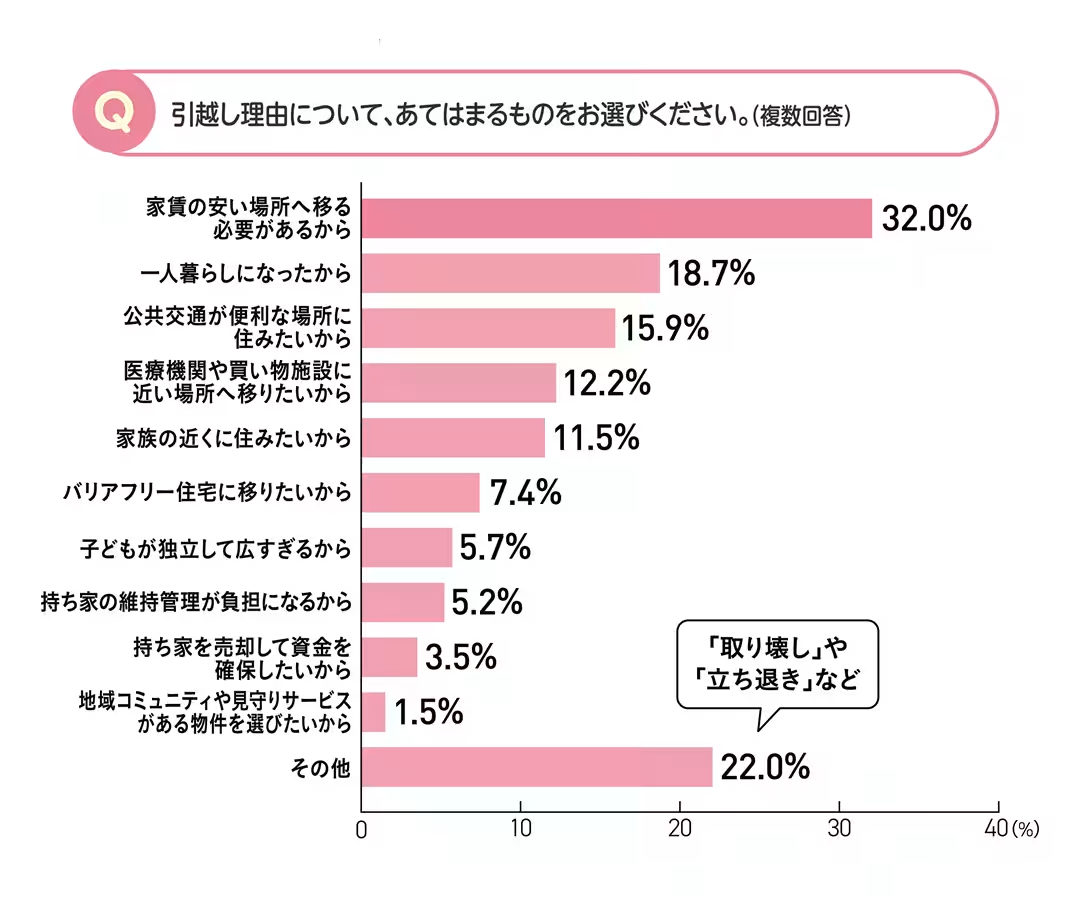
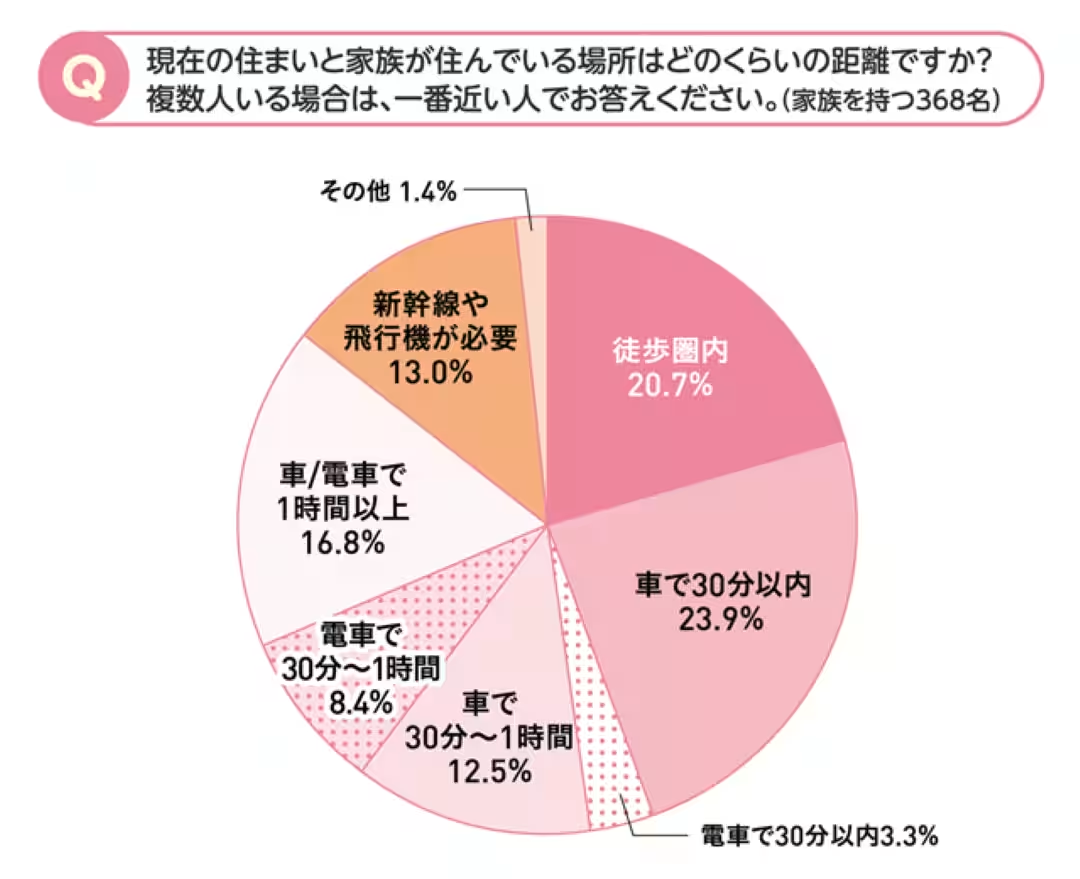
The survey indicates that a substantial 32% of seniors cite the need to move to more affordable housing as their primary reason for relocation. This economic concern is further underscored by the fact that 18.7% of respondents mentioned transitioning to single living situations as a driving factor. Additionally, close proximity to family is a common theme; nearly 21% live within walking distance, while about 24% reside within a thirty-minute drive, reflecting a desire for ease of contact with loved ones.
How Seniors Search for Homes
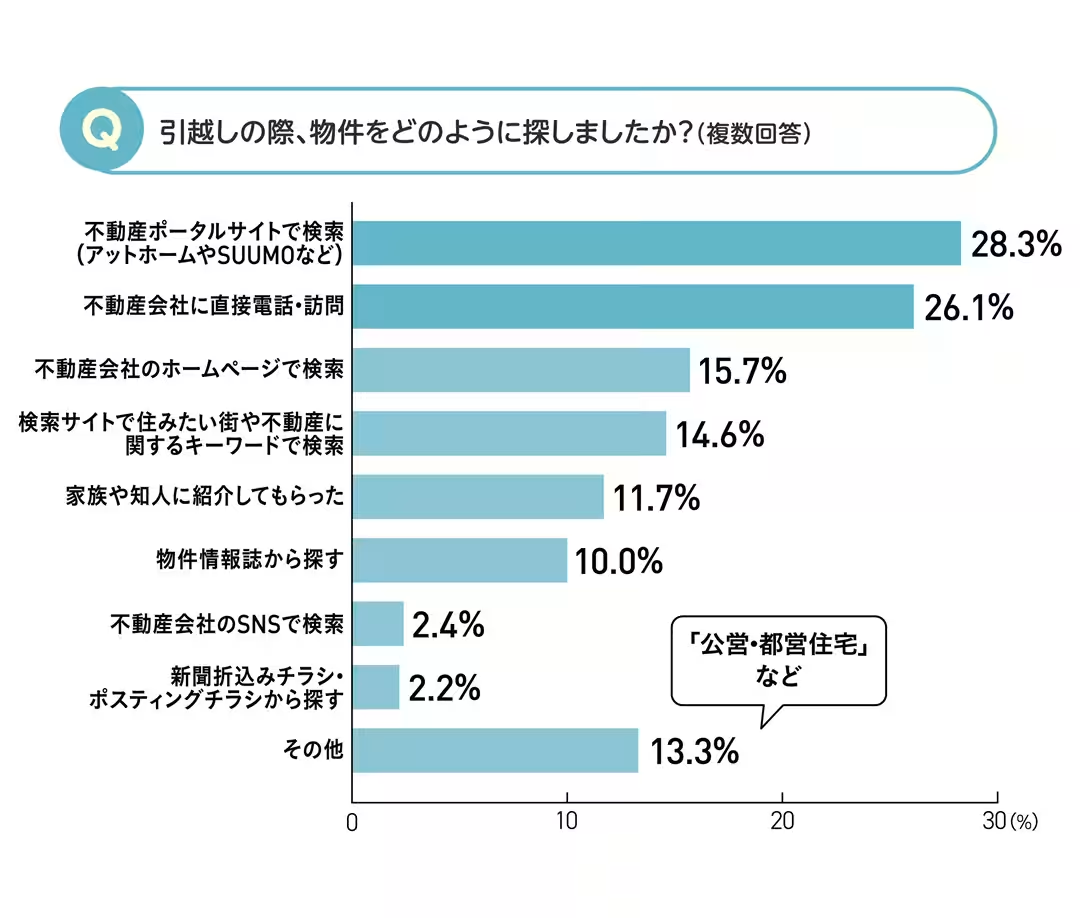
When it comes to the methods employed for finding suitable homes, approximately 28% of seniors reported using real estate portal sites, while about 26% preferred direct communication with real estate agencies through phone calls or visits. This trend signifies a dual approach, where the convenience of online searches coexists with the preference for face-to-face consultations, highlighting the importance of personal interaction in the housing search.
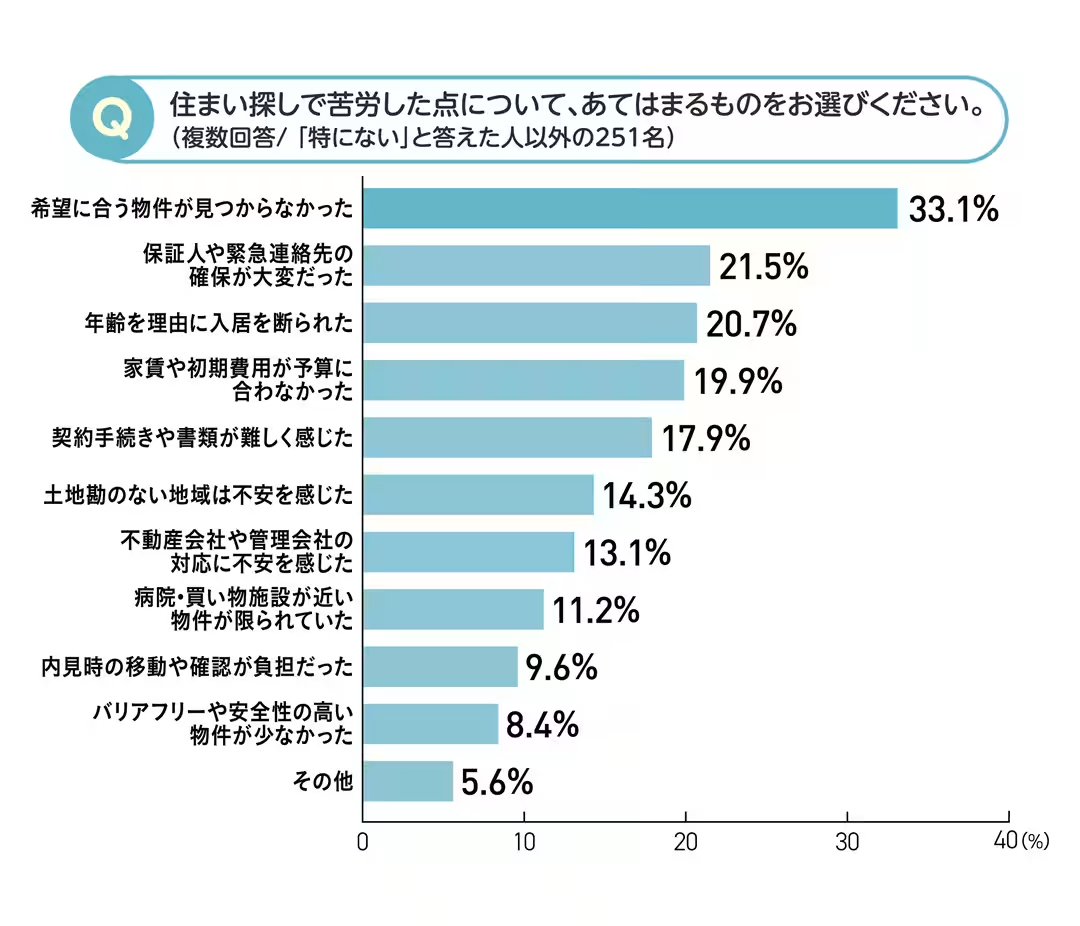
Despite these varied methods, many seniors faced difficulties during their search. The primary challenge, reported by a significant number of respondents, was the inability to find properties that met their needs. Other obstacles included the complexities of securing guarantors or emergency contacts, as well as being denied rental applications due to age-related factors.
Expectations from Real Estate Companies
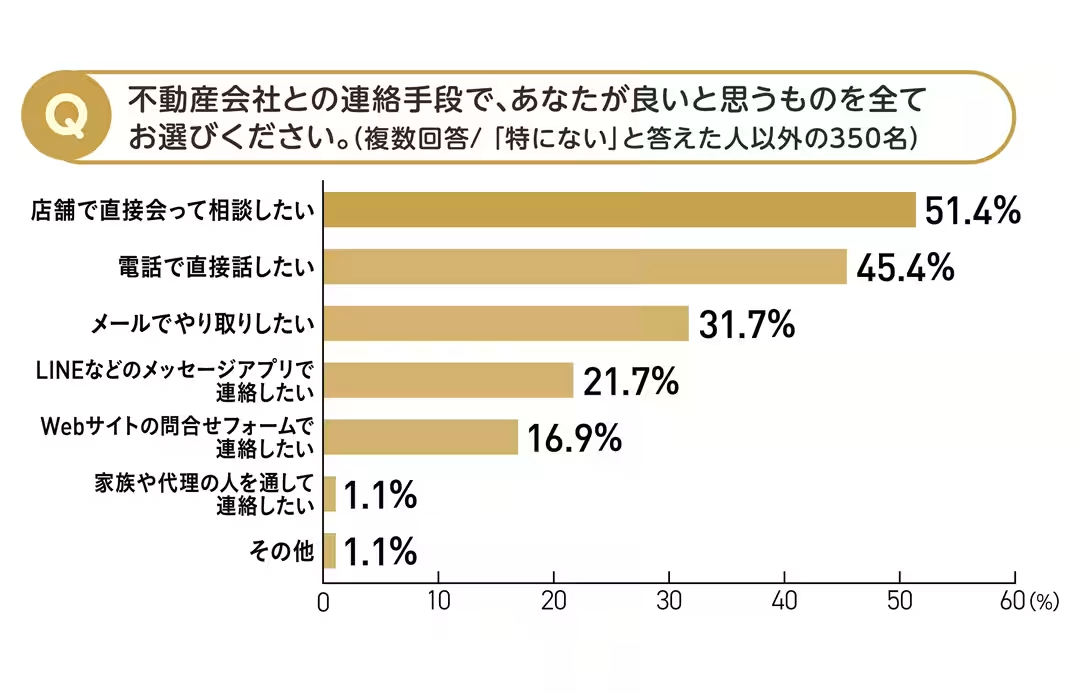
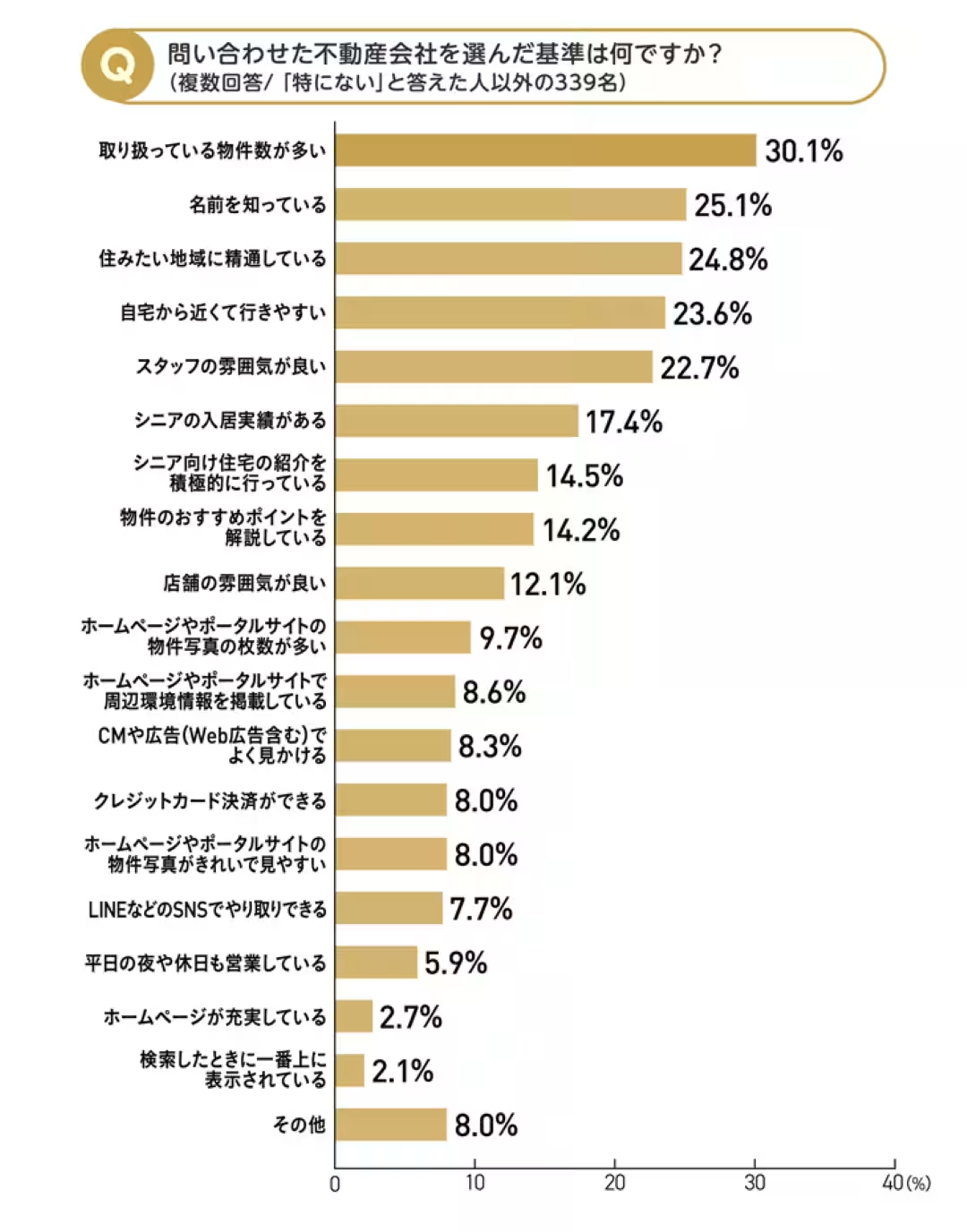
When selecting real estate agencies, 30% of participants prioritized the availability of a broad selection of properties, reflecting a preference for agencies with diverse listings. Furthermore, the survey highlighted that about 50% of seniors preferred in-person consultations at real estate offices, underlining a clear preference for direct communication.
End-of-Life Planning and Safety Measures
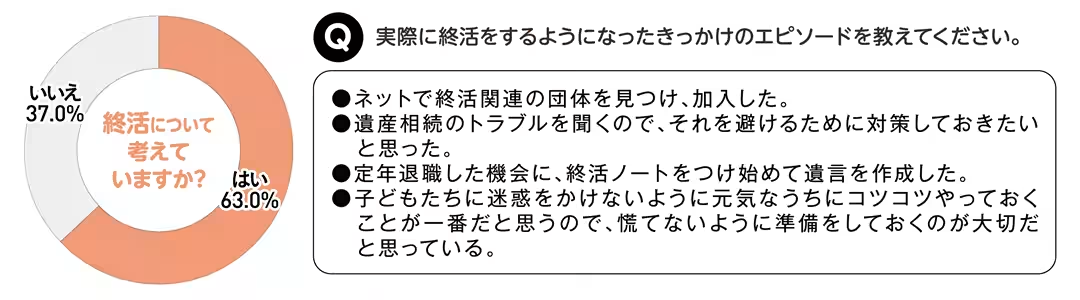
Interestingly, around 60% of respondents indicated that they have considered end-of-life planning, spurred by a variety of concerns ranging from inheritance disputes to simply preparing for future uncertainties. Many shared that they began documenting their wishes or drafting wills during significant life changes, such as retirement.
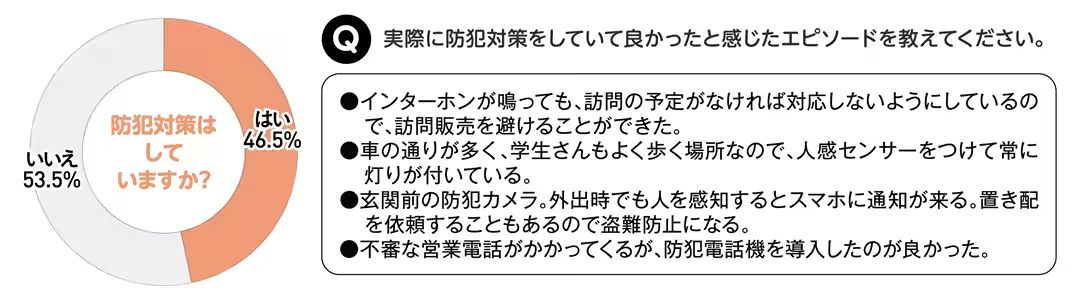
Moreover, half of the participants reported having implemented safety measures in their homes, such as motion sensors that keep lights activated. Feedback from seniors emphasized the peace of mind that these precautions bring in busy areas frequented by pedestrians, effectively enhancing their sense of security.
Conclusion
This insightful survey conducted by At Home unveils the multifaceted considerations seniors face when relocating to rental properties. From concerns about affordability to the importance of familial proximity, and the struggles of finding suitable housing, the findings serve as a crucial resource for both real estate professionals and families navigating these transitions. At Home remains committed to understanding housing trends and continuing research in this vital demographic, reflecting their dedication to enhancing senior living experiences.
For more detailed information about the survey and future studies, interested parties are encouraged to reach out directly to At Home.

Topics Consumer Products & Retail)



【About Using Articles】
You can freely use the title and article content by linking to the page where the article is posted.
※ Images cannot be used.
【About Links】
Links are free to use.