



Okayama University Strengthens International Exchange Through Educational Development in Indonesia
Okayama University Enhances Global Learning Experience
Okayama University, located in Okayama City, conducted an overseas training program called the "International Challenge" in Makassar, Indonesia, from February 13 to 23, 2026. This initiative is part of the university's ongoing commitment to educational collaborations centered around Education for Sustainable Development (ESD). After a successful program last year, this year marks the second iteration of this international exchange.
The central aim of this program is to cultivate individuals who can co-create the future of both local communities and the planet, aligning with Okayama University's mission of generating social impact through internationalization. Furthermore, this program synergizes with the Mimasaka-Makassar Cities' Carbon Neutral Promotion Project, demonstrating the deepening bond between the two regions through university collaboration as well as intermunicipal connections.
The training program is structured into three phases: pre-departure learning in Japan, on-site activities in Indonesia, and a reflection phase after returning. During the pre-departure phase in Mimasaka City, students explored advanced examples of biomass power generation and the conversion of organic waste into electricity and liquid fertilizer. They also learned about waste separation and resource circulation initiatives, which equipped them with knowledge applicable to their engagement in Indonesia.
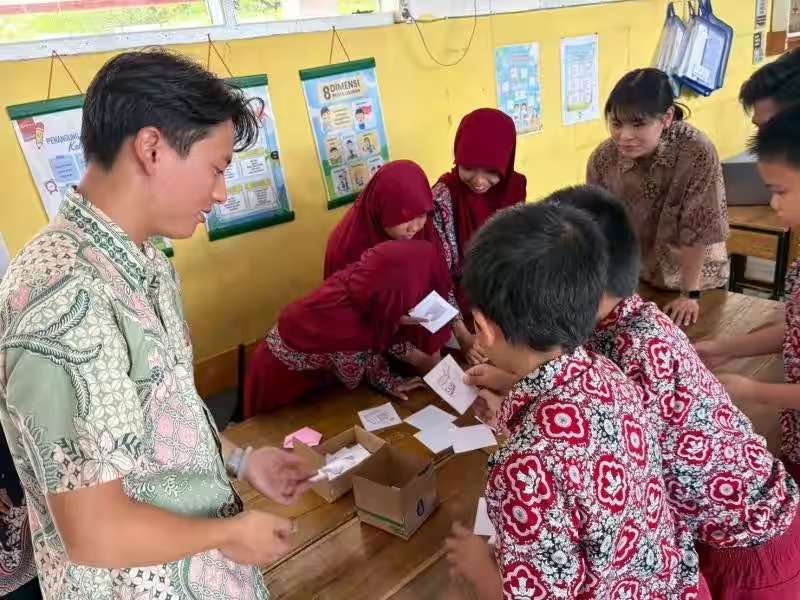
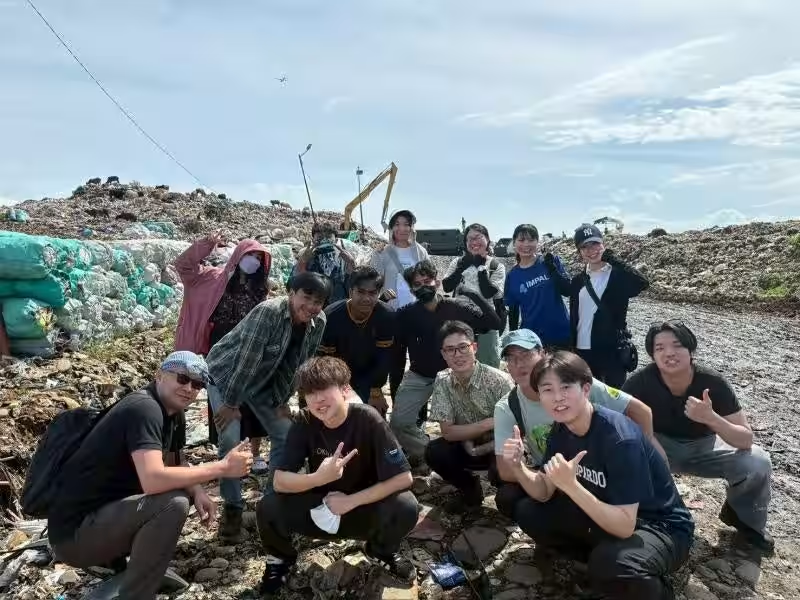
A total of 30 students participated: 10 from Okayama University, along with 10 students from Hassanuddin University and another 10 from Makassar National University. Together, they formed mixed teams to work collaboratively on various practical projects addressing waste issues. Activities included fieldwork in waste management locations and slum areas, creating educational games for waste sorting, and delivering lessons at local elementary schools. They also co-created compost systems to promote practical learning and generate social impact through initiatives beneficial to the local community.
Moreover, students engaged with local life and culture through homestays, which enriched their multicultural exchange experience. Through dialogues and collaborations with diverse peers, they encountered various values and sought solutions to social issues from a global perspective.
After returning to Japan, students reflected on their experiences and shared what they learned. The educational faculty at Okayama University aims to continue to broaden opportunities for multicultural collaboration while fostering international learning and social practice under the vision of "Toward 2035."
The program, launched under the auspices of Okayama University, was publicly disclosed on March 18, 2026, highlighting the institution's commitment to nurturing globally-conscious individuals ready to tackle local and global challenges.
Student Presentations and Collaborative Activities
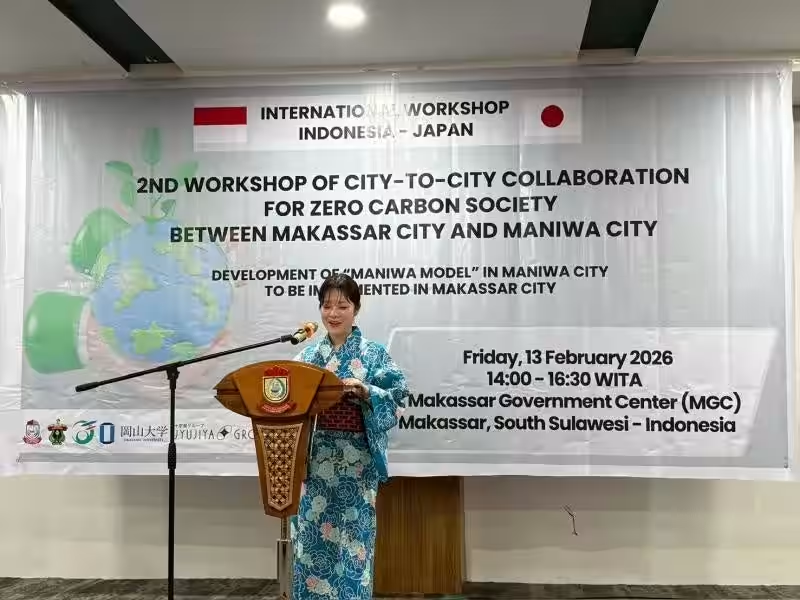
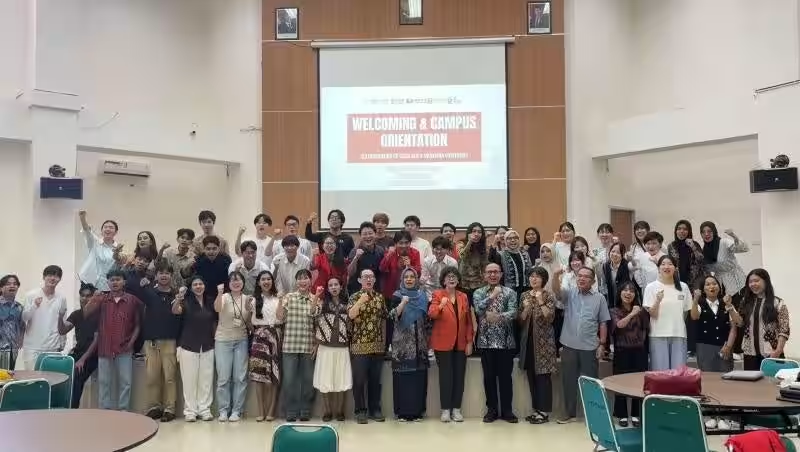
- - Student Presentations: During the intercity collaboration symposium, students shared their experiences of conducting waste sorting lessons in local schools, showcasing their practical involvement in environmental education.
- - Fieldwork: Students also participated in fieldwork initiatives in waste disposal sites and slum regions, introducing innovative strategies for community engagement.
Conclusion
Okayama University’s international programs not only foster educational growth but also aim to create meaningful social impacts, reinforcing the importance of global perspectives in addressing local issues. Through initiatives like the International Challenge, the university exemplifies its dedication to sustainable development and international cooperation, making strides towards a better future for both communities involved.
With continued support from local and international partners, Okayama University is set to enhance its role as a leader in educational innovation focused on social responsibility and sustainability.
Topics Other)





【About Using Articles】
You can freely use the title and article content by linking to the page where the article is posted.
※ Images cannot be used.
【About Links】
Links are free to use.