



Shifting Trends in the Beauty Market: Insights from 3,000 Women Aged 20 to 40
Introduction
In the ever-evolving world of beauty, new insights into purchasing behaviors reveal profound shifts among women aged 20 to 40. A survey conducted by Chocobra Research aimed to analyze factors influencing the selection and purchasing processes in the beauty market among 3,000 women across these age groups.
Key Findings
The Role of Social Media
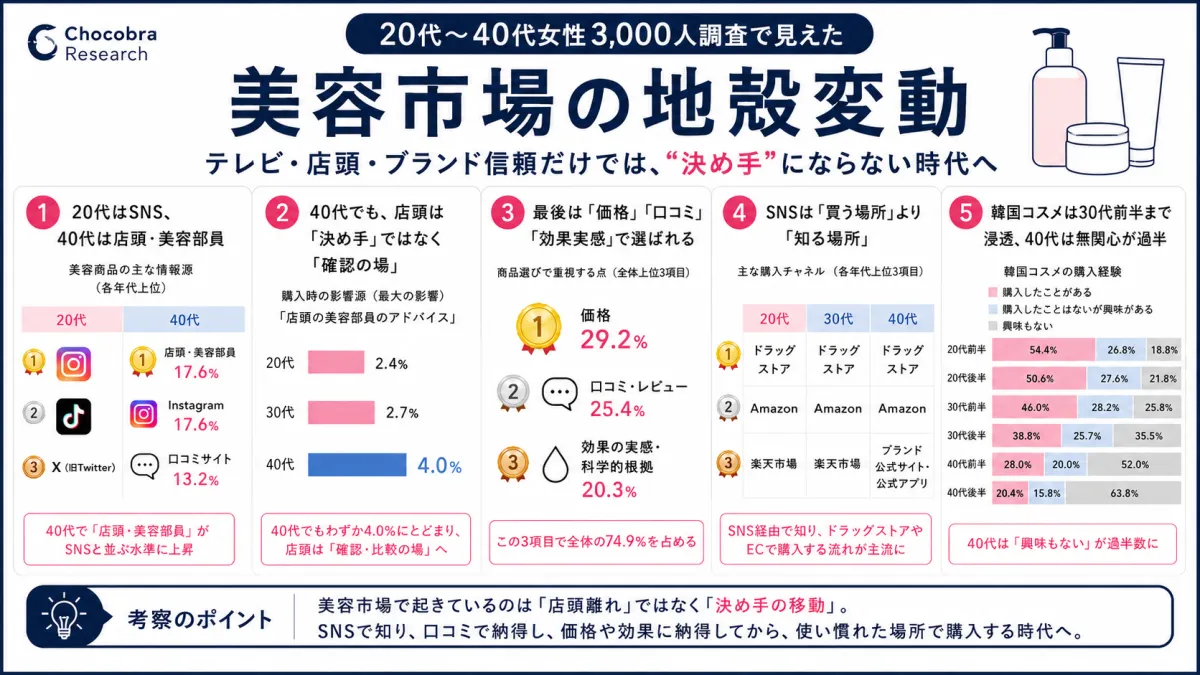
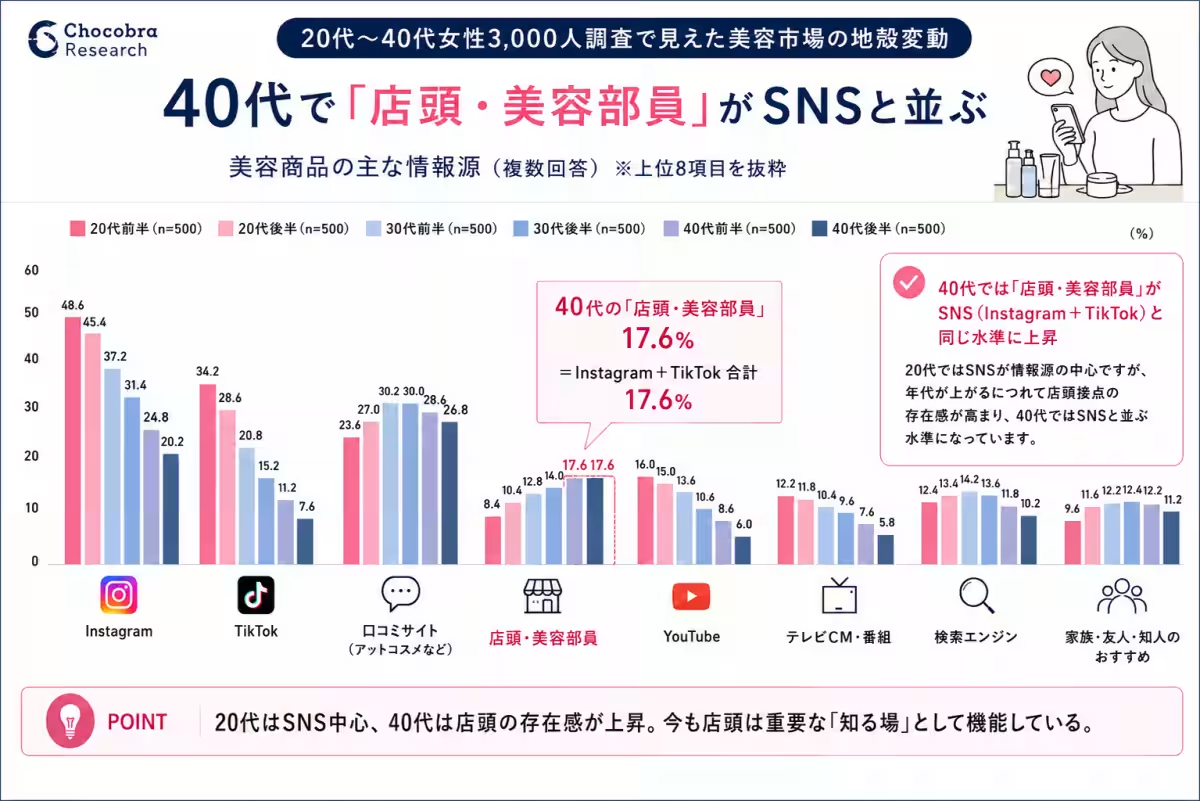
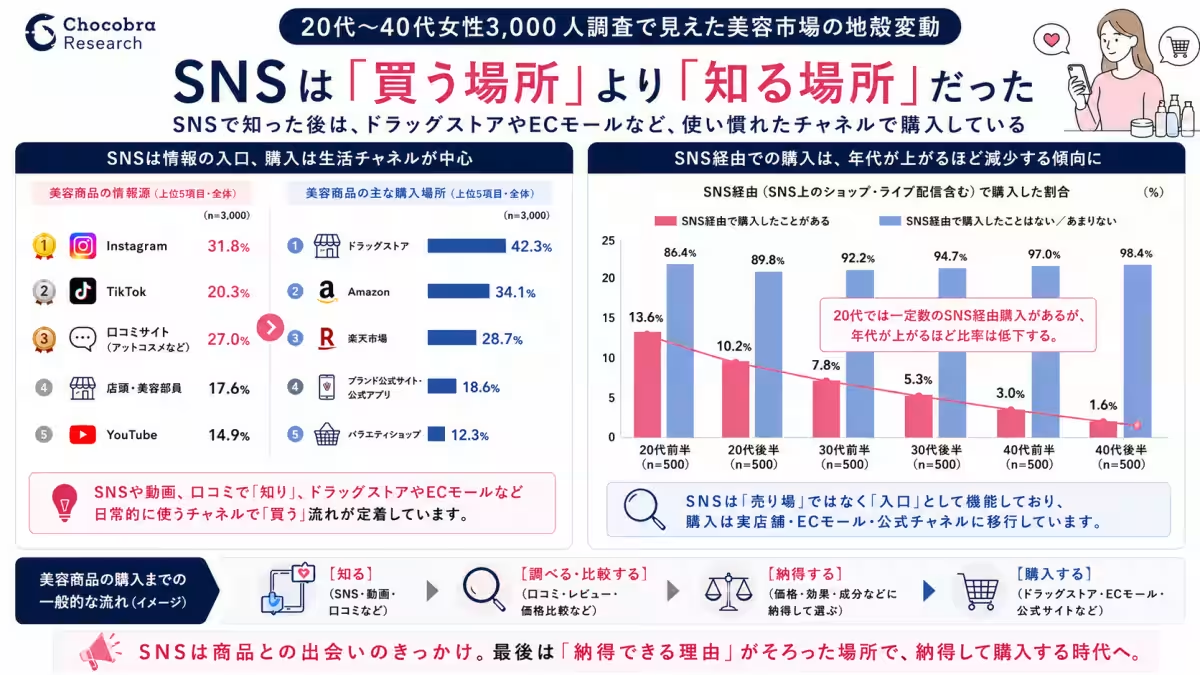
For women in their 20s, social media platforms such as Instagram and TikTok are becoming pivotal gateways to discovering beauty products. This trend highlights how younger generations leverage social networks as primary sources for beauty information and recommendations. It demonstrates a considerable deviation from previous purchasing behaviors, where television advertisements and in-store beauty advisors played a dominant role.
Increasing Significance of In-Store Advisors for Older Generations
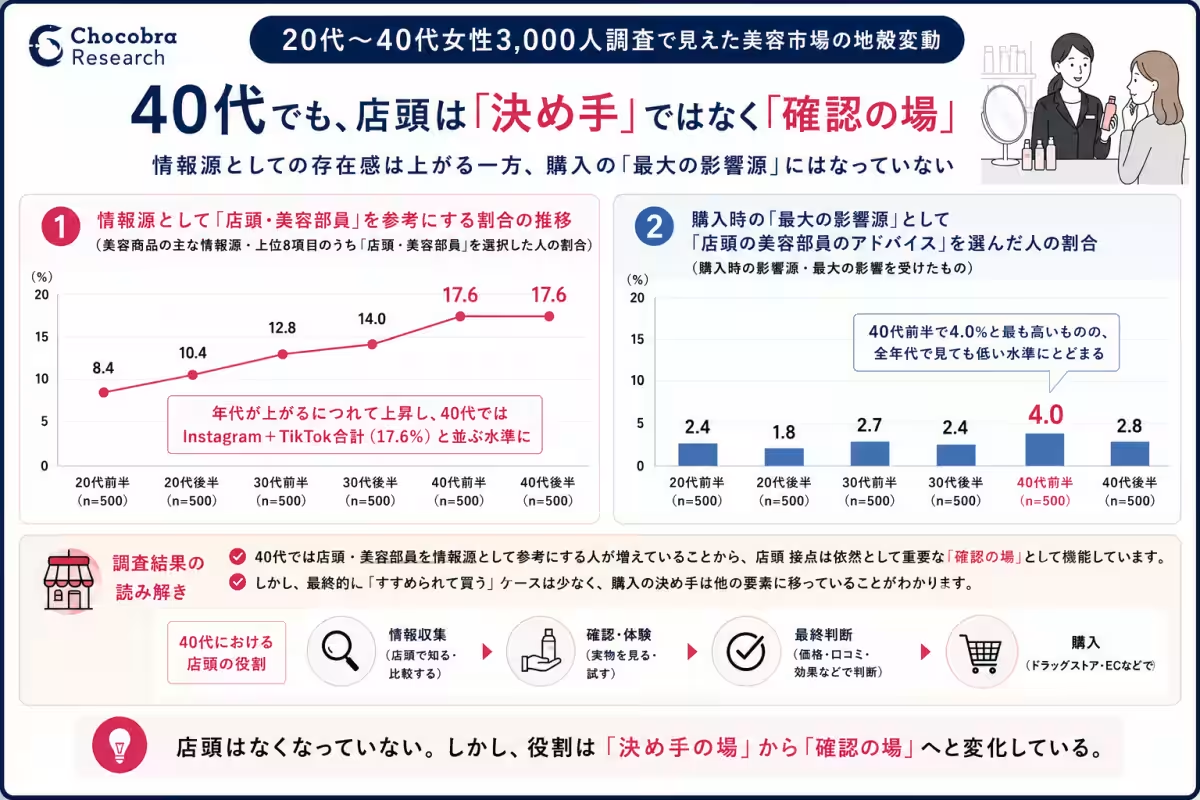
For women in their 40s, the influence of in-store beauty advisors and the physical retail environment is on the rise. According to the survey, 17.6% of respondents in this age group cited these sources as their primary means for acquiring information about beauty products, matching the impact of social media among younger cohorts.
However, only 4% of respondents indicated that advice from beauty advisors significantly influenced their purchase decisions, which suggests that while the presence of in-store guidance is noted, it is not the sole deciding factor in a purchase.
The Decision-Making Process
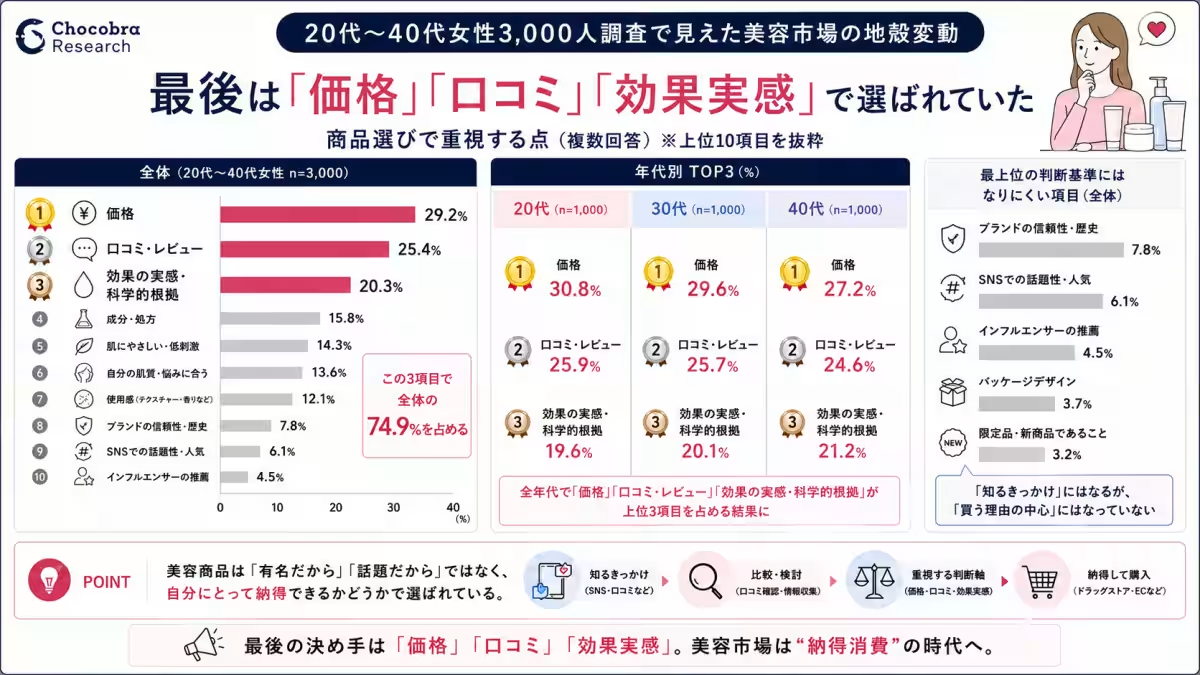
Across all age groups, key determinants in the selection process include price, product reviews, and perceived effectiveness. Together, these three elements encapsulated 74.9% of the decision criteria, overshadowing traditional influences such as brand trust and popularity on social media. This data reveals that consumers are prioritizing tangible, realistic assessments of products over mere brand recognition or influencer endorsements.
The Role of Korean Beauty Products
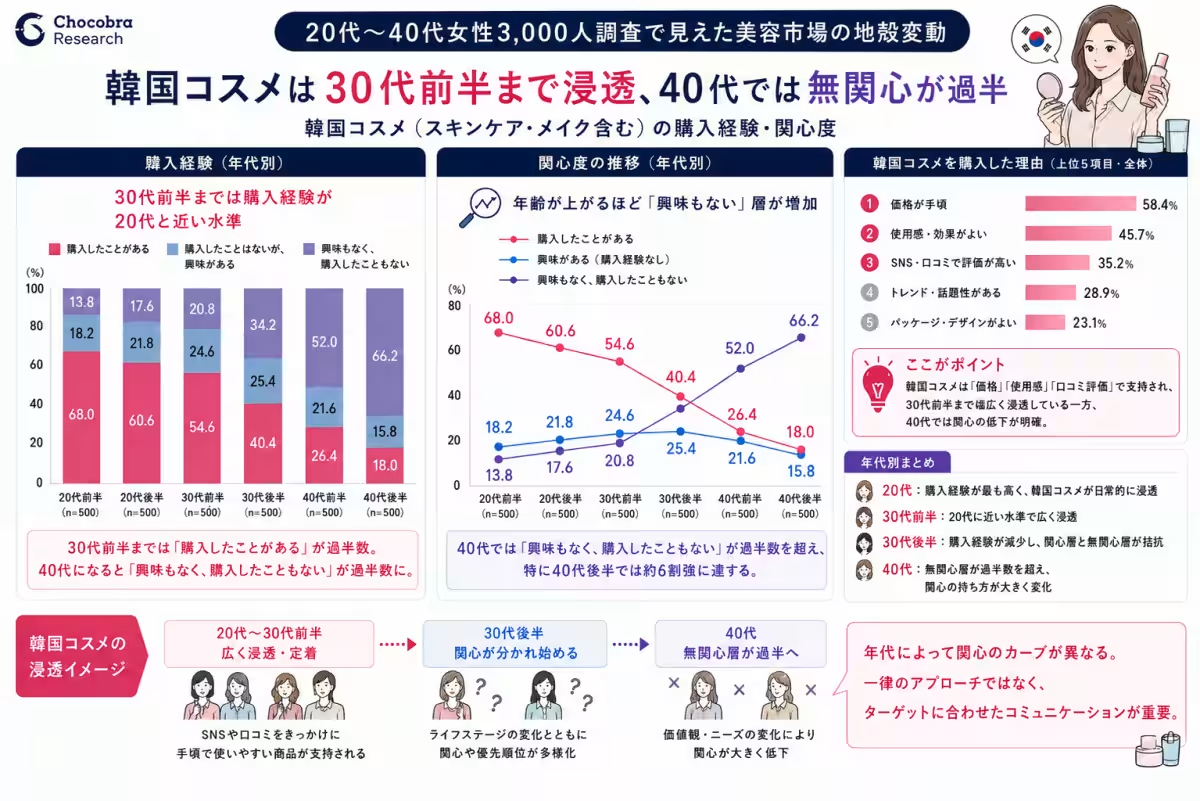
Korean cosmetics have gained notable traction among women up to their early 30s; however, among those in their 40s, interest has considerably waned, with more than half expressing indifference toward these products. This disparity underscores a generational gap in appreciation for K-beauty, emphasizing the youth-centric nature of its appeal.
Consumer Behavior Shifts
The findings suggest that the beauty market is witnessing a shift not from physical stores disappearing but from established decision-making criteria moving towards different factors. Previously, consumers might have relied on brand history or in-store engagement; current patterns indicate a movement towards independent research and evaluation via social media and online reviews.
The survey results indicate a key challenge for established brands that have historically relied on traditional methods of engagement such as advertisements and direct sales. As millennials and Gen Z consumers age, their purchasing patterns may not naturally evolve into the traditional retail behaviors associated with older generations;
rather, brands must adapt to the changing landscape by finding effective ways to engage with consumers across both digital and physical realms.
Conclusion
The dynamics of the beauty market are rapidly evolving. As evidenced by the survey results, brands must recalibrate their strategies in reaching out to women in the 20 to 40 age range. Establishing connections based on social media engagement, effective use of reviews, and a deep understanding of pricing perceptions will be essential to thrive in this competitive landscape. The insights gained signal a critical transition—from a “see and buy” model to one where investigation and conviction precede purchases, marking a profound shift in how beauty products are marketed and sold.
By delving into the needs and preferences of these consumers, both established and emerging brands have the opportunity to adjust their approaches, ensuring they remain relevant in a changing marketplace.
Topics Consumer Products & Retail)





【About Using Articles】
You can freely use the title and article content by linking to the page where the article is posted.
※ Images cannot be used.
【About Links】
Links are free to use.