



Marine Science Through 3D Technology: Junior High Students Dive into Research
Engaging Young Minds in Marine Science
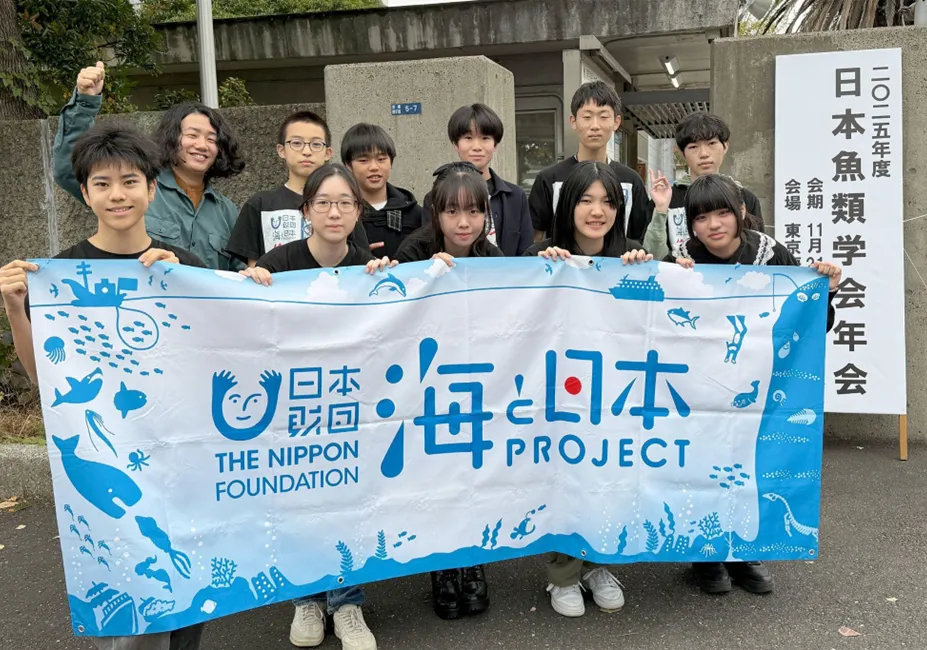
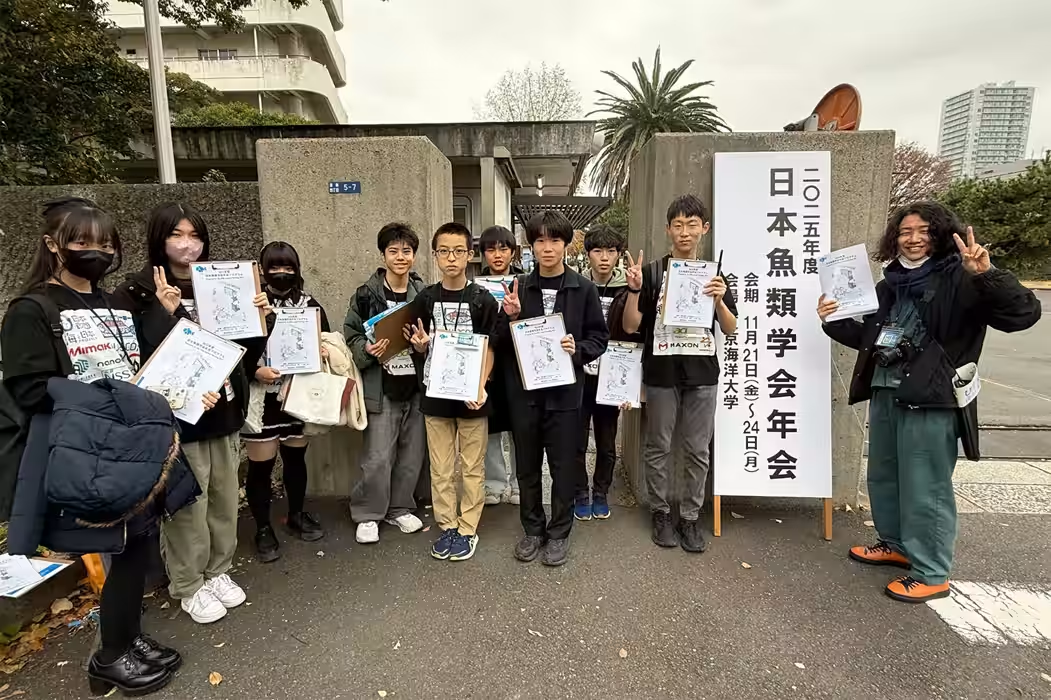
In a remarkable initiative, ten outstanding junior high students participated in the Marine Research 3D Super Science Project at the 2025 Annual Meeting of the Japanese Society of Ichthyology (JSI), held at Tokyo University of Marine Science and Technology's Shinagawa campus on November 23, 2025. This project, organized by the general incorporated association Japan 3D Education Association, aims to nurture the next generation of talent through exposure to the latest in marine biological research utilizing cutting-edge 3D technology.
This event is part of the larger “Sea and Japan Project” led by the Nippon Foundation, which strives to connect people through marine environments and foster an understanding of the importance of preserving healthy seas for future generations.
Event Overview
Scheduled from 10:30 AM to 4:00 PM, the day commenced with the engaging participation of the selected fifth cohort research students, comprising ten students from grades 7 to 9, accompanied by instructors and support staff—totaling about 12 attendees. The participation was made possible through collaboration with the JSI and sponsorship from various companies including APPLE TREE Co., Arcana Corporation, and Maxon Computer Co.
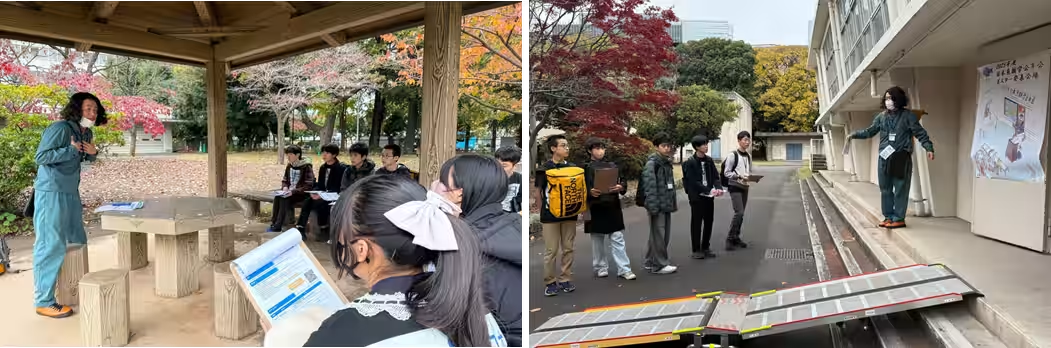
Before attending the conference, the students underwent a rigorous preparation process. They were educated about the various rules and etiquettes for conferences, such as the prohibition of photography, video, and audio recording of presentations, and familiarized themselves with the common formats of presentations which typically include oral and poster presentations.
Immersive Experience at the Conference
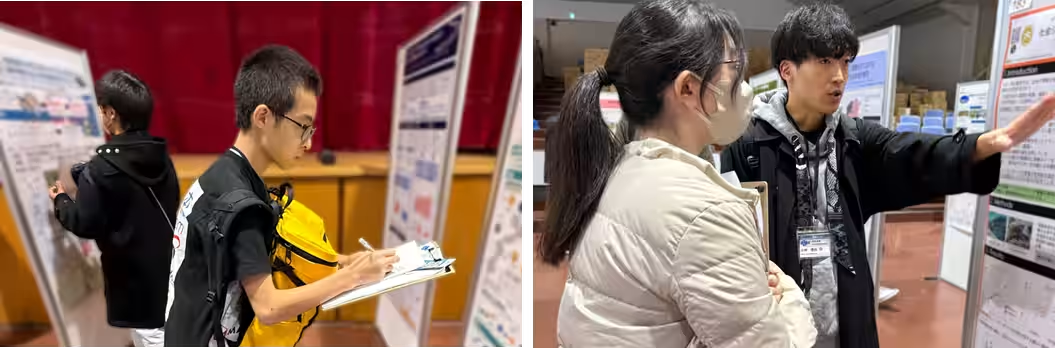
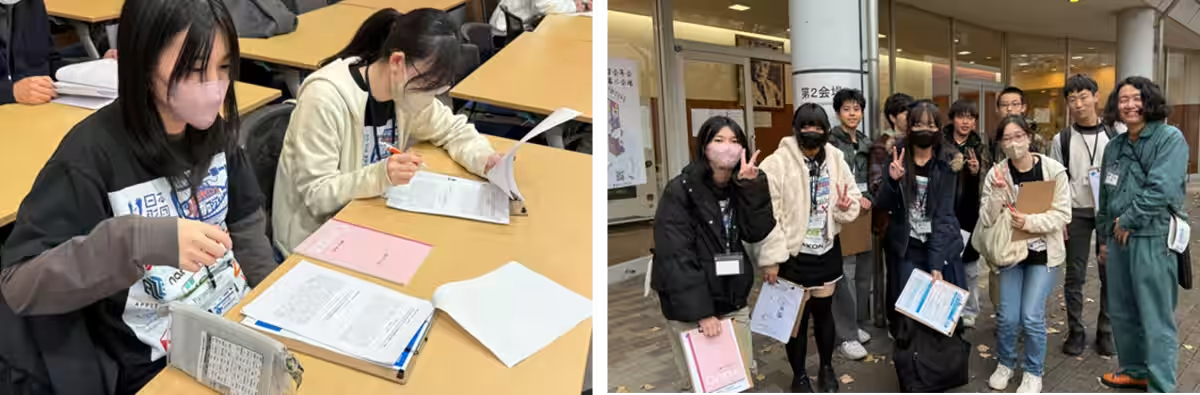
Once the students arrived at the conference venue, they headed straight to the poster presentation section, where a vibrant display of numerous research posters awaited. Although photography was prohibited within the venue, students eagerly took notes, documenting key insights on the research presented. This interactive environment allowed students to engage with leading researchers directly during designated core times when presenters were required to be at their posters to explain their work and answer questions.
The students encountered posters that resonated with their research interests, seizing the opportunity to engage in meaningful discussions with accomplished scientists. The thrill of conversing with experts provided invaluable real-world experience that would leave a lasting impact on their educational journey.
Learning Through Oral Presentations
In addition to poster presentations, students attended a series of oral presentations, where researchers shared their findings within a strict timeframe of 12 minutes for presentations and 3 minutes for Q&A. The atmosphere buzzed with anticipation as students listened intently to presentations, which highlighted the excitement of scientific discovery and breakthroughs in ichthyology.
Through this format, students could expand their knowledge beyond the preliminary reviews they had conducted using summary documents, experiencing firsthand the enthusiasm and significance behind each research endeavor. This encounter underscored the interplay between rigorous scientific inquiry and its implications for society, further igniting their passion for research.
The Japanese Society of Ichthyology
Founded in 1968, the Japanese Society of Ichthyology is dedicated to promoting the advancement and dissemination of ichthyological research and knowledge. They organize an annual meeting that showcases the latest developments in fish biology, publish scientific journals, and hold open symposia, thus playing a critical role in advancing fisheries science in Japan.
Fostering Curiosity and Innovation
The hallmark of the Marine Research 3D Super Science Project lies in its approach to fuel students’ curiosity and encourage them to conduct thorough research over approximately eight months on a specific marine organism. Utilizing advanced technologies like CT scanning and full-color 3D printing, participants’ exploration is not limited to conventional information but delves into deeper understanding.
This experience at the JSI conference marked a pivotal moment for the students, providing them exposure to a wealth of living knowledge not typically accessible in their daily lives. They learned about the scientific processes involving problem formulation, hypothesis generation, testing, and conclusion derivation from seasoned researchers.
Attending diverse research presentations helped students develop a broader perspective on their own projects and enriched their understanding of the interconnectedness of research with real-world applications. As they prepare for their final research presentations planned for March 2026, this exposure will serve as both a source of motivation and guidance in their academic pursuits.
Voices from the Participants
Participants shared their reflections:
- - “Research on undescribed species felt normal; it showcased the cutting-edge of Japan’s research landscape.”
- - “Observing how top researchers present their findings was incredibly informative.”
- - “The poster presentations felt accessible, with many presenters willing to start from basic concepts.”
- - “Core time was full of energy and engaging conversations.”
- - “The most valuable lesson was learning effective presentation skills for sharing research outcomes.”
- - “I realized that studying not only physical features but also internal characteristics could lead to new species discoveries.”
- - “I learned the importance of asking others for help rather than trying to solve everything on my own.”
This event has spotlighted the potential within Japan’s youth to take charge of the future of marine research through passion and innovation. The project continues to strive to cultivate individuals who can deeply investigate marine biology, ultimately contributing to multiple fields in the future.
Topics Other)
【About Using Articles】
You can freely use the title and article content by linking to the page where the article is posted.
※ Images cannot be used.
【About Links】
Links are free to use.