



Unlocking the Refreshing Power of Gum: Insights from the 2025 Gum Study
The Refreshing Benefits of Chewing Gum: Insights from a Recent Study
A comprehensive study conducted by Mondelēz Japan on the relationship between chewing gum and refreshment highlights the surprising impact that this simple act can have on our mood and productivity.
The Study's Findings
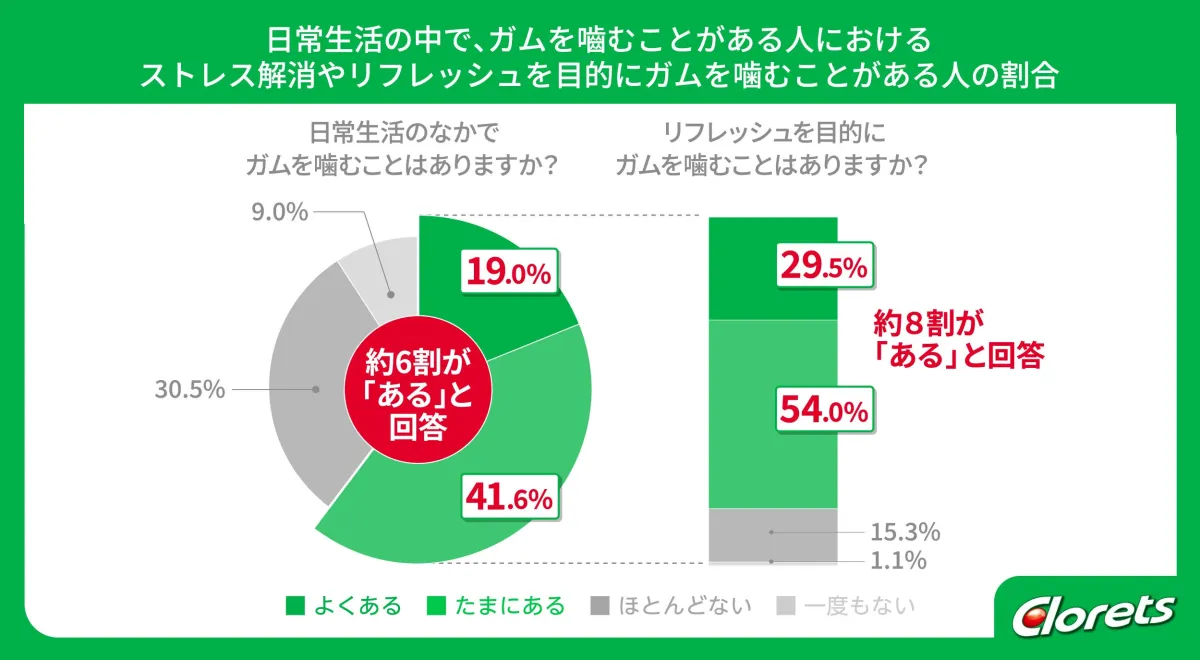
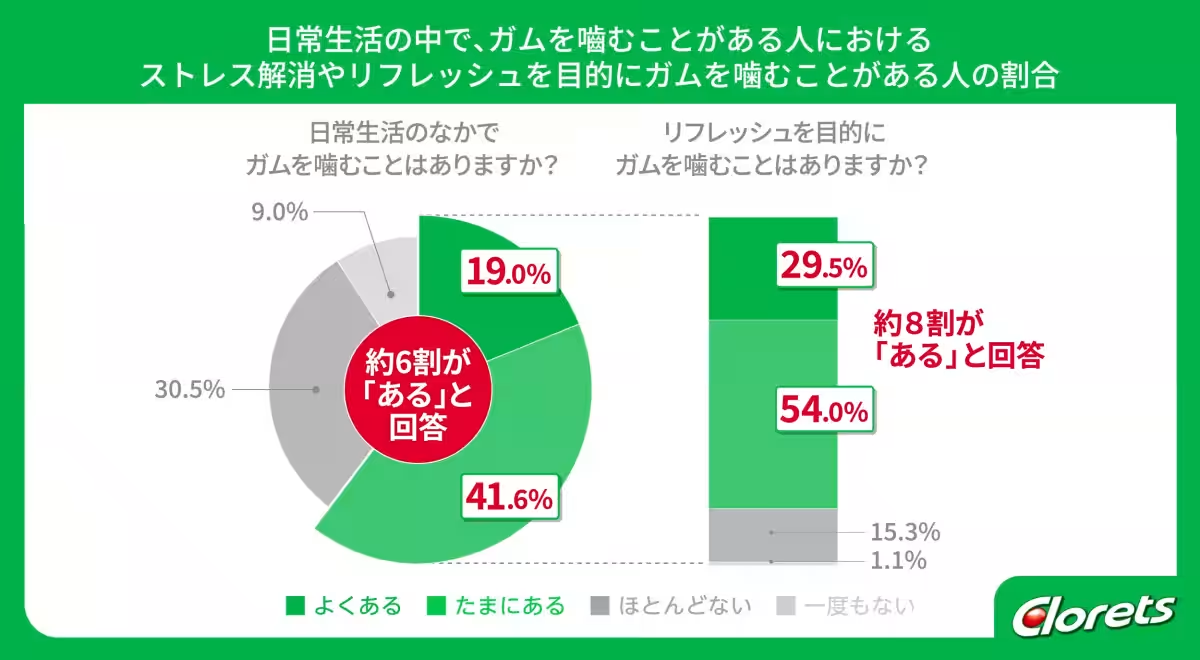
The survey, conducted in June 2025, involved 722 participants aged between 20 and 50 across Japan. An impressive 60% of respondents reported chewing gum in their daily lives, with more than 80% of these individuals indicating that they chew gum primarily for refreshment. This emphasizes how essential gum has become as a stress-reliever in modern society.
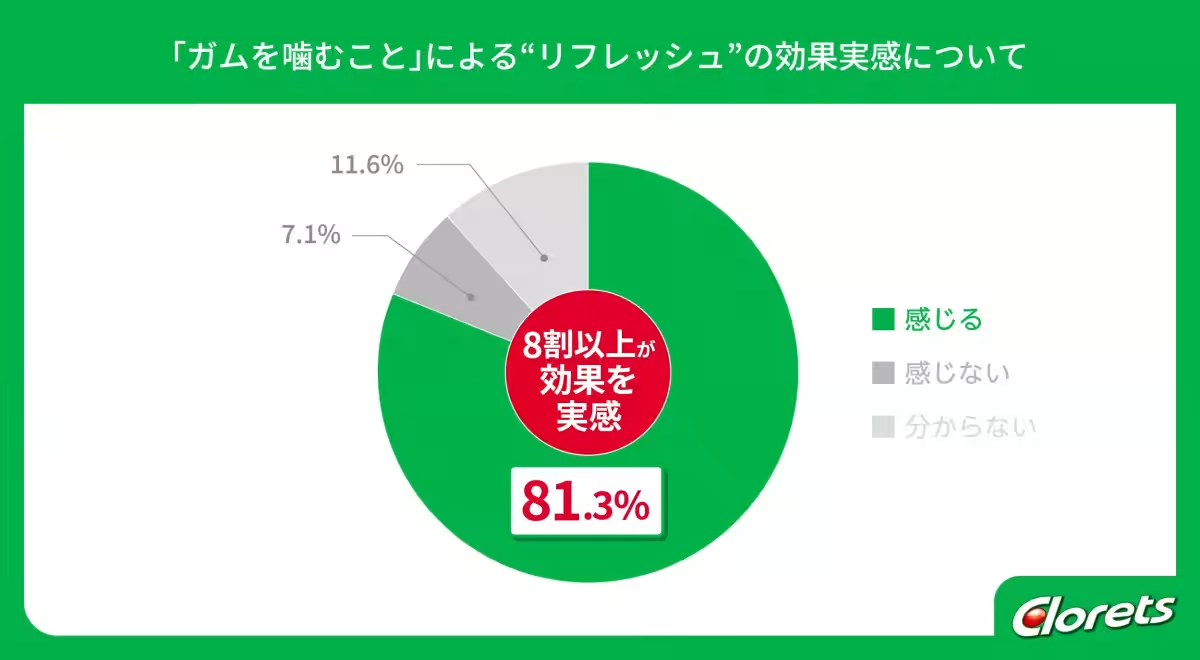
Furthermore, 81.3% of those who incorporate gum into their relaxation routines attested to feeling a significant boost in refreshment. This finding aligns with the need for effective methods to counteract daily stressors, making gum an ideal candidate for a quick pick-me-up.
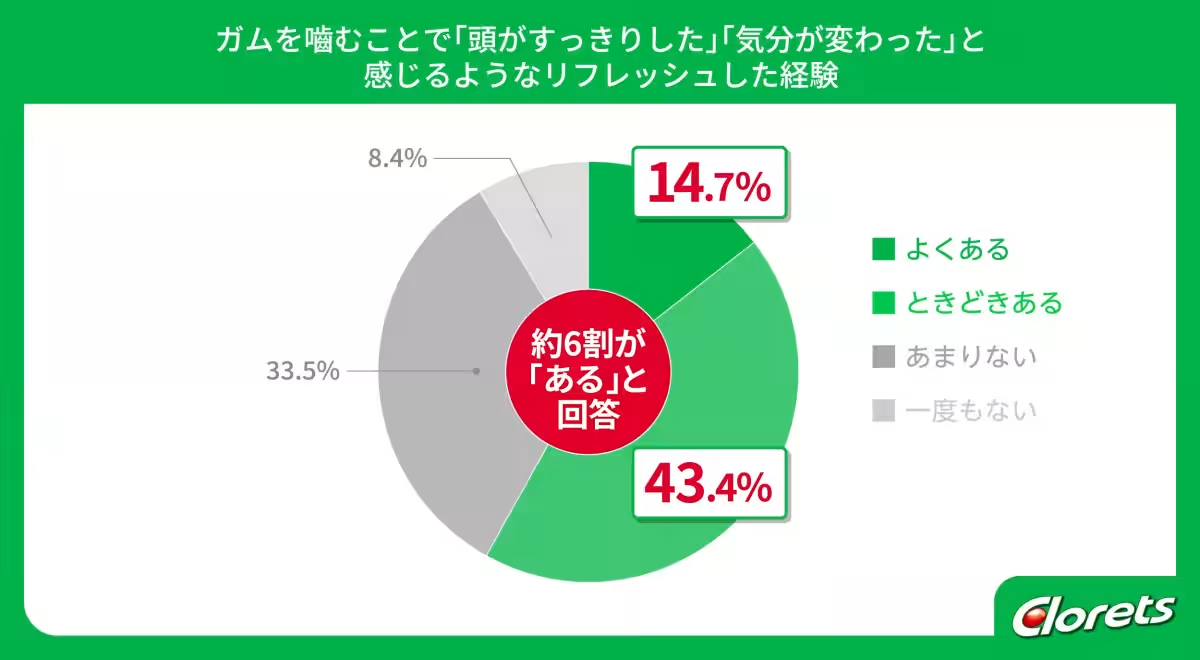
In addition, even individuals who do not regularly consume gum reported refreshing experiences when they did chew. Approximately 60% of survey respondents acknowledged feelings of mental clarity and a change in mood after chewing gum. This proves that the benefits are accessible to a wide audience, regardless of their chewing habits.
Expert Insights on Gum's Effects
Dr. Kazuki Imai, a prominent physician and head of Mirai Clinic, sheds light on the neurobiological mechanisms behind these refreshing sensations.
“Chewing gum can stimulate blood flow in the brain, which has a rejuvenating effect. In a world where mental fatigue—often termed 'cognitive burnout'—is on the rise, chewing gum introduces a rhythm that enhances circulation and mental clarity,” he explains.
He also points to a societal shift in eating trends, where a diminishing need to chew—due to softer food choices and remote work—has led to underutilization of vital muscle groups. By making a habit of chewing gum, individuals can effectively re-engage their facial muscles and promote healthy circulation.
Additionally, rhythmic movements like chewing can increase serotonin levels, often referred to as the


Topics Other)
【About Using Articles】
You can freely use the title and article content by linking to the page where the article is posted.
※ Images cannot be used.
【About Links】
Links are free to use.