



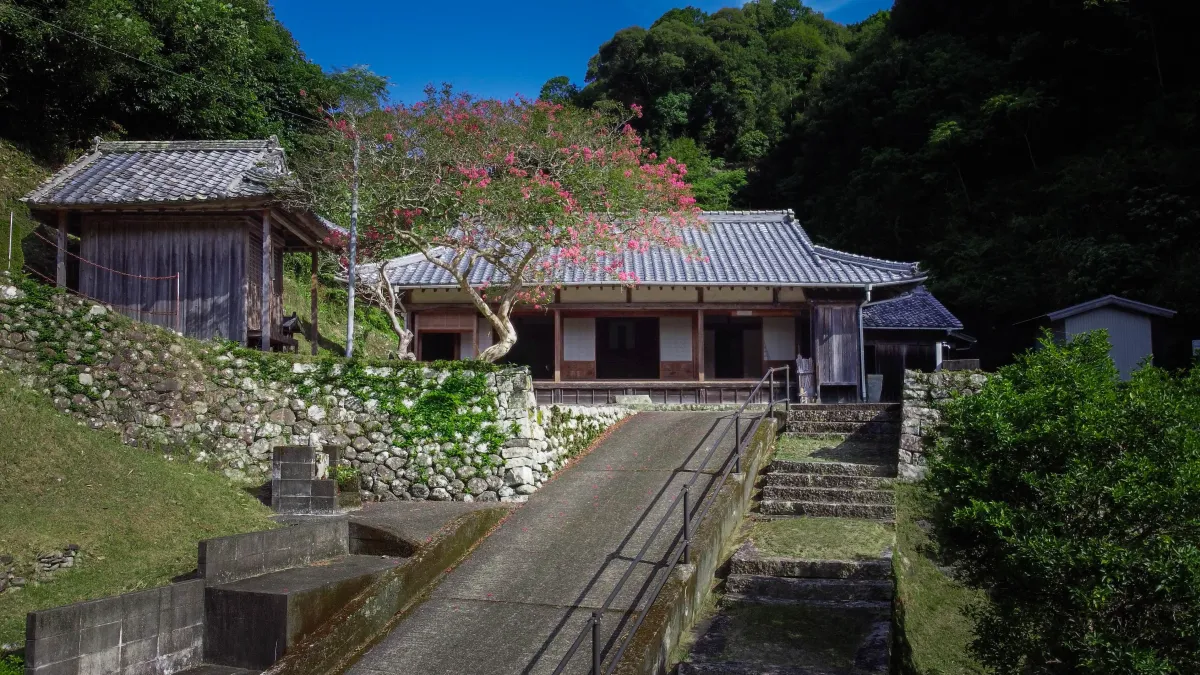
PlanetDAO Launches Restoration Project for Abandoned Temples in Nachikatsuura
PlanetDAO's Initiative to Revitalize Historic Temples in Japan
Overview of the Project
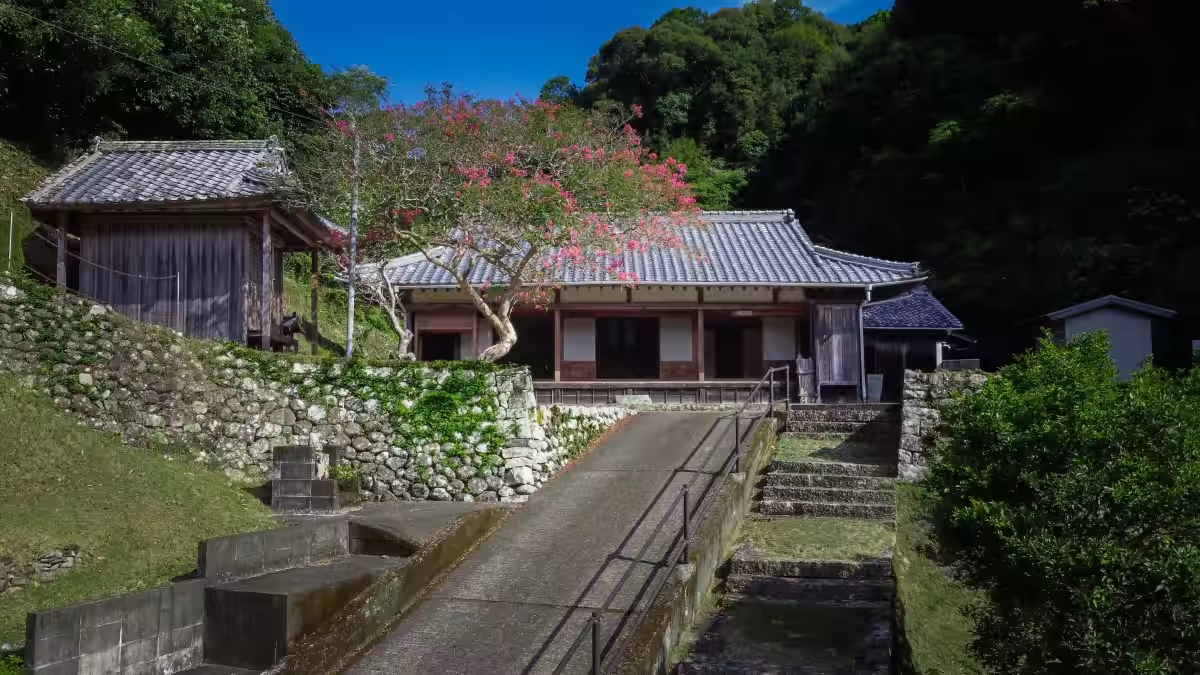
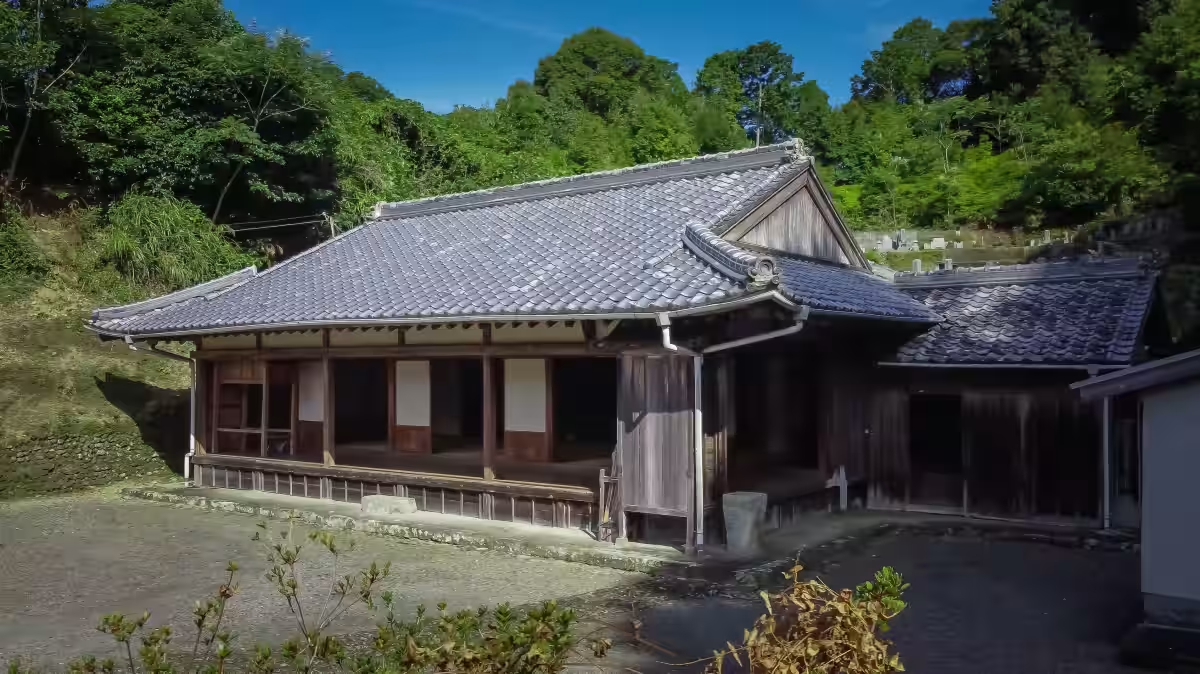
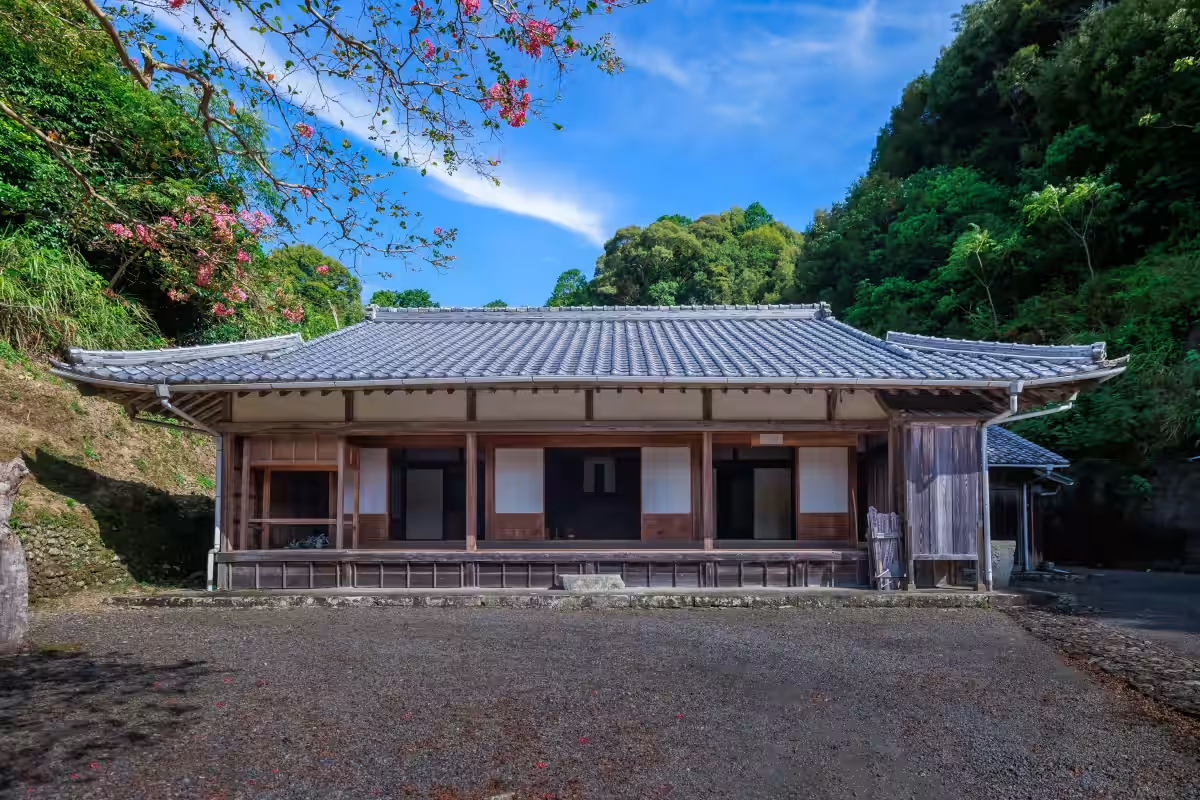
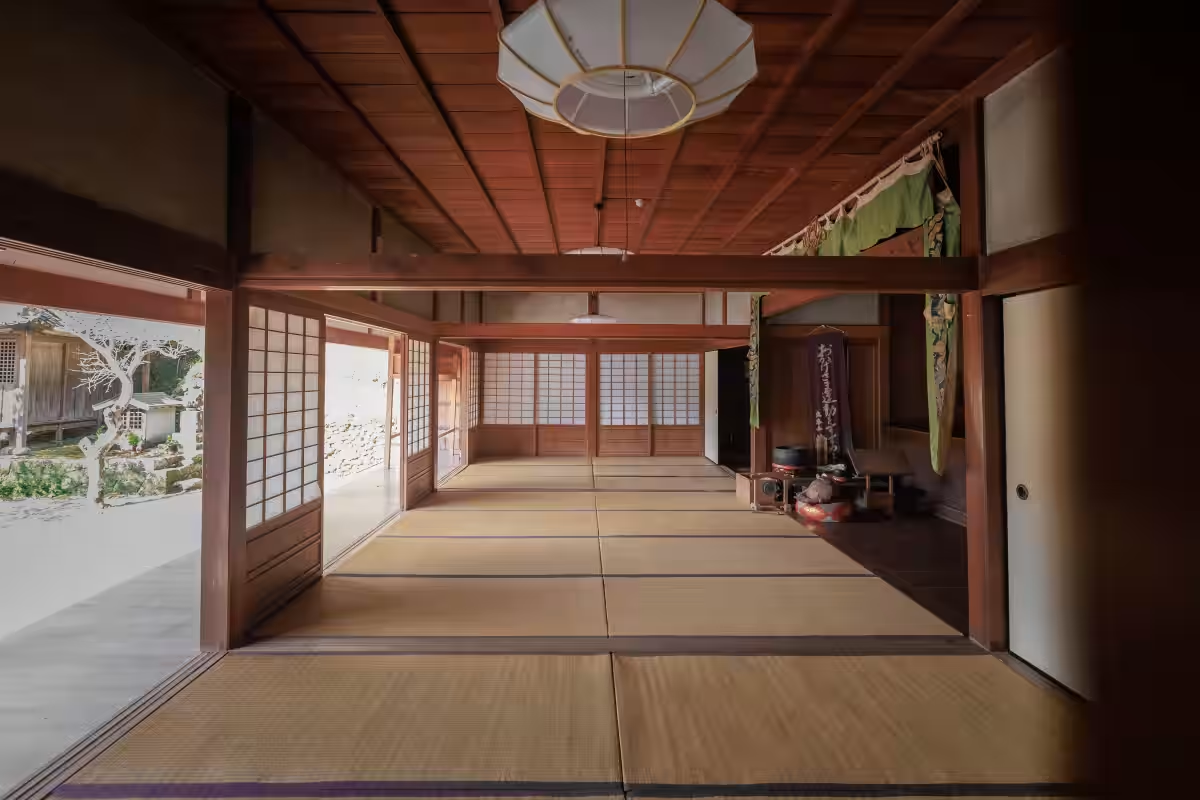
Planet Labs, a spin-off of Gaiax, has embarked on a significant revival project as part of their fourth initiative under the moniker "PlanetDAO." This project focuses on the abandoned temples in Nachikatsuura, Wakayama Prefecture, particularly the historic Hokoji Temple. As an investment initiative, the PlanetDAO aims to repair and repurpose these temples, providing a sustainable approach to cultural heritage preservation and local tourism enhancement.
The objective is to transform Hokoji Temple into a base for accommodation and experiences, thus promoting cultural preservation along the UNESCO-listed Kumano Kodo pilgrimage trail. Visitors will be able to engage deeply with the area's history and spirituality, helping foster a symbiotic relationship between heritage conservation and tourism development.
Engaging Global Investors
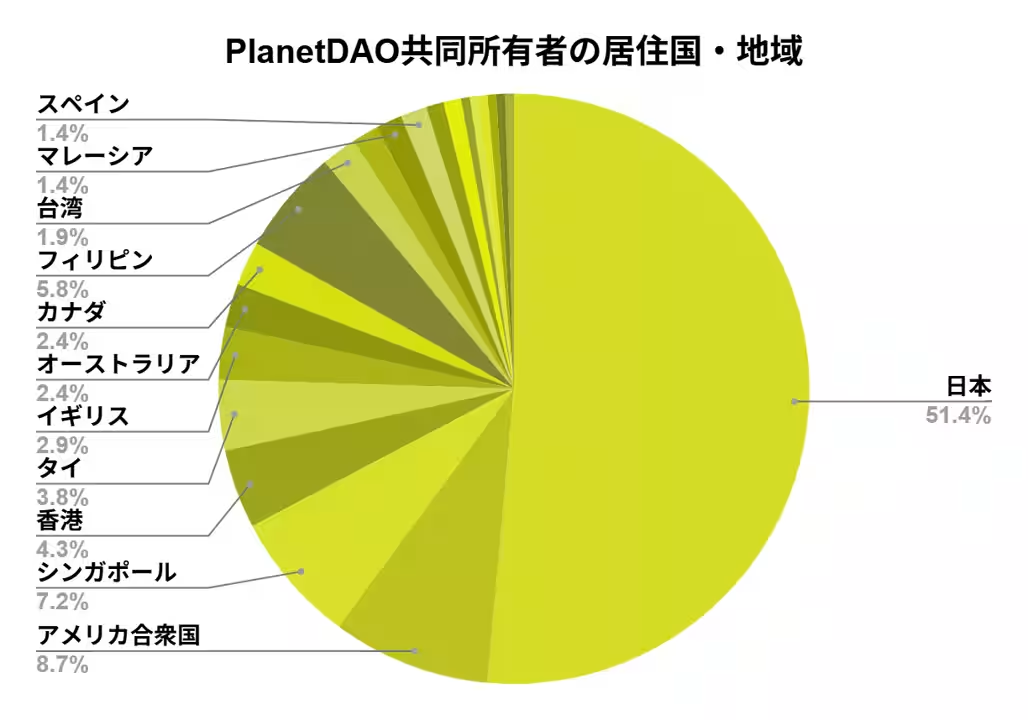
Beginning in 2024, the initiative expects to attract investment from around 200 participants across 23 countries, focusing on maintaining and preserving temples and traditional homes. Previously, Planet Labs successfully raised approximately 40 million yen through the PlanetDAO model from over 100 investors for similar projects involving historic structures in both Wakayama and Kanagawa Prefectures.
Japan's historic buildings are vital community symbols. However, they face challenges in terms of conservation and sustainability. Many such structures, like Hokoji Temple, struggle with maintaining their operations due to declining local populations and the associated risks of transferring ownership to private individuals or companies. To counter this, Planet Labs has implemented a small-scale investment model that allows an international community of investors to collaborate with local stakeholders in preserving these vital cultural assets.
Background: The Challenge of Abandoned Temples
Kumano Kodo is a historic pilgrimage route that has inspired spirituality for over a millennium. However, a growing number of temples along this route have become 'abandoned' due to the absence of head priests, creating challenges for maintenance and repairs. In Japan, there are over 77,000 temples, with approximately 20,000 of them currently unoccupied due to lack of priests (source: Hidenori Ukai's Disappearing Temples).
The Role of International Tourism
Hokoji Temple is strategically located only two minutes from Daidaiji Temple, a popular accommodation site with occupancy rates nearing 70%. There is a high demand for lodging in this area, particularly from international tourists, who account for over 80% of visitors. Couples and families from countries such as the United States, France, and Germany predominantly seek out this unique cultural experience, further validating the necessity for such revitalization projects in the region.
Tourist feedback highlights the exceptional value of their experiences.
International Visitor Testimonies
- - Norway: "I had an enriching experience at the temple, participating in morning rituals and learning about Buddhist practices. The hospitality was truly appreciated."
- - Canada: "Wonderful time here! The host was knowledgeable and the surroundings were beautiful."
- - Netherlands: "A fantastic stay! The temple offers historical insights and modern comforts. I wish I could have stayed longer to explore more."
Sustainable Restoration through PlanetDAO
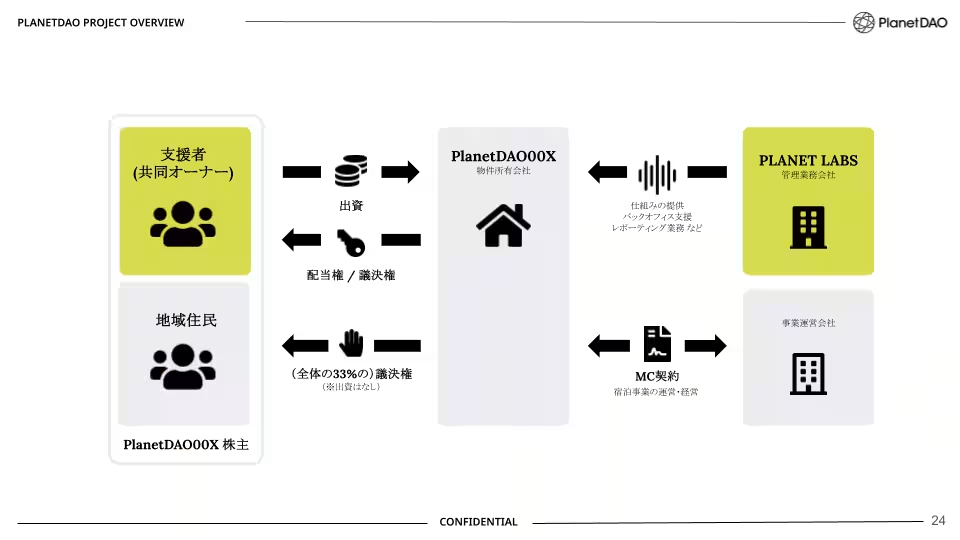
The renovation and operation of Hokoji Temple through PlanetDAO demonstrates a new model for cultural asset investment and management. By gathering funds from a global community of investors, PlanetDAO offers not only a return on investment but also opportunities for these investors to partake in operational decision-making. This democratic approach to managing historical properties ensures that local voices are included in the preservation process.
For example, conditions concerning the temple's use and public accessibility are secured through a specialized share structure. This structure prevents significant operational changes without the consensus of the local community, thereby guaranteeing that the values cherished by residents endure, irrespective of ownership changes.
Voices from Stakeholders
Nishiyama Tomumi, Head Priest of Daidaiji Temple:
"Buddhist culture fosters peace and compassion in daily life, but many temples are under threat due to population decline and diminishing support. The project aims to transform abandoned temples into tourism assets, attracting more international visitors who wish to learn about Japanese culture. This initiative holds the potential to revitalize places like Hokoji Temple for future generations."
Nishimura Tamaki, CEO of Planet Labs:
"Starting from the same region, we're driven to keep the legacy of Hokoji Temple alive. Our mission is to curate experiences that resonate with the community value and attract supporters globally. The project is a significant step toward connecting the past with the future."
Conclusion
Through collaborative efforts and innovative investment models, PlanetDAO symbolizes a proactive approach to safeguarding cultural heritage in Japan. As they transition Hokoji Temple into a future-ready community resource, both local and international stakeholders can play pivotal roles in preserving this legacy for years to come. For detailed information regarding the PlanetDAO project and opportunities for involvement, you can visit their official website: PlanetDAO Hokoji Temple.


Topics Consumer Products & Retail)
【About Using Articles】
You can freely use the title and article content by linking to the page where the article is posted.
※ Images cannot be used.
【About Links】
Links are free to use.