



Exploring People's Changing Attitudes Towards Second-Hand Goods: A Study by BuySell Research
Changing Perceptions of Second-Hand Goods
A recent survey conducted by BuySell Research, a project managed by BuySell Technologies, sheds light on how people's perceptions of second-hand goods are evolving. The study involved 1,036 adults aged 20 and over, showing that negative stereotypes about used products are diminishing, and they are increasingly regarded as sensible options for consumers.
Survey Summary
The results from the survey reveal some intriguing insights regarding second-hand products:
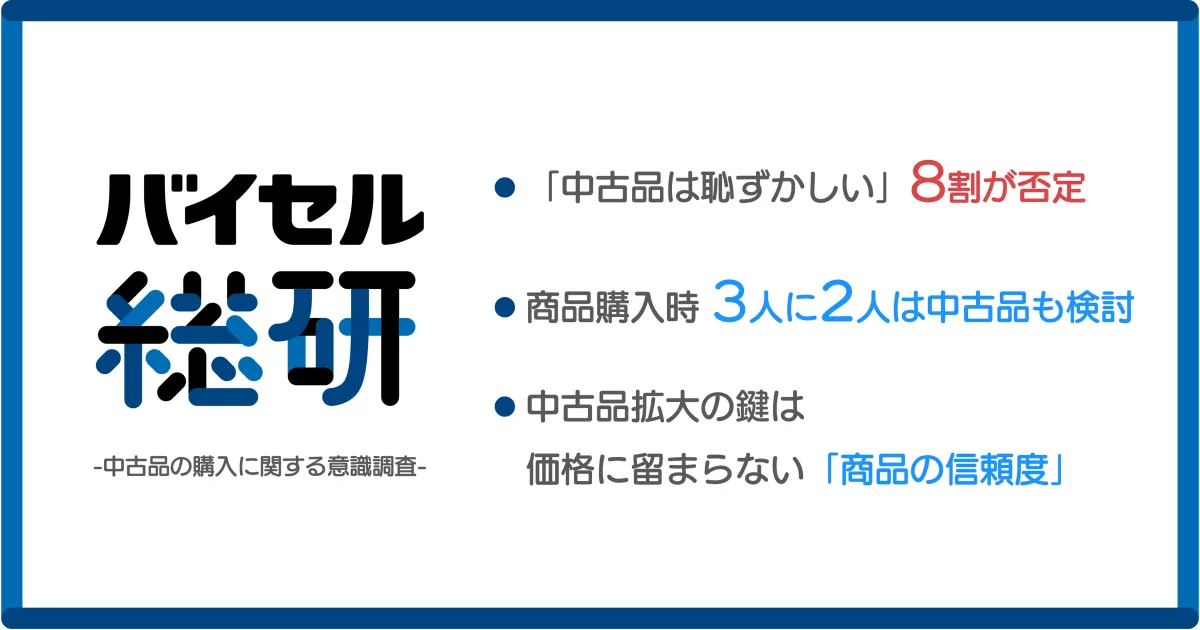
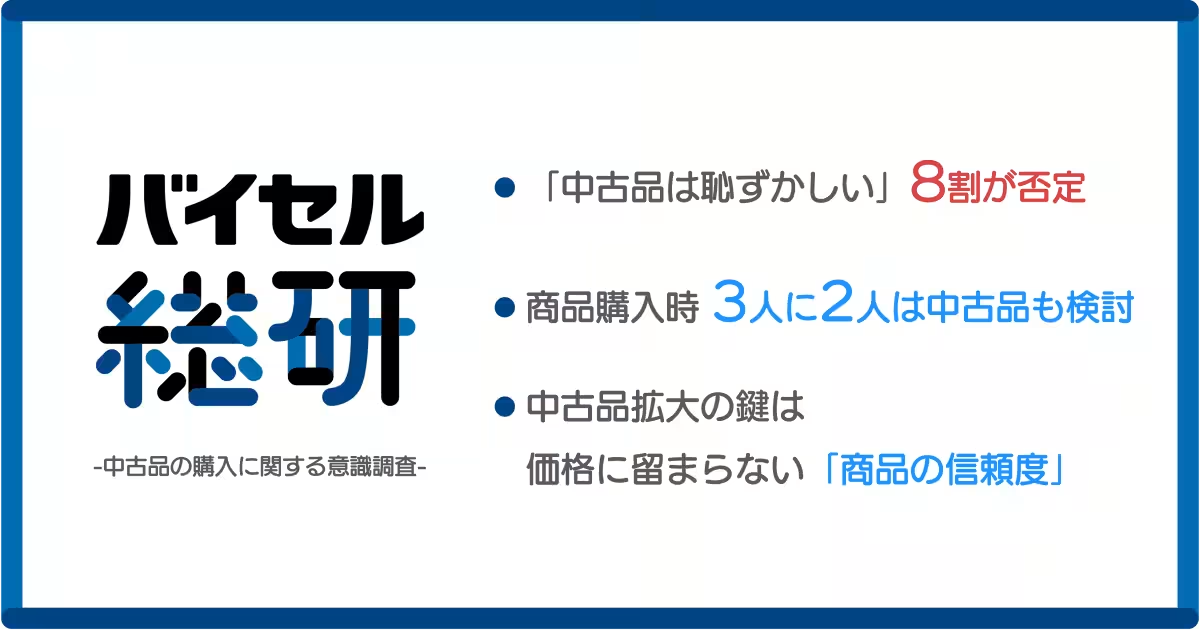
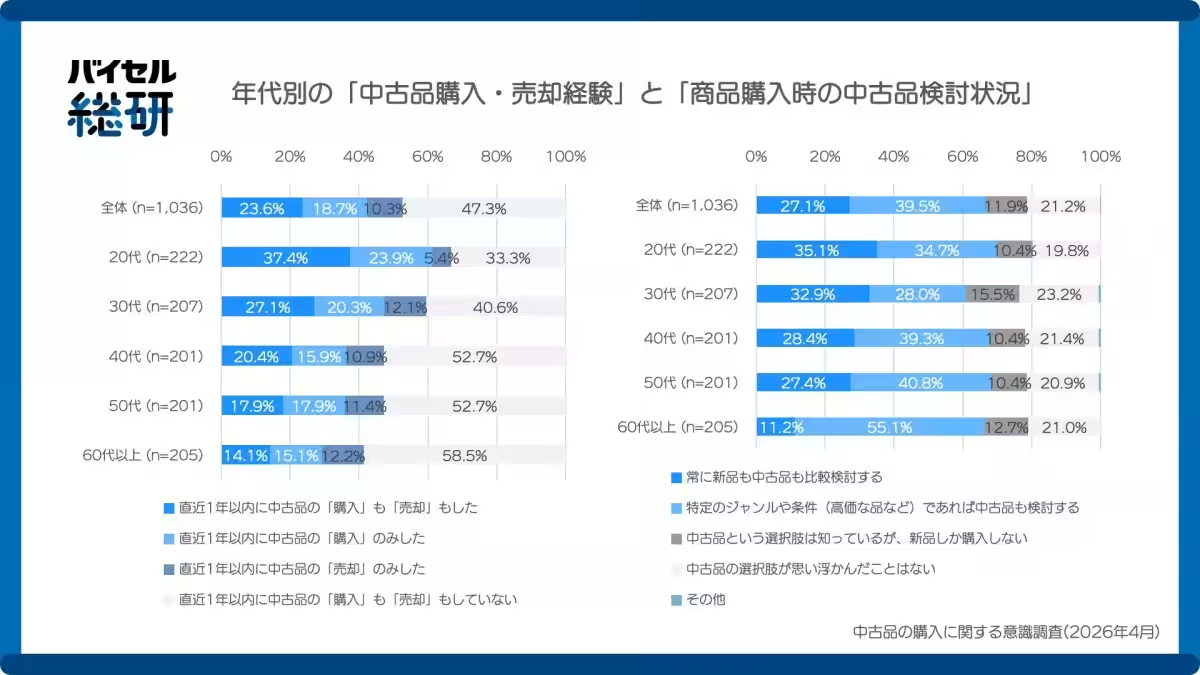
- - About 42.3% of participants reported having purchased second-hand goods within the last year, and 66.6% considered second-hand options when making purchases.
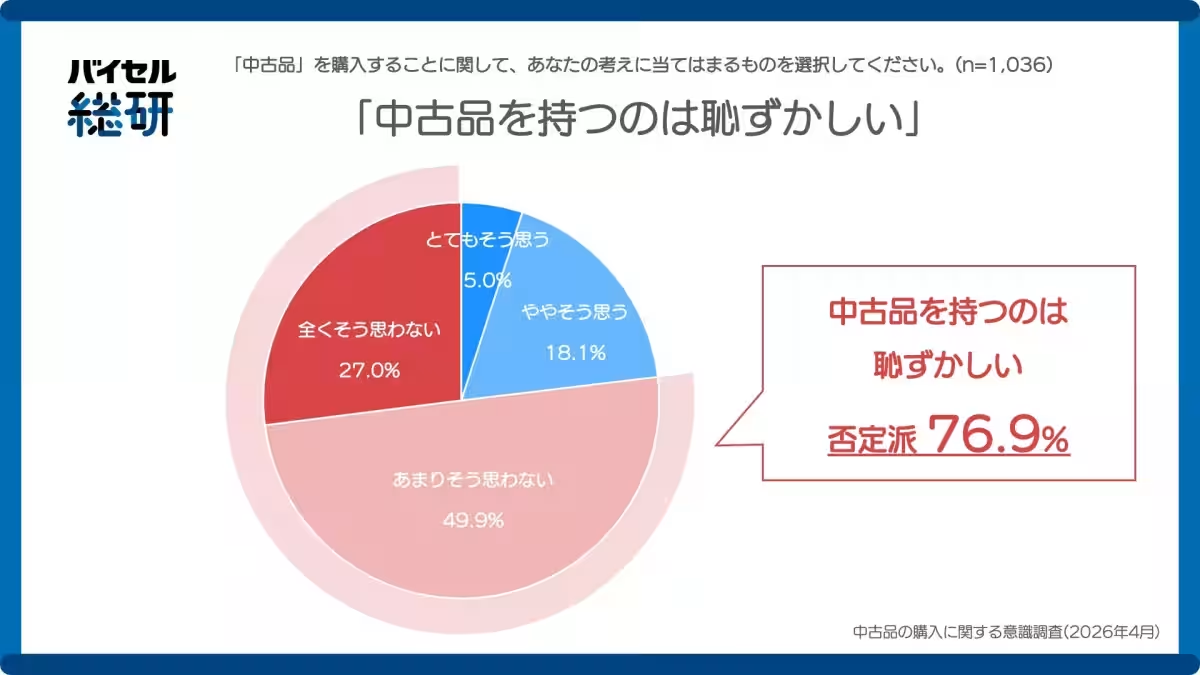
- - When asked if holding second-hand items is embarrassing, a clear 76.9% rejected this notion.
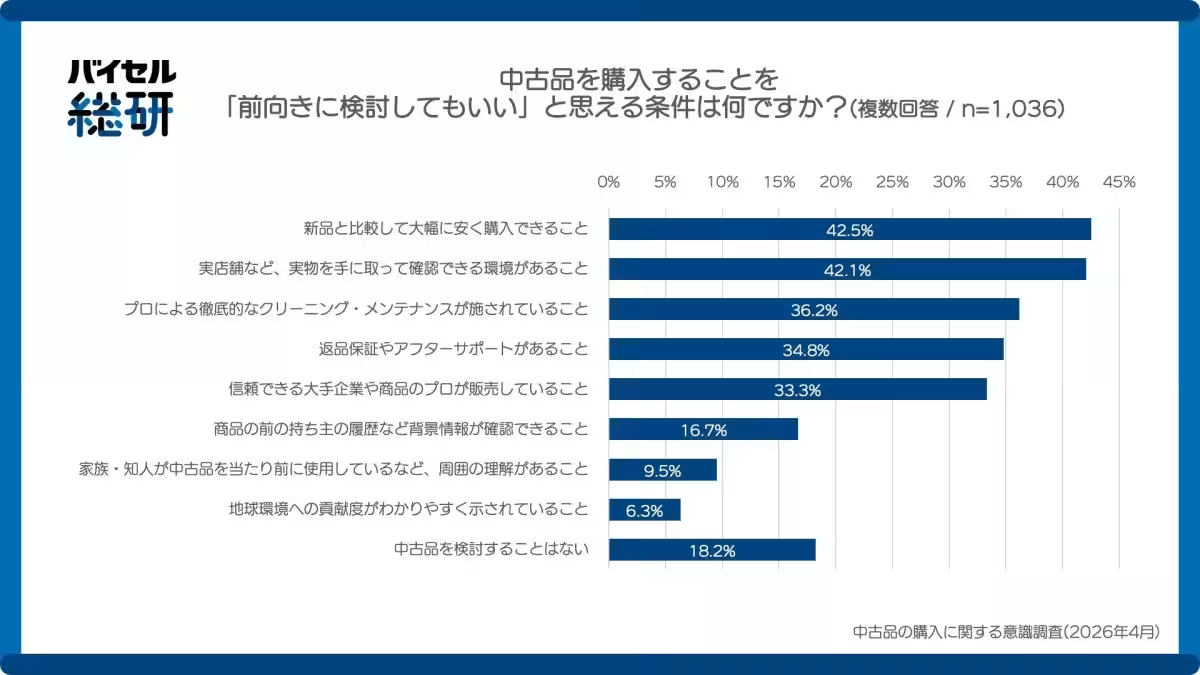
- - Factors contributing to the acceptance of second-hand items include physical inspection of products (42.1%), professional cleaning (36.2%), and after-sales support (34.8%).
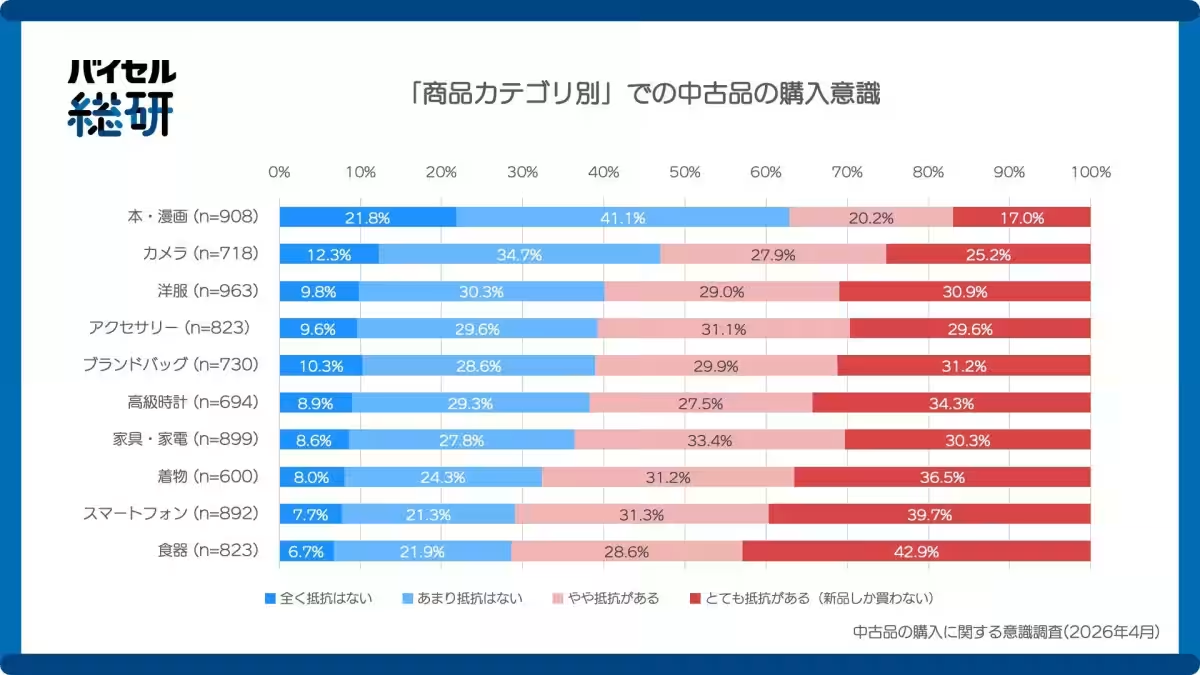
- - Among various categories, books and comics were the least resisted (37.2%), while tableware was the most resisted category (71.4%).
Context of the Study
As Japan moves toward a circular economy, the reuse of second-hand products has become a vital choice for sustainable practices. In 2026, the Ministry of the Environment plans to announce a roadmap aimed at promoting reuse, setting a target to expand the market to 4.6 trillion yen, increasing by 32% by 2030, and enhancing the reuse implementation rate from the current 40.8% to 50%.
Detailed Insights from the Survey
1. Purchasing Experience and Consideration of Second-Hand Goods
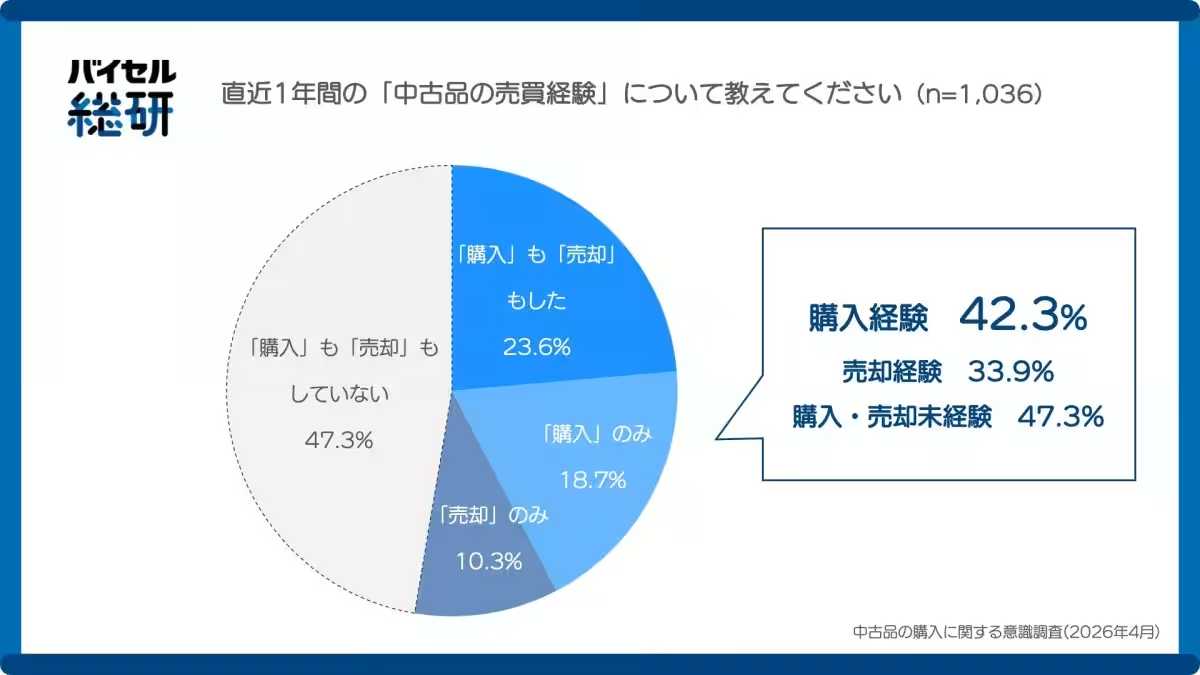
- - Experience: The survey found that 42.3% of respondents had purchased second-hand goods in the past year, whereas 33.9% had sold them. Additionally, 47.3% had not engaged in buying or selling second-hand items.
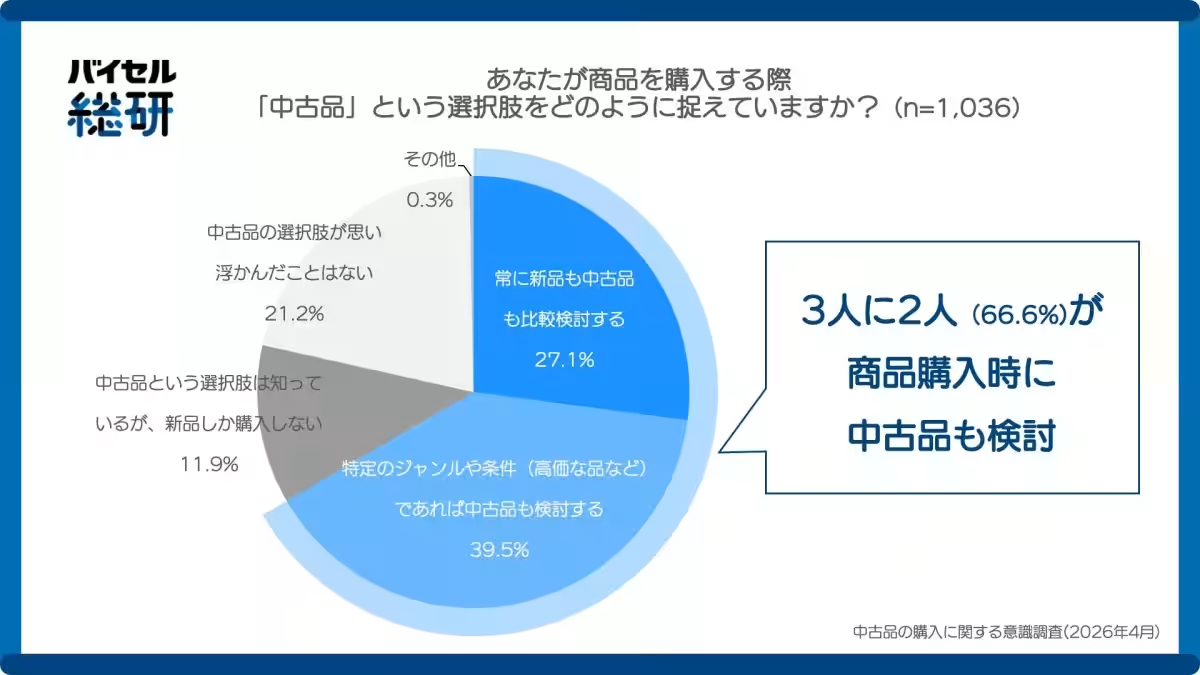
- - Consideration: When considering purchases, 66.6% of participants included second-hand products in their options. This indicates a substantial potential market, as more individuals are open to exploring second-hand alternatives when buying products.
- - Demographic Insights: While younger generations showed higher rates of buying second-hand goods, the consideration for such products was consistent across age groups, with 60% of older demographics also open to second-hand goods.
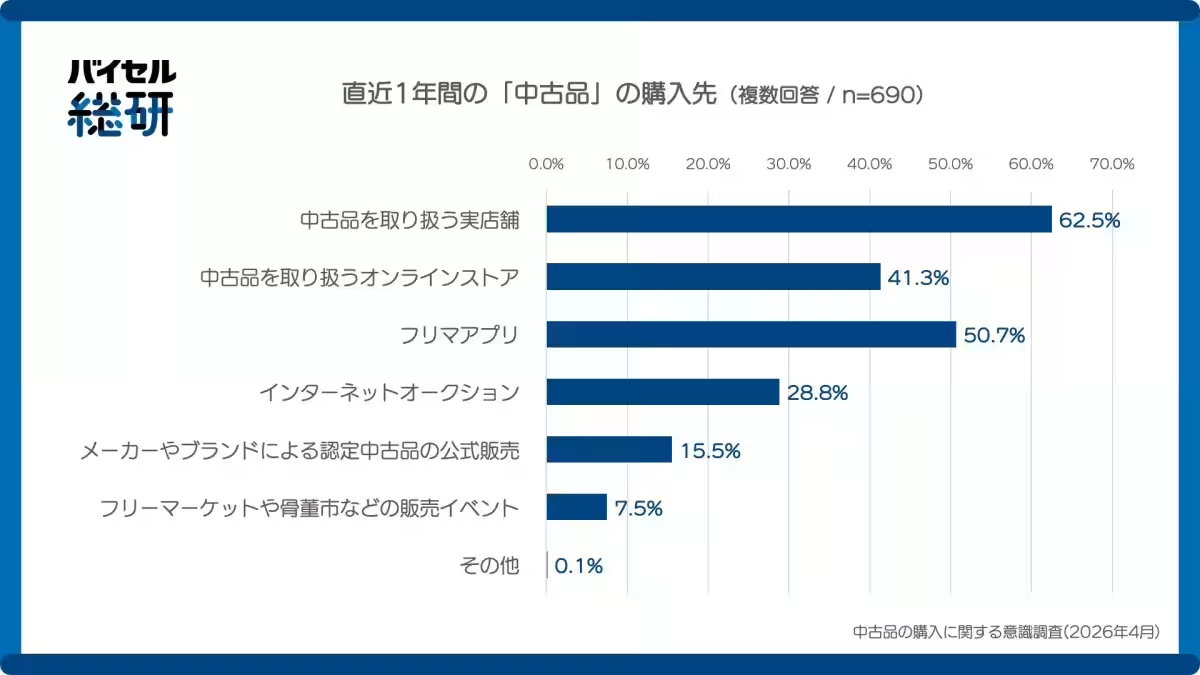
- - Purchasing Channels: When asked where they bought their second-hand items, responses indicated that 62.5% preferred physical stores, followed by 50.7% for flea market apps, and 41.3% for online stores.
2. Values and Concerns Regarding Second-Hand Purchases
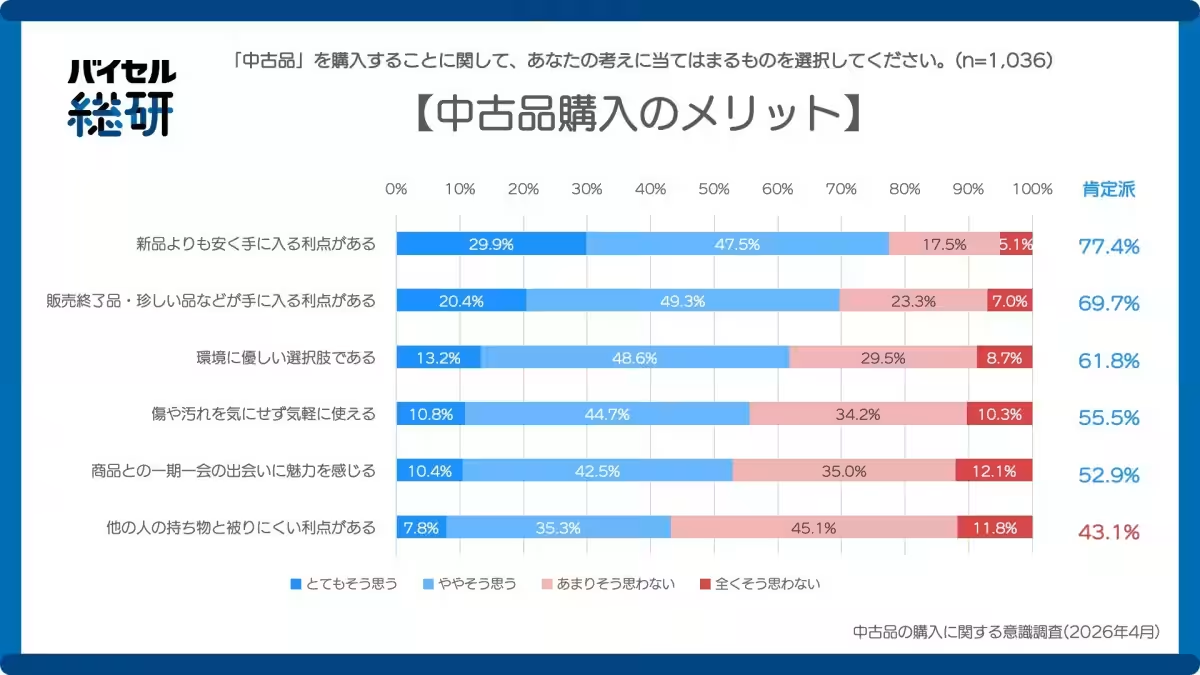
- - Advantages: The primary appeal of purchasing second-hand items lies in their cost-effectiveness, with 77.4% of respondents agreeing that second-hand products are cheaper than new ones. Other advantages include accessing discontinued or rare items (69.7%) and an environmentally friendly choice (61.8%).
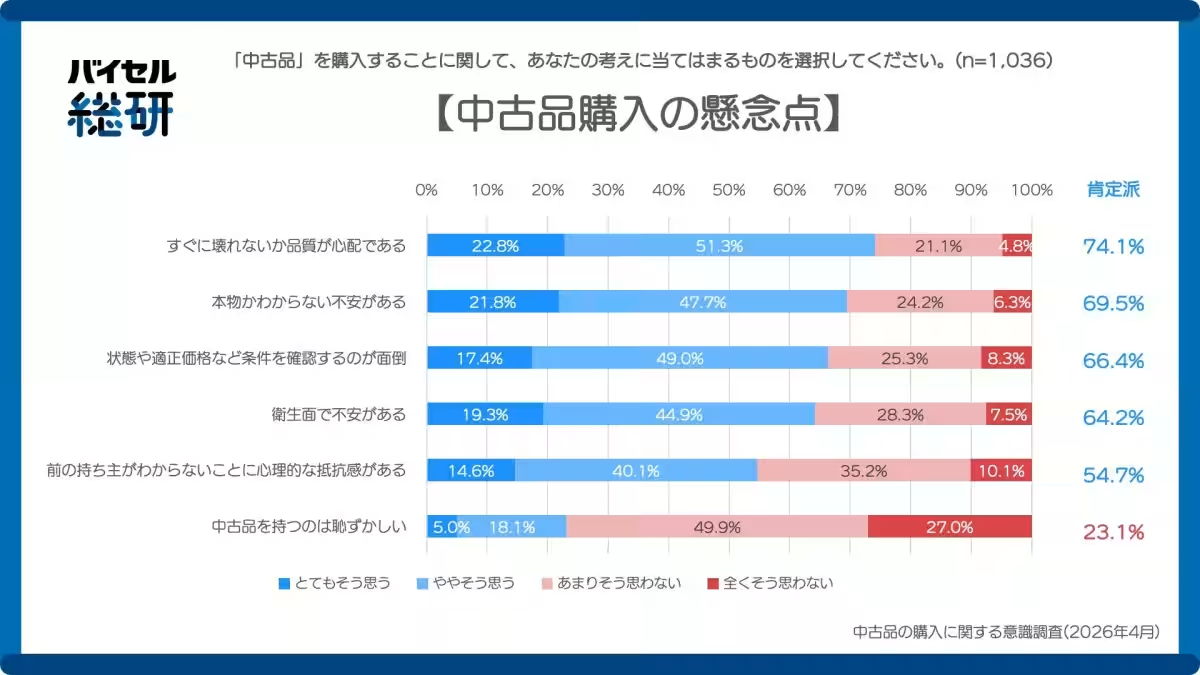
- - Concerns: Conversely, several concerns were raised about second-hand goods, including worries about quality (74.1%), authenticity (69.5%), and hygiene (64.2%).
- - Stigmas: The perception that owning second-hand items is shameful has significantly declined, with only 9.5% expressing concerns about societal judgment. This suggests a shift towards more positive attitudes regarding second-hand products.
3. Behavioral Insights
Participants demonstrated specific preferences influencing their purchasing behavior:
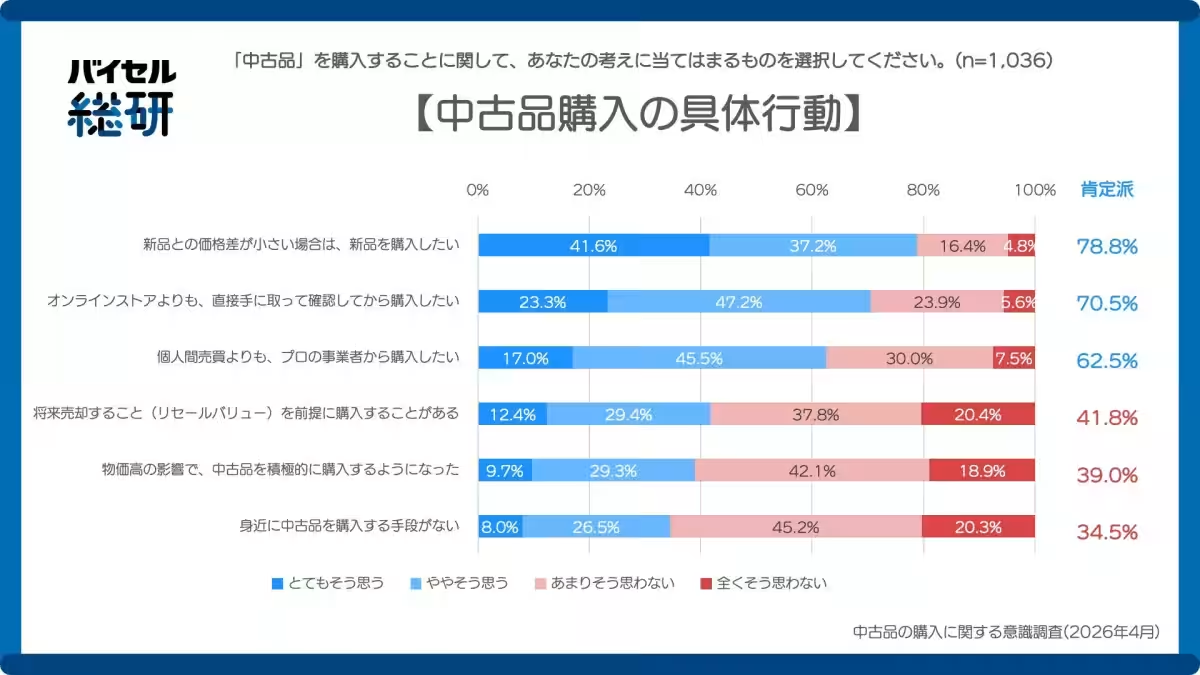
- - A significant 78.8% indicated a willingness to buy new products if the price difference was minimal.
- - A preference for inspecting items in person before purchasing was noted by 70.5% of respondents.
- - Over half (62.5%) showed a preference for purchasing from established businesses rather than individuals.
4. Category-Specific Awareness
The study categorized the resistance levels towards purchasing second-hand items: books and comics showed the lowest resistance, while tableware and smartphones attracted the highest skepticism.
5. Promoting Second-Hand Use
Factors that could encourage second-hand buying include:
- - Significant price reductions compared to new items (42.5%).
- - Opportunities to physically examine items before buying (42.1%).
- - Comprehensive professional cleaning and maintenance measures (36.2%).
- - Return guarantees and after-sales support (34.8%).
Conclusion
This comprehensive survey by BuySell Research highlights a significant transformation in attitudes surrounding second-hand goods. As negative perceptions fade, there are increased calls for reliable quality and trustworthy sales channels in the second-hand market. The combination of proactive measures and guarantees may further catalyze the growth of the second-hand market, culminating in a more sustainable approach to consumer products.
About BuySell Research
BuySell Research is a research initiative by BuySell Technologies, focusing on fostering an environment where reuse is a typical choice, promoting a society that values sustainable practices and reduces waste.
For more information on our services and research, visit our BuySell Website.



Topics Consumer Products & Retail)




【About Using Articles】
You can freely use the title and article content by linking to the page where the article is posted.
※ Images cannot be used.
【About Links】
Links are free to use.