



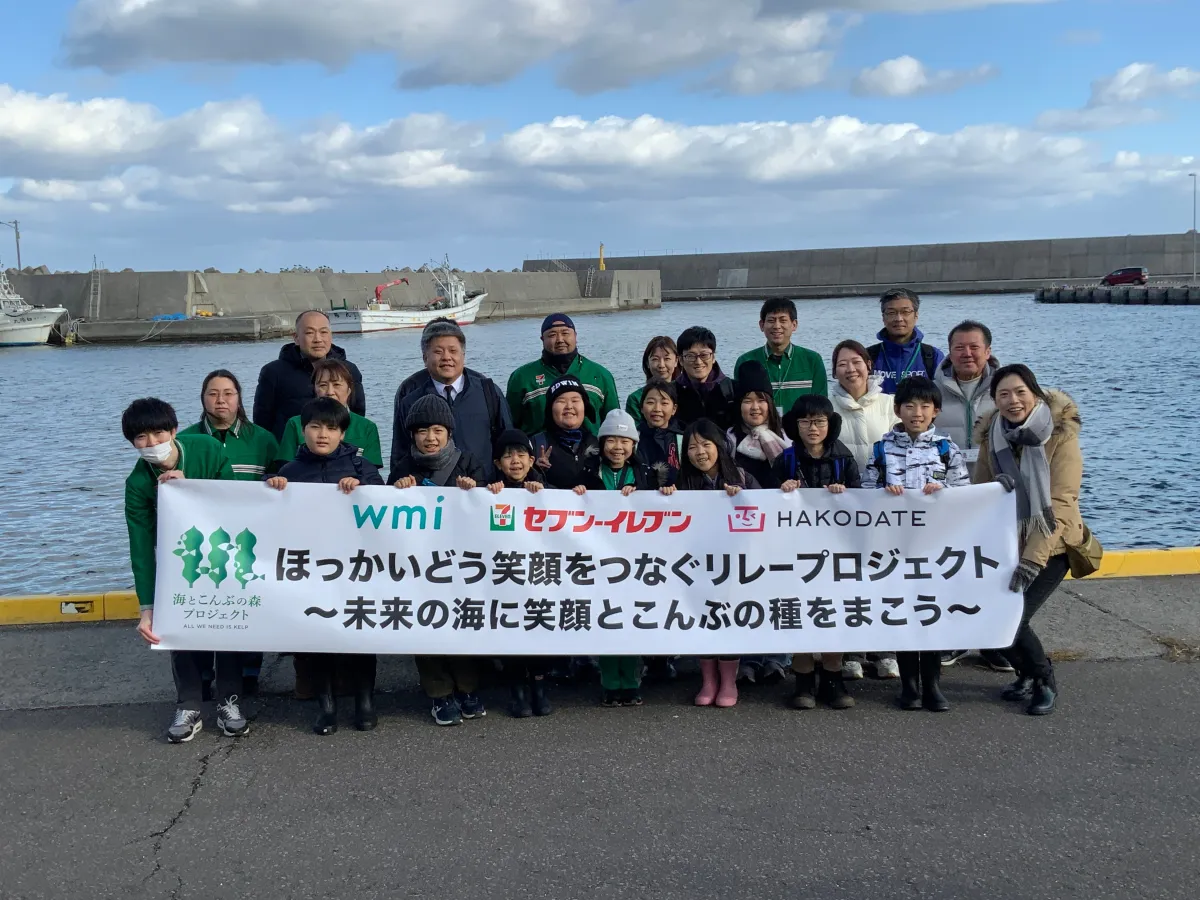
Smiles for the Future Ocean: Sea and Kombu Forest Project Launches in Hakodate
Embracing the Ocean's Future with a Smiling Initiative
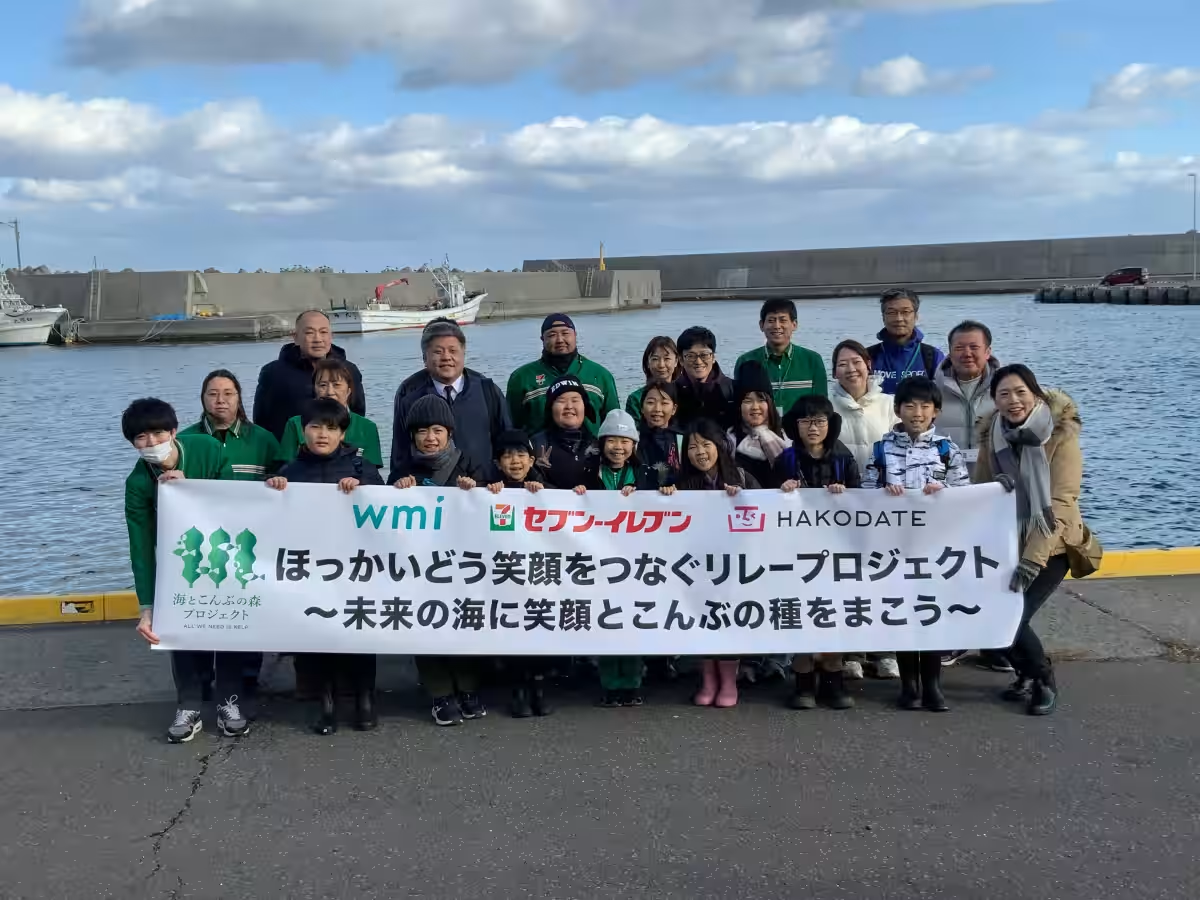
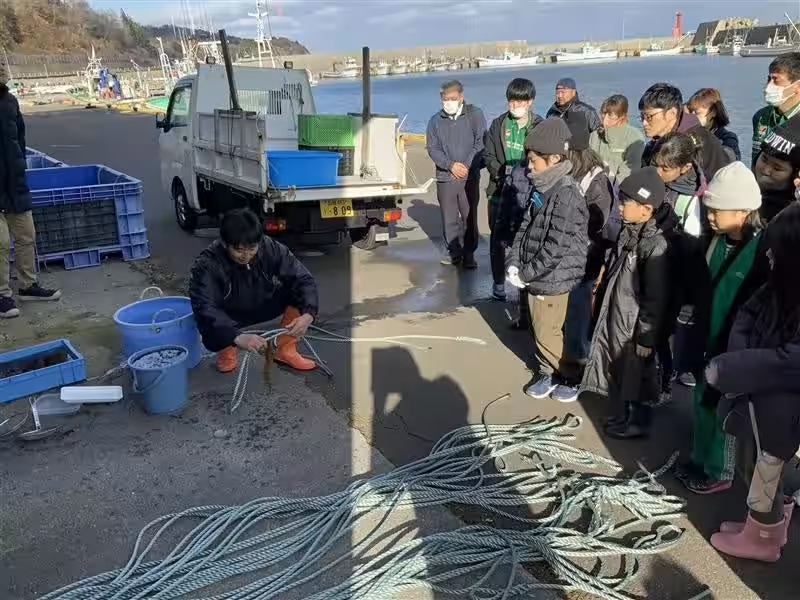
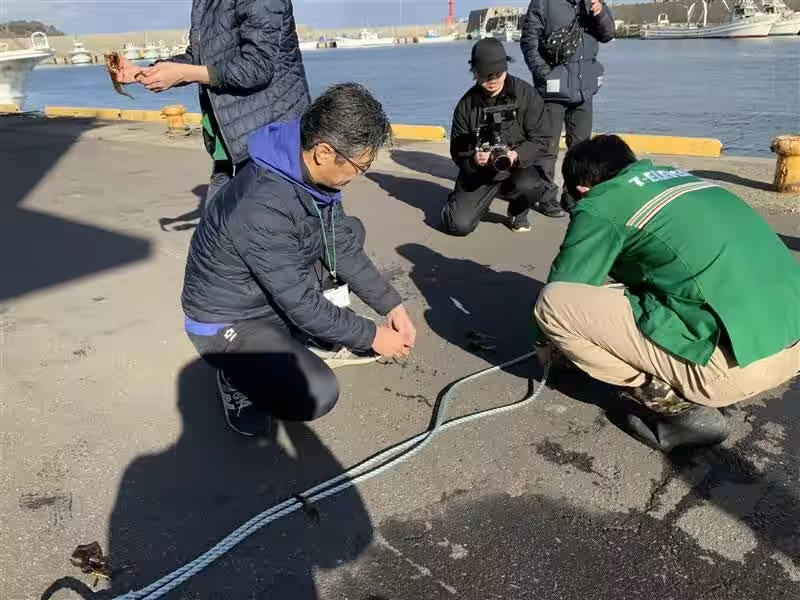
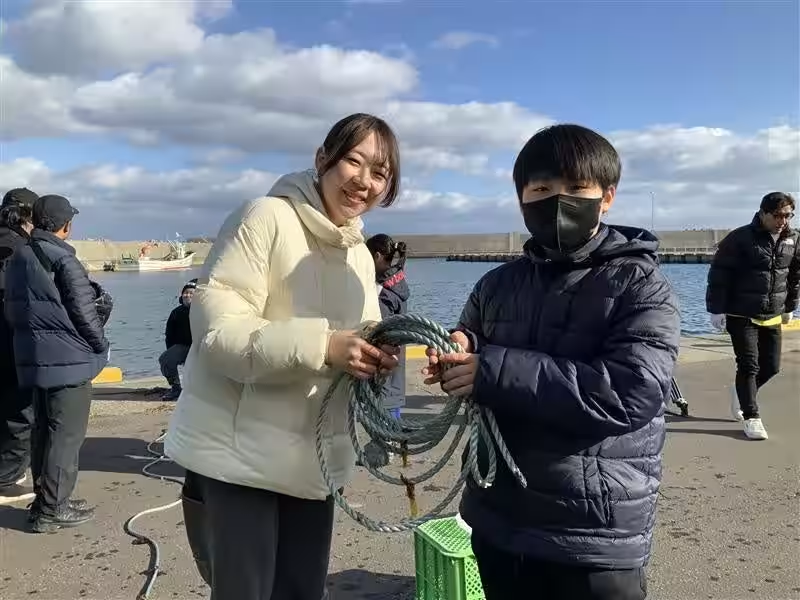
In an inspiring step towards environmental sustainability and local community involvement, Seven-Eleven Japan, in collaboration with Hakodate City and WMI, has launched the "Sea and Kombu Forest Project." This initiative aims to combat the declining kelp beds along Hokkaido’s coast while educating the younger generation about the importance of marine ecosystems. Scheduled for November 29, 2025, approximately 20 schoolchildren from Takayama Elementary in Hakodate will participate in a unique kombu (seaweed) seeding experience.
The Importance of Kelp Forests
Kelp forests are vital for marine biodiversity and act as a natural barrier against coastal erosion. However, in recent years, these underwater havens have faced severe degradation due to various environmental issues, including a phenomenon known as "iso-yake," or coastal desertification. This condition leads to the disappearance of essential sea vegetables like kelp and wakame, consequently affecting marine life and local fishing communities.
Recognizing the urgency to restore the kelp forests, the Sea and Kombu Forest Project seeks to involve local children in the seeding and harvesting processes. By doing so, it not only fosters environmental awareness but also aims to cultivate a sense of responsibility within the younger population regarding their local ecosystem.
Hands-on Experience for Future Generations
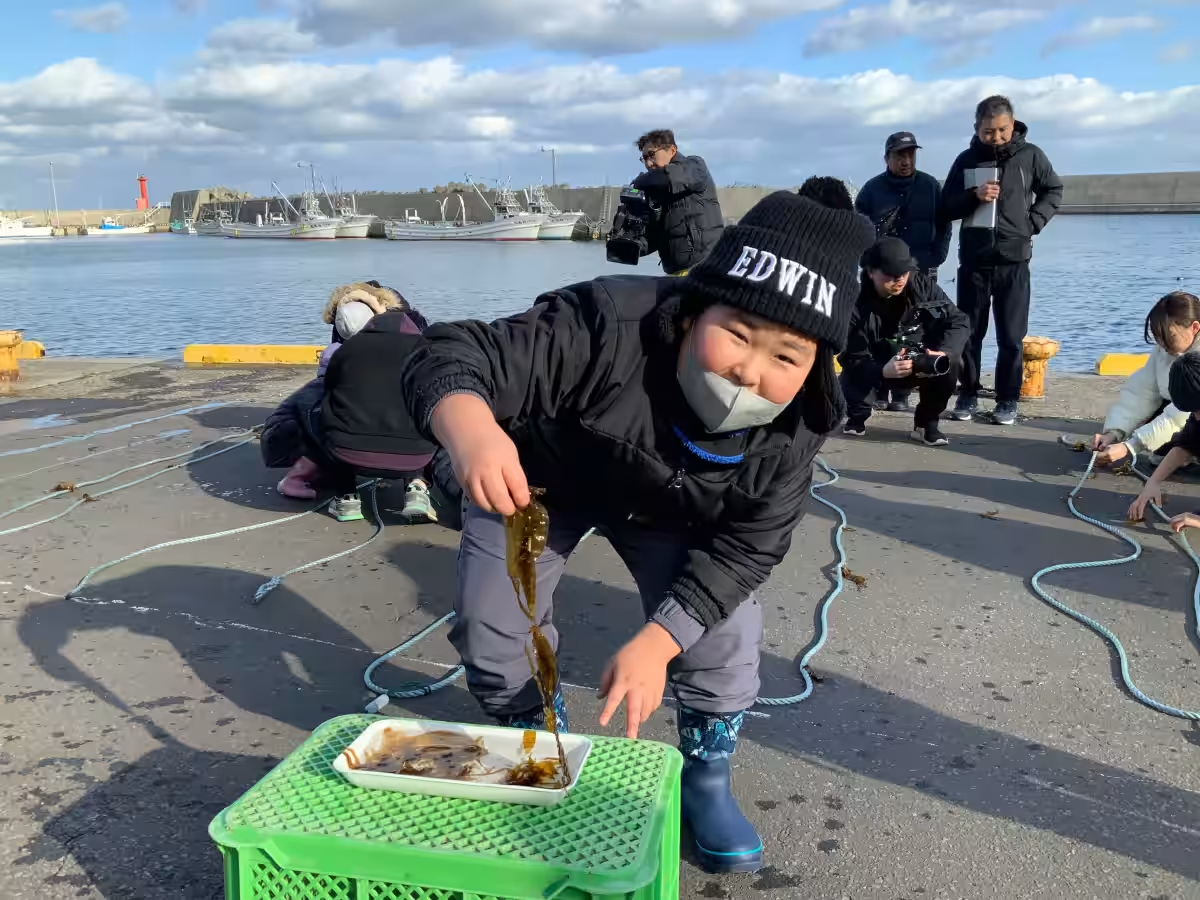
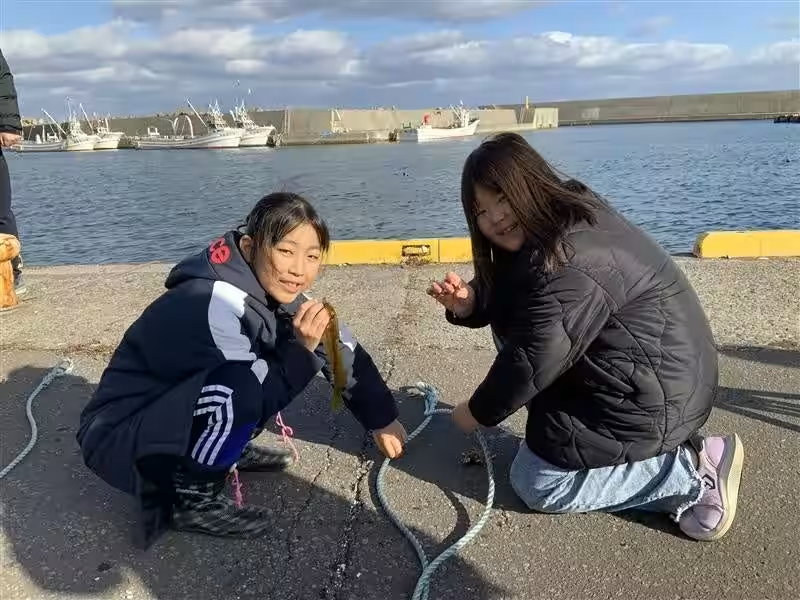
During the seeding event, students will learn about the challenges facing marine life and the significance of sustainable practices, which are critical for the preservation of Hokkaido's natural resources. Participants will get their hands dirty planting kombu seeds and eventually will have the opportunity to partake in the harvest, creating a direct connection to the food they consume and the ecosystems that sustain them.
As part of the project, Seven-Eleven plans to promote a new cold Hakodate salt ramen product, made using locally sourced kombu. This product is not just another ramen option; it represents a sustainable food source and has already won the "FOOD SHIFT Selection 2025" excellence award for its contribution to a sustainable food system.
Collaboration for a Sustainable Future
The collaboration between Seven-Eleven, Hakodate City, and WMI is designed not just to revive local marine ecosystems but also to stimulate the economy and enhance community engagement. By integrating education, environmental protection, and local sourcing, this project exemplifies a comprehensive approach to sustainable development. The newly developed kombu product will also serve a dual purpose—highlighting local produce while providing a viable market for the fishermen, which in turn will motivate them to contribute more actively towards increasing production.
Testimonials from Participants
Feedback from participants reveals a growing enthusiasm among the children:
- - "I had fun doing the seeding for the first time and can't wait for the harvest!" (4th Grader)
- - "I learned so much about kombu and its importance. It was educational!" (5th Grader)
Educators such as Principal Higashitani expressed optimism: "I hope this project serves as a chance for students to connect with our region."
Fishermen like Mr. Takaya echoed this sentiment, stating, "To increase production, we must also boost consumption. It's encouraging to see a company like Seven-Eleven supporting us."
Mr. Sato from Hakodate City highlighted the importance of revitalizing the local fishing industry, aiming to restore the once-vibrant marine activities of Hakodate.
Recognizing Sustainable Practices
The "FOOD SHIFT Selection" initiative, supported by the Ministry of Agriculture, Forestry and Fisheries, aims to recognize domestic agricultural products and processed foods that contribute to sustainable food systems. By integrating local products into their offerings, Seven-Eleven not only enriches the local economy but also promotes environmental consciousness.
In conclusion, the Sea and Kombu Forest Project represents a multifaceted approach to environmental education and community involvement. As local children learn to appreciate and protect their marine environment, they also enrich their understanding of sustainable living. With continuous collaboration between businesses and local authorities, there is hope for both the ocean and the community's future.
This endeavor showcases how local partnerships can lead to significant changes in our environment, encouraging a generation that values sustainability, community engagement, and respect for nature.

Topics Environment)
【About Using Articles】
You can freely use the title and article content by linking to the page where the article is posted.
※ Images cannot be used.
【About Links】
Links are free to use.