



Exploring Earth’s Environment Through Cosmic Perspectives: An Event at Meiji University
Event Overview
On August 1st, Pal System Federation, in collaboration with Meiji University's Faculty of Commerce, hosted a unique discussion titled “Borders Dissolve: Our Planet of Green and Water Seen from Space.” This event brought together astronauts, manga artists, and writers to delve into pressing environmental issues, viewed through the lens of outer space.
The gathering aimed to remind participants about the indispensable natural resources on our planet, such as water, air, and ecosystems, while emphasizing the importance of environmental conservation. The event saw participation from around 500 attendees, both in-person and online.
Inspiring Talks
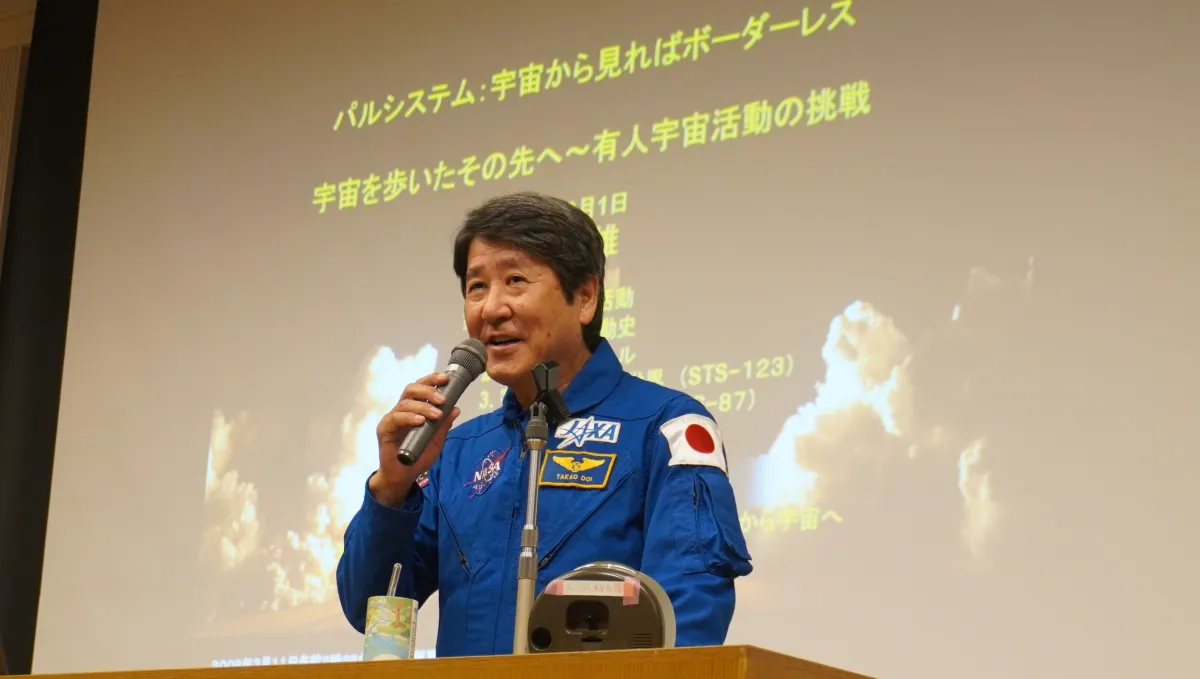
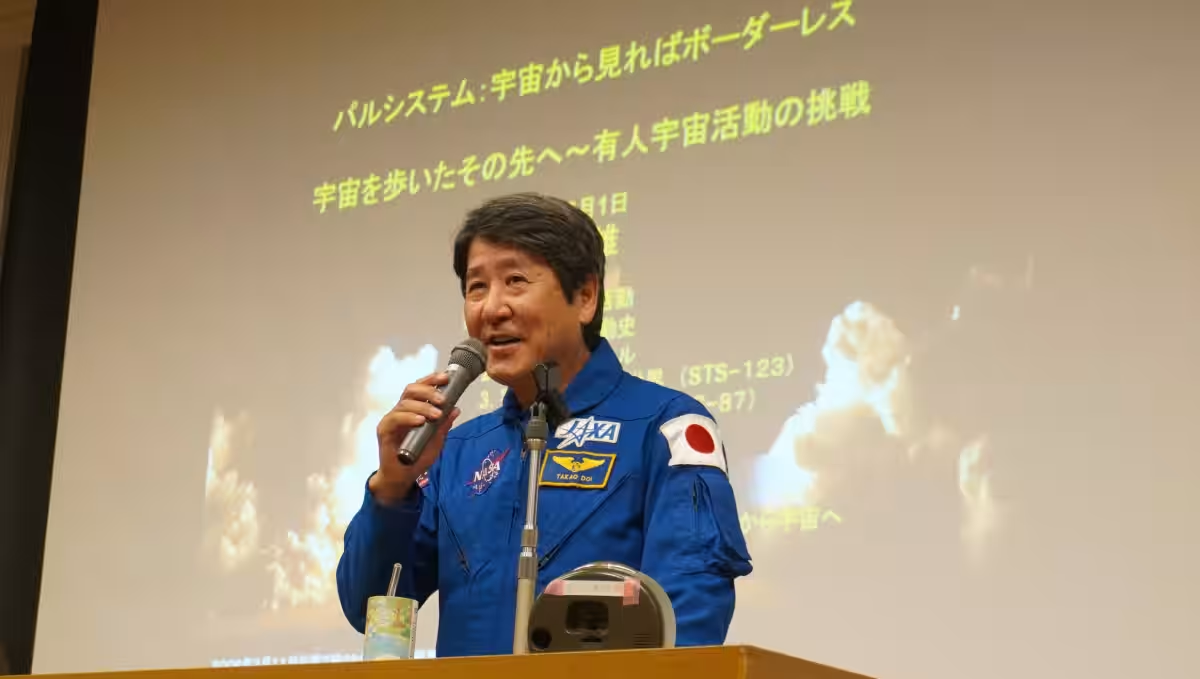
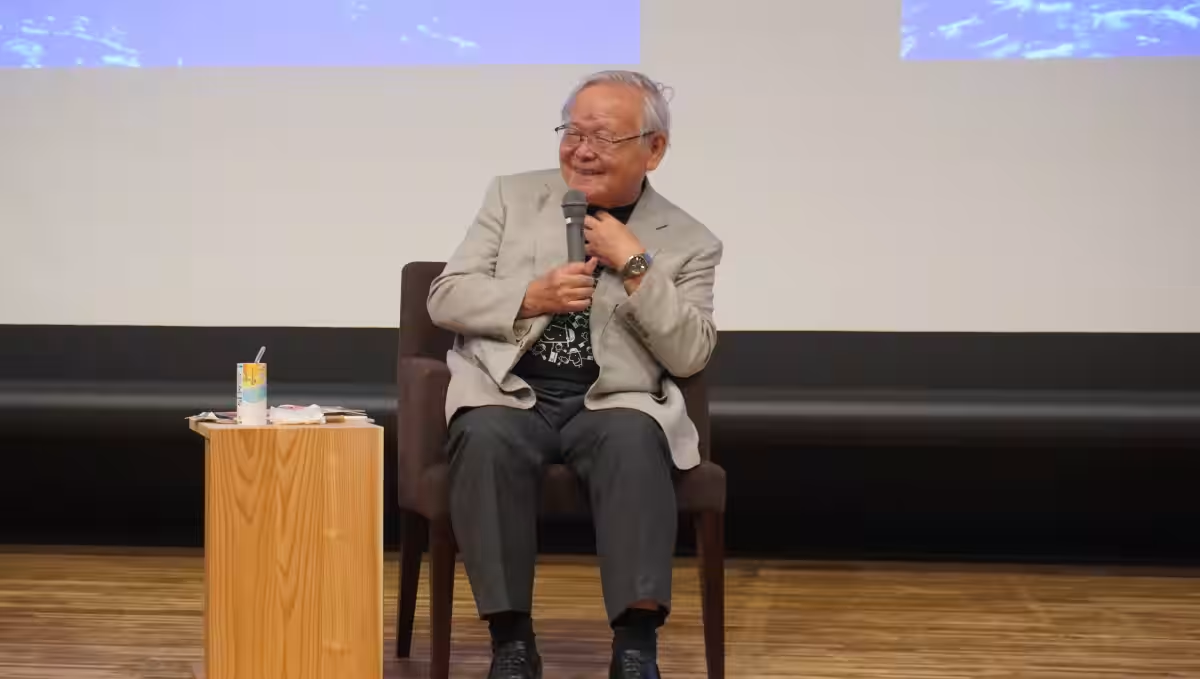
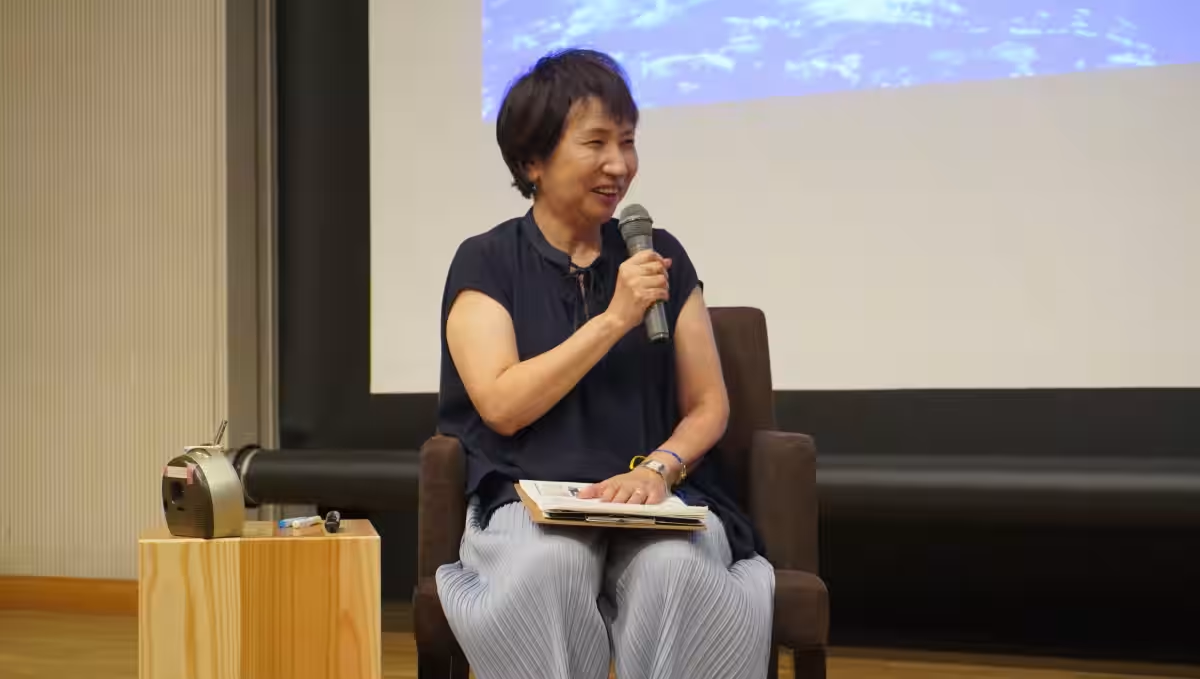
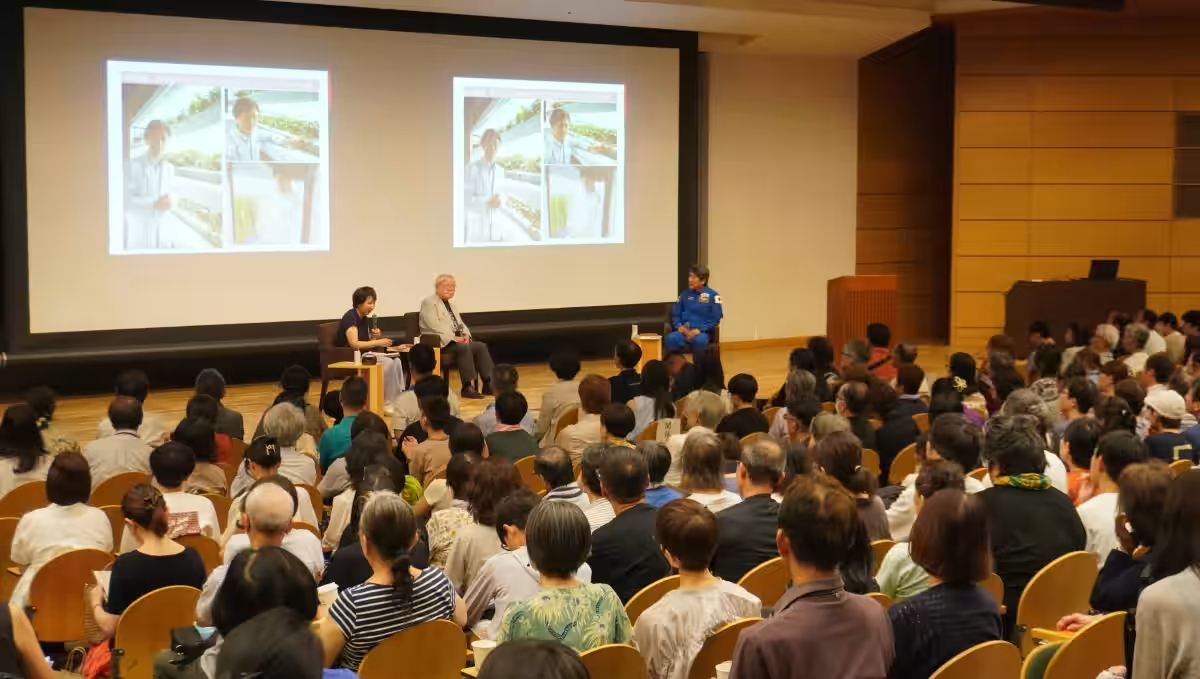
The event kicked off with a lecture by Takuya Doi, Japan's first astronaut to conduct a spacewalk and successfully attach a human space facility, Kibo, to the International Space Station. His insights were followed by a dynamic talk session featuring Yoshiyuki Sadamoto, famous for his contributions to space-themed anime like Mobile Suit Gundam, and writer Kimiyo Hayashi. Together, they fostered discussions about the interconnectedness of space and Earth's environmental challenges, and how individuals can contribute to preservation efforts.
Takuya Doi's Insights
In his talk titled “Beyond Walking in Space: Challenges of Manned Space Missions,” Doi shared captivating photos and videos illustrating life and research in space. He recounted the history of Japanese astronauts, highlighting the accomplishments of pioneering figures like Mitsuo Maeda and Koichi Wakata. Doi reflected on his experiences during missions, recalling how beautiful Earth appeared from space. He noted that during his second mission onboard the Endeavour, he operated manually, ensuring the critical coherence of the landing process, which left a profound impact on him.
Doi explained, “Whether it’s eating or sleeping, life in space is quite similar to life on Earth. However, the experience of survival and weightlessness in space is a wondrous gift.” He expressed optimism that living in microgravity may slow down aging, potentially increasing human longevity.
The Path Forward: Human Space Studies
Doi advocates for a new field of study called “Human Space Studies,” aimed at discovering ways humanity can thrive in space while building a sustainable society. He emphasized, “The challenges of resource depletion and food shortages can be addressed by adapting the conditions for building societies in space, contributing to the achievement of the Sustainable Development Goals (SDGs).” Currently, Doi is also working on developing environmentally conscious wooden satellites, which minimize atmospheric pollution during re-entry compared to aluminum satellites. One such project, LignoSat, set to launch as the first wooden satellite in 2024, represents a significant step in this direction.
Conversations on Space and Environment
The event featured a lively discussion that expanded into themes of space, peace, and environmental concerns, led by Yoshiyuki Sadamoto. With moderator Kimiyo Hayashi's expertise in space and astronomy, they tackled the latest advancements in space exploration, including crop cultivation in simulated lunar environments and innovative energy solutions.
Sadamoto shared insights about his experience during the creation of Mobile Suit Gundam, specifically referencing the concept of “Space Colonies.” He expressed renovated faith in the possibility of terraforming Mars and the Moon, inspired by scientific theories about artificial gravity.
On the pressing issue of environmental degradation, he reflected on the extensive environmental movements that began in the 1970s and noted, “The urgency of these issues is more critical now than ever.”
Looking Towards the Future
Doi expressed a stark contrast between the pristine view of Earth from space and the visible signs of climate change experienced on the ground, emphasizing the need for a unified focus on safeguarding our planet while pursuing ambitious space ventures.
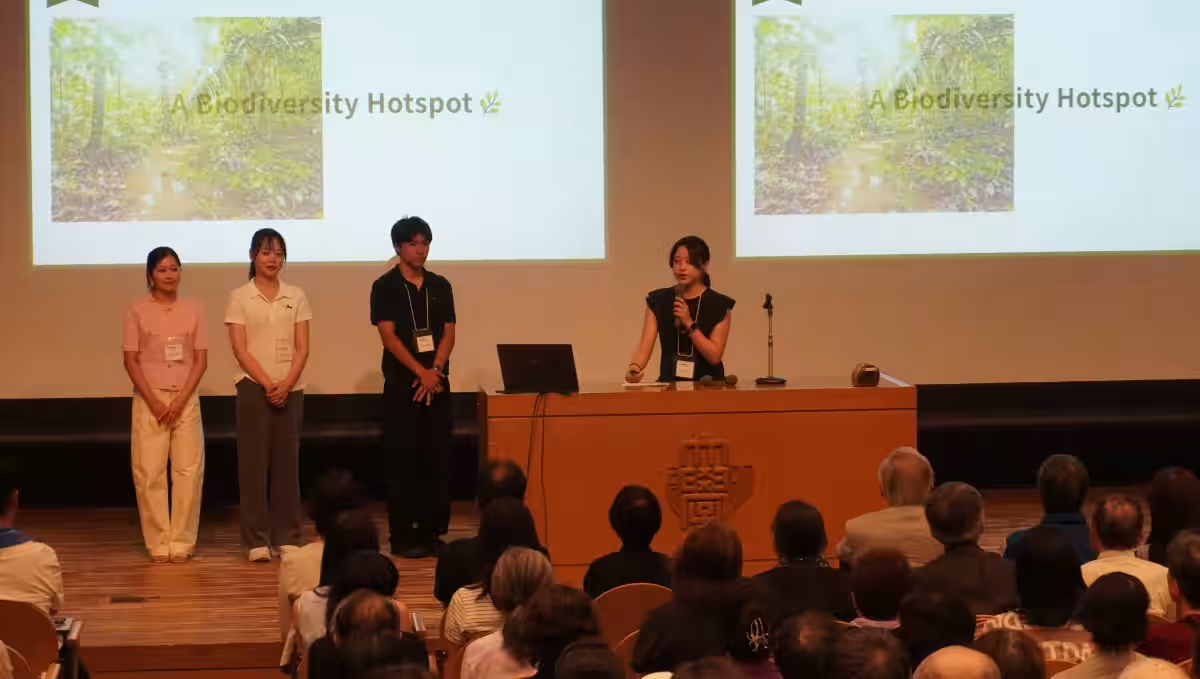
In the closing segment, students from Meiji University presented findings on Ecuador’s environmental protection initiatives, which highlight “rights of nature” enshrined in their constitution. Their insights underscored the necessity of fostering symbiotic relationships between humans and nature, enhancing awareness of sustainable practices that could lead other nations toward greener futures.
In concluding remarks, both Doi and Sadamoto urged the next generation to aspire toward the stars, encouraging attendees to cultivate dreams of groundbreaking experiences akin to the monumental moon landing, driving home the idea that our journey into the cosmos holds incredible potential for humanity and the Earth.
About Pal System Federation
Pal System, established in Shinjuku, Tokyo, is committed to understanding the state of the surrounding environment and collectively working toward a sustainable future with its members. For more information, visit their website: Pal System.

Topics Environment)
【About Using Articles】
You can freely use the title and article content by linking to the page where the article is posted.
※ Images cannot be used.
【About Links】
Links are free to use.