



Fostering Autonomy and Co-Creation in Organizations for the Future Workforce
Empowering Careers: Nurturing Autonomy and Co-Creation
The Business Policy Forum (BPF) of Japan has recently published a significant report as part of their 2024-2025 Human Resources Research Group's activities. Titled "Efforts to Foster Autonomy and Co-Creation in Both Individuals and Organizations," this report articulates the concept of career autonomy, emphasizing its original meaning and the necessity to revisit it in the modern context.
Understanding Career Autonomy
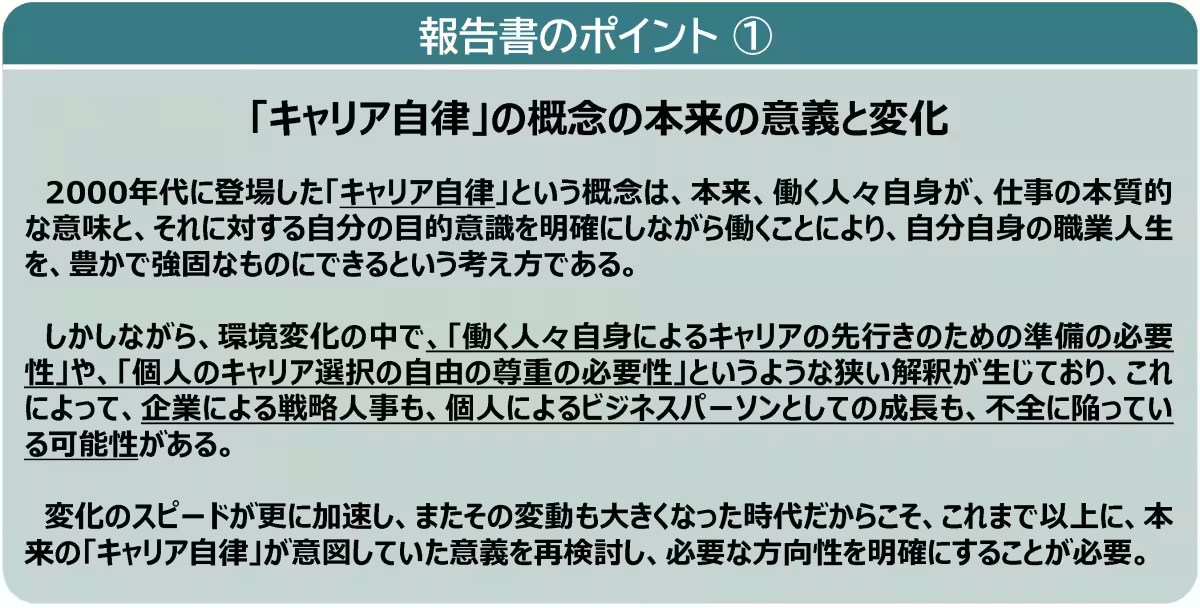
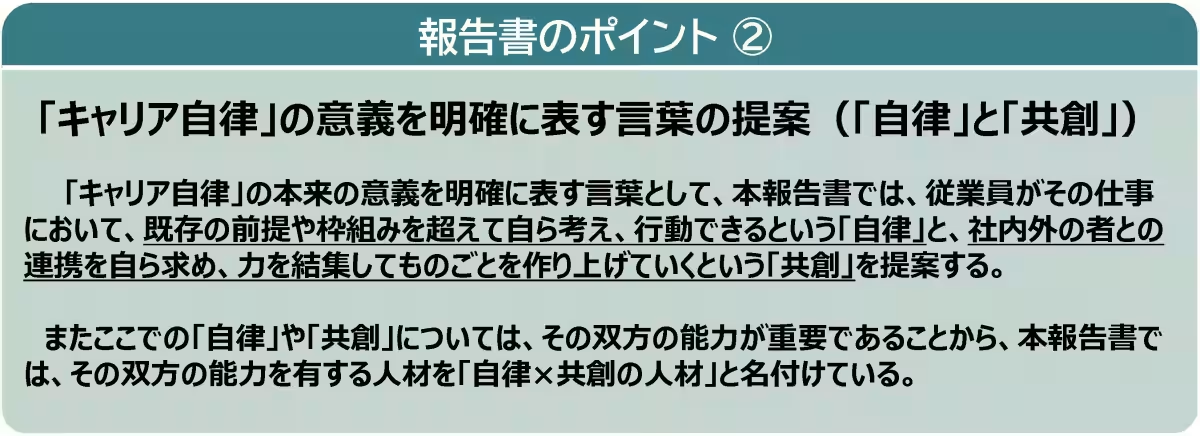
Career autonomy was initially conceived to empower individuals to think critically about the meaning and purpose of their work, allowing them to proactively build rich professional lives. However, in recent years, this concept has been increasingly narrowed down to limited interpretations focused on preparation for the future and the flexibility to change jobs. Such a restrictive viewpoint has diluted the essential value of career autonomy.
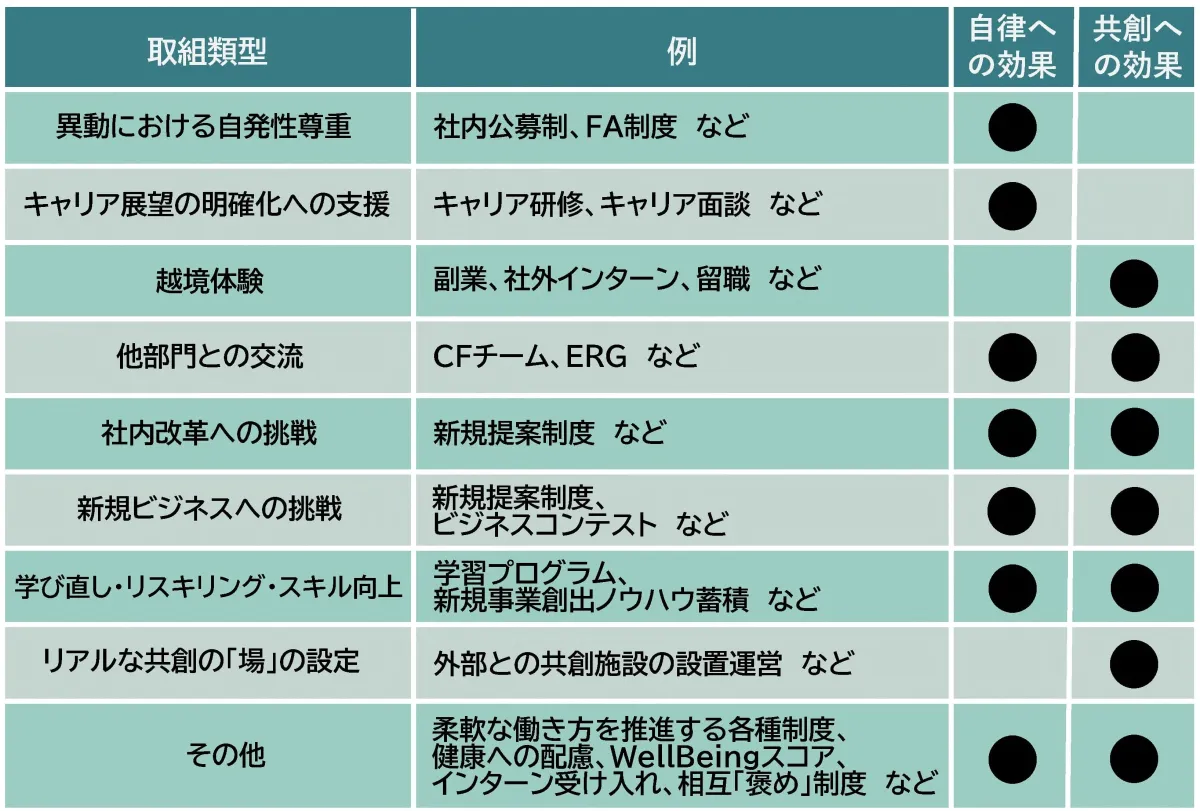
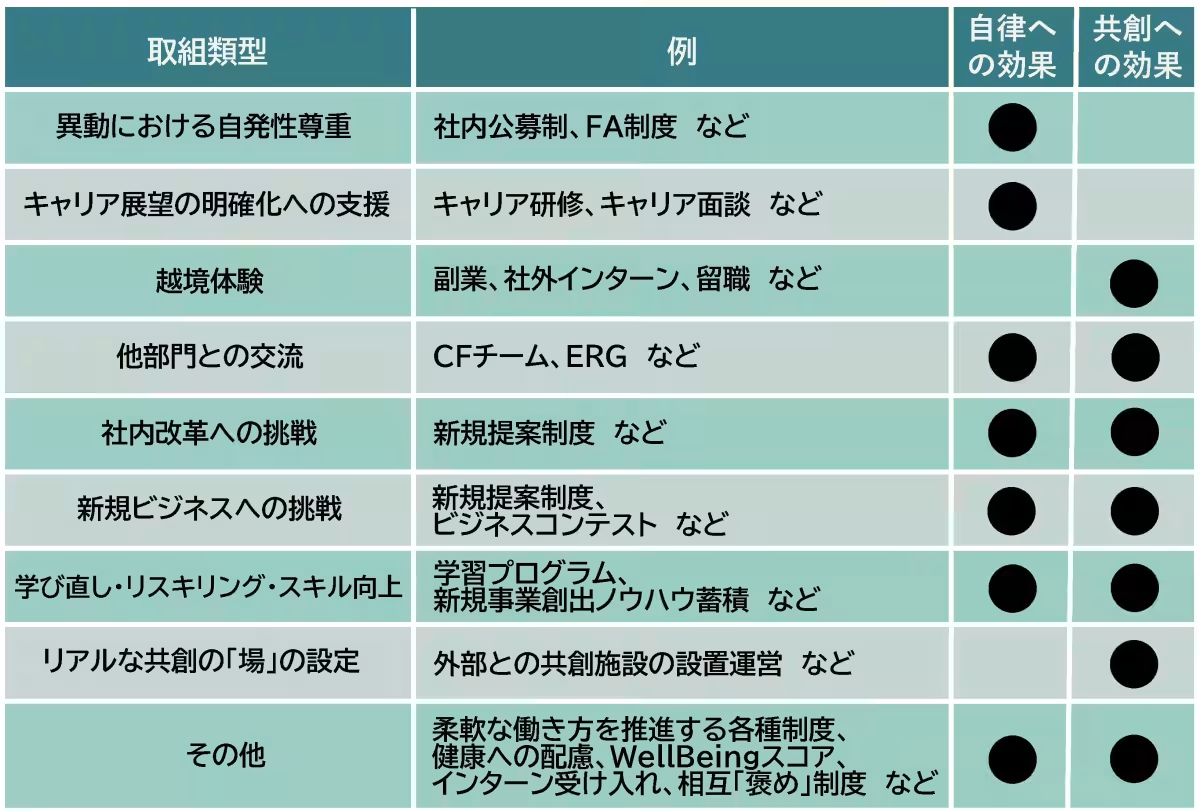
The report seeks to redefine this concept. It articulates that true career autonomy involves capacity to think and act beyond existing frameworks, referred to as "autonomy." Furthermore, it stresses the importance of actively seeking collaborations both within and outside the organization, termed "co-creation." As such, the report introduces the term “self-directed co-creators” to define individuals who embody both capabilities—autonomy and co-creation.
Implications for Organizations
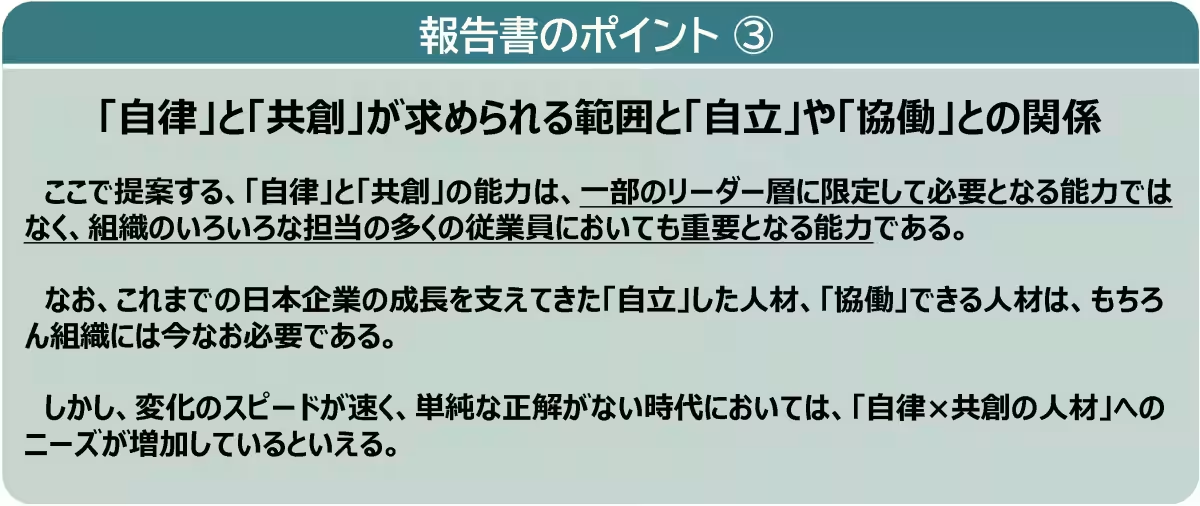
The skills of self-directed co-creators are not limited to specific managerial roles; they are essential for a diverse range of employees across various functions. This recognition signifies a cultural shift where all employees are encouraged to develop these competencies, facilitating a resilient and innovative workforce.
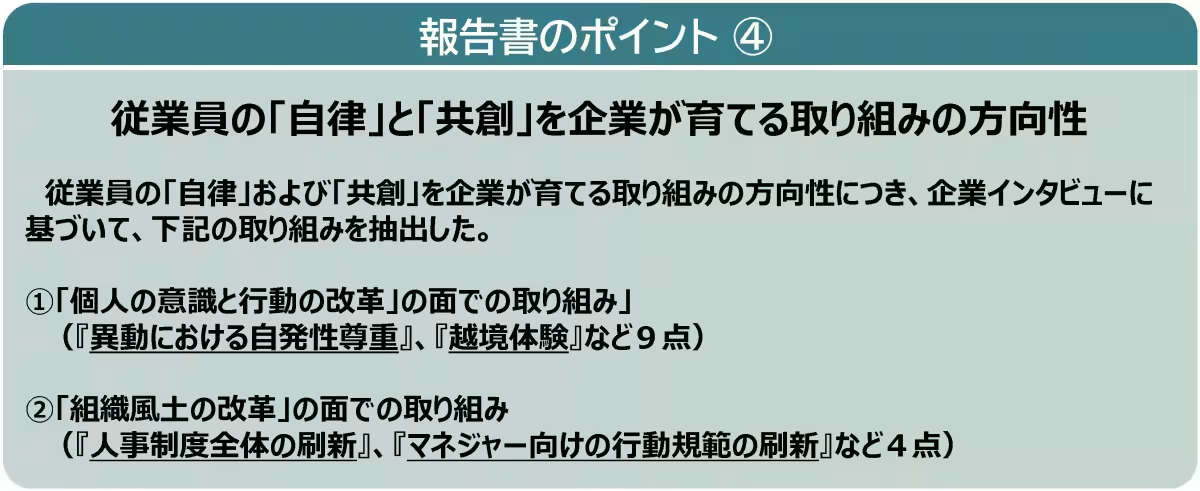
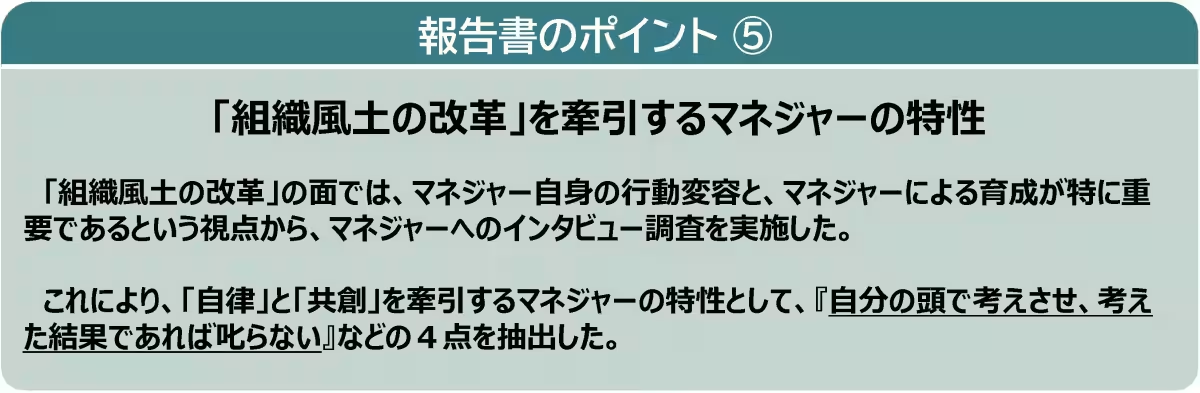
To enhance these abilities, a dual approach involving both individuals and organizations is necessary. The report outlines various strategies to achieve this synergy, highlighting the importance of supportive managers who encourage their employees to embrace challenges and pursue growth. The presence of such leaders in an organization is critical to fostering an environment conducive to exploration and collaboration.
Addressing Diverse Workforce Challenges
The BPF's Human Resources Research Group is devoted to examining diverse workforce challenges within Japan. Faced with demographic changes such as an aging population and declining birthrates, the research group aims to enhance corporate vitality by facilitating the engagement of a broad spectrum of talent, including youth, mid-career professionals, women, and foreign employees.
In light of recent developments in work styles and employment scenarios, the report outlines actionable recommendations for organizations. By addressing issues relevant to employment and human resources, the findings aim to bolster industrial competitiveness and overall economic growth in Japan.
Conclusion
In conclusion, the Business Policy Forum's report sheds light on essential paradigms for developing a future-ready workforce through the cultivation of autonomy and co-creation. For organizations to thrive, understanding and implementing these concepts is imperative. To explore the report in detail, please visit BPF's official page.
Furthermore, for comprehensive insights into Japan's evolving labor landscape, you can refer to the Human Resources Research Group's dedicated section here.
For more inquiries regarding the research initiatives of the BPF, please access their contact page.
Lastly, the Business Policy Forum is located at 3F DLX Building, 1-13-1 Nishi-Shimbashi, Minato-ku, Tokyo, and has been actively contributing to Japan's socioeconomic development since its establishment in 1984.
Topics People & Culture)


【About Using Articles】
You can freely use the title and article content by linking to the page where the article is posted.
※ Images cannot be used.
【About Links】
Links are free to use.