



Visiting the Tomioka Reconstruction Solar Project: A Community's Commitment to Healing and Sustainability
Revisiting Tomioka: A Beacon of Hope and Resilience
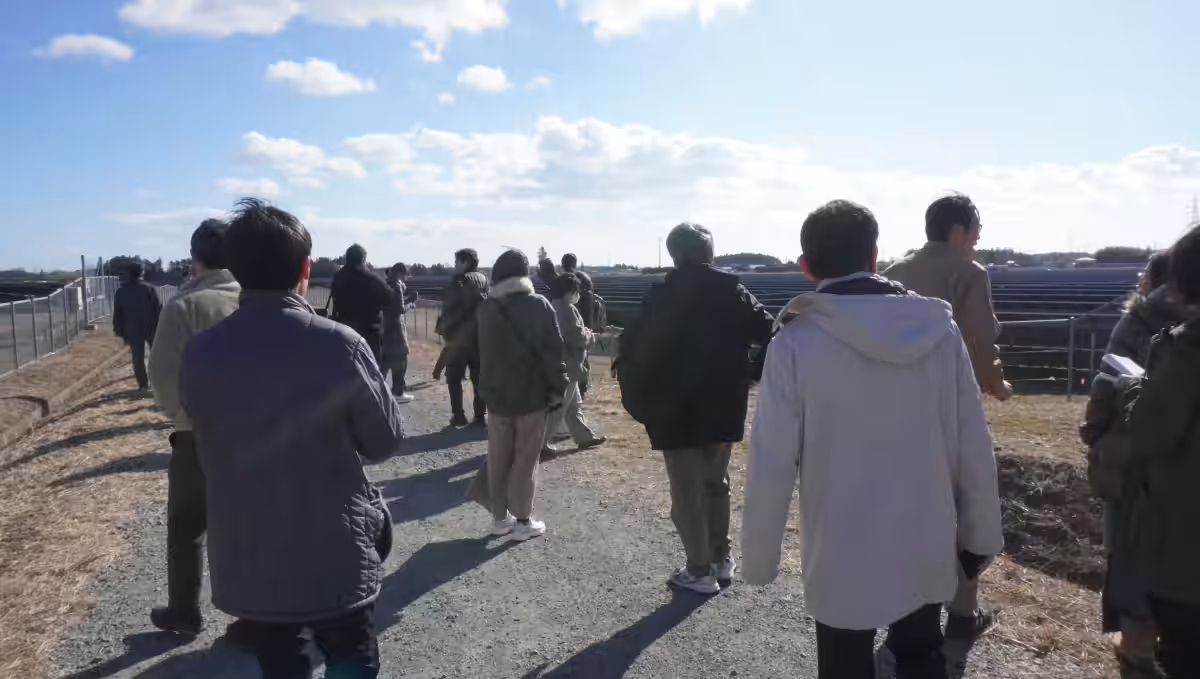
On January 16, 2026, the Pal System Federation, led by Chairman Atsuyuki Shibusawa, undertook a vital visit to the Tomioka Reconstruction Solar Project in Fukushima, aiming to keep the memory of the Fukushima Daiichi nuclear disaster alive and spotlighting the community's efforts towards a sustainable future. As we approach the 15th anniversary of the disaster, the project symbolizes a shift toward renewable energy and a commitment to building a decarbonized society.
Utilizing Unarable Land for Solar Power
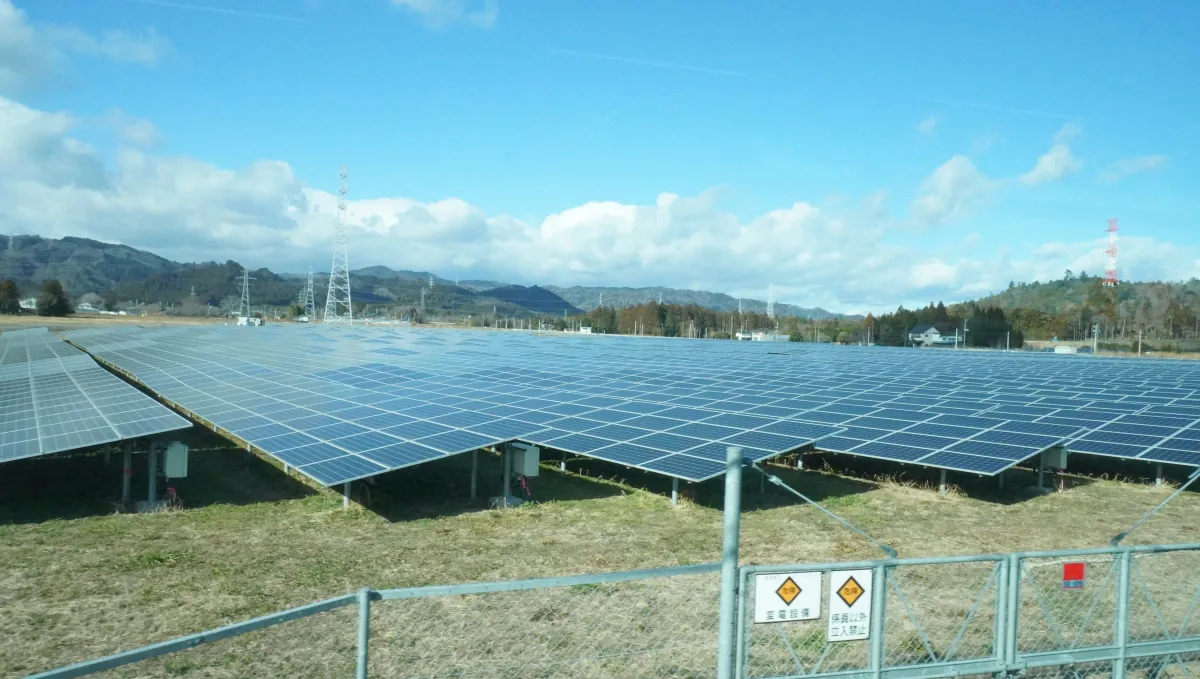
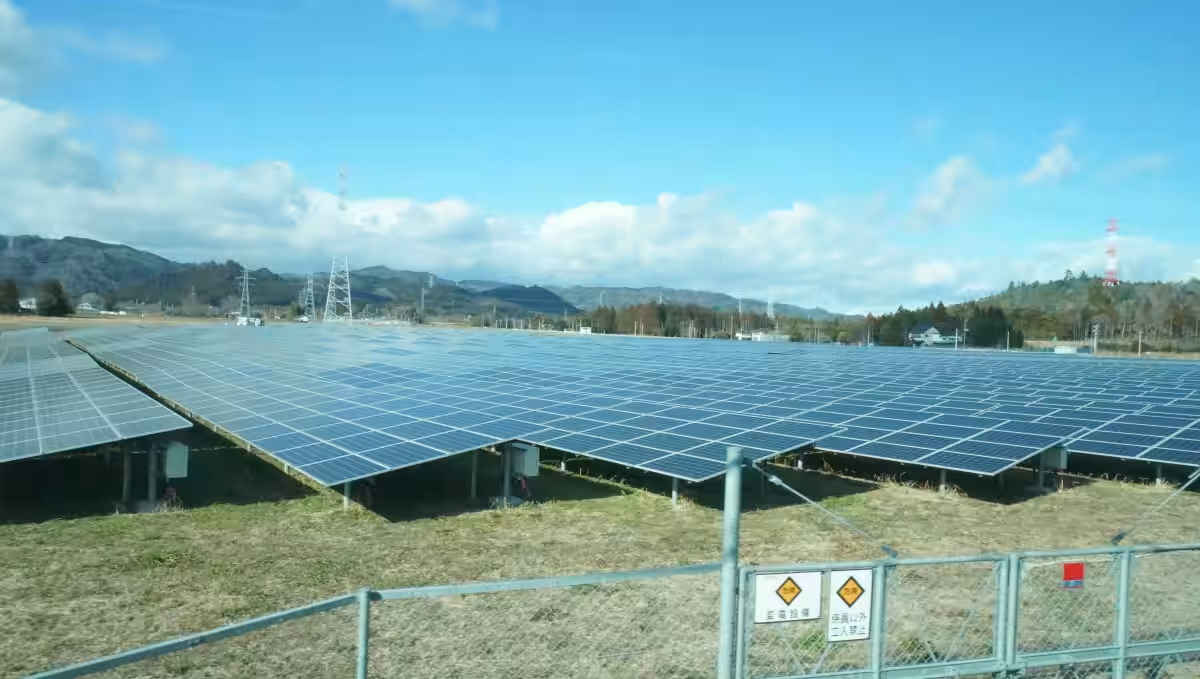
The visit took the group to the Tomioka Reconstruction Solar Power Plant located just 7 kilometers away from the Fukushima Daiichi Nuclear Power Plant. This ambitious solar energy project has been a community-led initiative, aimed at revitalizing Tomioka, a region that was designated as difficult to return to following the nuclear catastrophe.
The project, which occupies 34 hectares of previously fertile, yet now unarable farmland due to the disaster, has been operational since March 2018. It began supplying electricity to Pal System members in October of the same year, turning a tragic legacy into a sustainable energy solution. The revenues generated by this project are earmarked for welfare, agricultural, and educational initiatives within the local community, directly aiding in rebuilding efforts.
Empowering Through Eco-Friendly Solutions
Management of the Tomioka Solar Project falls under the capable hands of Ecroli, a company based in Chiyoda, Tokyo. Mitsushi Komine, the company’s Managing Director, expresses optimism for the future, stating, “Even after the establishment period of the Reconstruction Agency ends in 2030 and government support diminishes, we will continue to contribute to the community through solar energy.” He emphasized the importance of establishing connections with new generations of landowners who believe in the project’s mission.
Sharing the Stories of Resilience
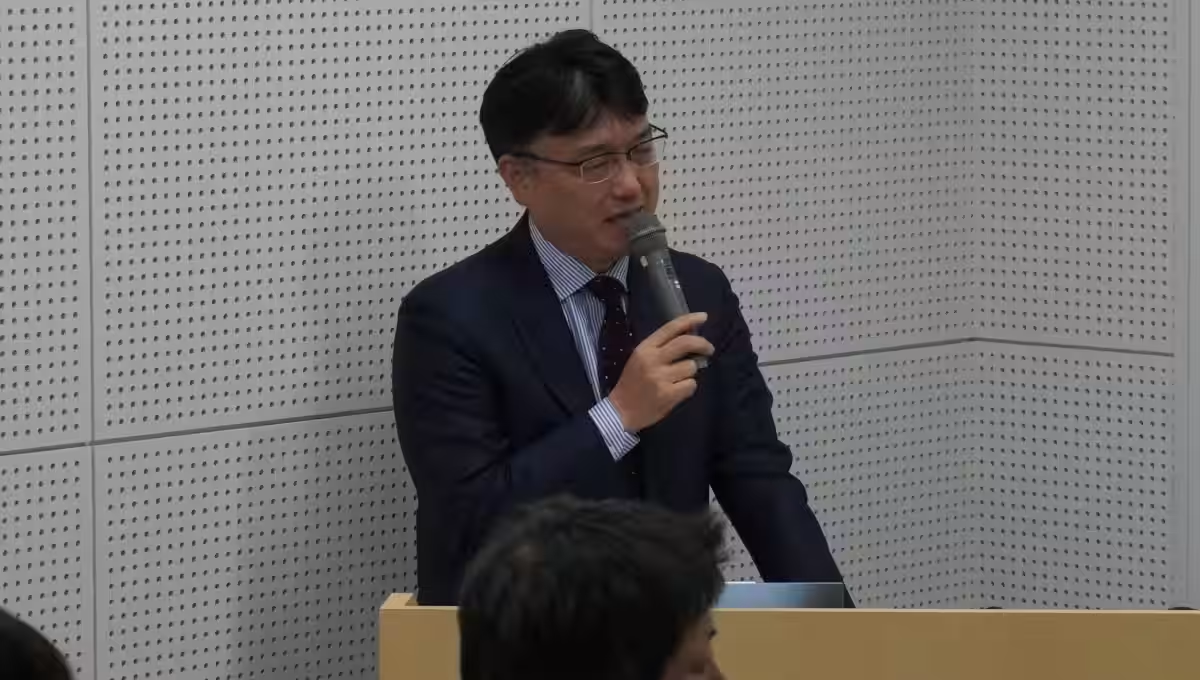
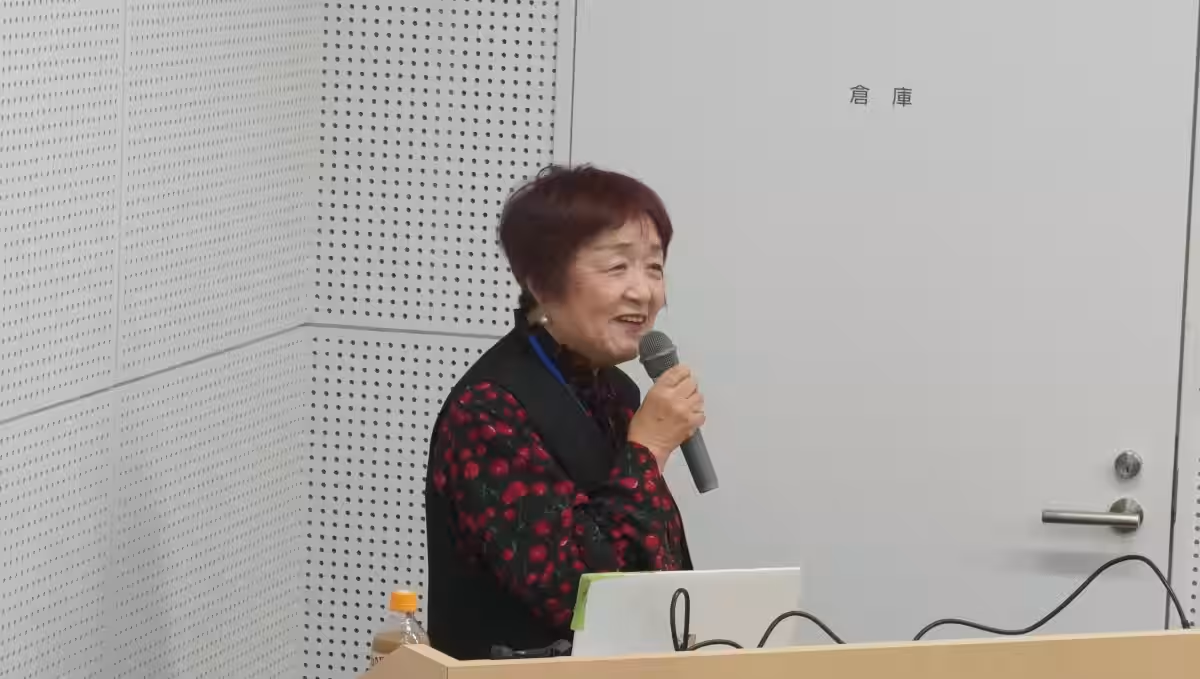
The visit also included a poignant session at the Tomioka Cultural Exchange Center, where participants were engaged by Komine’s insights along with Yasuko Aoki, head of the NPO “Tomioka 3/11 Storytelling Association.” Aoki passionately voiced the importance of remembering and relaying the ongoing struggles faced by the community, urging that the nuclear incident is not merely a chapter closed but an ongoing challenge.
“It’s essential that we ensure our young people return to our community,” she states, reflecting on the need for generational transmission of stories and experiences to keep the memory and lessons alive.
A Walk Through History
During visits to the “Tomioka Archive Museum” and the “TEPCO Decommissioning Museum,” participants learned about the severe repercussions of the disaster on the local community and monitored progress towards decommissioning efforts.
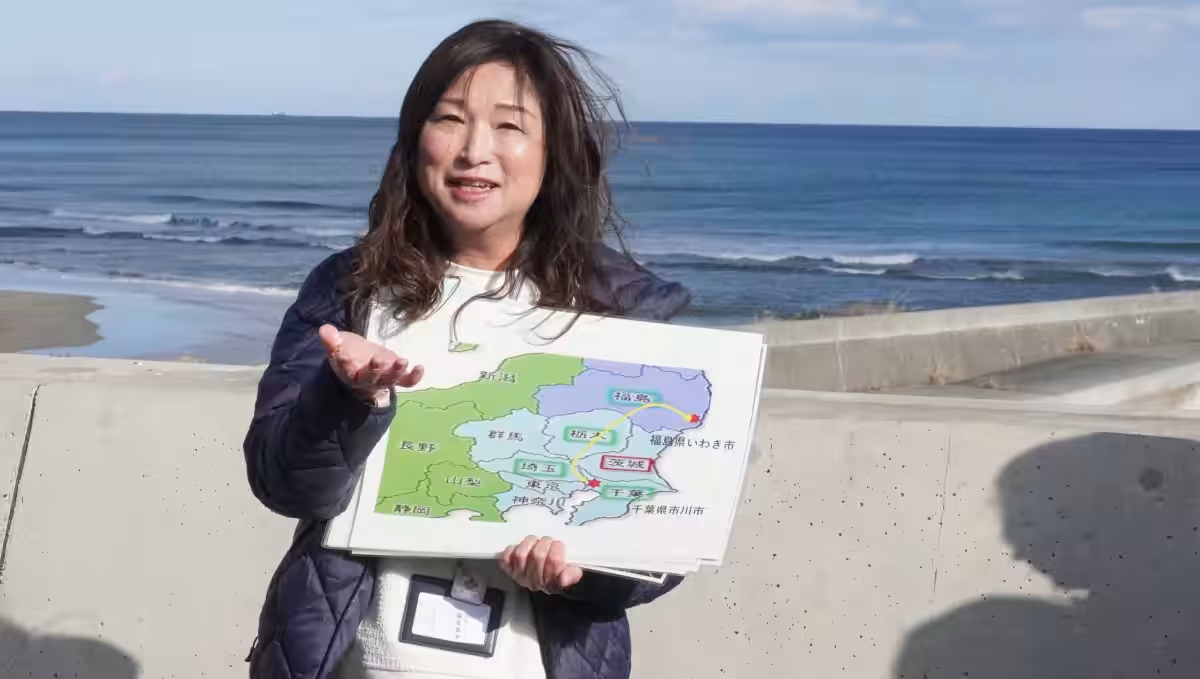
Guide Terumi Igari shared her personal tale, recounting the day a tsunami swept away her home and forced her family into evacuation. She remarked on her desire to return to Tomioka one day, affirming, “Even as I live distantly, I wish to return while I’m able. I will continue to share actions that safeguard lives.”
Commitment to Community Resilience
Pal System remains steadfast in its dedication to fostering lasting connections with the people of Fukushima, ensuring that the memory of the disaster does not fade away. They continue to pursue sustainable practices in support of both life and community resilience through food and energy solutions.
Conclusion
Pal System Federation, headquartered in Shinjuku, Tokyo, firmly believes in the power of collective efforts to heal and revive communities. With over two million members across various regions, the organization stands at the forefront of advocating for ecological sustainability while engaging with the voices of those affected by the Fukushima disaster.
Topics Other)
【About Using Articles】
You can freely use the title and article content by linking to the page where the article is posted.
※ Images cannot be used.
【About Links】
Links are free to use.