



Innovative Program to Support Women's Health and Workplace Wellness Initiatives
Introduction to Condition Care
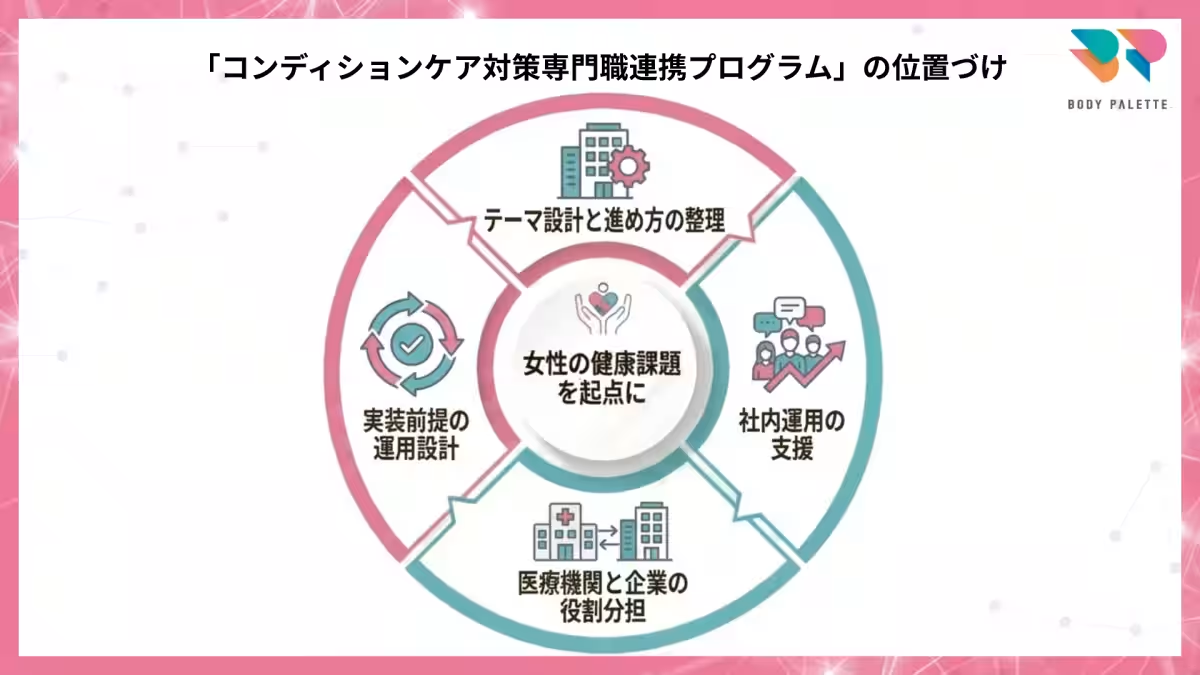
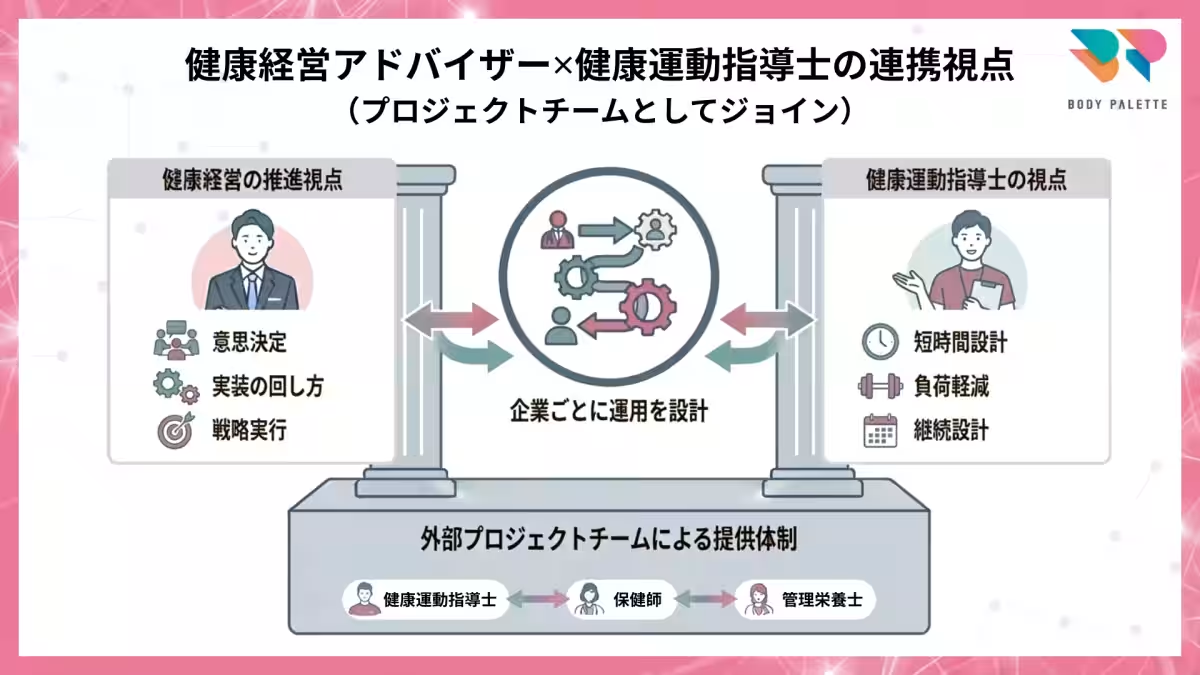
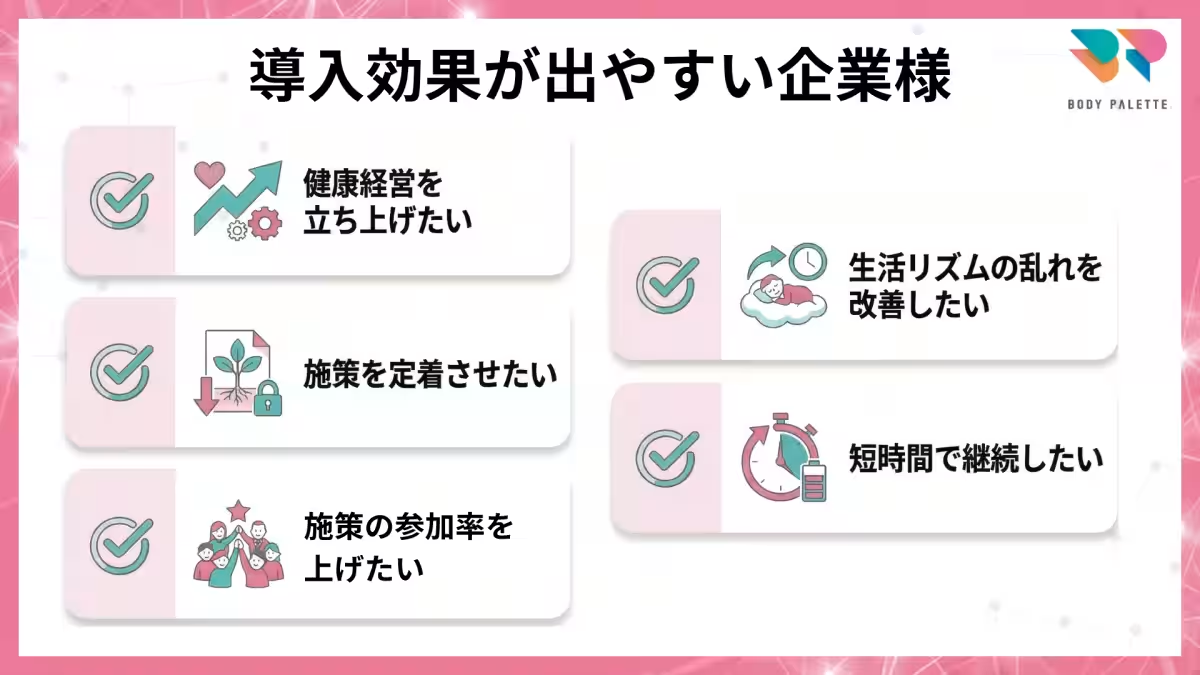
Fractal Workout Inc., based in Shibuya, Tokyo, has launched a specialized program aimed at addressing women's health challenges through organized theme design and strategies. This initiative is particularly crucial for workplaces where employees may face disruptions in their daily rhythm, especially during busy periods or seasonal changes. In this article, we will explore ways to integrate sustainable condition care practices in the workplace, focusing on the collaboration between health management advisors and fitness instructors.
Operational Challenges of Condition Care
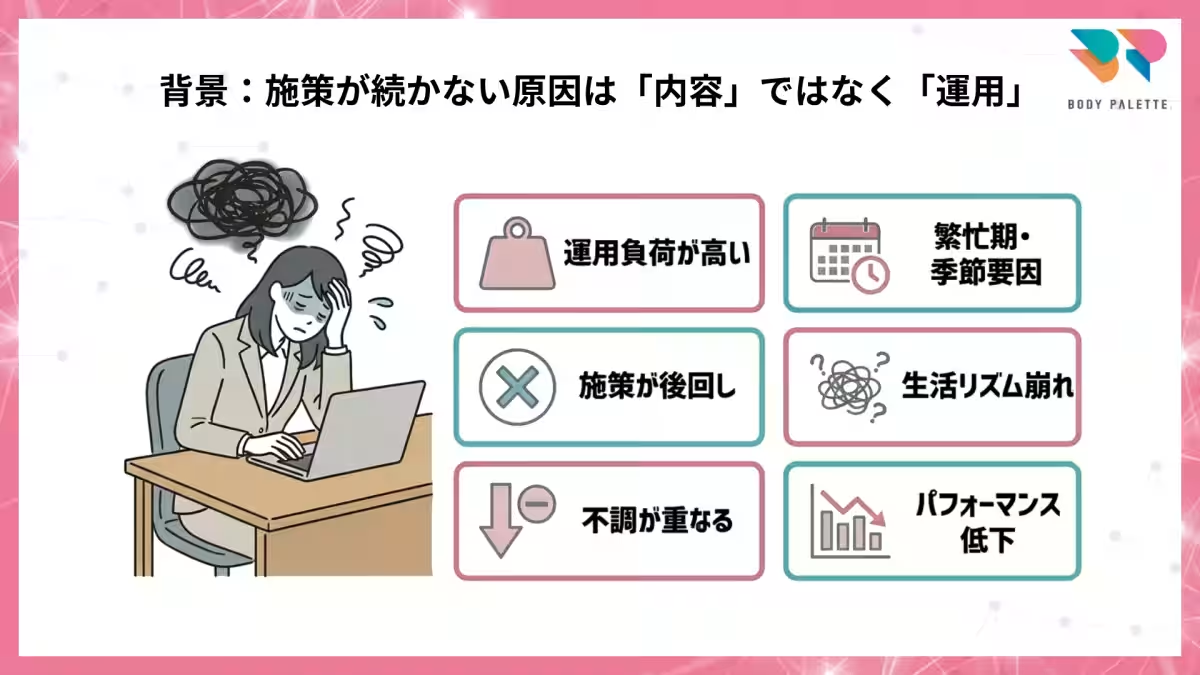
One critical finding is that the sustainability of condition care initiatives often falters not due to their content but because of their operational burdens. In high-pressure environments and during peak seasons, such workplace health strategies tend to be deprioritized. Consequently, this leads to a decline in performance and overall well-being. Given that women's health issues are often sensitive, it is essential to devise a workplace support structure that respects individual privacy while ensuring overall organizational health.
Common Workplace Issues
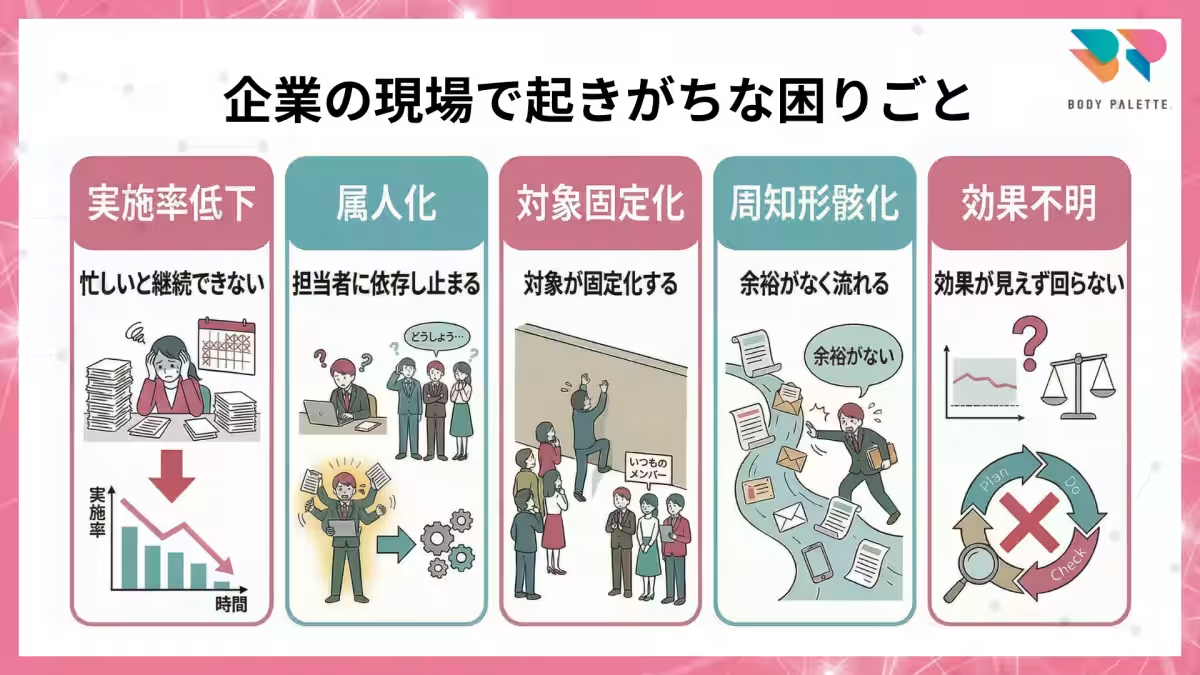
When condition care practices are implemented but fail to gain traction, several issues commonly arise:
- - Decreased participation rates during busy periods, leading to discontinuation of the program.
- - Reliance on specific individuals or departments, making initiatives vulnerable and prone to stagnation.
- - High barriers to participation that restrict access to certain groups of employees.
- - Despite efforts to disseminate information, employees may feel they lack the bandwidth to participate.
- - Difficulty in observing measurable outcomes, hindering the improvement cycle.
Reasons for Short-Term Initiatives' Failure
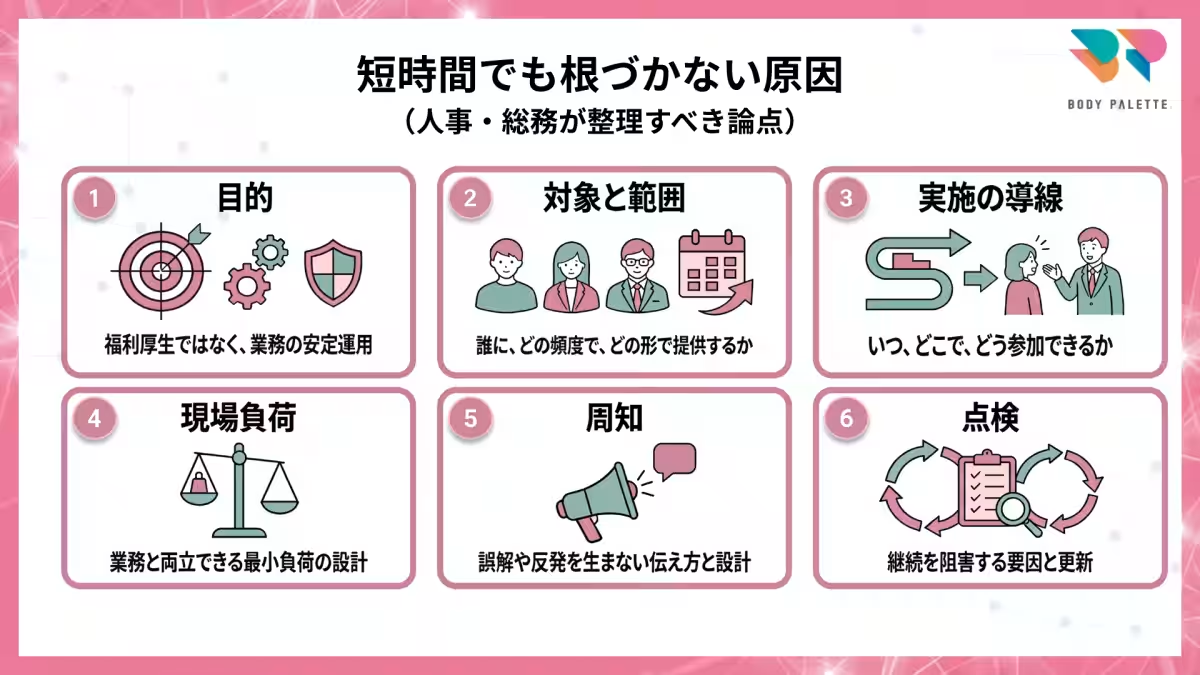
Even brief initiatives may struggle to take root if foundational design principles are not well established. Key considerations include:
- - Purpose: Are these initiatives seen as essential for operational stability, focusing on productivity and safety, rather than mere employee benefits?
- - Target Audience and Scope: Who is being targeted, how often, and in what form will they receive these resources?
- - Implementation Pathway: When, where, and how will participants be encouraged and able to engage?
- - Workload Management: Are the initiatives designed to minimize disruption to ongoing work?
- - Communication: Is information conveyed clearly to prevent misunderstandings and resistance?
- - Evaluation: How will we identify factors hindering sustainability and update our practices accordingly?
Scope of the Article
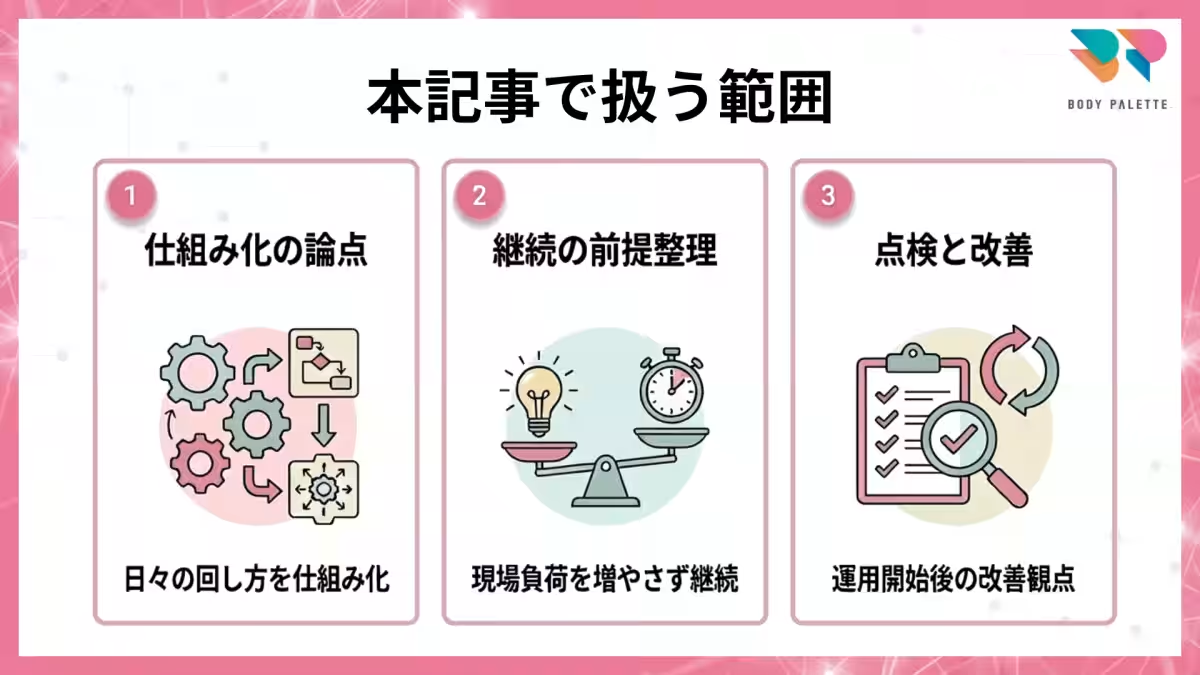
This article aims to provide a framework for establishing a condition care initiative that can thrive in the workplace. We will focus on key points each company should consider in tailoring their approach, without delving into specific exercise routines or checklists. Important topics to address include:
- - Organizational mechanisms to facilitate daily practice.
- - Precedents for ongoing participation without increasing workplace demands.
- - Guidelines for evaluating and improving operations after implementation.
Positioning of the Specialized Program
The
Topics Other)

【About Using Articles】
You can freely use the title and article content by linking to the page where the article is posted.
※ Images cannot be used.
【About Links】
Links are free to use.