



CLAS Surpasses 350,000 Circulated Items Ahead of Anti-Waste Day Celebration
CLAS Surpasses 350,000 Circulated Items Ahead of Anti-Waste Day Celebration
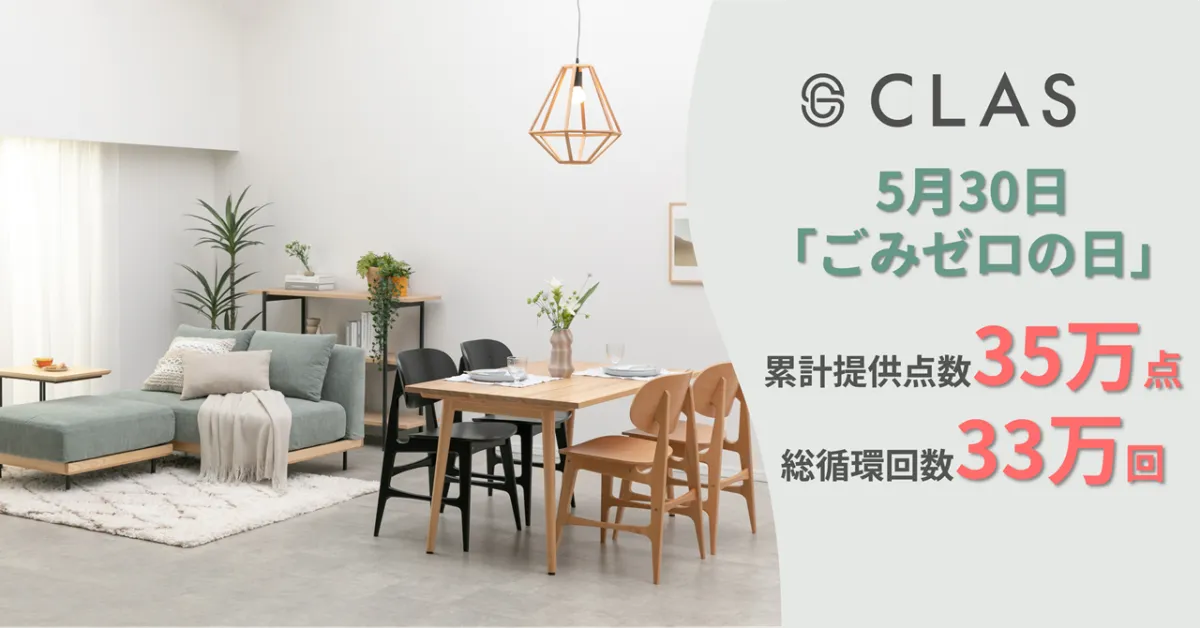
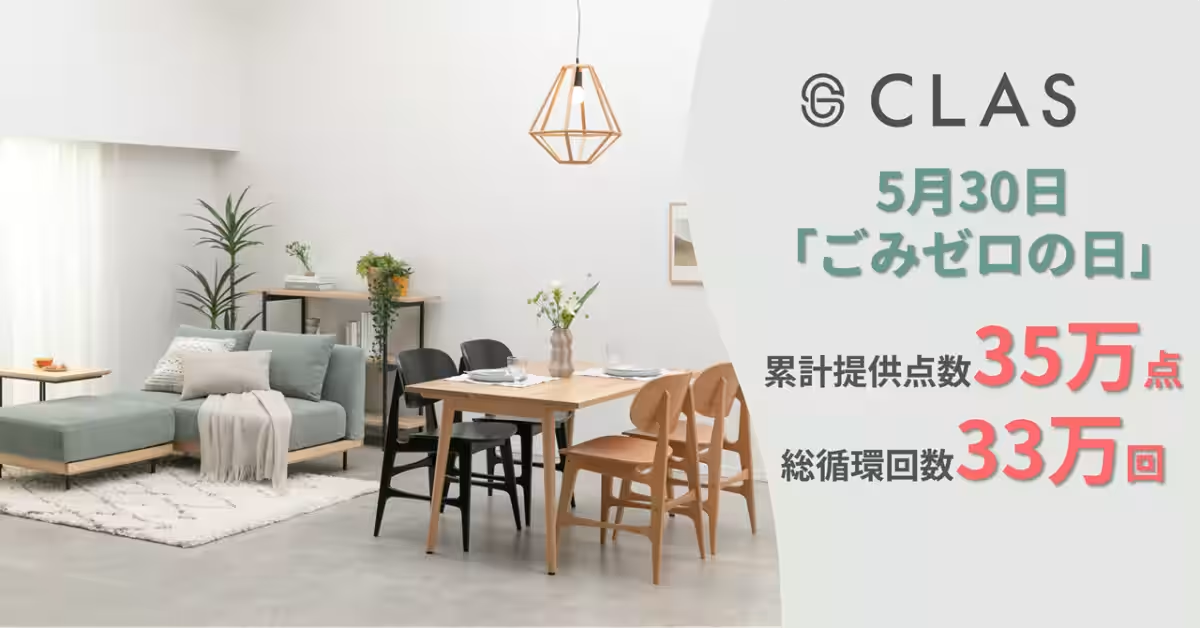
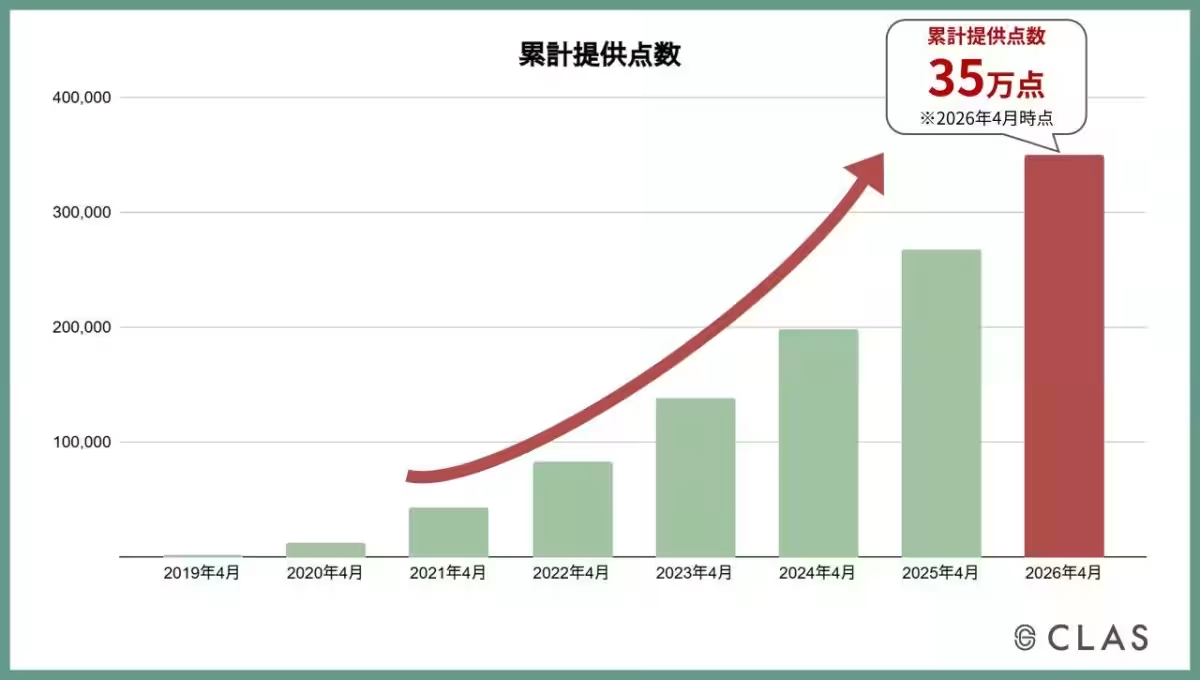
As Japan prepares for Zero Waste Day on May 30, CLAS, a leader in the rental and subscription services for furniture and appliances, has announced a monumental achievement. As of April 2026, CLAS has successfully circulated over 350,000 items, with a total circulation count of 336,950 times.
Background on CLAS
Based in Meguro, Tokyo, CLAS operates as a circular platform for individuals, offering rental and subscription services for home furniture and appliances, as well as support for business office setups and relocations through CLAS Biz. In addition, they provide home staging services for real estate with CLAS Home Staging.
With the increasing cost of living, many consumers are shifting their purchasing behavior towards more sustainable and practical solutions. In a recent survey conducted for Zero Waste Day, results revealed a growing demand for the ability to try items before committing to a purchase, as consumers were more cautious about avoiding mistakes in their buying decisions.
Survey Insights
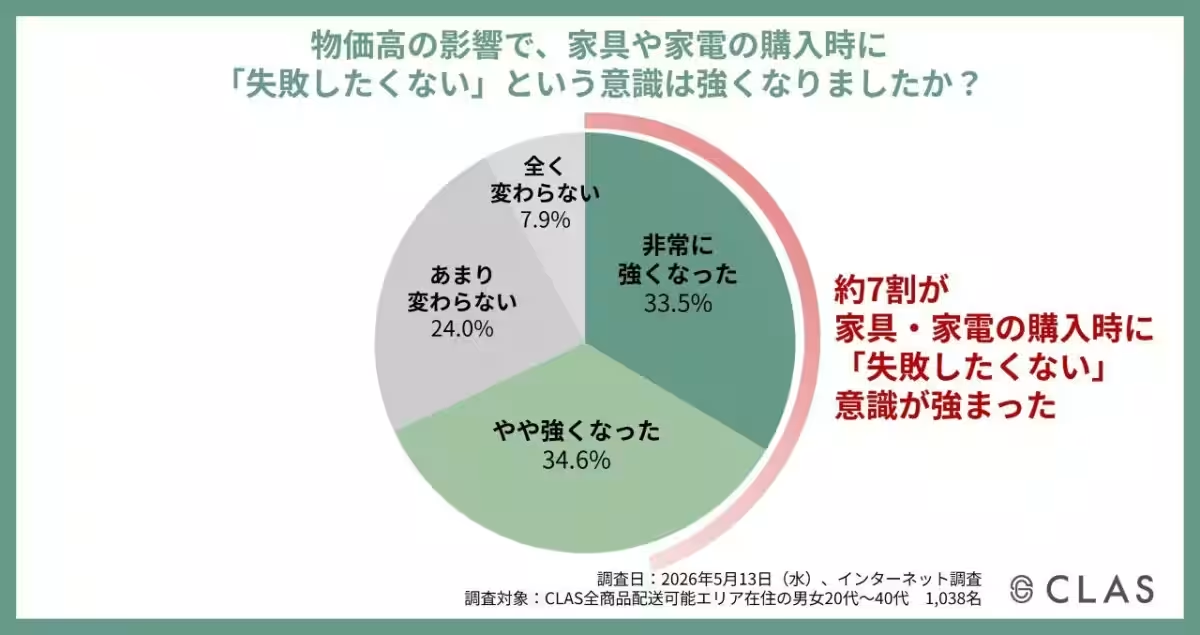
1. Increased Caution: Approximately 68.1% of respondents expressed that they have become increasingly mindful of not wanting to make mistakes when purchasing furniture and appliances.
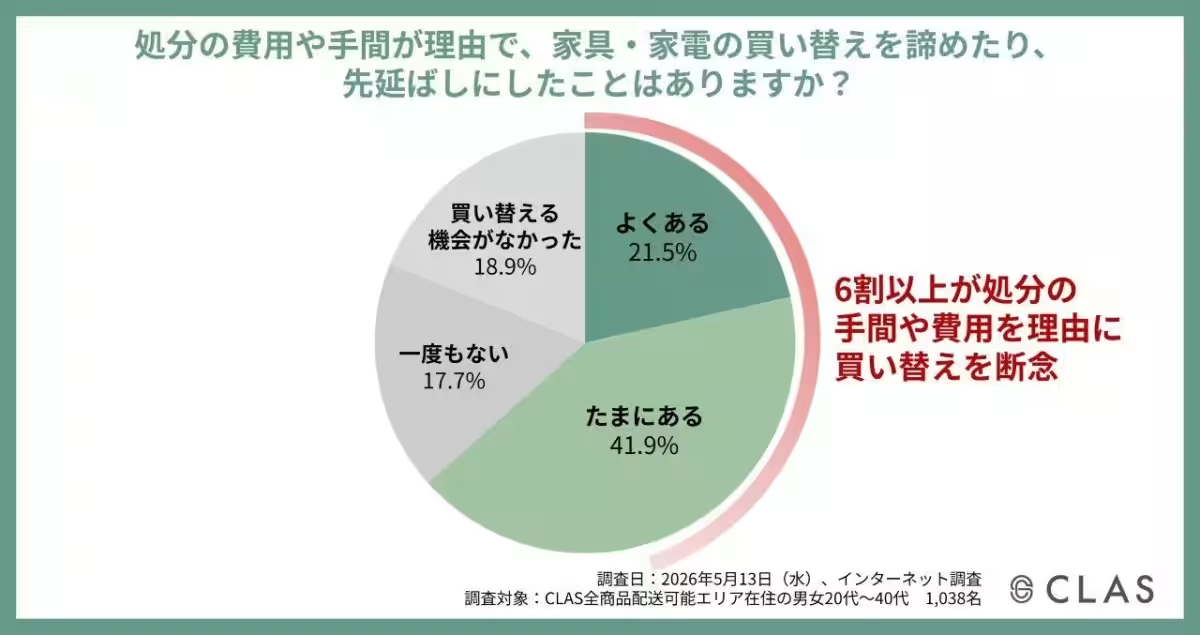
2. Avoiding Replacement Costs: Over 63.4% of participants indicated that they had delayed or abandoned plans to replace items due to the inconvenience or cost of disposal.
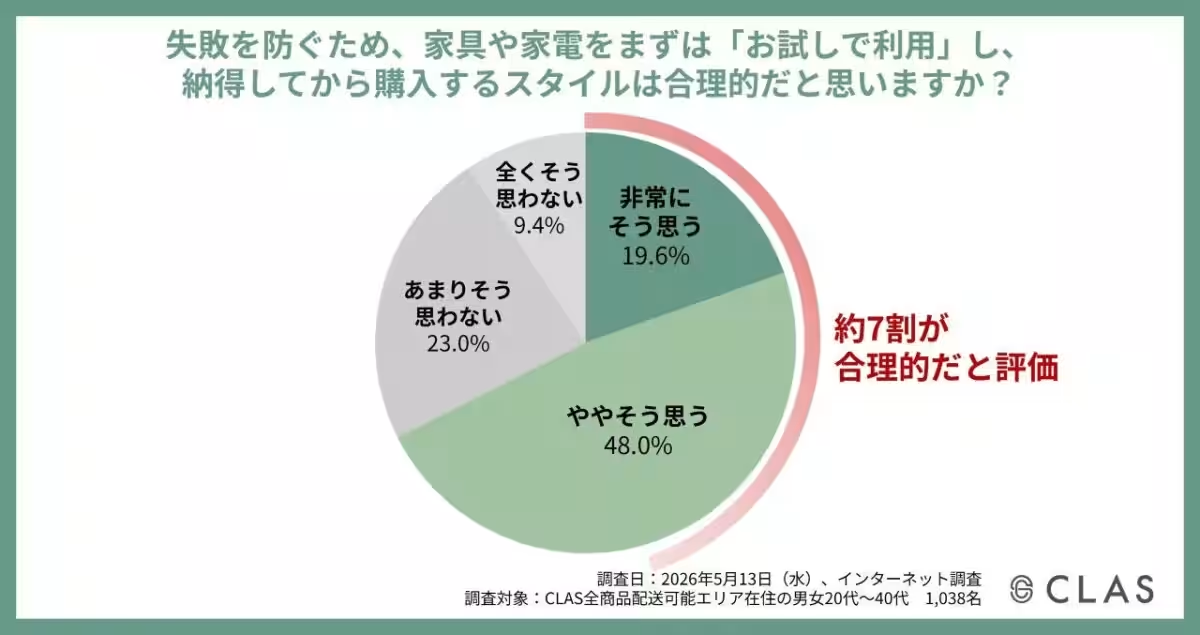
3. Trial and Assessment: About 67.6% of consumer respondents viewed the ability to try items before purchasing as a sensible approach to shopping.
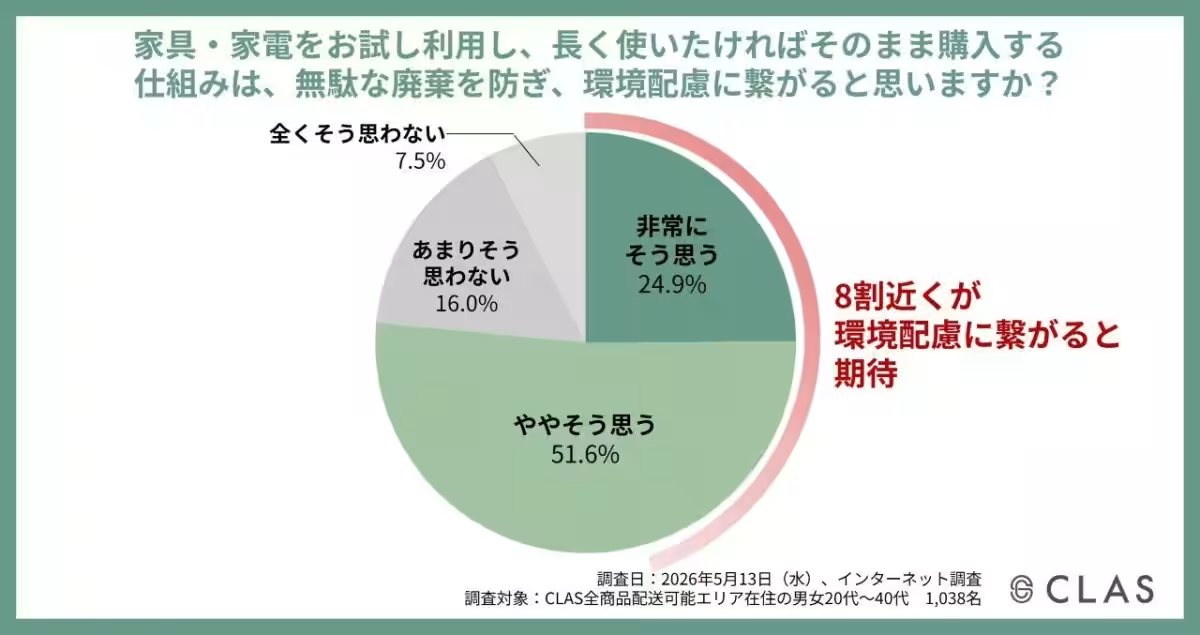
4. Environmental Concerns: Nearly 76.5% of survey participants expressed that a system allowing for testing items before purchase would help prevent unnecessary waste, contributing to environmental sustainability.
Addressing The Economic Burdens
Amid rising prices, consumers are seeking ways to minimize the risks associated with one-time purchases. CLAS offers a trial service that enables customers to use furniture and appliances in their homes for a reduced initial fee, allowing them to assess the usability before making a purchase. If they decide to keep the product, the initial fees are deducted from the total payment.
This strategy not only alleviates economic burdens by preventing mismatches that often lead to unnecessary waste but also reduces environmental footprints. CLAS has made this possible, with the total number of provided items reaching 350,974 by April 2026.
Robust Maintenance Support
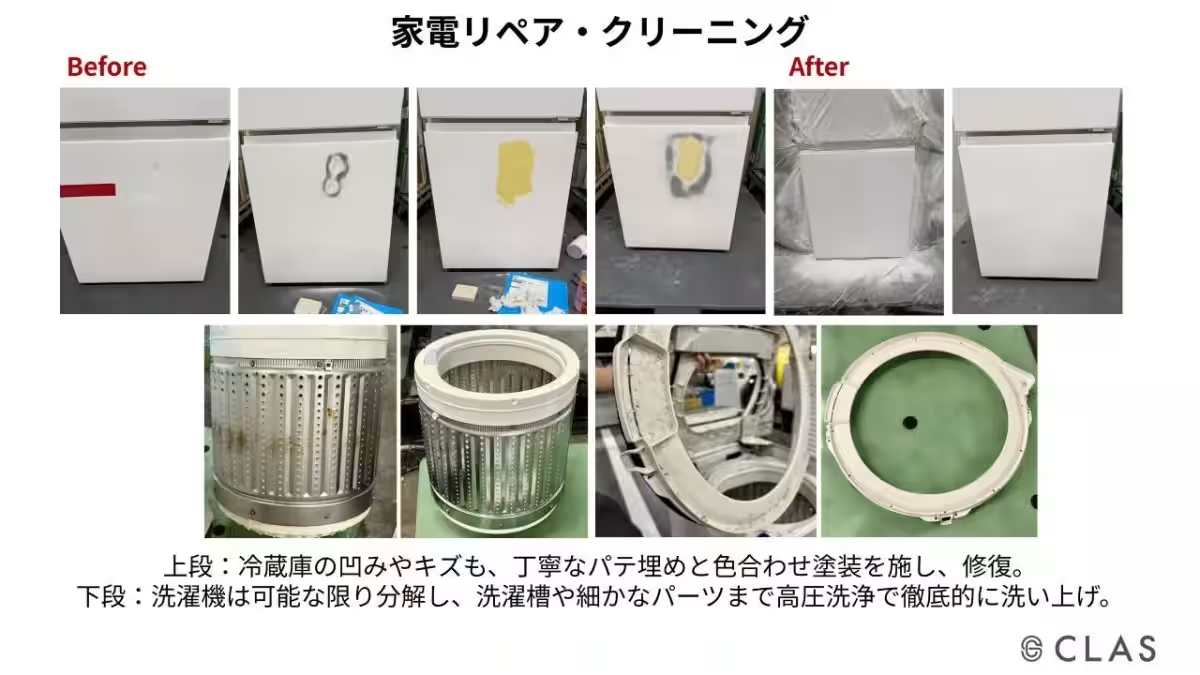
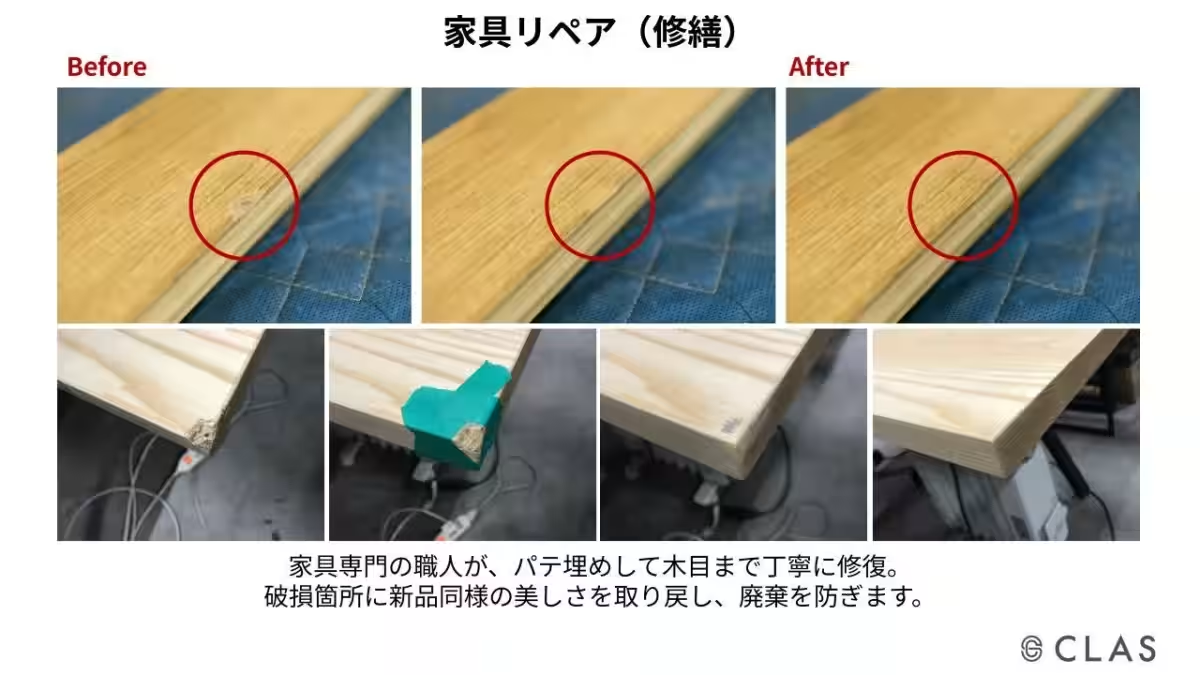
The circular market's success is grounded in the company’s professional repair and cleaning teams. By maintaining previously used items in optimal condition, CLAS extends the lifespan of products, thus reinforcing its commitment to sustainability with an impressive total circulation count of 336,950 iterations so far.
The Consumer's Shift
Recent data indicates a shift in consumer behavior in response to rising prices. Many respondents now show heightened caution in choosing furniture and appliances. In fact, a survey indicated that around 68.1% acknowledged that their desire to avoid mistakes has intensified due to financial pressures.
There is a growing burden associated with disposal, as over 63.4% of consumers have given up or postponed replacing items due to the hassle or cost of disposal. The burden of discarding items is not just a concern during major life events like moving; it’s a persistent barrier to acquiring new products.
Embracing a New Consumption Style
An encouraging finding from the survey is that consumers are increasingly supportive of the idea of trying products before buying. Approximately 67.6% find this fitting approach practical.
By adopting a rental and subscription model that allows borrowing with an option to purchase and subsequently return or exchange items when they are no longer needed, CLAS is aligning with modern consumer needs.
Environmental Benefits of Trial Services
CLAS aims not only to protect consumers’ wallets but also to actively contribute to environmental health. With Zero Waste Day in mind, there is a growing consensus—about 76.5% of respondents believe that trial services can prevent unnecessary waste and promote eco-conscious living. This feedback supports the circular economic model, as more people embrace the idea of using products longer and disposing of them responsibly if they do not meet their needs.
Value in Subscription Services
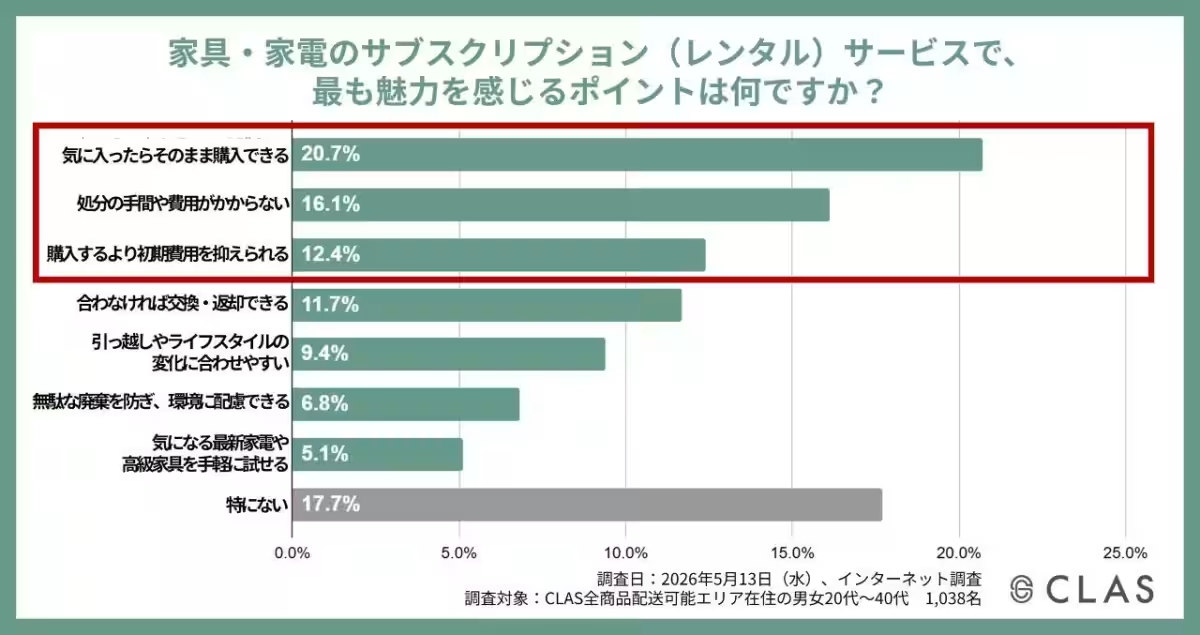
Interestingly, when asked what they find most appealing about subscription services, consumers indicated that the ability to purchase items outright if they liked them ranks highest at 20.7%. Following that, the absence of disposal costs (16.1%) and the reduced initial costs (12.4%) were also significant factors for consumers.
These insights reinforce that what consumers desire is more than affordability; they want solutions that address the hassle of ownership and the threats of making inappropriate purchases.
In response to these contemporary consumer demands, CLAS is committed to innovating its services, providing flexible options that allow users to adapt their living spaces according to changing needs and preferences.
Moving forward, CLAS aims to continue adapting to societal changes and economic fluctuations, offering easy and practical lifestyles to consumers.
Conclusion
As CLAS strives toward a circular economy and sustainable living, the company emphasizes the importance of conscious consumption. Through their innovative rental solutions, CLAS is leading the charge in mitigating waste while allowing consumers the freedom to enjoy their living environments without the usual risks associated with ownership.
Topics Consumer Products & Retail)



【About Using Articles】
You can freely use the title and article content by linking to the page where the article is posted.
※ Images cannot be used.
【About Links】
Links are free to use.